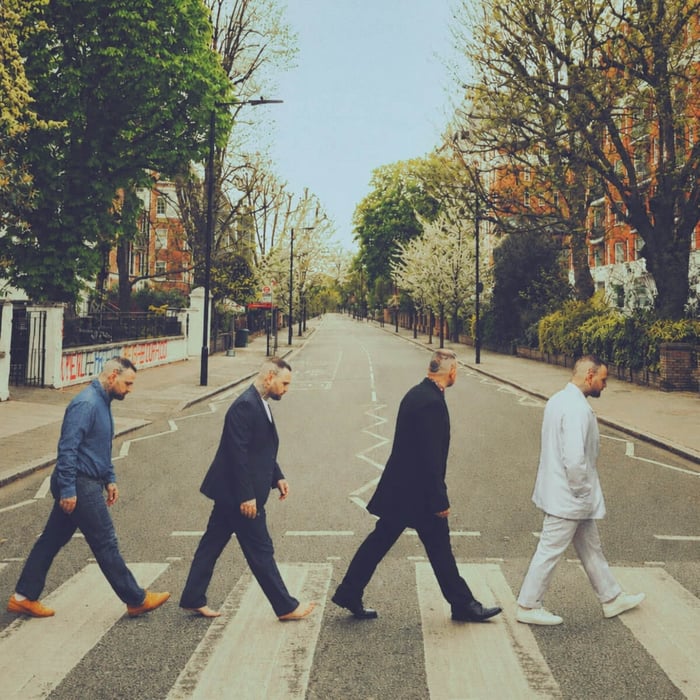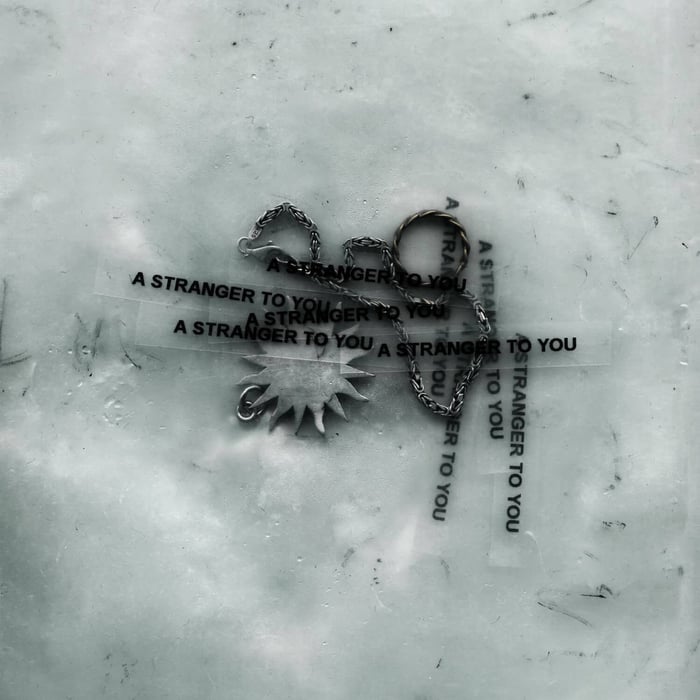
Loathe’s Stranger To You Review: Metalcore Left the Chat (On Purpose)


 See more Architeg Prints stories on Google.
Loathe’s Stranger To You Review: Metalcore Left the Chat (On Purpose)
Stranger To You turns Loathe’s hype into a gritty dare—less metalcore, more whiplash, and it still wants you to call it heavy.
The comeback pressure is the point
Comeback albums don’t just arrive. They get dragged in by the collar of expectation, blinking in the daylight like they owe everyone an explanation.
LOATHE walk into that exact trap on A Stranger To You, and instead of politely escaping it, they tighten it. After I Let It In And It Took Everything became the kind of “modern classic” people name-drop like it’s a credential, waiting years for a follow-up wasn’t going to feel normal. The band even spent some of that silence tossing out the occasional single, like a flare shot from a ship that may or may not be coming back to shore.
And yeah, I can hear how the shadow of that last record hangs over everything here—not because they’re copying themselves, but because they know you want them to. The trick is that A Stranger To You keeps swerving away at the last second.
Genre-blending isn’t a flex here—it’s the engine
This band has never sounded like they enjoy staying in one lane. On the previous album, the “dreamy” side wasn’t just a garnish—it sat right next to metalcore violence, alternative rock muscle, and even moments that flirted with black-metal frost. Ambient passages used to feel like connective tissue, like the album was breathing between punches.
Stranger To You keeps that core habit—jumping styles mid-thought—but it does it with a more casual confidence, like the band’s bored of proving they can blend genres and now wants to prove they can get away with it.
The obvious thesis statement is “Gifted Every Strength.” It’s long, it mutates, and it basically dares you to complain while it:
- drops into groovy riffing,
- levitates into a serene chorus,
- snaps your neck with a breakdown,
- then floats off on a spacy solo like it forgot you were still in the room.
That kind of songwriting shouldn’t hold together, and yet it does—partly because LOATHE aren’t stitching genres together with clean seams. They’re welding them.
Specific songs that tell you what Loathe is really doing
Once you accept that this album is built to move unpredictably, the track-by-track pivots start feeling intentional, even smug.
“Revenant” comes in like a dense slab—sludgy metalcore with real weight behind it—and the feature from Jami Morgan (NOWHERE2RUN, formerly CODE ORANGE) lands like a ragged extra layer of hostility. It’s not a “special guest” moment; it’s a friction moment. Arguably, it’s LOATHE reminding everyone they can still hit with brute force whenever they want—they’re just choosing not to live there.
“Gemini” starts near that same grimy heaviness, then pulls a move I didn’t expect the first time: it morphs into a pounding club beat by the end. Not “dancey for metal,” not “industrial-ish.” More like: “We’re done headbanging now; adjust your spine accordingly.” Some listeners will call that genius. Others will call it whiplash. I think it’s both, and that’s kind of the point.
Then “The Ladder” shows up with Jordan Rakei contributing vocals, and suddenly the album is wearing indie-pop skin like it’s always owned it. I can already hear the arguments this track will start. People who want the band to be a permanent breakdown machine will treat it like betrayal. I hear it more like the band admitting they’d rather be catchy than approved.
The provocative truth: LOATHE aren’t trying to please metalcore fans—they’re trying to keep them slightly uncomfortable.
Here’s the twist: this is less metalcore than you think
You can find screams and breakdowns here. They’re not extinct. But they’re no longer the dominant ecosystem.
As a whole, A Stranger To You leans harder into breezier alternative rock than its predecessor did. Given how clearly LOATHE pull from that dreamy, breathy lineage (yes, the DEFTONES-shaped ghost is in the room), it makes sense they’d indulge. What surprised me is they don’t repeat themselves while doing it—every hazy rock track feels like its own little weather system.
And the album plays a nasty psychological trick: just when you start settling into one mode, it changes the lighting.
The run of “Fortress Down,” “Harder To Pretend,” and “Meet My Maker” all take shots at that alternative-rock space, but they don’t land the same way. That’s not just variety for variety’s sake—it feels like LOATHE testing how many versions of “accessible” they can make before the listener realizes “accessible” is just another texture they can weaponize.
Arguable claim: the band’s “rock” songs are the real power move here, not the heavy ones—because they’re the ones that rewrite what you expect LOATHE to be.
The second half shows its teeth
The album doesn’t quietly coast into the back half. It starts acting like it’s trying to win an argument.
“Fangs” is the most straightforward track on the record, and that’s exactly why it works: it’s subversively catchy and built for replay without feeling like it’s pandering. The way it builds into its chorus is sly—like it’s stacking simple pieces into a shape that suddenly feels inevitable. On my first listen, I thought it might be too plain to stand out. On second listen, it clicked: the plainness is the disguise.
Then “Gifted Every Strength” still feels like the centerpiece—the best track here, if you’re forcing me to pick. And the album version sweetens the deal with an acoustic guitar outro that didn’t hit me as “pretty” so much as “spellbinding,” the kind of comedown that makes the next track feel heavier even if it isn’t.
And then the closer, “No Stranger To You,” comes in as a straight-up emotional burst of shoegaze bliss. It’s the closest the album gets to that particular kind of heart-tugging catharsis LOATHE can do so well (the same emotional neighborhood as “Is It Really You?”). It ends the record on a high point—arguably one of the strongest tracks they’ve put together, period.
Hot take, but I’ll stand by it: the closer doesn’t just finish the album—it reframes it, like the whole record was a messy route taken to earn that final emotional hit.
The production is going to split people—and I get why
Now for the part where the album stops being universally lovable.
The production here is a stark shift from the crystalline, precise mix of I Let It In And It Took Everything. A Stranger To You is dry, gritty, and sometimes it threatens to overwhelm itself. At first I wasn’t sure whether I hated that or respected it. I kept waiting for the mix to “open up” and give the riffs more air, like the previous album did.
But after a few listens, it’s hard not to hear it as a decision: this record wants a different identity. The grit gives it bite. It keeps the music from floating off into pure vibe.
Still, there are moments where it gets too cluttered, where audible riffs feel suffocated instead of massive. That’s the mild frustration here: LOATHE clearly wrote parts meant to hit like a body blow, and the mix occasionally turns that into a shove in a crowded hallway.
Arguable statement: this production is a statement more than a service—and that’s brave, but it’s not always pleasant.
The ambient bits don’t hit like they used to
This is where I’ll be blunt: the ambient moments feel like the album’s weakest offerings.
On the previous record, electronic soundscapes and interludes felt intentional—like they had their own internal logic and purpose. Here, some of the ambient passages come off more like regular interludes, the kind that exist to separate the “real songs” rather than deepen them.
To be fair, they do provide pacing. They give your ears a break. But they don’t always add meaning. And on an album where the core tracks are so strong, these quieter bits risk feeling like padding rather than atmosphere.
Arguable claim: the ambient material doesn’t expand the album’s world—it mostly just stops it from sprinting.
So what is Stranger To You actually doing?
This record feels like LOATHE refusing to be owned by their last success. It’s the sound of a band taking the reward they got for being dreamy and heavy—and then using that reward to get riskier, not safer.
Even with the sonic clutter and the occasional ambient misfire, the bigger truth is simple: few bands are this ambitious and still land the songs. It’s a return that doesn’t grovel for approval. It assumes you’ll follow.
If you’re the type who needs certainty from music, this album will annoy you. If you like albums that act like they’re alive—sometimes messy, sometimes gorgeous, sometimes slightly overconfident—this is your meal.
And if you really insist on boiling it down to a number, fine: 8/10 feels about right, mostly because when it hits, it hits like it’s trying to leave a mark.
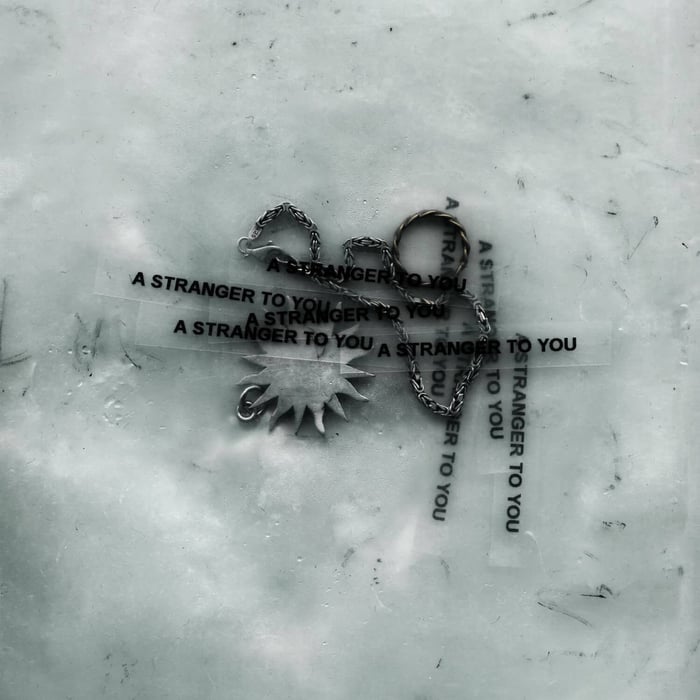
A Stranger To You is out now via SharpTone Records.
Conclusion
A Stranger To You doesn’t “continue the story” of the last album—it argues with it. The mix is rougher, the metalcore footprint is smaller, and the best moments feel like LOATHE proving they can swerve into almost anything and still make it feel like them.
Our verdict: People who like their heavy music with curveballs, hazy hooks, and sudden left turns will actually love Stranger To You. People who want LOATHE to be a dependable breakdown delivery service will not—and they’ll probably write long comments about it, which is basically the album’s secondary percussion.
FAQ
- Is Stranger To You a metalcore album?
Not primarily. The screams and breakdowns are there, but the album leans harder into alternative rock and shoegaze moods than pure metalcore payoff. - What song best represents the album’s genre-swerving?
“Gifted Every Strength.” It crams serene choruses, aggression, and spacey detours into one long shape-shifting track. - Does the production change matter?
Yes. It’s drier and grittier than the previous album’s cleaner mix, and it can get cluttered enough to bury riffs. - Which track is the most straightforward and replayable?
“Fangs.” It’s catchy in a way that feels slightly sneaky, building into its chorus without sounding like it’s begging for streams. - Do the ambient interludes work as well as before?
Not always. They help pacing, but some feel more like separators than fully realized moments.
If you want something physical to match the album’s “beautiful but abrasive” energy, a clean album-cover poster isn’t a bad idea—grab one at our store.
 | DISCOUNTGET 30% OFF*Use code on your next order:
|
* This post may contain affiliate links, meaning we earn a commission if you make a purchase through these links, at no additional cost to you.