Fridayy Tension Album Review: Big Voice, Small Rooms, Oddly Intimate


 See more Architeg Prints stories on Google.
Fridayy Tension Album Review: Big Voice, Small Rooms, Oddly Intimate
Fridayy's album Tension transforms a powerful voice known from collaborations into an intimate exploration of desire, anxiety, and attachment, creating a unique blend of late-night R&B that feels both personal and uncomfortably honest.
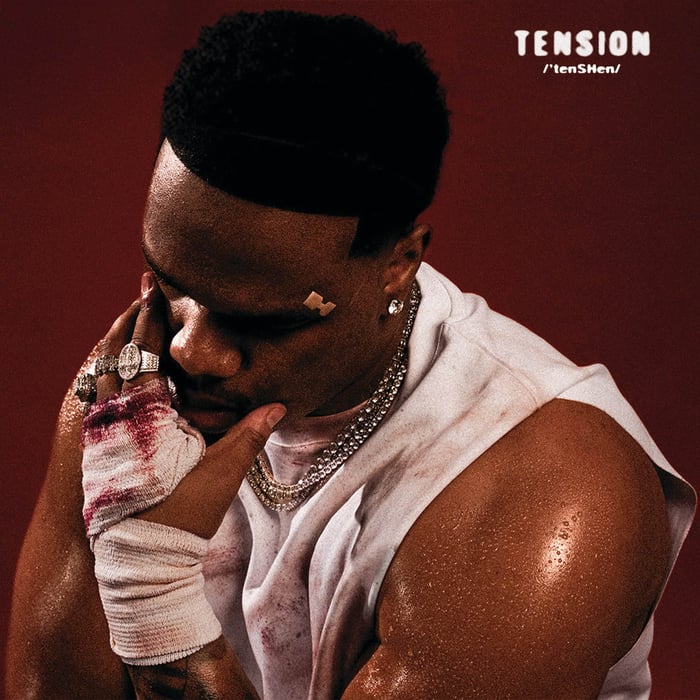
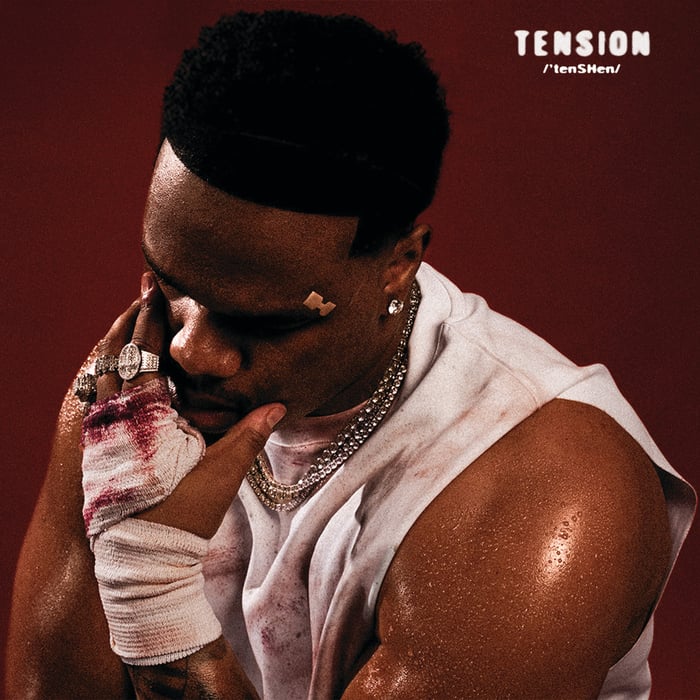
Courtesy of Lost In Melody LLC / Def Jam Recordings.
A voice built for cathedrals… choosing the front seat
That opening note Fridayy hit on “God Did” still feels like a building-wide event—one of those seconds where a song stops being content and turns into proof. So I went into Fridayy Tension expecting him to keep swinging at that size.
He doesn’t. Not really. And I don’t mean he can’t—he obviously can. I mean he deliberately spends most of this album in smaller rooms: dance floors, parking lots, the private nowhere of a glowing phone screen. It’s like watching someone with stadium lighting insist on using a desk lamp because they want you to lean closer.
That choice makes Fridayy Tension feel less like a “third album statement” and more like a sustained attempt to keep one specific person from walking out of earshot. Whether that’s romantic or mildly alarming depends on your tolerance for devotion that sounds like negotiation.
The “I know what tonight is” run: lust as a superpower
The early stretch plays like Fridayy’s trying to convince you he can read a whole night off a single detail, and honestly, he sells it more often than he should.
On “Can You Stay,” he sizes up the situation with that clean, confident line:
“I know you ain’t wear that dress for nothin’.”It’s not poetry; it’s a man acting like he’s cracked the code. And that’s the tone he clings to—this calm certainty that he knows what you meant before you said it.
“Too Late” takes the crowded dance club setup and uses it the way people actually use clubs: as cover. The funniest part is how modern his “smooth” is—
“Tell me the code to your wifi, I want connect.”A line like that shouldn’t work, and yet it kind of does, because it’s not trying to sound timeless. It’s trying to sound like a guy who will absolutely ask for your Wi‑Fi like it’s foreplay. That’s a choice.
The problem—well, one problem—is that the clichés show up fast. Drinks. Waists. Dance floors. The vow to throw everything away tonight. The whole ritual. Still, Fridayy is witty enough inside the clichés that they start feeling like his personal uniform instead of lazy writing. You might call it repetitive; I’d call it him insisting this is his lane and daring you to complain.
Then “Skip the Club” pushes that lane to its most comfortable extreme: hazards blinking on a late drive, the night draining out of the car. And right when it could stay flirty, it tilts into regret:
“Tell me why we got dressed up just to take these clothes right off.”That’s the album in one sentence—seduction as a shortcut to a feeling nobody wants to name.
When the come-on runs out: flattery that starts sounding hollow
Here’s where Fridayy Tension starts grinding a little. The same wit that keeps the party lit doesn’t always survive the moment a song needs a second emotional gear.
On “Cryin,” he goes big with the praise—calls her a goddess, acts stunned she can even show up to work—then the hook circles “crying, crying, crying” until the word stops having weight. I kept waiting for the song to reveal why she’s crying, or why he’s worth crying over, and it mostly just… doesn’t. It’s admiration turned into wallpaper.
“Dance” pulls a similar trick: the premise is dancing late, later, latest, and the one genuinely sharp moment is when he watches his stress evaporate for a second—
“I see my problems running from me.”That line hits because it’s specific and a little weird. But he keeps milking the idea past its best moment, like he’s trying to stretch one clean feeling across a whole track.
If you like relentless romantic intensity, you’ll call this commitment. If you’re cranky like me, you’ll hear the flattery getting extravagant enough that it starts meaning less, not more.
The phone screen section: jealousy with receipts
Then Fridayy Tension gets better by getting uglier. Not melodramatic ugly—human ugly. The album’s most convincing moments come when he stops sounding like a smooth operator and starts sounding like a person with bad impulse control.
“Text” is basically an entire song about being ignored. He’s checking the app like it’s a heartbeat monitor, clocking the tiny humiliation of modern rejection:
“It ain’t saying read, but I see you on my feed.”That’s not just jealousy—that’s jealousy with timestamps.
He frames it like combat—war talk, rounds, headshots—then admits the smaller truth underneath:
“All I got is you and this phone.”That line doesn’t need decoration. It’s the sound of someone realizing their whole emotional world has been reduced to a device that can stay silent forever.
And I’ll say it: this is where he’s actually dangerous as a writer. When he’s not trying to charm, he’s accurate.
Fighting as foreplay: the album’s pet sin
“Time & Place” is the album catching two people mid-conflict, with the tension still hanging in the air—
“still smoke in the air.”And Fridayy does the small dishonorable thing: he turns the argument into sex before it’s even finished, like closure is just a different position.
The woman even gets the opening warning shot, itemizing him like she’s reading a return policy:
“you get headache problem, your wallet empty, big arguments.”And what does Fridayy do? He sings over her. Not in the “duet” sense—in the “I heard you and I’m continuing anyway” sense.
A lot of listeners will hear this track as hot. I hear it as a personality tell: Fridayy Tension doesn’t resolve conflict; it seduces around it. That might be intentional. It might also be a habit dressed up as a vibe.
The “no strings” lie: when he admits he can’t play it cool
“Time Will Tell” is the point where Fridayy stops pretending he’s just having fun and admits he caught feelings inside a “no strings attached” deal. He says it plainly:
“It was no strings attached; that was clear for you / It was hard not to attach.”
That’s the album dropping the act. No one’s watching anymore, and the show gets messier.
He even acknowledges they’ve both got other people and tries to label it cleanly—an “acceptable loss” situation:
“I know you got niggas, I got women and that’s cool.”Except he can’t keep that mask on. The best lines on the album are him contradicting himself in real time:
“Tryna love this new girl, but I still love you”
“Tryna remove these feelings like a new tattoo”
That’s not growth. That’s a man narrating a doomed relationship as it collapses, then trying to invoice it to the universe like it’s an unavoidable expense.
I didn’t expect this track to land for me, but on second listen it became the one that stuck—because it’s the least polished emotionally. It doesn’t teach. It confesses.
One trick… and one smart risk: “Haiku” flips the power
For all the moments of honesty, Fridayy does fall into a pattern: he typically stays the pursuer, the persuader, the voice trying to bend a situation his way. Sometimes it works; sometimes it starts feeling like the same scene with different lighting.
That’s why “Haiku” matters. It’s the only time he changes the rules in a way you can feel immediately.
He plays with the syllable structure right in the lyric—
“Five, seven, five, send my girl a haiku”—which is exactly the kind of “look what I can do” flex that could’ve been corny. But the real move is that he hands the chorus over to ilham, and she flips the script. Suddenly she’s the one moving, and he’s the one scrambling to keep up:
“Too thick, too fine, he want me / Too bad, I’m outside.”
Fridayy’s verses spend pride like he’s finally tired of hoarding it:
“I ain’t got no pride”
“I was trippin’, baby, I must’ve been fried”
It’s a long way from the earlier bravado—the implied “marry me ten times” energy—because here he actually sounds shook. He even admits the obvious:
“this lovin’ done got dangerous.”And instead of backing off, he keeps dialing. That’s the point: Fridayy Tension treats danger like proof.
I’m not fully sure if the haiku gimmick is clever or just decorative, but the dynamic shift is real, and it wakes the album up.
The endgame: he turns chasing into vows
By the last stretch, the constant pursuit finally resolves into something like an answer. Not a solution—an answer.
“Moment” is where Fridayy finally names what he’s chasing. He references a Luther Vandross song like he’s diagramming the perfect emotional machine—
about two bridges and a good hook—then goes for the big vow:
“If the world was ending and they took everything from me but you / I’d still stay right here.”
And yeah, it’s dramatic. But it’s earned by repetition. After so many tracks of him bargaining for attention in clubs and cars and texts, the apocalypse line feels like the final form of the same impulse: if he can’t control the room, he’ll control the promise.
“Death Do Us Part” keeps that oath going—“us against the world”—and brings in Mariah the Scientist for a verse that actually matters because she doesn’t just echo him. She mentions the gossip and then asks the question that punctures the fantasy:
“Since when is it a crime to want to love?”
That question lands because it hints at what the album’s been dodging: is this love, or is this a persuasive campaign?
And that’s the real arc I heard. Fridayy Tension starts with a secret—two people, a private understanding—and ends by trying to formalize the secret into marriage-level insistence. The same voice that can silence a room with a note spends a whole album not silencing anything, just singing again and again to keep someone from leaving.
Conclusion: this album isn’t “smooth”—it’s stubborn
Fridayy Tension works best when it stops trying to be pretty. The club lines and the flirtation are fun, sure, but the album’s real electricity comes from the insecure stuff: the unread messages, the contradictions, the messy logic of wanting someone who’s already halfway gone.
It doesn’t always pull it off. A few hooks lean so hard on repetition that the words start losing meaning, and the flattery sometimes feels like it’s filling space where details should be. But when Fridayy admits what he’s actually doing—chasing, spiraling, promising too much—he turns a familiar R&B setup into something uncomfortably specific.
Our verdict: People who like R&B when it’s clingy, contemporary, and a little too honest will eat this up—especially if you’ve ever stared at “seen” like it’s a verdict. If you want subtle writing, emotional restraint, or romance that doesn’t sound like a persuasive text thread, this album will feel like being trapped in a very nice car with the doors locked “for the vibe.”
FAQ
- What is the core mood of Fridayy Tension?
It’s late-night desire turning into anxious attachment—clubs and cars at first, then phone-screen paranoia and end-of-world vows. - Which songs show Fridayy at his most believable?
“Text” and “Time Will Tell,” because he drops the smooth talk and lets the jealousy and contradiction show. - Does the album overuse clichés?
Yes, on purpose and sometimes to a fault—drinks, waists, dance floors—but he occasionally writes a line sharp enough to make the cliché feel like his signature instead of a crutch. - What’s the point of “Haiku”?
The syllable idea is a flex, but the real point is giving ilham the chorus so the power dynamic flips and Fridayy sounds genuinely rattled. - Is Fridayy Tension more about romance or control?
It’s both, and that’s the tension. The album keeps framing devotion as destiny, even when it sounds like fear of being ignored.
If you’re the type who judges an album by whether its cover matches the emotional mess inside, you can grab a favorite album cover poster at our store: https://www.architeg-prints.com/ — it’s a clean way to memorialize all that beautifully impractical longing.
 | DISCOUNTGET 30% OFF*Use code on your next order:
|
* This post may contain affiliate links, meaning we earn a commission if you make a purchase through these links, at no additional cost to you.