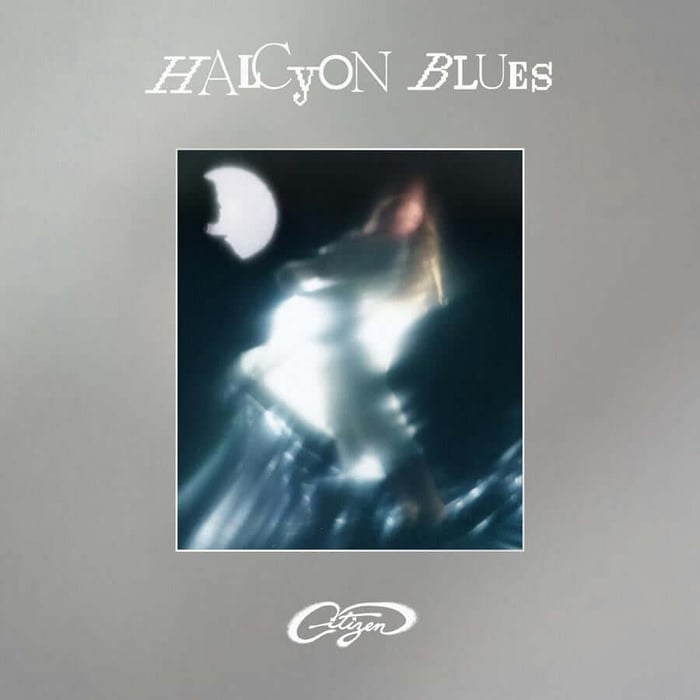
Halcyon Blues Review: Citizen’s “Reset Button” Is Loudly Complicated


 See more Architeg Prints stories on Google.
Halcyon Blues Review: Citizen’s “Reset Button” Is Loudly Complicated
Halcyon Blues shows Citizen cramming their entire past into one album—sometimes gracefully, sometimes like a closet you can’t close.
A record that stares at its own reflection
Citizen isn’t making a “new era” album here. Halcyon Blues plays more like a band walking through rooms they built over the last decade, touching the walls, checking what still holds, and deciding what to tear out next. It’s a consolidation move—bluntly intentional, occasionally messy, and way more revealing than a simple “evolution” narrative.
The funny thing is: a consolidation album can either feel like a greatest-hits cosplay or a genuine recalibration. Halcyon Blues mostly lands on recalibration—like they’re resetting the machine without pretending the old parts never existed. And yes, I’m aware that sounds tidy. The listening experience isn’t always.
The opener doesn’t ask permission—it kicks the door
The album wastes no time trying to be polite. “Good Fortune” jumps out with that sweet-spot Citizen thing: groove that actually moves, intensity that doesn’t just pose for the camera. It’s not the wildest song they’ve written, but it’s sharp in the way a well-aimed elbow is sharp—quick, clean, and you feel it immediately.
What I hear in “Good Fortune” is Citizen doubling down on what their more recent material has been circling: a tighter balance of punch and swing, less foggy sadness-for-sadness’s-sake, more physical momentum. A reasonable person could argue it’s “safer” than their more volatile moments, but I’d say it’s them admitting they like being a band that hits hard and lands hooks.
Then “Matador” drags that energy into a grittier lane. There’s a resentment baked into its tone—like the guitar isn’t just distorted, it’s irritated. If “Good Fortune” is the confident stride, “Matador” is the clenched jaw. And that’s a key detail: Halcyon Blues isn’t trying to sound “mature” by sanding everything down. It’s trying to sound mature by letting the anger show up without turning it into a tantrum.
The title track’s video tells you what the album is admitting
The title track matters because it frames the whole project: this isn’t nostalgia, it’s inventory. Citizen aren’t touring their past like a museum. They’re poking at it to see what still bites.
“Halcyon Blues reads like a contradiction they’re leaning into on purpose: calm days, blue guts. That’s basically Citizen’s whole career in two words, and here they’re finally owning that duality instead of picking one mask per album cycle.”
I’ll admit, on first pass I thought the album title was going to be pure mood—pretty melancholy branding, the usual. But sitting with it longer, Halcyon Blues reads like a contradiction they’re leaning into on purpose: calm days, blue guts. That’s basically Citizen’s whole career in two words, and here they’re finally owning that duality instead of picking one mask per album cycle.
“Smooth Talker” is the late-album flex—and it’s not subtle
Some albums save their best hooks for the front half like they’re afraid you’ll leave early. Citizen do the opposite here. “Smooth Talker” shows up later and casually becomes a highlight, which feels like a deliberate move: you want payoff? stay with it.
It bounces. It punches. There’s a dynamism to it that makes the “bigger” moments feel earned instead of dumped on the listener. If I had to make a mildly annoying claim (so here it is), I’d say “Smooth Talker” is where the album’s confidence actually becomes audible—not in volume, but in how unbothered it seems about winning you over.
That said, this is where my one small gripe starts creeping in: sometimes the record’s punchiness feels like it’s trying to prove a point that didn’t need proving. Citizen can clearly do this. A couple moments across the tracklist flirt with “look, we can still hit hard” energy, and I kept thinking: yeah, I know—you don’t have to underline it.
The emotional thread isn’t a throwback—it’s a grown-up version
Here’s the part that makes Halcyon Blues more than a loud reset: it also slides back into Citizen’s more melodic, emotional current. Not as a reenactment of old glory, but as a band that’s older and less interested in romanticizing its own suffering.
There’s a lineage here to the kind of atmosphere and emotional clarity that turned Youth into a cult favorite. But on Halcyon Blues, the emotion isn’t dressed up as mysticism. It’s more direct. Less “stare out the window.” More “say it, and deal with it.”
“Either Way” is the clearest example. The slower, building drumbeat gives the track this sense of reluctant forward motion—like someone walking because standing still got embarrassing. The lyric question lands like an exhausted pattern-recognition moment:
“how many times do we have to be hurt before we get it right?”
It’s not melodrama. It’s the sound of someone catching themselves mid-loop.
I’m not 100% sure whether the song wants to comfort you or just report the damage, and honestly that uncertainty helps it. When a band gets too certain in their “meaning,” the songs start feeling like speeches. Citizen keep it messier than that.
A ballad that doesn’t beg—and that’s why it works
Halfway through, “Always The Last One To Leave” pulls the album into a quieter room. Acoustic guitar and piano are a risky combo if you’re the kind of band people associate with cathartic noise—because it can read like “here’s the serious one.” But this track moves like a ballad that doesn’t need to announce itself.
The acoustic/piano arrangement makes it feel intimate without being fragile. That’s an important distinction. It’s not trying to be a break from the album; it’s trying to be part of the album’s argument: this band’s emotional core isn’t a phase they grew out of—it’s the engine.
Someone could disagree and call it a pacing dip. I get that. But I’d argue the record needs this exact kind of midpoint—because without it, all the “reset and recalibration” talk would just be another way of saying “we made bangers again.” This track forces the album to admit vulnerability without dressing it up as an aesthetic.
The penultimate track finally fuses the whole mission
Citizen spend much of Halcyon Blues pulling from different corners of their sound—heavy shove here, melodic ache there, groove-forward energy somewhere else. It’s compelling, but the full blend doesn’t snap into focus until “Highs And Lows”.
That’s where the balance actually becomes one thing instead of a sequence of references. The chorus is sticky in that undeniable way—catchy melody, passionate vocals—and it floats over atmospheric synth strings while the drums still hit with purpose. If earlier tracks feel like checking boxes in a personal history, “Highs And Lows” feels like the first moment they stop looking backward and just drive.
And that’s the tease: near the end, the album starts hinting at where Citizen might go after this. Not by inventing a new identity out of nowhere, but by showing how their “old selves” can coexist without fighting for the steering wheel.
So what’s Halcyon Blues really doing?
Citizen have never been containable, and Halcyon Blues doesn’t suddenly pretend they are. The album feels like forward motion that required a consultation with the past—like they had to drag every version of themselves into the same room and make them agree on a plan.
At times, it does feel transitional. Not in a weak way—more in a “bridge” way. Bridges can be thrilling, but they can also feel like you’re hearing decisions being made in real time. If you want one clean, singular version of Citizen, you might get impatient. If you like hearing a band reconcile its own contradictions, this record gives you plenty to chew on.
And here’s my revised take after spending more time with it: I initially heard Halcyon Blues as a tidy summary statement—like a career scrapbook with better production. But the longer it played, the more it felt like something stricter than that: a reset that refuses to erase anything, which is way harder than starting over with a shiny new persona.
Release note (because it matters)
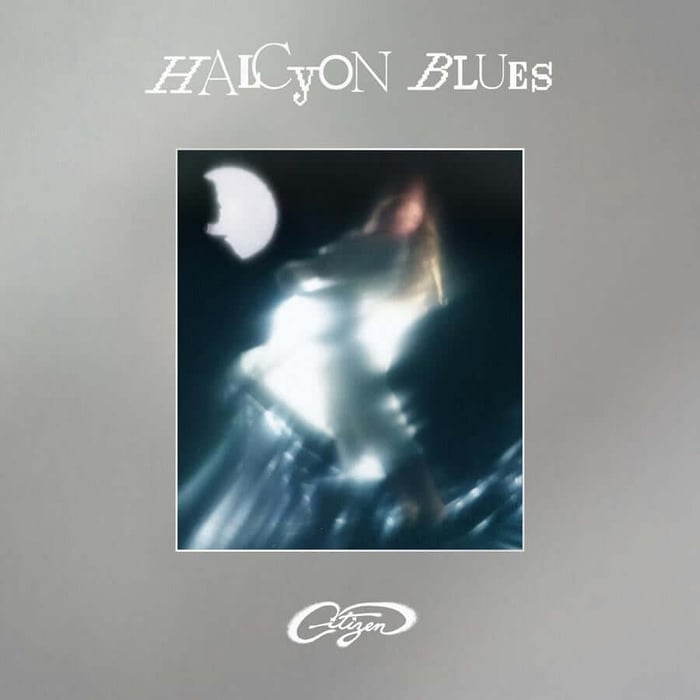
Halcyon Blues is out now via Run For Cover Records. And yes, Citizen are the kind of band who still operate like a band—you can keep up with them on Facebook if that’s your chosen corner of the internet.
Conclusion
Halcyon Blues isn’t Citizen “returning” to anything—it’s Citizen collecting their own scattered instincts and trying to make them share a single bloodstream. It’s energetic when it needs to shove, melodic when it needs to confess, and most interesting when it stops choosing between those impulses and just lets them overlap.
Our verdict: People who like hearing a band stitch together its own eras—without pretending the rough seams aren’t there—will actually like Halcyon Blues. People who want Citizen to commit to only one vibe (all punch or all ache) will be mildly annoyed, like someone forced to eat a combo meal when they only wanted fries.
FAQ
- Is Halcyon Blues a big stylistic change for Citizen?
Not really. It feels more like they folded multiple past approaches into one record and tried to make them coexist without arguing. - Which songs hit hardest right away?
“Good Fortune” comes out swinging, and “Matador” follows with a grittier edge that feels deliberately tense. - What’s the most emotional moment on the album?
“Always The Last One To Leave” leans into acoustic guitar and piano and lands like a quiet admission rather than a grand statement. - Does the album stick the landing?
“Highs And Lows” is where the different threads finally feel fused, and it hints at a next step instead of just wrapping things up. - Who’s this album not for?
Anyone who wants Citizen to sound like a single frozen-era snapshot. This record moves around on purpose.
If the album’s push-pull mood got under your skin, you might want to hang that feeling on a wall—grab a favorite album cover poster over at our store: https://www.architeg-prints.com.
 | DISCOUNTGET 30% OFF*Use code on your next order:
|
* This post may contain affiliate links, meaning we earn a commission if you make a purchase through these links, at no additional cost to you.