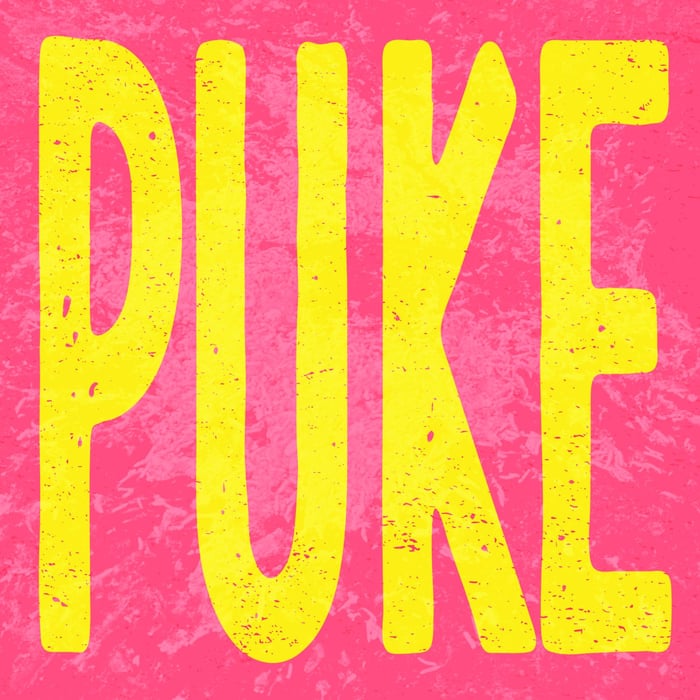
Jamie Lenman Puke Album Review: Raw on Purpose, Messy by Accident


 See more Architeg Prints stories on Google.
Jamie Lenman Puke Album Review: Raw on Purpose, Messy by Accident
Jamie Lenman’s album Puke is a rushed, jagged listen: a few tracks hit like a brick, others feel like sketches left on the studio floor. This review explores the album’s rough edges and moments of brilliance.
This record isn’t “unfinished”—it’s committed to the wrong kind of rough
Jamie Lenman’s Puke feels like it was built with a stopwatch and a bad attitude toward polish. I can hear the point immediately: make it fast, make it raw, make it sound like nobody had time to overthink it. He even basically tells you that’s the deal—nothing here feels like it took longer than a day to make—and yeah, the audio backs him up.
That approach can be a superpower. Plenty of artists would kill for “rough around the edges” that still lands. Here, though, the speed sometimes reads less like urgency and more like shrug. And that’s the weird thing: Puke has flashes where the mess turns into adrenaline, but it also has stretches where the mess just sounds… unfinished. I’m not even saying that as a moral judgment. It’s just what my ears keep bumping into.
“Not Likely” starts strong, then the album spends a while coasting on that opening promise
The opener, “Not Likely,” kicks the door in the right way. The guitars ring out, then drop into a grungy riff that actually moves. Lenman’s vocal comes in with that familiar bite—half growl, half accusation—aiming at the general disaster of modern life and basically asking, “Are we getting out of this?” The answer, obviously, is… not likely.
What works is the scale of it. The track stays in familiar territory most of the way, but it earns its big finish. And here’s my first hot take: it’s the only song on the record that feels like it’s carrying real weight the whole time, not just riding a vibe or a texture. I thought that was going to be the album’s baseline. It isn’t.
The early run makes “raw” sound suspiciously like “hard to hear”
Staying with the momentum—at least in theory—“I’m A Cunt” shows up next as a 40-second blast. On title alone, you expect a quick, nasty little jab. But the rawness turns into incoherence fast: it’s so rough that the words smear into the noise, and the moment you try to grab onto it, it’s already over.
Then “Aurora Borealis (At this time of day? At this time of year?)” leans into a broody spoken-word idea. On paper, I like this kind of move—strip the melody, make the voice the knife. The backing track actually has the right mood too: dark, cool, patient enough to hold tension.
But the content undercuts it. Lenman lists things he doesn’t like—Led Zeppelin, Black Sabbath, and yes, the Aurora Borealis itself—then circles the thought of what he’s missing if everyone else loves these things. I kept waiting for the angle to sharpen into something revealing, but it mostly lands as “guy arguing with the sky.” Maybe that’s the intention, and maybe I’m the one being cranky here, but the track’s concept winds up stepping on its own atmosphere.
Then it suddenly works—because he stops “sketching” and starts swinging
Here’s where I had to adjust my first impression. Early on, I figured Puke was going to be a full-on misfire: rushed, half-formed, and kind of pleased with itself about it. But there’s a stretch where the album snaps into focus and reminds you Lenman can absolutely steer chaos when he feels like it.
“Lose Weight For Weddings” is frantic in a way that finally sounds intentional. The track swirls, the energy stays sharp, and Lenman’s screechy vocal actually fits the motion instead of fighting it. It’s one of those songs that makes you stare at the rest of the tracklist like, So you could do this the whole time, huh?
The guitars turn angry and punchy—proper mosh-pit-ready stuff—with a bounce that shows the album’s “quick and dirty” method can create something alive instead of merely undercooked. My arguable claim here: this is the moment Puke accidentally reveals it should’ve been shorter and meaner—less “album,” more “get in, wreck the room, leave.”
“Sledgehammer” finds the album’s footing, then deliberately smears it across the floor
“Sledgehammer” follows and, by this point, it feels like the record finally remembers it has muscles. The drums crash with purpose, the guitar riff grooves, and Lenman’s vocal goes from anguished to borderline feral. It flirts with metal territory, not with technicality, but with that “everything is on fire and I like it” energy.
Then the song evolves into anarchy—where it’s genuinely hard to tell what’s happening, instrument-to-instrument—but it weirdly works. It’s tailor-made for small venues with bad ventilation and too many bodies. A reasonable person could say that kind of blur is lazy. I’d argue the opposite: it sounds like a deliberate loss of control, like he’s trying to document a collapse rather than compose a clean track.
“You’re Nothing” is the EP argument in one track
“You’re Nothing” is where the album’s good version of itself becomes obvious. It pulls energy from the previous songs and turns it into even more chaos—like an IDLES track forced through a louder, harsher machine.
The guitars swirl and screech, building and building until the track hits a crescendo that ends with Lenman screaming “YOU’RE NOTHING” and then it’s just… done. No tidy exit. No breathing room. You can hear exhaustion in the performance, and that’s a compliment: it sounds like he actually emptied something out.
This is also where my uncertainty kicks in:
I can’t tell if the album wants that exhaustion to feel cathartic or just punishing.It’s right on the line. For me, it mostly lands, but I wouldn’t blame anyone who hears it as abrasive for the sake of it.
The penultimate track feels like the album running out the clock
By the time “Movies On TV” shows up as the penultimate track, the record starts trudging. The big problem isn’t that it’s quiet or loud or fast or slow—it’s that it feels familiar in a way the album can’t afford. Musically, it echoes “Not Likely” enough that it plays like a retread rather than a payoff.
And that’s my mild criticism, plainly: this is where the “nothing took longer than a day” philosophy stops sounding brave and starts sounding like an excuse. Whatever goodwill the earlier burst of quality bought, this track spends it.
“Every Second Is Gold” ends on anger—finally, a foundation that should’ve been used sooner
The closer, “Every Second Is Gold,” ends the album on a brighter note—“brighter” meaning heavier, more monstrous, more emotionally legible. It’s frustrating, honestly, because it makes a strong case for what the whole record could’ve anchored itself to.
Lenman sounds like he’s getting all his negativity out through the lyrics in a way that might actually feel cathartic if you’re coming in with your own bad week strapped to your back. It’s a burst of anger that feels earned, not performative. And it raises the obvious question the album keeps provoking: why wasn’t this kind of impact the rule instead of the exception?
So what is Puke really doing? Trying to make “fast” feel honest
Even at eight tracks, Puke weirdly feels longer than it is. Not because it’s epic—because the duller stretches drag, and the sequencing doesn’t always justify the detours. But every so often, Lenman’s instincts flare up: a melody shows its teeth, a riff turns monstrous, a vocal goes from messy to right.
I can respect the creative process here. The speed and roughness sometimes hit like a truth serum. Other times, it just sounds like the song didn’t get its second draft. If this album is a blip, fine. If it’s a new standard, I’ll be the annoying person asking him to take two days next time instead of one.
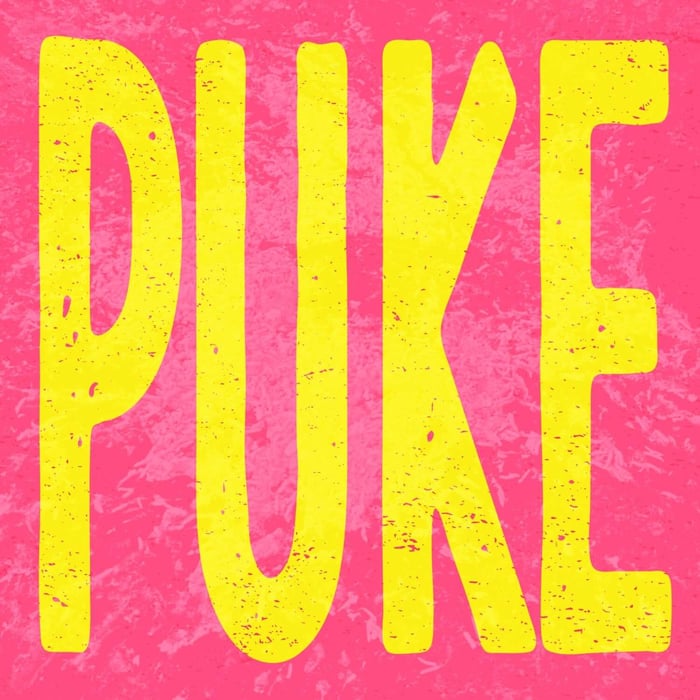
Puke is out now via self-release.
If you want to keep up with Jamie Lenman socially, he’s on Facebook: https://www.facebook.com/jamielenman/
FAQ
- Is Jamie Lenman Puke more punk or metal?
It leans punk in spirit—short bursts, abrasive delivery—but “Sledgehammer” flirts with metal weight when it wants to. - Does the “one day per idea” approach help the album?
Sometimes. It gives certain tracks real velocity. Other times it leaves songs sounding like first drafts that needed one more pass. - What’s the best entry point track?
“Not Likely” for a full-bodied opener, or “You’re Nothing” if you want the album’s chaos concentrated. - Are there any tracks that feel like filler?
“Movies On TV” drags and feels too close to “Not Likely” to justify its spot that late in the tracklist. - Is this album cathartic or just noisy?
Both. The closer “Every Second Is Gold” earns catharsis; earlier tracks sometimes settle for noise as a personality.
If this album put a specific image in your head—sweaty rooms, ugly riffs, a cover you can’t stop staring at—you can always shop a favorite album cover poster at our store: https://www.architeg-prints.com. It’s a nice way to pin the feeling to a wall without replaying the roughest parts.
 | DISCOUNTGET 30% OFF*Use code on your next order:
|
* This post may contain affiliate links, meaning we earn a commission if you make a purchase through these links, at no additional cost to you.