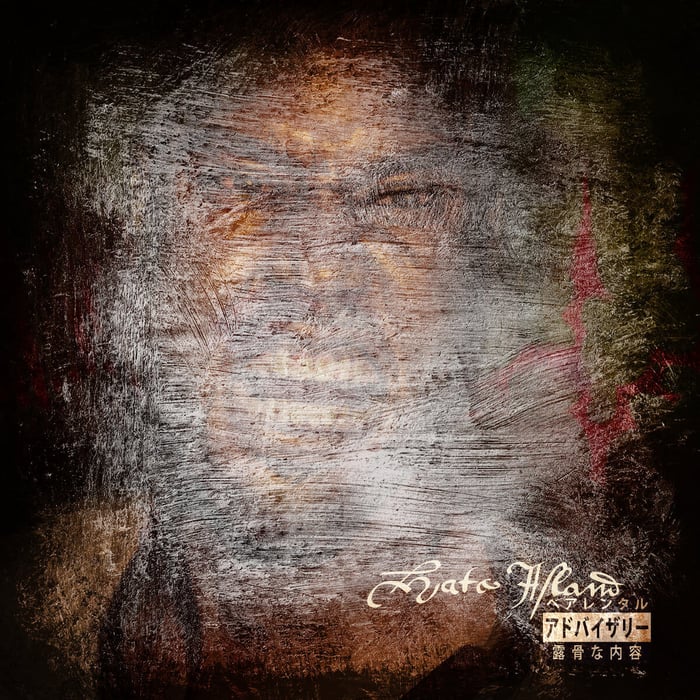
HATE ISLAND Album Review: Teller Bank$ Builds a Mansion Out of Guilt


 See more Architeg Prints stories on Google.
HATE ISLAND Album Review: Teller Bank$ Builds a Mansion Out of Guilt
HATE ISLAND isn’t a flex tape—it’s the sound of “making it” and realizing the ghosts came with the keys.
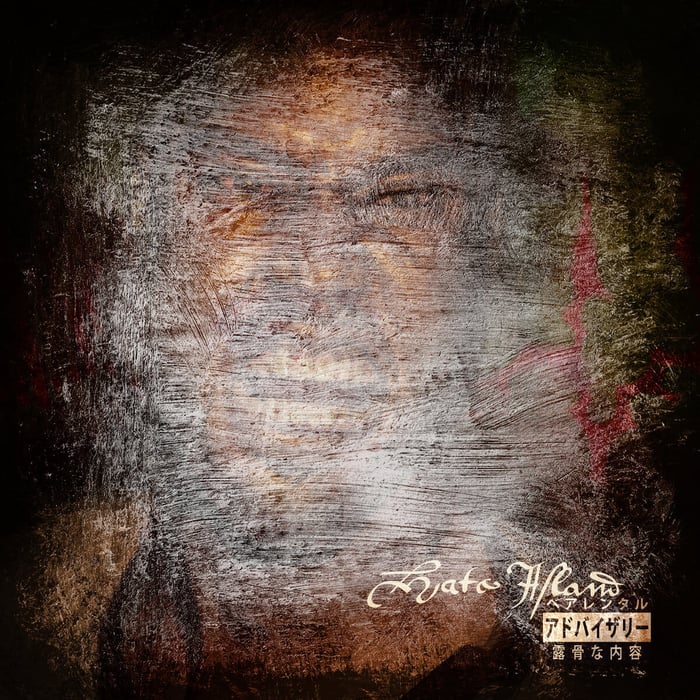
This isn’t “prolific.” It’s a compulsion with a microphone.
Some artists put out a lot of music because they’re inspired. Teller Bank$ puts out a lot of music like he’s trying to outpace something on his heels. I’m talking more than 30 records worth of output, the kind of number that stops sounding like a career plan and starts sounding like a nervous habit.
And the backstory floating around him—born in Denver, now posted up in Des Moines, the infamous “white people stole my house” line he turned into an album title, the detail about dropping multiple Skull Face albums on his birthday—none of it actually prepares you for what HATE ISLAND feels like in your ears. Those facts make him sound eccentric. This album makes him sound cornered.
My first impression was honestly: this is going to be another relentless street-rap barrage, a speedrun of misery and swagger. On second listen, I had to eat that assumption. This isn’t a barrage. It’s a ledger.
The sequel move: flipping “the come-up” into “the aftermath.”
The album lands after his collaboration project DRUG$$$ with the Philadelphia production crew TripleDollar$ign—Philth Spector, Q No Rap Name, Killer Kane—and it plays like the grim negative image of that earlier premise.
Where DRUG$$$ sold the classic hustle fantasy (one guy as every mythic street archetype at once), HATE ISLAND takes the same protagonist and says: alright, he “made it.” He has the money now. And that’s when the real punishment starts.
Because “out” isn’t freedom here. “Out” is insomnia.
Instead of victory laps, you get intrusive dreams about people he shot. You get the plug dying in an accident before grief even gets scheduled. You get the kind of memory that doesn’t fade because it was never processed—just buried under motion. The album’s core trick is nasty and effective: it refuses to separate success from damage. It insists they’re the same event.
If you want a clean moral arc, this record basically laughs at you and keeps walking.
The production isn’t trying to impress you. It’s trying to hold him in place.
TripleDollar$ign’s beats chop soul and funk into thick little slabs—tight loops, abbreviated phrases, just enough air left open for Teller to shove his voice into. And he does shove. He raps loud across almost everything, like he’s allergic to the idea of “letting the track breathe.”
Even when a beat flips—like on “George & Javks”, where the tempo jumps into something that could almost pass for dance-floor energy—his delivery barely changes. He stays loud. He stays forward. He stays on your throat.
A reasonable listener could call that one-note. I get it. I even felt it at points—there were moments where I kept waiting for him to lean back, to use silence like a weapon instead of filling every pocket. That’s my mild criticism: the album’s insistence on the same vocal pressure across a long runtime can start to feel like fluorescent lighting. You don’t “settle into it.” You endure it.
But here’s the thing: Teller writes like someone who doesn’t trust the world to understand him unless he over-explains in real time. So the beats mostly do the smart thing: they hold still. They become a table. He dumps the evidence on top.
When the drums thin out or a loop quiets down, it doesn’t feel like a mood change. It feels like he took one breath and then dove right back under.
“A Hate Supreme” is where he tells you the thesis—and doesn’t ask permission.
On “A Hate Supreme,” the Coltrane nod is so obvious it becomes part of the point: high-art framing for low-life confession, like he’s daring you to decide what deserves prestige. He stacks the ugliest claims next to mundane details, and he doesn’t pause for you to flinch.
He’ll talk about catching a body, warn you not to tell, describe shooting someone in the forehead five times, then pivot into moving enchiladas like it’s the same kind of transaction.
Then he does the thing that really makes the song stick: he apologizes to his mother without softening anything.
“Sorry momma had to do it
Know you raised me smarter, but life is stupid.”
That line isn’t “vulnerable” in the inspirational sense. It’s worse than that. It’s someone admitting they can explain their behavior and still not excuse it. He drops the apology and goes right back to serving fiends behind King Soopers. The whiplash is the point. That’s what this album is doing: it won’t let remorse become a redemption storyline.
“HATE HATE HATE” refuses the usual line between street rap and politics
“HATE HATE HATE” opens on four flats and starts moving like a guided tour of specific places and specific decisions: serving in front of a church on Colfax, checking Facebook on a burner for missing persons ads. It’s grimy in that very modern way—technology as witness, not savior.
And then, mid-verse, it widens into mass incarceration, stop-and-frisk, American imperialism—without putting on a different voice or announcing the shift. That’s the tell. Teller doesn’t treat politics as a separate “conscious rap” category. He treats it like the zoom-out function on the same photo.
The jump from “I changed the locks” to “slavery ain’t ended” happens in the same breath. No dramatic pause. No classroom tone. Just the blunt implication that the personal and the systemic are one machine, and he’s been living inside its gears.
If you prefer your protest music neatly labeled, this track will irritate you on purpose.
“Gang $hit” makes the moral math ugly—and then keeps counting
On “Gang $hit,” he’ll give you cartoonish violent measurement—like a 9mm weighing 2 lbs—then fire off a run about killing a cop every day for two weeks before changing clips. It’s meant to sound impossible, but it’s also meant to sound like the kind of fantasy people resort to when they feel permanently cornered.
Then, without changing his tone, he’s suddenly at:
- “From the river to the sea our blood always flows the farthest”
- “They gave us AIDS / They gave us drugs / But we gon’ make em wish they never gave us guns”
That’s the album’s central provocation: the same mouth that brags also accuses. Teller’s not trying to be “balanced.” He’s documenting how contradiction feels when you’re living it. Colfax and the Middle Passage become the same story at different zoom levels—one local, one historic, both soaked into the same voice.
I’m not totally sure everyone will hear those pivots the same way. Part of me wonders if some listeners will catch only the gun talk and miss the indictment underneath. But Teller doesn’t seem interested in adjusting for that.
“Benny & WE$ 3” is where the exhaustion finally shows
“Benny & WE$ 3”—third in a series tied back to White People Stole My House—brings in Rent Moneyy and moves like a stagger, not a strut. The song lurches between Boost Mobile boosting and sharecropping, Post Malone in blackface and Booker T, like he’s refusing to let pop culture off the hook for being another plantation with better lighting.
Then he hits a realization that doesn’t sound triumphant. It sounds like somebody catching themselves mid-myth:
“A blood sport
been rhyming bout killing niggas for a long time, I thought wanted more
I thought niggas was sure
I thought niggas was warriors, but we was corner boys.”
And when the chant drops—“NIGGAS IS NOT LIKE US”—it doesn’t land like victory. It lands like fatigue. Like he’s tired of pretending the mask is a face.
A lot of rappers can write despair. Fewer can write the moment where the persona stops being fun.
The flex songs don’t flex. They confess.
The guilt on HATE ISLAND leaks into everything, especially the money talk. That’s the part a casual listener might miss: the album uses “gain” as a container for “loss.”
On “G-Uniiitttt,” he holds material wins in one hand while overdosing on guilt with the other. He talks about wearing tears like war paint, praying daily, then buying product in paste because he “had to adhere to the plan.” That’s a bleak phrase—adhere to the plan—like he’s describing a corporate workflow, not a street life.
He mentions a plug who died in an accident—“was really my friend”—and the line doesn’t ask for sympathy. It points out a worse truth: he didn’t have time to feel it. He was too busy bouncing state to state, making ends meet, staying in motion so the grief couldn’t catch him.
Then “$6,666,666” pulls the mask down further: half a brick of fentanyl, a box of bullets, and then this:
“I told my therapist I feel like sellin drugs my self care
I told my nigga ain’t nobody made a million playin fair.”
That’s not a “shocking bar.” It’s a diagnosis delivered like a shrug. Therapy exists in the world of this album, sure—but it’s not a cure. It’s just another room he walks through while the same instincts follow him.
“Let the Hate In” spells out the routine—and why it won’t stop
On “Let the Hate In,” he stashes a block in insulation by the engine, drives the speed limit, and still can’t catch the so-called pursuit of happiness. He serves in front of his son. That detail doesn’t get dramatized—it just sits there, heavy, like a brick placed on the table.
He talks about forefathers who drank firewater and spoke cursive, “spellcasting rootworkers.” That’s one of the album’s sharpest moves: it treats heritage like a haunted toolkit. Not pride. Not shame. Just inherited forces that don’t care what century it is.
He says a therapist can’t solve his problems because he already knows what’s wrong. And that’s the bleak joke of self-awareness: insight doesn’t automatically produce escape. Sometimes it just makes the trap more detailed.
He cleaned the aftermath of a shooting. He doesn’t get good dreams. He doesn’t get good sleep. He didn’t have good friends. People knew him as “the reaper” before he started selling features.
That last idea is the album in miniature: two careers collapsed into one sentence—the dope game and the rap game—and the punchline is that rap came second but sounds the same. Like he didn’t switch worlds. He just changed uniforms.
He teases the “lyric-head” audience… then refuses to behave for them
There’s a self-aware streak here that doesn’t turn into self-censorship. One earlier track title from the prior era—“Look Ma, I’m billy woods!!”—winks at the lyric-first underground adjacent to Teller’s lane, the kind of crowd that can get stiff when gun bars show up in a cipher.
HATE ISLAND doesn’t smooth that tension over. It leans into it until it squeals.
On “They Hated Jesus,” he raps about cooking crack and the bones of his ancestors at the bottom of the Atlantic in the same verse. Not as metaphor practice. As if those images naturally belong together—because, in his world, they do. He makes indentured servant jokes and then snaps: “Matter fact, I’m still trappin’ got em for 1600.” The number lands like a double meaning with teeth. He won’t make the listener comfortable enough to separate history from commerce.
That’s an arguable choice. Some people will hear it as messy. I hear it as the point: discomfort is the only honest reaction left.
The title track admits something weird: even he won’t document all of it
On “Hate Island,” the title song, he says the rest “just happened,” and he chose not to write it down. For an artist who self-produces, mixes, masters, and releases at a pace that looks borderline inhuman, that admission is strange—and telling.
He floods the zone with words, then stops midstream to say: some things are better left undocumented.
That’s where the album finally shows a different kind of restraint—not sonic restraint, not emotional restraint, but archival restraint. He’s basically saying: I’ll tell you everything… except the parts that would make it real in a way I can’t survive.
And honestly? I’m not 100% sure I believe him. Part of me thinks that line is another kind of flex: the flex of having done things too extreme to even narrate. But even if it’s posturing, it still reveals the same obsession—controlling the story by controlling what’s missing.
Where to start (if you don’t want to drown immediately)
If you want the album’s main pressure points without taking the whole wave to the face, these tracks carry the thesis clearest:
- “A Hate Supreme” — the apology-to-mom pivot that never becomes forgiveness
- “HATE HATE HATE” — the burner-phone realism crashing into systemic rage
- “Let the Hate In” — the “made it” life described like a slow punishment
And yes, I’m aware picking “entry points” for an album this committed is kind of funny. It’s like recommending which corner of a burning building has the best view.
Conclusion
HATE ISLAND doesn’t try to make crime sound glamorous or trauma sound poetic. It makes them sound normal—and that’s the most damning choice Teller Bank$ could make. The record’s real flex isn’t money or violence; it’s stamina. He stays loud because silence would let the memories talk back.
Our verdict: This album will hit listeners who like their rap lyrical, confrontational, and allergic to tidy morals—and who can handle political rage showing up uninvited in the middle of street detail. If you want “vibes,” clean hooks, or a reassuring redemption arc, HATE ISLAND will feel like being trapped in a room with someone who refuses to change the subject (and yeah, that’s the point).
FAQ
- Is HATE ISLAND a sequel to DRUG$$$?
It feels like the aftermath chapter—same production crew energy, but the premise flips from “getting out” to realizing “out” doesn’t fix you. - What stands out most: the beats or the rapping?
The rapping. The beats are built to hold still and let Teller unload, not to steal scenes. - Does the album have a consistent sound?
Yes, almost stubbornly. Teller’s vocal intensity barely dips, which can be gripping or tiring depending on your tolerance for nonstop pressure. - Is it more street rap or political rap?
It refuses that split. The album treats street detail and historical/systemic anger as the same story at different zoom levels. - Where should I start if I’m new to Teller Bank$?
Try “A Hate Supreme,” “HATE HATE HATE,” and “Let the Hate In” first—those tracks show how the album mixes confession, guilt, and indictment without blinking.
If this record put an image in your head you can’t shake, that’s basically the whole aesthetic. If you want to hang onto that feeling, consider grabbing a favorite album cover poster at our store: https://www.architeg-prints.com
 | DISCOUNTGET 30% OFF*Use code on your next order:
|
* This post may contain affiliate links, meaning we earn a commission if you make a purchase through these links, at no additional cost to you.