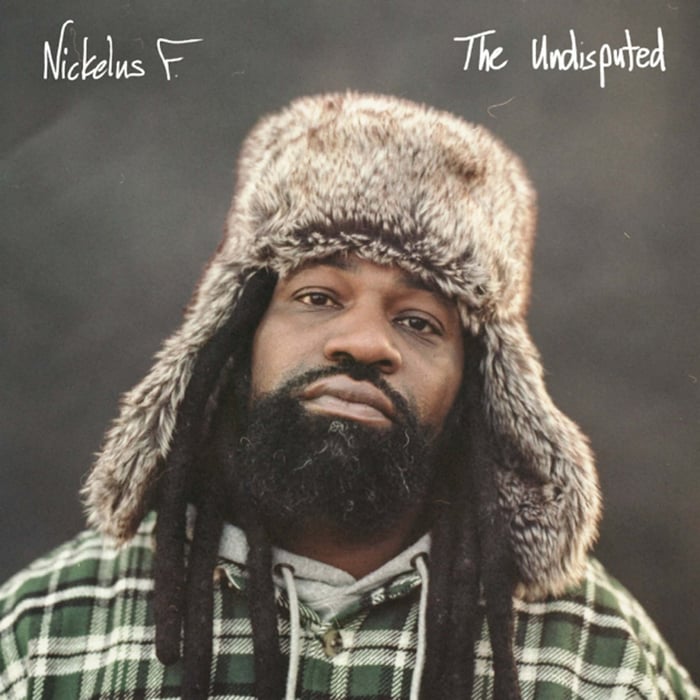
The Undisputed Review: Nickelus F Stops Flexing and Starts Swinging


 See more Architeg Prints stories on Google.
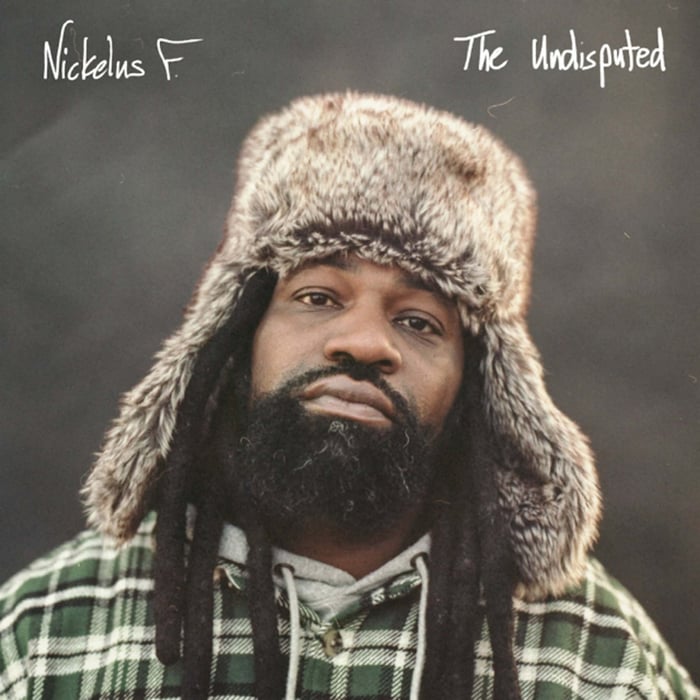
Album Review: The Undisputed by Nickelus F
Discover how Nickelus F strips down his extensive career to deliver a raw, unapologetic hip-hop album that refuses to follow trends while showcasing sharp lyricism and gritty production.
A record that acts like it has nothing to prove (and that’s the point)
Some albums feel like a victory lap. The Undisputed feels like the opposite: a guy stepping into an empty room, shutting the door, and rapping like the world outside doesn’t get a vote.
At first, I thought I was about to get another “legend finally gets his flowers” type of listen—more résumé than music. But the longer this plays, the clearer the move becomes: Nickelus F isn’t here to remind you what he’s done. He’s here to show you what he can still do when the distractions are gone.
That résumé isn’t the story—it's the pressure he’s escaping
The backstory around Nickelus F almost dares you to treat him like a myth: Richmond rapper, battle-tested, TV wins, industry ghostwriting before certain careers became unavoidable, then two decades of grinding while working as an exterminator. Then school, twins, mortgage, awards for art direction, and eventually a creative director title at Adobe. Somewhere in that pile of adulthood, he kept dropping tape after tape, album after album, started a label, and started self-producing nearly everything on his last few records.
Here’s what matters when you actually press play: The Undisputed sounds like the moment someone with that much history decides to stop decorating the story. It’s not a museum exhibit. It’s a refusal.
And yes, that’s an arguable take. You could hear this as nostalgia. I hear it as an intentional diet—cutting the fat so the words show their teeth.
The production makes a petty, brilliant choice: it refuses to be modern
The beats are almost aggressively unfashionable, like Nickelus went looking for the exact opposite of whatever’s currently polluting playlists. The drums knock with that mid-’90s backbone—thick snares, kicks that hit without the marshy 808 sprawl, loops that don’t flood the room. The key thing is the pockets: he leaves space on purpose, like he wants your brain to notice where a lesser rapper would’ve needed more noise.
He stitches the songs together with film dialogue and audio snippets, and they don’t behave like cute interludes. They behave like channel-flips:
- “O’Doyle Rules” drops a Billy Madison line about “the most insanely idiotic things I have ever heard,” and it lands like Nickelus laughing at rap posturing while still participating in it.
- “Cauldron Bubbles” starts with a fantasy prompt, and suddenly the whole track feels like a spell being read over drums.
- “Ghost Gun” uses a news clip about untraceable homemade firearms, which instantly drags the vibe from witty to ominous.
The overall effect is collage-like—like a cathode-ray TV muttering in the corner while somebody in the next room is working. The production doesn’t compete with his voice. It’s a floor. It stays low. It lets the rapping do the threatening.
If there’s a downside, it’s this: sometimes the austerity flirts with plainness. I kept waiting for one beat to take a left turn and really misbehave, and a few tracks just… don’t. That restraint is part of the concept, sure, but concept doesn’t make every loop automatically addictive.
“Dead Ends” is where the album tells you what it thinks about everybody else
“Dead Ends” is Nickelus rapping like he’s building scaffolding mid-verse. The images jump fast—Draymond Green, H-bombs, poltergeists trapped inside animatronics—yet it doesn’t fall apart because the internal rhymes act like welded joints. That’s the trick: the content gets wild, but the control stays tight.
What it paints, line by line, is a person who’s allergic to chasing what’s popular. Not in a preachy way. In a tired, been-there way. Like he’s seen trends chew people up and he’s not interested in being lunch.
The hook spells out the philosophy: following the crowd is easy, but that path can be a dead end. It’s simple enough to sound obvious—until you remember most rappers will never say it because most rappers are still trying to be picked.
“It’s hard not to follow the crowd, but sometimes that path is just a dead end.”
Arguable claim: this track isn’t just a standout—it’s the thesis statement. Everything else is basically footnotes with better punchlines.
“Soldier of Fortune” is the one that smiles while it swings
If The Undisputed has a “hookiest” moment, “Soldier of Fortune” takes it. And it’s not because the beat suddenly turns shiny. It’s because Nickelus’ performance gets oddly charismatic—like he’s letting himself be entertaining without watering himself down.
He introduces himself as Big F, calls himself the life of the hootenanny, tells other rappers their loofas are nasty (which is such a specific insult that it circles back to poetry), and then starts stacking references and threats and odd little flexes. You get Cowboy Bebop, Key Glock on the South Side, rogue angels getting cast down—then the second verse pushes further into lived-in weirdness: grabbing trout barehanded, still eating turkey neck bones and lentil beans after stretching a limousine, waking up with the Avengers theme playing in his head. He calls his beard “a wizard thing.”
Nobody writes sentences like that unless they’re willing to sound strange. And that’s the point: the specificity is the armor. You can’t easily copy it. It doesn’t fit anyone else’s costume.
On first listen, I thought the humor might undercut the menace. On second listen, I realized the humor is the menace. He’s laughing because he’s not worried.
The album’s real flex is class detail—small, cold, and constant
A lot of rappers talk about money like it’s a personality. Nickelus talks about money like it’s a weather system—something that changes your posture, your sleep, your appetite.
“Snuggle Bear” hits with a little domestic dread: crawling into a cold bed after a hot shower, staring into an empty fridge, and feeling that squeeze of anxiety. He compares it to the Snuggle Bear, which is funny until it isn’t. He says he sleeps standing up. It doesn’t sound like a quirky line; it sounds like a man whose rest got scheduled out of his life.
Then you get the contrast: stacking dollars until his home looks like Creflo Dollar’s residence, while still buying white tees from the hood store. That’s not just a flex. That’s an identity problem. Or maybe it’s the lack of one: he’s telling you he can move between worlds and he doesn’t need your permission to do it.
Arguable claim: these details are more convincing than any “came from nothing” anthem because they’re not polished for sympathy. They’re tossed off like receipts.
Marvel and fantasy references aren’t fandom—he uses them like street language
Nickelus has been folding comics into his writing for years, and here it comes through like second nature, not forced “geek rap” branding.
“Madripoor” takes its name from Wolverine comics—the lawless island—and the intro pulls from a Marvel property referencing Black Widow. It sets a tone: covert, ruleless, slippery.
“Cauldron Bubbles” leans into fantasy imagery—Eye of Sauron energy up top, then mist, chapel roofs, scrolls, talismans, a snaggletooth—before it lands on “This is my kingdom.” It’s not escapism. It’s a power claim dressed up as myth.
“Snuggle Bear” name-drops Omega Red’s tentacles to describe his dreads, which is such a visual comparison it basically draws itself. And on “O’Doyle Rules,” he pulls up to Comic-Con with a mask and magazines—where “magazines” doubles as guns and comic books in one neat little turn.
Arguable claim: he’s not referencing this stuff because he loves it. He’s referencing it because it gives him metaphors that aren’t worn out yet.
“Geiger Counter” is where he stops acting polite about his contradictions
“Geiger Counter” gets volatile—like the album’s calm surface finally cracking enough to show what’s underneath.
A kid named Rafael, twelve years old, first to wave a pistol. That detail sticks because it’s not cinematic; it’s sickeningly casual. Then comes the blunt moral line: God forgives, Nickelus doesn’t. He talks about women setting you up—calls it a bridal shower—and the wordplay is sharp enough to make you feel bad for reacting to it.
Then he swerves: fantasizes about diving off the Eiffel Tower to make a splash into history, then immediately says he can’t wait to get rich and laugh at people’s misery. Then—almost as whiplash—he mentions trying to grow spiritually.
I’m not completely sure whether he wants you to be impressed by that chaos or exhausted by it. Maybe both. But he doesn’t sand it down into a neat “I’m conflicted” confession. He just lays the impulses next to each other and lets them fight for space.
Arguable claim: this is the album’s most honest moment because it’s the least flattering.
“Water Walker” doubles down: the holy talk doesn’t clean the mouth
“Water Walker” runs on the same frequency as “Geiger Counter,” but it feels less explosive and more lived-in.
He talks about making thousands off digital sales, blowing fifty-dollar blunts, stumbling out of Denny’s in white Hennessy, then kissing his kids with the same mouth. That line doesn’t beg forgiveness. It just admits the mess.
He says he’s never been found guilty. He says he makes history with his spare time, but can’t spare any time. That’s the kind of contradiction that lands because it’s not poetic—it’s logistical. If you’ve ever had too much to handle, you recognize the shape of it.
Mild criticism, though: the track’s power is so tied to the writing that if you’re not locked into his voice, the beat won’t pull you in by itself. This album demands attention more than it seduces you.
“The Urge” turns the whole album into a question it can’t stop asking
Both halves of “The Urge” open with the same repeated sample asking, “What mysterious force urges me on?” And that repetition works like a knuckle tapping your forehead. You can ignore it, but it keeps coming back.
Nickelus answers across verses that hop from God favoring Daniel to surviving ricocheting bullets to his mom’s prayers, running shoes tied tight, Black cops he views as all racists, and Uncle Sam “raw rapin’” his hard wages. Part II keeps moving: blessings raining on his crown chakra, skipping through transient markets, then a nasty little jab at rappers dropping “ass juice” while people drink brown water.
Arguable claim: this two-part structure isn’t indulgent—it’s necessary. One verse can’t hold that many resentments and still pretend to be tidy.
Where I landed: the songs I keep replaying (and why)
By the end, the tracks that stick aren’t just the sharpest—they’re the ones where Nickelus’ worldview comes through without him needing to announce it. The ones I keep circling back to are:
- “Dead Ends” for the mission statement and the structural precision
- “Soldier of Fortune” for personality—strange, funny, and oddly triumphant
- “Snuggle Bear” for the cold realism dressed up as throwaway lines
And yeah, I didn’t expect “Snuggle Bear” to be the one I’d replay. I assumed the more aggressive tracks would dominate my memory. But the domestic dread hit harder than the threats. That’s adulthood for you: the empty fridge is scarier than the villain monologue.
Conclusion
The Undisputed doesn’t sound like a comeback or a victory lap. It sounds like Nickelus F clearing his throat, lowering the lights, and daring you to keep up when he stops explaining himself.
Our verdict: People who like rap where the writing is the special effect will love this—especially if you enjoy weird specificity and moral mess without apologies. People who need glossy beats, big choruses, or tidy “growth” narratives will bounce off it fast and call it “too lyrical,” which is usually code for “it didn’t hold my hand.”
FAQ
- Is The Undisputed more about bars or vibe?
Bars first. The vibe comes from how hard he commits to saying the uncomfortable parts out loud. - Does the production feel dated?
Intentionally, yes. It’s that mid-’90s thump and pocket space—less about trends, more about letting the voice dominate. - What track shows Nickelus F’s personality best?
“Soldier of Fortune.” It’s funny, bizarre, and confident without turning into a comedy record. - Is this album emotionally heavy or just tough talk?
It’s heavier than it looks. “Snuggle Bear” alone turns everyday survival into the real threat. - Do I need to catch all the comic references to enjoy it?
No. They function like metaphors and street slang—if you get them, great; if not, the punch still lands.
If this album put you back in the mood to actually look at cover art again, you can shop a favorite album-cover poster at our store here: https://www.architeg-prints.com. A record this stripped-down deserves something physical on the wall.
 | DISCOUNTGET 30% OFF*Use code on your next order:
|
* This post may contain affiliate links, meaning we earn a commission if you make a purchase through these links, at no additional cost to you.