Hate the Sin Review: Jules Clay Prays With the Gun Still Loaded


 See more Architeg Prints stories on Google.
Hate the Sin Review: Jules Clay Prays With the Gun Still Loaded
Hate the Sin turns Jules Clay’s faith into street math: Bible in one hand, heat in the other, and he refuses to pretend that contradiction isn’t the point.
A record that starts praying before it stops bleeding
Some albums “struggle” with morality like it’s an essay prompt. Hate the Sin doesn’t do that. It walks in already mid-argument—like Jules Clay kicked the church doors open, nodded respectfully, and didn’t bother taking the pistol off his waistband.
This is Buffalo rap that treats salvation like a location you pass through, not a permanent address. Clay (Wordplay Clay) sounds like he found God somewhere on the route and decided that was enough. Not “new life, new me.” More like: same life, clearer eyes.
And honestly, my first impression was that this was going to be a neat little “street-to-faith” arc. On second listen, it’s way less tidy—and that mess is the real theme.
The real addiction here is the wordplay (not the weapon)
To bridge into the music itself: the clearest obsession on this album isn’t the gun. It’s the line.
Clay raps like he’s trying to win custody of the English language. He’s constantly folding threats into punchlines, flipping idioms, squeezing doubles into triples. He doesn’t just want to sound hard—he wants to sound clever while sounding hard, which is a more dangerous addiction because it never runs out of ammo.
On “Said You Loved,” the Cupid reference is basically Clay sneering at the whole idea of romance. Cupid shows up, but not with an arrow—more like a trigger finger. That choice alone tells you the album’s emotional stance: affection is just another setup. Even the “gentle” moments carry a blade behind their back.
And he keeps the performance cool, like he’s allergic to shouting. The Jordin Sparks bar (“No fair, left me with no air like Jordin Sparks”) is the kind of line that shouldn’t work in a tense rap track, but he drops it like it’s nothing—like he’s tossing a penny into a storm drain. The calm delivery turns the joke into a flex: I can be funny while staying dangerous.
Then there’s “Landslide,” where he calls himself an “Enfranchised Houdini with his hands tied.” That’s not just a metaphor—it’s Clay’s whole self-image. He’s trapped, but he still needs you to watch him escape.
Even his autobiography comes sideways. He’ll reference a baseball movie, but twist it into something like a “Sandlot hood” feeling—nostalgia with the safety off. And on “GODSFAVORITE,” he does that classic court-sentence/rap-sentence flip: “never did time” but still writes the illest “sentences.” It’s corny in concept and sharp in execution, which is basically his brand: take the dad-joke blueprint, then turn it into a weapon.
Arguable take: the wordplay is so constant it becomes its own kind of mask—like he’d rather juggle puns than sit still with what the songs are admitting.
Faith doesn’t disarm him—faith just moves in next to the gun
Next step: once you notice the bars, the theology hits harder.
This album refuses the usual redemption storyline where finding God means surrendering everything that made you “bad.” Clay’s version is more realistic and more unsettling: belief doesn’t remove the paranoia. It just gives the paranoia a prayer life.
On “Be Safe,” he crams the entire contradiction into the hook. He talks like the only way to be safe is to keep the safety off—because trust is a luxury and he’s not buying it. He asks God for cover, swears he’s still keeping the gauge anyway, and somehow makes that sound like a single coherent thought. That’s the point: it is coherent to him.
“RFMG” is even more blunt. He wakes up reaching toward the pistol like it’s a morning routine, like brushing teeth. Then he talks about enemies like they’re too soft to bother with, which is the kind of dismissive confidence that usually comes right before something bad happens. And then—clean as a slap—he says:
“Just ’cause I found God don’t mean I owe you shit.”That line isn’t “edgy.” It’s the album’s mission statement. Salvation isn’t customer service.
Gustavo Louis shows up and mirrors the same tension from a different angle: finding God on the way to a dealer, lifting a Pyrex like it’s part of the sermon. The album keeps making that move—stacking sacred language on top of street reality until you stop expecting them to separate.
The most honest version might be “GEMS.” Clay says, “Lately, I been reachin’ for my Bible more than my gun,” and for a second you think, okay, here comes the pivot. Then he takes it back: “But still keep my gun for the creepin’.” That quick reversal is basically the album refusing to lie to you for inspiration points. He even calls fighting his demon the hardest battle he’s ever fought, and the way he delivers it makes it sound less like a motivational poster and more like a tired confession.
By “Halos & Horns,” he stops pretending this is a shoulder-angel-shoulder-devil cartoon. “I don’t rock a halo or a set of horns.” He just stands in the gap and stays there. That’s not indecision. That’s identity.
Arguable take: Clay isn’t trying to resolve the conflict—he’s trying to normalize it, like contradiction is the only stable ground he trusts.
The almost-murder keeps flashing back like a bruise you can’t stop touching
From there, the album gets personal in a way that doesn’t feel performative.
On “W.T.M,” Clay addresses the fact that he nearly killed someone, and he doesn’t wrap it in pretty language.
“Almost don’t count; I’m glad I didn’t.”It’s bitter acceptance, not victory. Then a good thought hits him, he follows it, and a moment later he calls the whole thing a blessing. That emotional whiplash feels real: relief arrives late, and it doesn’t clean up after itself.
The Rebel Sky shows up with a bone saw and a tourniquet in the trunk. That detail lands like a cold object placed on your skin—specific enough to be believable, grim enough to make you stop nodding along for a second. It’s the kind of image that makes the album’s “faith” sound less like philosophy and more like emergency medical care.
The confession resurfaces on “Matter of Life & Death.” Clay talks about a bullet with somebody’s name on it—one he claims he wiped away, even if the outline is still faint. That’s one of the strongest images here because it doesn’t pretend erasure is total. You can scrub the ink, but the paper remembers.
Neese Rich takes the second verse somewhere darker: knife to wrist, gun to head, talking to God through it, saying,
“I can’t go out like this.”That’s not a dramatic climax; it’s a negotiation with survival.
Then Clay comes back on “No Competition” naming what life took—friends, family, business partners—and he frames a will as a weapon so his kids keep their father. That’s a brutal kind of responsibility: paperwork as protection, legacy as self-defense. He even circles back to breaking the deal with Satan, like he’s canceling a contract that was always predatory. And the album makes a clear claim without sermonizing: tormenting his soul costs more than money or recognition ever paid.
One thing I’m not totally sure about is whether the album wants me to feel “hope” here, or just endurance. Sometimes the spiritual framing sounds like it’s reaching for light; other times it’s just a new way to describe the same darkness. Maybe that ambiguity is the truest part.
Arguable take: the album’s most “religious” moments aren’t the prayers—they’re the admissions of what still won’t leave him alone.
Features that don’t cuddle the mood—they sharpen it
To move from confession to community: the guest verses don’t feel like variety hour. They feel like people stepping into the same weather.
Ant Kelly and Ice Fang rap like comfort is an obstacle. Ant Kelly’s feature on “Dusk Til Dusk” is the kind of verse that brags with a grimace—he boasts his lines are doper than what caused River Phoenix’s death, then sends respect to Buffalo and namechecks Jules. It’s ugly, bold, and calculated, like he’s daring you to flinch so he can call you weak.
Ice Fang—who produced “GEMS”—jumps on “Fear of Heights” and lets his weirdness show. He calls himself the last honest man, the first one telling it right, and he rides the verse like a fast bullet train with sake sloshing in both halves of its brain. That’s such a specific kind of chaos: precision and intoxication happening at once. He even signs off with the image of a boulder that only rolls uphill—impossible effort as lifestyle.
Arguable take: the features don’t “help” Clay so much as expose what he’s already doing—this isn’t a solo redemption story; it’s a local language.
Skip the Kid’s production wins by refusing to clean up
Now the sound. Because none of this works if the beats try to be pretty.
Skip the Kid produces most of these tracks, and the choice is obvious: dominant loops, drum-forward, rough edges left rough. The mix keeps the drums close and doesn’t chase polish. It’s like the beats are lit by one streetlamp and that’s all you get—no soft-focus forgiveness.
That said, the no-polish approach occasionally leans a little too hard into sameness. There were moments where I kept waiting for a beat switch or a brighter crack in the ceiling, and it just stayed dim. That’s not a dealbreaker, but it does mean the album asks you to appreciate small shifts rather than big moments.
Still, the sequencing shows intent:
- “Said You Loved” hits punchier than most, like it’s trying to wake you up with a jab.
- “Landslide” stays low, emotionally and sonically—no heroic rise, just pressure.
- “RFMG” feels like it enters from a shaded address, and when Gustavo Louis arrives the track feels more fully “occupied,” like the room finally fills with bodies.
And it’s not only Skip. Skel, Jazzy Lion Man, Ice Fang, and Kheyzine all contribute to the same dimly lit, drum-centric consistency—even when the “board’s name” changes, the atmosphere holds. This album doesn’t want a beat playlist; it wants a block.
Arguable take: the production’s restraint is a flex—like they’re proving they don’t need glossy crescendos to make the tension stick.
“DOMS” answers the moral question with the only honest answer: neither
So what’s the album actually doing?
It’s staging a moral dilemma—angel on one shoulder, devil on the other—and then refusing the children’s-book ending. On the bridge of “DOMS,” Clay gives the only answer he can live with: neither. Not “I’m saved,” not “I’m doomed.” Just: I’m here, and I’m holding both.
There’s also that lingering question of price—what does he have to pay for everything he wants? The track closes by identifying him as a man of God, but not the sanitized version. In his grip are both the gun and the Bible. He responds to both. And he puts down neither.
That’s the album’s provocation: if you demand purity, you’re going to miss the point. This isn’t a transformation story. It’s a snapshot of a man trying not to become the worst version of himself again, while still living in the conditions that built that version in the first place.
Arguable take: Hate the Sin isn’t chasing redemption—it’s documenting the cost of refusing to fake it.
Conclusion
Hate the Sin doesn’t ask you to applaud a turnaround. It asks you to sit with the contradiction: prayer spoken through clenched teeth, scripture carried beside a habit that won’t die. The sharpest moments aren’t the threats—they’re the seconds where Clay almost believes he can reach for the Bible first, then admits he still can’t risk it.
Our verdict: If you like rap that treats faith like a daily fight instead of a victory lap—and you enjoy dense wordplay over dark, unpolished loops—you’ll actually like this album. If you need your “growth” stories to end with a clean confession and a symbolic disposal of the gun, you’ll be annoyed in about five minutes.
FAQ
- What is the core theme of Hate the Sin?
Holding faith and street survival in the same hands—Bible and gun—without pretending that tension resolves neatly. - Is Jules Clay more focused on lyricism or storytelling here?
Lyricism first. The storytelling shows up in flashes—confessions, snapshots, specific threats—but the wordplay is the engine. - Which tracks best show the faith-versus-violence contradiction?
“Be Safe,” “RFMG,” “GEMS,” and “Halos & Horns” make the conflict explicit and refuse to tidy it up. - Do the guest features change the album’s direction?
Not really—they sharpen it. Ant Kelly and Ice Fang reinforce the album’s comfortless mindset instead of softening it. - What’s the production style like across the album?
Dark, loop-driven, drum-centric, and intentionally rough around the edges—more shadow than shine.
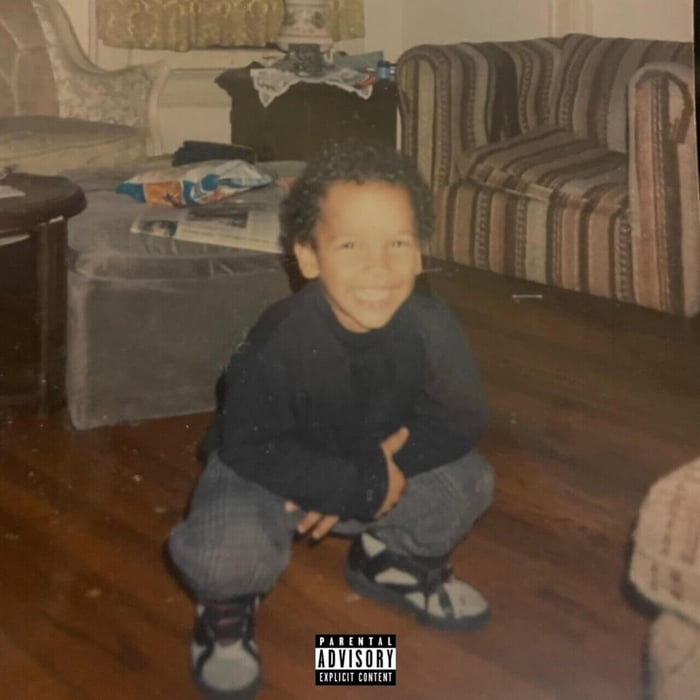
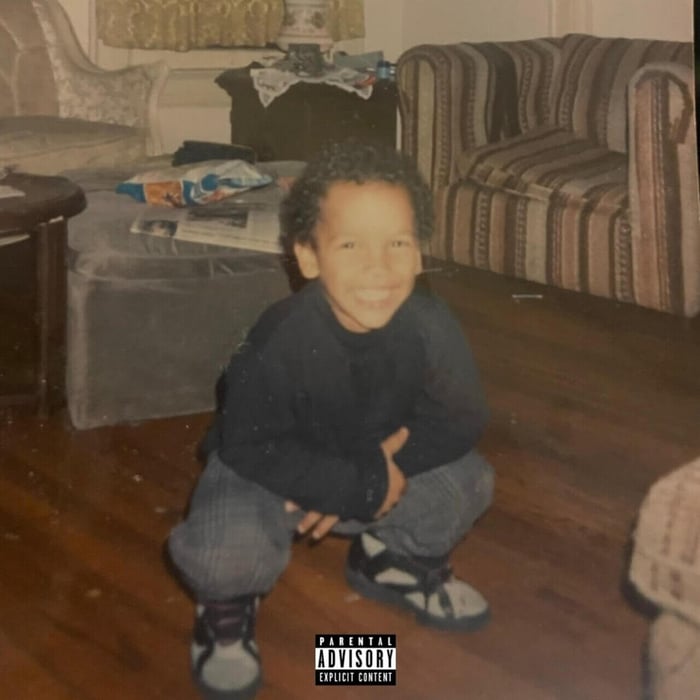
If this album’s cover stuck in your head the way the hooks and gun/Bible tension do, you can always grab a favorite album-cover poster from our shop: https://www.architeg-prints.com — it fits the vibe without pretending it’s wholesome.
 | DISCOUNTGET 30% OFF*Use code on your next order:
|
* This post may contain affiliate links, meaning we earn a commission if you make a purchase through these links, at no additional cost to you.