Jay Worthy Soundtrack Review: A Movie in Your Head, Budget Optional


 See more Architeg Prints stories on Google.
Jay Worthy Soundtrack Review: A Movie in Your Head, Budget Optional
Jay Worthy Soundtrack plays like a flex-heavy film reel with surprise guest cameos—sometimes deeper than it admits, sometimes trapped in its own shine.
A record that moves like it’s late for its own release schedule
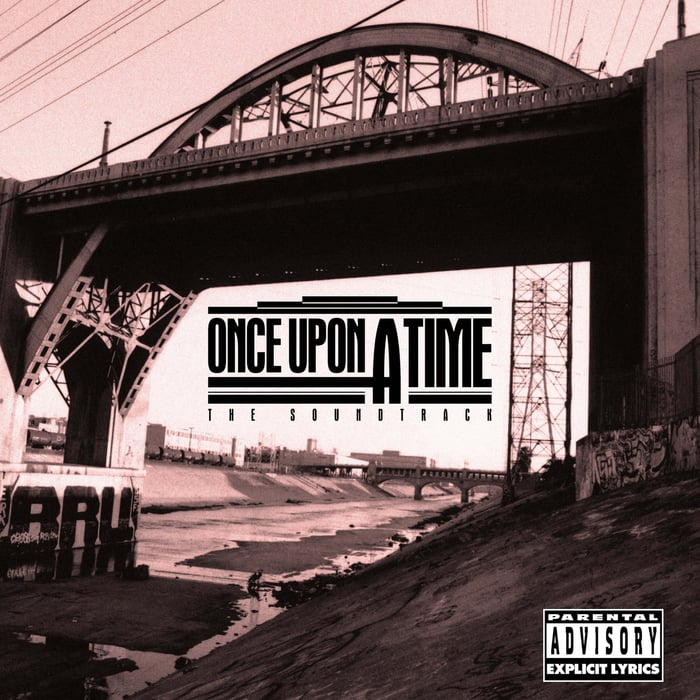
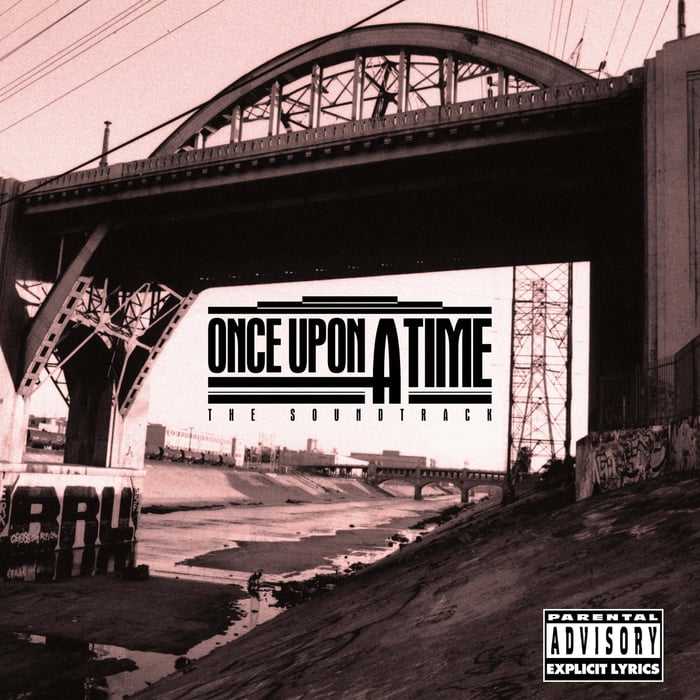
Jay Worthy drops music the way some people check their phone: constantly, casually, and with zero interest in asking permission. Hearing Once Upon a Time: The Soundtrack, I don’t get the vibe of a rapper “building an era.” I get the vibe of a guy who’s treating output as leverage—proof of life, proof of motion, proof that he doesn’t need a major label’s calendar to exist.
And yeah, the independence is part of the story here. You can hear that this is coming from his own house—released through GDF Records, with that stubborn refusal energy baked into the mix. Turning down big-label offers (Warner, Universal, Mass Appeal) isn’t just trivia; it explains why the album keeps circling back to one message: nobody owns the pace except him. A reasonable listener could argue that pace is the problem, not the point—but the project clearly wants you to respect the grind before you even ask for emotional range.
The guest list isn’t decoration—it’s the actual map
Here’s what surprised me: I walked in thinking this would be another Worthy record where the features are nice-to-haves, like rims on an already expensive car. On second listen, the guest list feels more like the engine—and Worthy’s the driver who knows exactly which streets to take.
After a previous double album stacked with bigger, shinier names (DJ Quik, Ty Dolla Sign, E-40, Conway the Machine), Once Upon a Time: The Soundtrack swerves in a different direction. It trades marquee heat for a broader underground reach:
- Shyheim and Method Man repping Staten Island
- Rome Streetz carrying the Bronx
- A$AP Twelvyy sliding in from Harlem
- Boldy James bringing Detroit weight
- Mozzy holding Sacramento down
- Novelist showing up from London—yes, London—without turning into a novelty act
That last one matters. A UK grime MC on a Compton rapper’s project should feel like an awkward crossover episode. It doesn’t. Novelist lands like a real person with a real zip code, which is the running theme: every guest sounds like where they’re from, and those cities stain the verses. The album ends up covering more ground than a lot of rap records that run twice as long, and that’s not because the tracklist is longer—it’s because the voices are.
You could disagree and say it’s just feature-flexing. But the sequencing makes it feel intentional: Worthy’s building a soundtrack the way a director casts side characters to make the world feel bigger than the main role.
“Same Song” and the trick of making grief sound expensive
“Same Song” is where the album shows its hand. Shyheim steps into the scene dressed like a funeral and a robbery at the same time—two-piece Gucci suit over a Teflon vest—and before he even raps, you already see him. That’s not an accident. This track works because it treats mourning like a setting, not a confession.
Shyheim talks like he’s showing up to yet another wake, swearing he wouldn’t do more funerals—but this one was for a day-one. He implies he could name names, but there are too many. Worthy follows that with the blunt math: “Gangsters don’t live that long, it’s still the same song.” It hits because the line doesn’t beg you to feel bad. It just reports the cycle like a weather forecast you’re tired of hearing.
A reasonable listener could say the track leans on imagery more than writing. I don’t hear it that way. I hear two rappers using clothes, location, and ritual to say what they don’t want to say directly.
“I Can’t Relate” is warm on purpose—and that’s rare here
If you’re waiting for Worthy to get personal, “I Can’t Relate” is the moment where the production practically drags it out of him. 9th Wonder gives him something warm—almost forgiving—and Worthy starts laying out a before-and-after that feels less like bragging and more like proof that the escape was real.
He runs the ladder:
- Greyhound buses to first class
- Dorchester Hotels to Beverly Hills
- buying a house in cash
- DJ Quik riding shotgun in his car
Then he names the labels that tried to sign him, one by one, like he’s been holding onto those names just to say them out loud later. That’s the real flex: not “look what I bought,” but “look who didn’t get to own me.”
I’ll admit I wasn’t sure at first whether this track was sincere or just another victory lap with nicer chords. But the beat pushes him into a tone he doesn’t always chase, and it ends up being one of the album’s best arguments for why he keeps working at this pace.
“2night” turns blaxploitation into autobiography, not cosplay
“2night” opens with spoken comparisons that could’ve been corny if they weren’t so specific: Max Julian’s first scene out of prison in The Mack, Rudy Ray Moore trying on linens in a limousine. That’s deep-cut movie worship, and it sets up the bigger point: Worthy isn’t using blaxploitation like a costume rack. He’s treating it like a mirror.
Then he pins his actual coordinates to the wall—West Roy, Central, Rosecrans—and the story snaps into focus: a South Asian kid from Vancouver showing up in Compton at seventeen, joining a Piru set, later buying condos in the Palisades. Those film references don’t float above his life; they sit inside it. The album keeps implying that the “movie” aesthetic isn’t fantasy—it’s how he learned to narrate survival.
Someone could argue that leaning on film mythology is a shortcut when you don’t want to get emotionally specific. Maybe. But the way he drops street names right after the cinematic talk makes it feel less like escapism and more like “this is the language I’ve got.”
Method Man and Rome Streetz quietly steal the scene
“Visions” is Method Man doing what veterans do when they’re not phoning it in: he shows up sounding like he’s actually fighting something. He opens talking about inner demons, with his inner circle pushing for an intervention. He slept in his car, but never slept on his repertoire—then he closes with “Wu-Tang forever, y’all,” and it lands earned rather than contractual.
That’s the thing: the best guest verses here don’t just rap well. They introduce pressure. They bring stakes Worthy sometimes avoids by staying in catalog mode.
On “IF I,” Rome Streetz drops a bar that honestly outpaces anything Worthy says across the whole album: comparing himself to Damian Lillard—“Shoot it from the logo then spit in your face.” It’s not just punchline rap; it’s posture and timing and cruelty in one motion.
You could say that’s unfair—Rome Streetz is built for that kind of line, and Worthy isn’t trying to be that guy. Still, when a guest throws a spear that sharp, the main artist either raises his level or lets the spear define the temperature of the room. Worthy mostly lets it.
Boldy, Twelvyy, and the album’s best “wait, what?” moments
Boldy James on “Rosie Perez” does that Boldy thing—calm menace with street logic that sounds like it was written in a notebook you’re not supposed to see. He says the only time he ran was from the hooks. It’s funny in a dry way, but it’s also an identity statement: he’s not here for catchy comfort.
Then A$AP Twelvyy hits “Mail Order Bride” with a verse that goes somewhere I didn’t expect at all. Instead of the usual flex loop, he pulls family history into frame: an uncle who could’ve been a star, an aunt who won a beauty pageant, and then the line that turns the fairy tale into something bruised—“Cinderella turned tragic, it’s like half my homies bastard.” He even flips the project mentality into royal imagery: handle the projects like Buckingham Palace.
That’s the kind of left turn that makes a “soundtrack” concept actually work. Soundtracks need scenes that change the lighting. Twelvyy does that.
A reasonable listener could argue these guests are doing too much heavy lifting. I’d argue that’s the point: Worthy’s curating tension, not trying to win every moment.
When Worthy isn’t getting out-rapped, he’s building a showroom
So what does Jay Worthy do when the guests aren’t stealing the shot? He catalogs. That’s his home language on this album: inventory as identity.
Across the tracklist, the motifs reshuffle:
- “Checkmate” brings Payroll Giovanni with the chant-like reminder: independent bosses don’t trip about fame
- “The Big 3” has Le$ calling out that “the mackin’ is back”
- “I Wish” puts Worthy shopping in the Palisades and eating thousand-dollar plates
- “Kalifornication” places him courtside with Baron Davis
- watches, foreign cars, women, independence—rearranged like different outfits on the same mannequin
Here’s my mild criticism: after a while, the flexes start to feel like he’s trying to convince himself the lifestyle is still surprising. It’s not that the details are fake. It’s that repetition makes even real luxury sound like a screensaver. I kept waiting for him to twist those images into something sharper—something that only he could say—rather than letting them loop as proof of success.
And yet, the loop is also the thesis: Worthy is showing you a life where the scoreboard matters because it’s the only scoreboard that keeps him safe.
“No Price” is the contradiction he either misses—or likes
“No Price” is where the album steps into darker territory and doesn’t wipe its shoes at the door. Worthy raps about a woman he pimped in Portland, calls her Snow White, says she brought back seven thousand dollars her first night. Two bars later, he says the best things in life cost no price.
That contradiction is loud. It’s the kind of thing you can’t un-hear once it happens. And the wild part is the delivery doesn’t signal regret or self-awareness; it’s stated like it’s all part of the same philosophy.
I can’t tell—genuinely—if Worthy doesn’t hear the moral collision, or if he hears it and simply refuses to moralize. Either way, the moment is revealing. The album wants to be a “soundtrack,” but this is the scene where the camera stops glamorizing the room and catches the ugly corner.
A reasonable listener could argue that rap has always held contradictions like this, and that pointing it out misses the genre’s complexity. Sure. But this one lands so close together that it feels less like complexity and more like a shrug.
Yellowdawg’s praise explains Worthy’s real superpower
Yellowdawg—Compton Westside, with grandparents who bought the house in 1959—calls Worthy “a genius” and “a one of one.” He even brings up the idea of a full album with George Clinton as evidence that Worthy’s reach is unusual.
Whether you agree with the “genius” label or not, I get why someone would say it: Worthy’s sharpest skill might be getting the right people in the room. That’s not a small talent. Lots of rappers can rap. Not many can consistently assemble lineups that feel coherent, not chaotic—especially while staying independent.
And yeah, the guests often outrap him here. But that might be the stealth flex: he’s confident enough to curate verses that could eclipse him, because the album isn’t trying to prove he’s the best rapper alive. It’s trying to prove he’s the director.
A reasonable listener could say that’s an excuse for uneven performances. I’d say it’s the concept: the soundtrack isn’t about the camera loving the lead—it’s about the world feeling real.
Conclusion: a soundtrack that wins on casting, not always on confession
Once Upon a Time: The Soundtrack plays like Jay Worthy building a wide city grid—Compton at the center, but with tunnels out to Staten Island, the Bronx, Harlem, Detroit, Sacramento, and even London. The features don’t just add spice; they change the weather. Worthy, for his part, keeps returning to independence and luxury as if repeating them makes them harder to take away. Sometimes that’s hypnotic. Sometimes it’s a little too comfortable. The best moments are when warmth (“I Can’t Relate”) or darkness (“No Price”) breaks the showroom glass and you glimpse the person inside.
Our verdict: This will hit for listeners who like curated rap worlds—big on cameos, specific on geography, and not needy for an emotional confession every track. If you want the main artist to dominate his own album bar-for-bar, you’re going to spend a lot of time thinking, “Okay, but Rome Streetz just ran past everyone,” and you won’t be wrong.
- Is this actually a “soundtrack,” or just a title?
It earns the name because it moves like scenes with different characters and locations, not just a pile of songs. - Do the guest features overpower Jay Worthy?
Often, yes—and it seems intentional. The album feels curated more than competitive. - What are the standout tracks from Worthy himself?
“I Can’t Relate” shows the most personal weight, and “2night” nails the film-to-street connection. - What’s the most memorable guest moment?
Method Man’s “Visions” feels lived-in, and Rome Streetz drops a Damian Lillard bar that basically fingerprints the track. - Is there anything that doesn’t work?
The repeated luxury inventory can start to blur, and “No Price” lands a contradiction so blunt it may turn some listeners off.
If this album put a particular image in your head—limousines, street corners, neon nostalgia—getting that feeling on your wall isn’t a terrible idea. If you want a clean poster-worthy album-cover print, you can browse options at our store: https://www.architeg-prints.com
 | DISCOUNTGET 30% OFF*Use code on your next order:
|
* This post may contain affiliate links, meaning we earn a commission if you make a purchase through these links, at no additional cost to you.