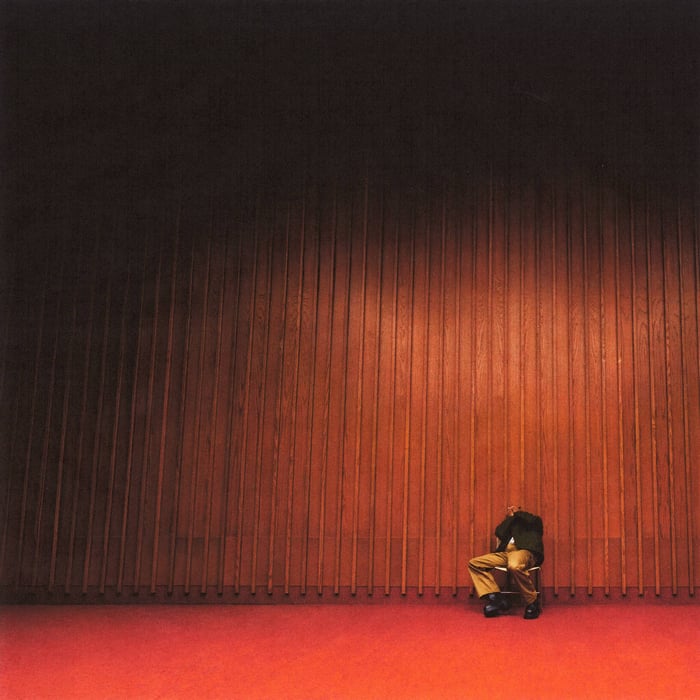
Isaiah Rashad’s It’s Been Awful Review: The “Smile” Note Was a Trap


 See more Architeg Prints stories on Google.
Isaiah Rashad’s It’s Been Awful Review: The “Smile” Note Was a Trap
Isaiah Rashad’s It’s Been Awful isn’t a comeback story—it’s a relapse diary dressed in warm production and soft lighting.
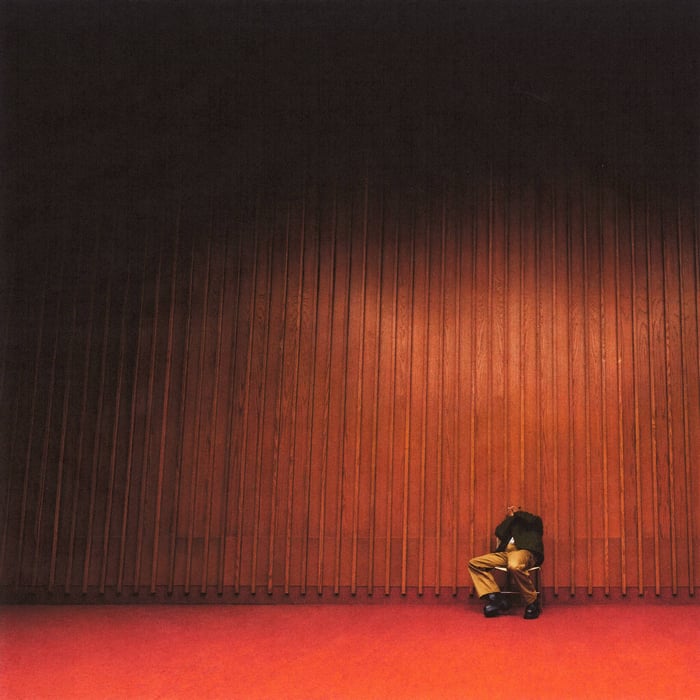
The setup looks comforting—then the album pulls the floor out
You know that feeling when something presents itself like a hug, then turns out to be a confession booth with the lock stuck? That’s It’s Been Awful. I walked in expecting the usual “I survived, I’m better now” arc—because the whole rollout basically nudged you there—and instead Isaiah Rashad hands over a document that reads like it was written with shaky hands and zero interest in being inspirational.
Physical notecards were showing up in TDE merch orders back in April, written in sloppy handwriting like a friend who’s trying not to cry on the page: everybody wants to see you crash out… I just want to see you smile. Sweet, simple, human. And honestly, it’s also misdirection. Because this album doesn’t “smile” so much as it stares at the ceiling at 3:41 a.m. and names everything it can’t stop doing.
Sixteen songs. A pile of substances he can’t quit. A list of people he’s disappointed while using. Not in a neat morality-play way, either—more like he’s tossing his pockets onto a table: there, that’s what’s in me right now.
“Profit over love” isn’t a theme—it’s a shrug he can’t undo
Here’s the line that keeps popping up like a notification you don’t want to open: “profit over love.” It hits on “The New Sublime,” and then it returns on “Happy Hour.” Both times it lands mid-verse, and what’s nasty about it is how casual it sounds—like an errand he forgot to feel guilty about.
Plenty of rappers have said money messed up their relationships. Rashad doesn’t even bother to argue the point. He already knows what he chooses when his family needs him and the road is calling. That’s what makes it sting: no debate, no grand regret speech, just the shape of a decision he keeps making.
On “Happy Hour,” he mentions his doctor warning him that substances have been damaging his heart. That should be the dramatic turning point in a lesser album—the scene where the character reforms. Rashad treats it like another fact in the room, and then keeps chasing money, amphetamines, and affection in the same blurred craving. The song ends with a question that hangs there because he refuses to decorate it with a tidy answer:
He asks what he despises more than himself and what he’s become—and then he doesn’t resolve it. At first I thought, okay, that’s a heavy line, maybe a little too perfectly bleak. But the longer the record goes, the more I realized the point is that he can’t conclude anything. If he tried, it would be fake.
He doesn’t protect his family in the lyrics, and that’s the whole warning label
This album doesn’t just confess—it names names. His mama doesn’t want drugs in the house. She says he’s got a death wish after he gets so drunk he calls her from his car, smoking to the Isley Brothers all night. You can hear how normal that must’ve felt to him at the time, which is kind of terrifying. And her tears don’t pull him back.
Then the sister goes to jail. Three kids stand at shows while he’s describing pouring liquor in the shower. He says he’s trying to be a better example—then admits that the last time he claimed sobriety, he was lying.
I lost count of how many family members get dragged into the frame. And that’s not because the writing is sloppy—it's because he’s doing this on purpose. He spares exactly zero of them, which is either brutally honest or borderline reckless depending on how you feel about autobiographical blast radius. A reasonable listener could argue he overshares. I’m not even sure I disagree. But it also feels like the album’s central move: he won’t let himself hide behind cool.
“Act Normal” is where the album admits the damage started early
The track that made me sit up was “Act Normal,” because it doesn’t posture. It just unloads.
He places himself at twelve years old, in the back of a room on a Macintosh, and somebody asks if he wants to see “some nasty shit.” He talks about his daddy keeping a stash behind a locked bedroom door. He says the entire family turned out to be sex addicts. He says his mama was in love with her best friend and was “dodging those feelings.”
And the beat? A sluggish Southern groove—the kind of warm, familiar cookout tempo that usually exists to make you feel safe. That choice is vicious. It makes the content worse because it sounds like a place you’re supposed to relax, except he’s telling you what got normalized in that room.
Then he asks something that doesn’t sound rhetorical so much as stranded: what is love when you don’t trust a boy or a girl? And then—like a command he’s been hearing his whole life—act normal.
By verse two he’s eighteen, “fucking for sport,” running from love, tossing off “the rapper is a porn star” like it’s weather. The argument underneath is ugly and plain: exposure warps you early, and it doesn’t always look like trauma in a movie. Sometimes it looks like you laughing it off on a beat that sounds like Sunday.
“Boy in Red” pretends to be smooth, then SZA shows up with the bill
After all that, “Boy in Red” almost tricks you into thinking the album is about to become flirtatious, even playful. Rashad offers to be someone’s boyfriend—and if that doesn’t work, he offers to be their girlfriend. He says both with the same ease, the same invitation to stay the night, like identity and intimacy are costumes he can switch depending on what gets the door to open.
The chorus floats. He sounds comfortable in the haze. And then SZA’s verse walks in like somebody turning on the kitchen light.
She’s been drinking. She’s pissed. She’s tired of him disappearing with his boys and coming back horny like that’s an apology. She asks, “Ain’t you tired, my poor friend?” And her exhaustion lands harder than anything Rashad says on the track—because he’s already told you who he is and kept going, like the conversation will eventually fix itself without him showing up.
If you think Rashad “loses” this song to SZA, you’re not wrong. But I also think that’s the point: he’s building a world where other people are more awake than he is.
The sobriety talk keeps circling because he can’t land the plane
A lot of albums about addiction are actually albums about recovery with dramatic lighting. It’s Been Awful doesn’t do that. It keeps bringing sobriety up, then slipping away from it, like trying to grab a bar of soap in the shower.
Specific moments keep stacking:
- “The New Sublime” warns that romanticizing Percocets might trigger a relapse—like he’s talking to the listener and himself at the same time.
- “M.O.M” says don’t do a line, and then two bars later it’s pop two… wait… don’t overdo it. That contradiction isn’t clever; it’s the sound of someone bargaining in real time.
- “Scared 2 Look Down” frames quitting like the eighth attempt, which is a brutal detail because it treats failure as routine.
- “Do I Look High” admits methamphetamines have been messing with his mind.
- “Ain’t Givin’ Up” counts rehabs like tally marks.
Then “SUPERPWRS” really lays out the mess: he stacks confessions with no resolution. How he made it through the bullshit? He has no idea. How he got sober, then messed up, then got clean again? No explanation. Whether he loves the same on substances? He leaves it open.
And I’ll be honest—I kept waiting for the album to finally say something about all this, like a thesis statement. On second listen, I realized the lack of arrival is the thesis statement. Rashad genuinely doesn’t have an answer, and he releases the record anyway. That’s either brave or irresponsible, depending on your tolerance for unresolved self-portraits.
“Cameras” breaks the fourth wall because he can’t stand himself for a minute
Midway through “Cameras,” Rashad stops rapping entirely. The song cracks open and you can hear him talking to someone in the studio:
“Niggas be making shit just to get out my fucking head... I’m talking to myself now?”
Then he laughs, like he surprised himself with how bleak that sounded.
And then he asks everybody—though it really sounds like he’s asking himself too—to try being lighthearted for a minute.
This is one of those moments that’s easy to romanticize as “raw.” But it’s also kind of awkward, like walking in on someone trying to calm down in public. I’m not sure it fully works as a listening experience the first time. It interrupts the flow. It drags you out of the music.
But it also reveals something important: the album isn’t carefully curated misery. It’s him using songs as a way to stop thinking for a second. That’s not the same thing as making art for you. It’s closer to self-medication with a microphone.
The production is the glue—and maybe the trick
If this record holds together at all, it’s because the production choices act like a consistent room temperature. KTC produces half the tracks, and Julian Sintonia leaves marks on ten more. That pairing gives the album continuity the lyrics almost refuse to provide.
That matters because Rashad is shoving wildly different content into adjacent spaces—crystal meth confessions next to love songs next to freestyles—and the production keeps it from feeling like a playlist of breakdowns.
Here’s my mild gripe: sometimes the smoothness of the sound makes the album feel safer than the writing deserves. Like the beats are offering a blanket right when the lyrics are trying to yank it away. Maybe that’s intentional—a sonic version of denial. But there were moments I wanted the music to get uglier, to stop cushioning him.
Still, certain lines stick even after everything else fades. On “SUPERPWRS,” there’s a run where he tells someone that if he doesn’t change his ways, it’s over. Then he drops this quietly panicked little human moment:
“Damn… you don’t wanna be my friend no more?”
A few bars later he admits the truth that undercuts every vow on the album:
he says he’s never going back, but then again, he doesn’t know.
That’s the whole record in two sentences: promise, then doubt. And the doubt is louder.
The tracks I keep going back to (even when I shouldn’t)
Looping this album doesn’t feel like “fun,” exactly. It feels like rereading a text thread you swore you deleted. But a few songs keep pulling me back because they reveal the album’s real mechanics:
- “Do I Look High” — because he doesn’t glamorize the meth haze; he just admits what it’s doing to his mind.
- “Act Normal” — because it shows the damage as a family system, not a solo habit.
- “Happy Hour” — because the doctor warning and family pain don’t trigger a turnaround; they just sit there while he keeps moving.
If you want the neat version of Isaiah Rashad, this isn’t it. If you want the version that says the quiet part into the mic and then leaves it there, unfortunately, you’re in the right place.
Conclusion: this isn’t redemption—it’s evidence
It’s Been Awful plays like Rashad leaving the door open to a room he probably should’ve kept private. The notecard sentiment promised warmth, but the album itself is what happens when warmth fails—when love, family, and even fear can’t outvote appetite. I came in expecting a comeback narrative, but I left thinking he made something riskier: a record that doesn’t clean itself up for company.
Our verdict: People who like messy, unresolved rap confessionals—where the hooks float but the lyrics don’t pretend—will actually like It’s Been Awful. If you need your albums to “learn lessons,” tie bows, or at least pretend Monday will be different, this one will annoy you. It’s not here to motivate you; it’s here to tell on itself.
FAQ
- Is It’s Been Awful a recovery album?
Not really. It talks about sobriety, relapse, rehabs, and damage, but it refuses to deliver a clean “I’m healed” ending. - What does “profit over love” mean in the context of the record?
It sounds like Rashad admitting—without drama—that he keeps choosing money and motion even when it costs relationships. - Which song hits the hardest emotionally?
“Happy Hour,” because the health warning and family pain don’t trigger a turnaround; they just sit there while he keeps moving. - What’s the most revealing moment on the album?
The break in “Cameras,” when he stops rapping and basically admits he’s making music to get thoughts out of his head. - Does the production clash with the subject matter?
Sometimes. The smoothness holds the album together, but it can also soften the blow when the lyrics are trying to be blunt.
If this album’s mood sticks with you, it might be worth putting that feeling on your wall—album art works best when it’s a little confrontational. You can shop your favorite album cover poster at our store: https://www.architeg-prints.com
 | DISCOUNTGET 30% OFF*Use code on your next order:
|
* This post may contain affiliate links, meaning we earn a commission if you make a purchase through these links, at no additional cost to you.