BERNARR Album Review: Durand Bernarr’s 17-Track Flex (Too Much?)


 See more Architeg Prints stories on Google.
BERNARR Album Review: Durand Bernarr’s 17-Track Flex (Too Much?)
BERNARR album turns a Grammy win into a sprawling personality test—funny, heavy, and occasionally padded. Here’s what it’s really doing.
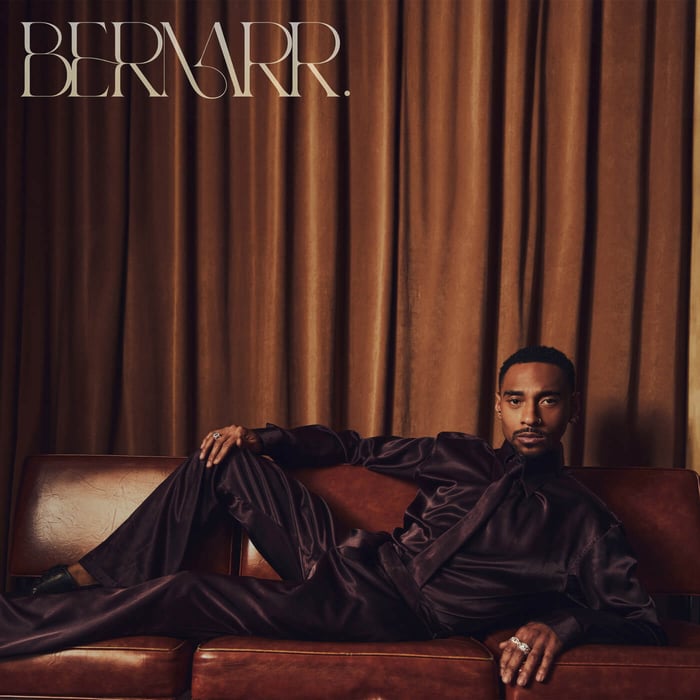
A 17-track album that dares you to keep up
Seventeen tracks is the kind of number artists choose when they want to prove something—usually to themselves. The BERNARR album feels like Durand Bernarr walking back into the room after winning Best Progressive R&B Album for BLOOM and saying, calmly, “Cool. Now watch me do it bigger.”
At first, I thought the size was just victory-lap bloat. On second listen, it hit me: the sprawl is the point. This record goes wide on purpose—funk, slick dance-floor stuff, couch-confession therapy talk, yacht-rock flirtations, and love songs in multiple temperatures. It’s not trying to be one perfect statement. It’s trying to be a whole person, loudly.
And yeah—most of it works. A surprising amount of it is genuinely great. The best parts also tend to come from angles R&B albums don’t usually bother with, which makes the whole thing feel less like a “follow-up” and more like a power move.
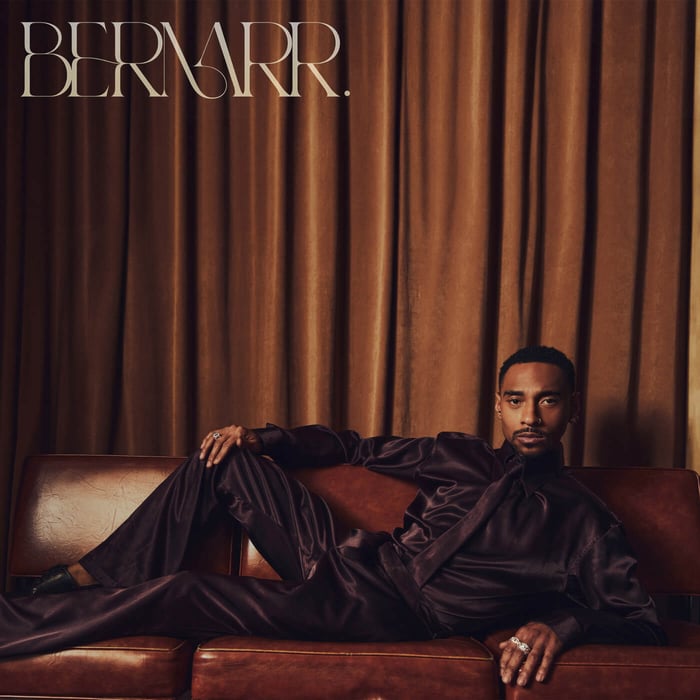
Image credit: Courtesy of Durand Bernarr / DSING RECORDS / Create Music Group Inc.
The comedy tracks aren’t jokes—they’re receipts
The album slides into humor the way some singers slide into falsetto: like it’s just part of their speaking voice. “Sugar Family” is the first real tell that Bernarr isn’t using comedy as garnish—he’s using it as a delivery system for real-life pressure.
He’s talking about money, but not in the usual “stunting” way. Gas is so high he has to pray just to drive. Eggs almost take him out. Daddy’s American Express is “pressed.” And then the chorus lands on a pun that’s so obvious it should collapse in on itself:
This jam needs bread… your cousin, your auntie, your brother, everybody chip in.
It shouldn’t work because it’s corny on paper. It works because the details around it feel lived-in: big Reggie, Aunt Kitty, that brother who has bills too. It’s a family song and a recession song at the same time, which is exactly what real life feels like—laughing while your bank app loads.
Then “SHARP!” comes in with a Chic-inspired strut, and Bernarr drops one of those lines that’s ridiculous until you realize he means it. The standout lyric is about somebody’s parents getting together “for a night of heated fellowship” and accidentally creating a masterpiece. It’s sweet, it’s filthy in a polite suit, and it’s way more memorable than most “sexy” songwriting because it’s actually specific.
The punchline here is that the album isn’t trying to be funny. It’s being funny about things that are already true.
“EFFORT.” turns relationship failure into a workout routine
The next bridge from humor into something sharper is “EFFORT.” It’s dance-driven, but the cadence is basically a gym instructor counting reps—like Bernarr decided the only way to talk about romantic laziness is to make you sweat through it.
The central read is brutal because it’s said with a grin:
I don’t think you tried hard enough last night / thought you came in heavy, but it gave light.
That’s not even a diss. That’s an assessment. The song keeps escalating until the joke turns literal and starts handing you a wellness checklist:
- go outside
- touch some grass
- extend your life
- maintain your spine
- hydrate daily (more than twice)
It’s funny, sure, but it’s also the album admitting something a lot of love songs dodge: sometimes the problem isn’t betrayal or destiny—it’s effort. Someone didn’t show up. Someone didn’t try. And now you’re stuck doing motivational speaking just to get basic participation.
If there’s a mild problem with this stretch of the record, it’s that the cleverness occasionally risks becoming the main event. Bernarr flirts with turning the song into a skit. He usually pulls back in time, but you can hear the temptation.
When the record gets serious, it doesn’t change tone—it changes oxygen
The emotional pivot doesn’t arrive with a dramatic announcement. It just quietly lowers the ceiling.
“sleep” lands with that exhausted question that sounds like it came from a calendar full of obligations:
What did I say yes to?
And then it insists there’s still so much left to do, which is the worst part—because that’s how burnout works. You’re tired, you’re still ambitious, and your body is filing complaints.
“Undivided” (produced by Bongo ByTheWay) takes that same resource-depletion idea and turns it into an apology for being unavailable. The phrasing is clean and painful:
Wish that I could give you time, but it’s something that I can’t provide right now…
I wanna give my attention, my capacities won’t let me divide right now.
Time gets treated like money on “Sugar Family”—a resource already spent. That’s the thread tying the album together more than any single genre choice: this record keeps measuring modern life in units you don’t have enough of.
Then “Am I Okay?!” goes full therapist’s couch. Bernarr says he’s run out of fucks. He says his heart is in a rope. He asks to be pulled up. He asks to be shown how to get home. It’s not dressed up in poetic fog, either—it’s direct in a way that can feel uncomfortably close.
I’m not totally sure whether the track is meant to sound like a breakthrough or a breakdown. Maybe it’s both. Either way, it doesn’t feel like “vulnerability” as branding. It feels like a session where you talk fast because if you pause, you might start crying.
“AYO!” with BJ the Chicago Kid circles the same territory with a looser grip. It tosses off a line that sounds simple but sticks:
Turbulence comes with flying, it’s not rocket science.
And near the end it delivers the kind of plainspoken acceptance that hits harder because it refuses drama:
The devil didn’t do it / Life just happens / We all got issues / Grab your tissues.
That’s not a punchline. That’s a shrug that still hurts.
The title is a dedication, but the album doesn’t turn into a shrine
The BERNARR album is named after Bernarr Ferebee Sr., Durand Bernarr’s father. “River” opens by planting that flag:
Papa wasn’t a rolling stone, but he taught me to move like water…
Mama said chase your dreams ‘cause she knew I could go much further.
Then the song flips into self-affirmation that doesn’t sound like a poster. It sounds like someone remembering what they were taught and deciding to believe it today:
You better move out of the way, I’m like a mighty river.
The dedication is on the cover, and emotionally it stays there too—present, grounding, but not milked for melodrama. Bernarr doesn’t make the album a memorial. He makes it a surname—something you carry while you live your actual messy life.
That choice matters. It keeps the record from turning sentimental when it could’ve easily taken that route.
“HELLO!” is the victory lap—and it’s better when it’s not trying to be clever
“HELLO!” is Bernarr wearing the moment plainly, and honestly, that’s when he’s most convincing. He hits you with a Sally Field riff—“Look ma, they really like me”—but the real weight comes right after:
state of twenty years, thank those joyful tears.
That “twenty years” doesn’t feel like a random number. It feels like a timeline. Bernarr started posting YouTube covers in 2008 and didn’t hold a Grammy until 2026. The song carries that delayed-arrival energy—like joy that had to survive a long wait without turning bitter.
The bridge chants “Do your big boy” with a giddiness nobody could fake. That’s the sound of someone letting themselves celebrate.
The second verse dips into math metaphors—“Four plus four equals eight / So if you slow you better get up out my way”—and that part lost me a little. It feels like filler compared to the rest of the song’s emotional honesty. But maybe that’s the point too: even the filler is a sign of someone refusing to edit their own happiness into something cooler.
The love songs go soft—sometimes too soft
After all that personality and tension, the love-song run comes in quieter, like the album turning the lights down and trying not to spook the mood.
On “BLOOM” (the song, not the previous album), Bernarr asks for “permission to have my way with you, even if I already have the answer,” then adds a detail that tells you what kind of lover this narrator wants to be:
I crave to be in agreement intellectual first.
And then he drops the line that’s equal parts confidence and consent-forward theater:
I am the safe word, you couldn’t be safer.
“Wild Ride” with James Fauntleroy has an easy, tossed-off looseness—“I don’t care where we go… just go”—that keeps the chemistry breezy instead of overperformed.
“soft.” with Khalid and “My Life” settle into gentler phrases—“Isn’t it nice, all this gentleness” and “Baby, can’t you see this is heaven.” Bernarr sounds genuinely at ease inside them, which is its own achievement.
But I’ll say it: these gentler moments don’t cut as deep as the album’s sharper writing. They’re pleasant, and sometimes that’s enough, but placed next to songs like “Am I Okay?!” they can feel like padded pillows after a real conversation. Not useless—just less necessary.
“10,000 Lifetimes” with Sevyn Streeter closes the love-song stretch with “Our love is off the chain,” and Streeter’s verse gives the duet the physical specificity some of the softer ballads avoid—she’d have him “tatted on my chest so you know it’s yours.” That detail alone adds muscle.
The guest verses don’t decorate—they jolt the record awake
The features on this album don’t feel like label obligations. They feel like strategic energy injections.
Big Sean on “Waiting” delivers the liveliest guest verse here. He’ll be “fair like cotton candy and teddy bears and Ferris wheels,” and then immediately swerve to:
your auntie house, your mama house, we can do it like nobody’s there.
That whiplash—carnival to bedroom—gives the song a kind of reckless momentum nobody else matches on the record. It’s like the track suddenly starts moving faster than it should, and somehow that’s what makes it fun.
Vic Mensa on “Homesick” pulls a similar trick with punchy lines—running off like a dad on Maury, knocking out like Tyson Fury, quick-fast-in-a-hurry. It’s cartoonish, but it’s delivered like anxiety wearing a costume.
And then “I Found Myself” hits with a quieter kind of gut-punch. He admits he hated everything that made him who he is, then describes learning his breath—“inhale less than exhale”—and centering himself. The second verse says he looked in the rearview to see who he had to leave behind, and it broke his heart.
That’s the advantage of an album this big: it can hold jokes about grocery prices and then turn around and leave you with a line about grief you can’t unhear. The project keeps pairing extremes, like it’s insisting your life is allowed to contain all of it at once.
Daddy tried his best. But yeah—that American Express is still pressed.
Where this album actually wins: it refuses to be “one thing”
The boldness of the BERNARR album isn’t just the track count. It’s the decision to let the record be contradictory in public.
It’ll make you dance and then hand you tissues. It’ll flirt and then talk about capacity limits like a burnt-out adult trying to sound polite. It’ll do funk pastiche, then sit you down for a therapy monologue. That shouldn’t hang together. It does—mostly because Bernarr sounds like the same person in every room.
If I have a lingering doubt, it’s whether 17 tracks was the cleanest way to make this point. There are moments—especially when the writing turns “clever” instead of “true”—where the album feels like it’s proving it can do everything, not proving it needs to. But the swing is still more interesting than the safe version of this record would’ve been.
Conclusion
The BERNARR album is Durand Bernarr refusing to act like a Grammy win means he should simplify. Instead, he expands—into humor, exhaustion, family legacy, romance, and self-repair—without sanding off the weird edges that make him feel human.
Our verdict: People who like R&B with actual personality—jokes that sting, confessions that don’t beg for applause, and grooves that don’t apologize—will eat this up. If you want a tight, minimal, playlist-optimized little “vibe,” this record will feel like someone talking too long at the table… and somehow still being right.
FAQ
- What is the core idea behind the BERNARR album?
It treats modern life like a budget: money, time, attention, and emotional capacity all get spent—and the songs keep counting the cost. - Is the album mostly funny or mostly serious?
Both, and that’s the point. The funniest tracks are built on real stress, and the serious tracks don’t suddenly turn theatrical. - Which tracks hit the hardest on first listen?
“Sugar Family,” “Am I Okay?!,” and “EFFORT.” are the instant-grab moments because they’re specific, bold, and unapologetically themselves. - Do the guest features matter or are they just extra names?
They matter. Big Sean and Vic Mensa, in particular, change the energy of their songs instead of politely blending in. - Is the 17-track length justified?
Mostly. The variety is the statement. But a few lines and moments feel like they exist because the album had room, not because they had to be there.
If this album’s cover (and the whole “name-as-legacy” thing) stuck with you, a good poster is basically the grown-up version of replaying your favorite track. You can shop album cover prints at our store: https://www.architeg-prints.com
 | DISCOUNTGET 30% OFF*Use code on your next order:
|
* This post may contain affiliate links, meaning we earn a commission if you make a purchase through these links, at no additional cost to you.