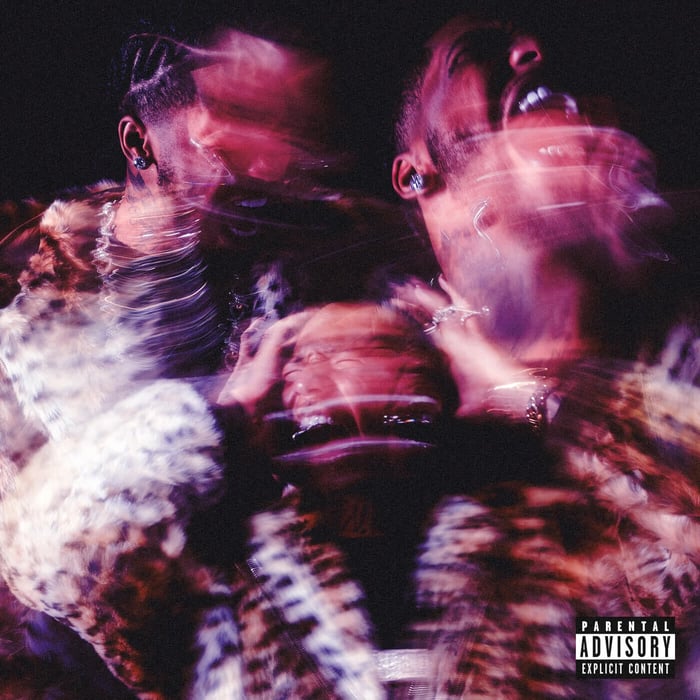
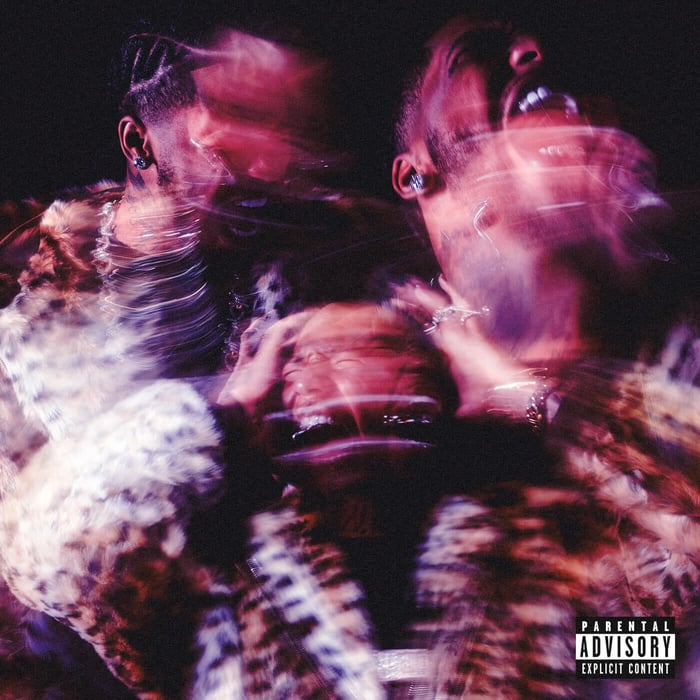
Key Glock Project X Review: 20 Tracks of Flex—Too Calm to Be Safe


 See more Architeg Prints stories on Google.
Key Glock Project X Review: 20 Tracks of Flex—Too Calm to Be Safe
Key Glock’s Project X turns routine bragging into a weirdly disciplined ritual—until the cracks show and the album finally admits what it’s costing.
A quick reality check before the music even starts
Before I even got to track one, the context hit hard: Tay Keith (Brytavious Lakeith Chambers), who produced or co-produced five songs here, died in Nashville on June 18, 2026—one day before the album dropped. He was 29, and early reports said no foul play was suspected, with no cause determined at the time. That fact doesn’t “color the vibe.” It changes the temperature of the room. You can hear the album as entertainment, sure, but you also end up hearing it as a document—something finished right as someone important vanished.
And that makes the record’s emotional restraint feel less like style and more like survival.
Project X’s real concept is repetition—and Key Glock commits to it
Here’s what Project X is actually doing: it reduces life to a tight loop—money, motion, codeine, and a rotating pile of aliases—and then dares you to call it boring. The trick is Key Glock’s delivery: clipped, detached, almost like he’s reading off a checklist he’s memorized so well he doesn’t need to feel it anymore.
At first, I thought that flatness was going to kill the whole thing. Twenty tracks of the same emotional posture sounds like homework. But on second listen, I realized the point: he’s building a world where the voice never flinches, because flinching would imply the world can hurt him. That’s the whole flex—emotional immovability as luxury.
Still, the album puts all the weight on the rapping to carry that narrow aesthetic. When the writing hits, it feels locked-in. When it doesn’t, the minimalism turns into a blank wall.
He shows growth in tiny details, not big speeches
The progression on Project X doesn’t come as some cinematic “look how far I’ve come” moment. It leaks out in quick specifics—food stamps, YouTube money, the little receipts of a life that’s changed while he’s pretending it hasn’t.
On “Mannish,” he says he’s grown, flashes jewelry, mentions the codeine stashed away, and even slides in a Nelly reference without changing that steady tone. That’s Key Glock’s whole game: he’ll toss something pop and bright into the middle of a cold, grayscale delivery, like he’s testing whether you’re paying attention.
Then there’s “Hardknock,” where the beat gets more percussive and Glock stays calm anyway, saying he was born for greatness, that Kush is basically his cologne, and—almost casually—that he’s stopped at late-night Taco Bell while living what he calls “the hard knock life.” That last line shouldn’t work. It’s too famous, too easy. But the song survives because the details around it are too specific to feel generic. He’s not quoting a slogan; he’s stapling it to his routine.
On “Sick,” he dips into a quick memory—watching The Young and the Restless with his grandmother—then snaps right back to flex mode, describing his chain like “Niagara Falls.” That whiplash is the real tell. Sentiment shows up, and he immediately covers it with diamonds.
And “Big 5” is him planting his flag: bonded to money, not compromised by any woman, heart cold like a Dairy Queen Blizzard. It’s funny in that deadpan way where you’re not sure if he’s trying to be clever or if that’s genuinely the cleanest metaphor in his head. Either way, it sticks.
The after-hours tracks feel like his natural habitat
Once the album slides into late-night territory, Glock starts sounding comfortable. On “6AM,” he’s casually listing firearms, drugs, and women in the house, and then drops Carti into the scene like he’s just another piece of furniture. The party isn’t a climax—more like background noise he’s learned to live inside.
“Drug Luv” blends expensive indulgence with intimacy, and the “mud” detail matters because it’s not described like a problem; it’s described like transportation. One dose and he’s on Mars. The air gets thick, and the track refuses to crash into guilt or consequence. That’s a choice, and it’s kind of the album’s thesis: no comedown allowed.
On “Loco,” the scene gets even more blunt—his little brother is pill-stupid next to him, he’s got a temporary girl, and Cutthroat La Familia is making threats that sound life-changing. Then Glock makes the priority clear: money still reigns, even when everything else is wobbling. That isn’t “cold.” That’s training.
The best flex songs hide punchlines like they’re contraband
When Glock leans into pure bragging, the strong tracks aren’t just lists—they’ve got a little sting at the end, like he knows a flex without a punchline is just accounting.
On “Face Down,” he comes in commanding, then flips into this line about everyone eating good with the brothers like they should’ve had the last name Jonas. It’s so oddly specific it forces you to picture it, and that’s why it works. He’ll make a joke out of the whole thing with a bent Glock, and suddenly the luxury feels slightly unhinged instead of polished.
Then it’s twenty cars, no lease—this “pile up” lifestyle where excess isn’t the reward, it’s the default setting.
“50 Hoes” is Glock stacking women, rent money, designer clothes—then dropping the bluntest creed on the album: he hasn’t changed. That line could’ve been corny, but he delivers it like a shrug. Not a reinvention. Not an arc. Just the same guy with bigger numbers.
“Cherry on Top” gets more aggressive: the cup going around the car and back again, Gen 5s out, a diamond-plated machete hanging on the wall, and the brother’s body counts coming up like it’s casual conversation. That’s where the album gets a little nauseating on purpose. It’s not trying to be “dark.” It’s trying to show how normal the darkness has become.
I’m not going to pretend all of these flex tracks land equally, though. A few run long in the mouth. Sometimes the same cold tone that makes him sound powerful also makes a song feel like it’s walking in place.
When he warms the tempo, the record finally starts to ride
The album gets more interesting when the tempo eases up and the songs stop stomping so hard. That’s when Glock sounds like he’s letting the beat carry him instead of just standing on it.
“Mannie Fresh” is where he’s at his best—Cash Money feel in name and bounce, telling people to have a Roll, describing ecstasy like jelly beans, slipping in a clean Memphis line, then giving you the detail about how hard it is not to bring drugs back into the area. That last part matters because it’s not a brag—it’s a constraint. Like the city itself is a trigger.
“Houston Flow” rounds out the bass for cruising, and then—right when the vibe could’ve turned dreamy—he yanks it back to dough numbers, even dropping a San Andreas reference and talking about figures going up to eight. I kept waiting for him to stay in that cruising pocket longer. He doesn’t. He wants the comfort, but he doesn’t trust it.
And “Benzo” leans into humor: a Steve Urkel and Carl Winslow bit for a quick laugh, Chrome Hearts out, .45 riding shotgun. It’s not “storytelling,” it’s Glock reminding you he can be playful without ever sounding soft.
“SRT Muzik” is where the album shows its ugliest skill
This record’s most revealing moment is “SRT Muzik.” He names the cars—Demon, Maybach—throws in a line about charging a girl for his time, then suddenly breaks his own bragging rhythm.
He stops cold, throws up a big M, calls his girl his world… and without even pausing, turns around and says:
“Daddy’ll kill the whole world.”
That’s the album in one move: love sitting right beside hate, inch for inch, with no breath between them. And the part that’s genuinely unsettling is how identical the tone is. Right before that, he’s talking about leaving brains on the curb—same even cadence, same calm. Then he pivots into devotion, then into cartoonish violence, and the track ends in a blaze of hyperbole that’s both profound and ridiculous.
I’m honestly not sure if he meant it to sound that existential, or if it’s just his version of being dramatic. But either way, it’s the moment where Project X stops feeling like a playlist of flexes and starts feeling like a person refusing to process anything.
The flex breaks sometimes—and those are the moments worth keeping
Every so often, the armor slips. Those are the tracks you don’t forget.
On “Faded,” he’s high, codeine “thicker than the plot,” and then he admits:
“I lied, I said I’ll stop.”That line hits because it’s not delivered like a confession. It’s delivered like a status update. And that’s sad in a way Glock’s music usually avoids—pain stored in the bones and eyes while he’s still trying to get the most out of the night.
“Seeing Red” isn’t sunrise music either. He’s grabbing pills first thing, then flipping “red” into money and sex. That’s not a metaphor; it’s a routine. It makes the album’s earlier luxury sound less like winning and more like maintenance.
Then the closer, “Reminiscing,” finally opens the valve. Glock thinks about his brother, Young Dolph (killed in 2021), and the whole track feels like payment—dues collected for everything that came with “getting the money and the bread.” He runs through coming up from the mud, pleading to God for a thug’s love, seeing his own burial, imagining his daughter hearing his car go “vroom.” It’s catharsis, but not relief. More like he’s saying: this is what the life costs, and yes, I’m still paying.
When the formula gets too strict, the album starts looping on itself
Stack enough tracks built from the same ingredients and eventually a few of them start to blur.
“Dummy” is the clearest example: he stays flat and monotonous, looping the title, describing counting money like meditation. That might be the point—money as mantra—but the song still feels like it’s trapped in its own hallway.
“Work It” plays like a strip-club chant designed for a DJ to flip into a crowd tool. Efficient, functional, but not exactly alive.
And then there’s “Go,” the one that clearly has “hit” energy even if you’re not deep in Glock’s base. One spoken sound anchors everything—hook, verse, rhythm—and the power comes from how forcefully he throws it. That’s the difference: when the minimal trick has real force behind it, it becomes hypnotic. When other tracks try the same move without enough substance underneath, it lands with a thud.
Where this lands: above average, but not invincible
By the end, Project X feels like a deliberate exercise in control—control over tone, over emotion, over narrative, over the urge to explain. It’s impressive, and it’s also the reason the weaker moments feel extra exposed. When your whole album lives inside a tight frame, any dull bar or dragged-out hook shows up like a stain on a white shirt.
My favorite tracks ended up being the ones where the persona cracked just enough to let a real human silhouette show through:
- “Mannish”
- “Faded”
- “Reminiscing”
Project X doesn’t try to be your friend. It tries to be consistent, like a locked door that never opens all the way—even when you can hear someone breathing on the other side.
Our verdict: If you like Key Glock when he’s calm, clinical, and basically treating luxury like a job, you’ll love Project X—especially the tracks where he slips and admits the cost. If you need big emotional range, varied flows every song, or hooks that do backflips, this album will feel like staring at a diamond for an hour: shiny, expensive, and eventually a little exhausting.
FAQ
- Is Project X a sad album or a flex album?
It’s a flex album that keeps accidentally revealing sadness, especially on “Faded,” “Seeing Red,” and “Reminiscing.” - What’s the core sound of Project X?
Detached, matter-of-fact rapping over beats that favor precision—percussive stomp when it’s aggressive, rounded bass when it wants to cruise. - Which tracks show Key Glock’s best writing here?
“Mannish” for detail, “SRT Muzik” for the jarring emotional pivot, and “Reminiscing” for the clearest personal weight. - Does the album get repetitive?
Yes. “Dummy” and “Work It” show how the same flat tone can turn hypnotic into monotonous if the lyrics don’t add enough edge. - Where should a new listener start?
Start with “Go” for the pure hook-force, then “Faded” to hear the mask slip, then “Reminiscing” to understand what the album’s been avoiding saying.
If this album’s icy discipline stuck with you, a poster of your favorite album cover is basically the grown-up version of leaving it on repeat. You can pick one up at our store: https://www.architeg-prints.com
 | DISCOUNTGET 30% OFF*Use code on your next order:
|
* This post may contain affiliate links, meaning we earn a commission if you make a purchase through these links, at no additional cost to you.