YG Gentlemen’s Club Album Review: A Suit, a Smile, and a Loaded Gun

 See more Architeg Prints stories on Google.
YG Gentlemen’s Club Album Review: A Suit, a Smile, and a Loaded Gun
YG’s Gentlemen’s Club turns flex-rap into confession—then dares you to laugh. It’s swagger with bruises, and “Gentlemen’s Club” is the point.
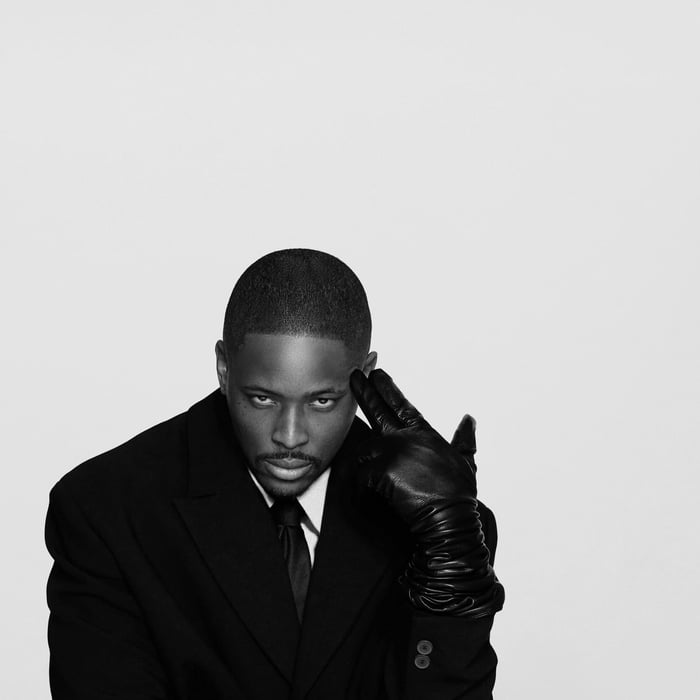
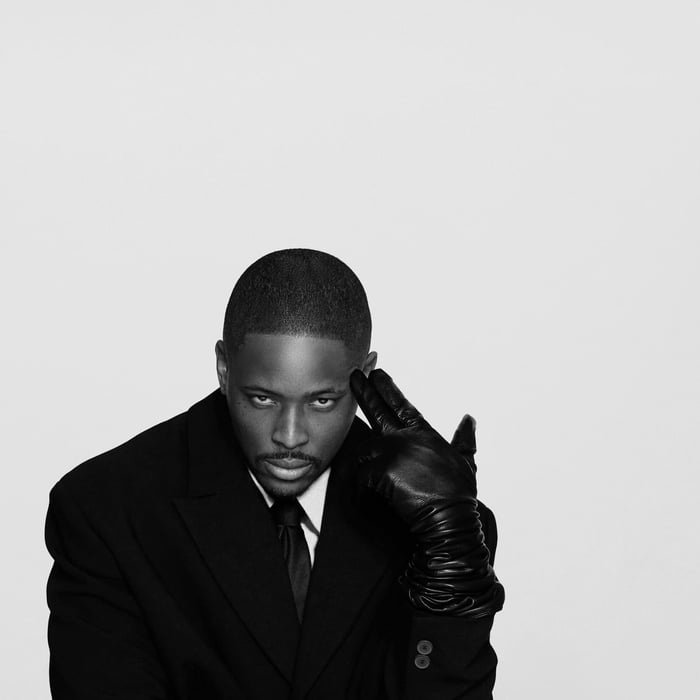
Courtesy of 4Hunnid/10K Projects.
A Quick Content Note Before the Music Starts Swinging
Let’s not pretend this is light listening: this review touches suicide and self-harm, child sexual abuse, transphobic violence, and graphic violence.
The Suit Isn’t Fashion—It’s a Disguise
The first thing this album does is show up dressed better than it feels inside. People keep asking why the man’s in a perfectly fitted suit, like it’s a style choice. It doesn’t land like style. It lands like armor—like he’s decided the only way to say any of this out loud is to look “presentable” while doing it.
The whole Gentlemen’s Club framing works like a ringmaster introduction: tonight’s entertainment, tonight’s rules, tonight’s earned space. And that word—earned—matters, because this record keeps circling women, money, and threat like they’re the only currencies that ever counted. What surprised me is how much the album’s real subject isn’t any of those things; it’s what got buried underneath them.
I kept thinking about the choice to surface “2004” during the rollout—his childhood survival of sexual assault—even though the track doesn’t show up here. That absence doesn’t feel like an omission. It feels intentional, like he’s saying:
you already know the kind of monster in the room; now watch how it changes the way I talk about everything else.
And yeah, I’ll admit it: on first listen I expected another slick set of flex records with a theme. Then the album started dragging bodies out of closets—metaphorically, and sometimes not-so-metaphorically—and I had to recalibrate.
“OMG” and “Hollywood” Use Luxury Like a Loudspeaker
This is where the record tries to hook you with shine, because it knows you’ve been trained to listen that way.
On “OMG,” YG opens with the flex kit laid out clean: fifty on the wrist, penthouse at the Ritz, Uncle Sam finessed, two million in the safe. It’s not subtle, and it’s not meant to be. The point is volume. Then Pusha T slides in and doesn’t just match the vibe—he upgrades the symbolism: a Grammy “in the snow,” hustle on the stove, priced cheap like morality is a wholesale product. If you think these are just brags, you’re missing the nastier trick: they’re using wealth as proof-of-life. Like if the numbers are big enough, the past can’t catch up.
“Hollywood” is the most obviously G-Funk-indebted moment, and it’s also the only posse cut here—which feels like a deliberate limitation, not a coincidence. OhGeesy and Fenix Flexin bounce lines with YG across smoking and drinking, and the hook keeps it California-centered—Bompton, Sunset, Slauson, even a Nip shout tucked into the geography. But it’s funny: for a song that’s supposed to feel like a scene, it mostly feels like a map. More coordinates than plot.
And when YG flips from “Gang Bizness” to the business of his set—“Real Blood, I ain’t never bang Crip”—the blue rag becomes this oddly sterile emblem. It’s less “war story” and more “brand assurance.” A reasonable listener could call that boring; I hear it as the album telling you upfront it’s not here to entertain you with mythology. It’s here to show you the paperwork.
“Simon Says” and “On the Low” Turn Desire Into Inventory
If the first stretch is about status, the next stretch is about appetite—especially the kind that never gets full.
“Simon Says” leans on sung sections from Isaiah Falls, Odeal, and Sasha Keable, and they bring this smooth lift that makes YG’s verse sound even more gluttonous by contrast. He’s talking princess-in-the-passenger-seat energy, swapping her from a Cybertruck to a Rolls like the car is the emotional arc. It’s the kind of writing that dares you to accuse him of being shallow—because he’s already accusing himself, just with better lighting.
Then “On the Low” shifts the same hunger into secrecy. The Ying Yang Twins inspiration isn’t subtle; it’s in the sneaky rhythm of the premise. Thirty million requires acting broke, like wealth is something you have to camouflage so it doesn’t get you killed or drained. Tyler, the Creator walks in and steals the entire song by going full absurdist—naked Twister, three-million-dollar Uber—so the track turns into this surreal comedy where the punchline is paranoia. I’m not even sure Tyler “fits” the song in a traditional sense, but that mismatch kind of proves the point: when the lifestyle is ridiculous, realism would be dishonest.
Here’s the arguable part: the humor isn’t relief, it’s a symptom. The album uses ridiculous flexes the way some people use jokes at funerals—because silence would be worse.
“Dinner Dates & Heart Breaks” Is Where the Album Stumbles on Purpose (I Think)
This one aims for a full narrative arc—a dating journey that sparks, then collapses. It starts with the brief romance glow, then suddenly you’re at the girlfriend’s doorstep with fists clenched, and the story resolves itself with threat because threat is the only tool left in the box.
It’s also the one time the intimidation feels clunkier than it should. Elsewhere, YG pulls off this elegant, threat-laced style—like danger delivered in a calm voice. Here it turns more percussive, more blunt-force, like the writing doesn’t trust the listener to feel the tension unless it’s spelled out in capital letters.
I can’t tell if that’s a misstep or a character tell. Part of me thinks it’s the point: romance collapses into violence because that’s the only emotional language he was handed. But even if that’s true, it still lands a bit heavy-footed compared to the album’s sharper moments.
“Kudos” and “Writing My Wrongs” Are the Real Center of Gravity
The flexing starts to curdle here, and that’s where the album gets honest.
On “Kudos,” everything is in past tense: riding rims, copping for the opps, funding a clique until somebody runs off with the bricks. The hook thanks it all and disowns it at the same time:
“Kudos to everything that made me / But lately, everything I ain’t into.”That line is the whole album’s thesis hiding in plain sight—gratitude with a gag reflex.
He marks the shift clearly: used to think broke, now rich, thugging with Nip mentioned right in the middle like a memory that still sets the temperature in the room. And I’ll make a claim some people won’t like: this is YG at his most convincing because he’s not performing confidence—he’s describing the cost of it.
“Writing My Wrongs” drops even the gratitude and just keeps the list of damage: opps he got popped, an elderly couple robbed, family let down. But the guilt doesn’t spread evenly—it lands heaviest on Slim, the friend he says he warned away from a hot block before the block got him. There’s no clean ending, no “I’m better now” ribbon. He’s still chewing on whether handing over his bulletproof vest the night they slid somehow contributed to a whole body getting killed.
That’s the part that stuck with me: the album doesn’t offer absolution. It offers replay.
“Hitman” and “Ready to Die (Hitman Response)” Turn the Gun Inward
Here’s where the concept actually earns its suit-and-stage framing.
“Hitman” starts like a transaction: how much for a hit? YG narrates it in character, outlining a target he’s hated since he was a teen. The chorus is a flat showdown:
“I don’t like you, and you don’t like me / The last man standing is how it’s gon’ be.”No poetry, no wink—just a duel.
Then the twist lands with a quiet kind of dread: he taps the target’s shoulder, and the face staring back wears the same cherry-red Philly as him. It’s himself. Not metaphorically “my demons.” Literally written like self-harm dressed up as street business.
“Ready to Die (Hitman Response)” takes the second half as the target’s retort, addressing “Self” and flipping 50 Cent’s “Many Men”:
“Many men want me unalive / Ain’t no biggie, I ain’t ready to die.”The two voices slowly concede they’re one person by the last verse, and the writing tightens into motivations—drinking, keeping the guard up—until he’s basically giving himself orders: step up, lead the youth.
A lot of artists try “dual voice” storytelling and it plays like a gimmick. Here it lands because the album has been hinting the whole time that the loudest threat is internal. The death wish becomes a plot point he can only resolve by fighting to stay alive. That’s not inspirational. That’s survival with paperwork.
“We Know the Truth” Is Denial That Accidentally Confesses
This track comes in wearing defiance like a bulletproof vest.
YG addresses a controversy built around a staged news intro that accused him of a murder in his hometown. The rebuttal is denial plus reinterpretation: he insists he was there just to collect money from a gig, dismisses the whole thing as internet noise, and points out he was never even implicated by name. And what’s left when the explanation ends?
“I’m at war.”
Nothing here plays like courtroom testimony—more like a man trying to control the story because he knows how quickly stories turn into targets. But the closing verse flips the posture:
“This part of me I wanna kill.”So the most outwardly defiant track still slides into the album’s quieter rhythm of confession.
If you think that’s inconsistent, I’d argue it’s the point. Denial and self-attack are basically cousins on this record.
“Tiffany” Is the Album’s Most Brutal, Most Necessary Mistake
There’s no comfortable way through “Tiffany,” and I don’t think the album wants one.
It starts like a club narrative: Chris meets Tiffany on the dance floor. There’s a fight with a woman he knows, then a drunk drive home. Then things turn sexual and Tiffany says she’s a trans woman. From there, the song morphs into a brutal murder story—pickup truck, shovel in the bed, psalms read aloud, a victim “dispatched” to hell.
At the last moment, Chris aborts. Gun cocked. Aimed at her face. And then the final verse goes to Tiffany.
Her response isn’t a plot device—it’s a prayer that holds fear and faith at the same time. She kept silent because she feared exactly this. She wrestles with identity and judgment, says she’s
“not a girl, not a stud”but somewhere in between. Under it all:
“I just wanna be loved.”And the closing lines hit like a human being insisting on existence:
“I believe in God, I’m worth it / Please don’t do it, I’m not perfect.”
YG writes Chris’s aborted violence in raw, visceral first-person. Then he gives the closing word to the person his character spent the entire song dehumanizing—and that’s the most human writing on the whole record.
Does that final verse “balance out” what came before? I honestly don’t know. Part of me wants to say yes because it restores voice; another part of me thinks trying to “balance” it would be its own kind of dishonesty. The song refuses to clean up its own mess, and that’s exactly why it lingers.
“Insecure” and “Mid Life Crisis” Drop the Mask Completely
After that, the album basically can’t go back to regular flexing. It would look ridiculous.
“Insecure” opens with a quiet code a lot of men were raised on:
“We grew up thinkin’ silence make you solid, but it don’t / Honesty do.”YG lists what he’s hidden: bedroom nerves, drinking, popping pills to perform before a stripper. He talks about staying the same because changing invites targets—like growth itself is a liability in his world.
JID’s verse goes even deeper into anxiety and claustrophobia. The sound feels tight, like breathing with your shoulders up, and the writing turns masculinity into a coffin: take one to the chest and smile, even when you’re the one who messed up. Ab-Soul drops further back—middle school bullying, surviving SJS, becoming famous, having access to any woman except, physically speaking, the one he actually wants. It’s not a “sad verse”; it’s a map of how insecurity mutates when you add fame and expectations.
Then “Mid Life Crisis” shows up and stops pretending. Buddy’s hook is four simple words, repeated, about wanting to live or die and why. Under it, YG lays the worst thoughts out plainly: thinking about offing himself, getting drunk instead; his father’s stroke; picking up a Glock and putting it back down in a room next to his kids.
In the shared closing verse with Buddy, it circles the same bleak ground until a gunshot finally sounds. And then the concept tries to offer a neat reinterpretation: symbolic death, old YG making space for the new, welcoming you to the gentlemen’s club.
That’s the reading the song wants you to leave with.
What perseveres is heavier: his daughter on the phone saying she misses him… while the gun is still in his hand. If that isn’t the real ending, nothing is.
Where I Landed (Including the Songs I Kept Replaying)
By the end, I stopped hearing the suit as “classy” and started hearing it as a cover charge. This album wants entry into a different room—the one where a guy like YG can say the quiet parts without getting laughed out of his own genre.
It mostly works. When it doesn’t, it’s usually because the album briefly reaches for threat as a shortcut, like it doesn’t trust its own vulnerability to hold attention. But the best tracks don’t beg for attention at all—they just sit there, uncomfortably alive.
Favorite tracks I came back to:
- “Kudos”
- “On the Low”
- “Mid Life Crisis”
YG didn’t make Gentlemen’s Club to be liked. He made it to be said out loud—luxury on top, damage underneath, and a voice that keeps switching between the two because that’s the only honest way he can tell it.
Our verdict: This album will actually hit for listeners who can handle rap confessionals that don’t wrap things up neatly—people who hear flexing as a stress response, not a victory lap. If you only want party YG, you’ll get annoyed when the music starts staring back at you like a mirror you didn’t ask for.
FAQ
- What is the core theme of Gentlemen’s Club?
The Gentlemen’s Club idea plays like a stage show where swagger is the costume, but the real act is guilt, paranoia, and survival. - Is Gentlemen’s Club mostly a flex-rap album?
It starts there on purpose, then keeps undercutting the flex with trauma, self-doubt, and consequences that don’t go away. - What’s the most story-driven track on the album?
“Tiffany” plays like a short film that turns into a moral crisis—and it refuses to make you comfortable about what you just heard. - Does YG get introspective on this record?
Yes, especially on “Writing My Wrongs,” “Insecure,” and “Mid Life Crisis,” where he stops hiding behind punchlines. - Which songs should I start with if I’m new to this album?
Start with “Kudos” for the thesis, “On the Low” for the weirdness, and “Mid Life Crisis” for the gut-punch.
If you want a physical reminder of this whole “gloss outside, chaos inside” vibe, consider grabbing a favorite album cover poster from our shop: https://www.architeg-prints.com. It’s a calmer way to hang the intensity on your wall.
 | DISCOUNTGET 30% OFF*Use code on your next order:
|
* This post may contain affiliate links, meaning we earn a commission if you make a purchase through these links, at no additional cost to you.