Lil Tjay “They Just Ain’t You” Review: Trauma Rap in a Clean Shirt


 See more Architeg Prints stories on Google.
Album Review: They Just Ain’t You by Lil Tjay
Lil Tjay’s They Just Ain’t You offers a raw, unfiltered look into his life’s struggles and triumphs, blending tender moments with harsh realities in a deeply personal rap diary.
Lil Tjay “They Just Ain’t You” Review: Trauma Rap in a Clean Shirt
Lil Tjay turns “They Just Ain’t You” into a diary with receipts—sometimes tender, sometimes petty, always personal, and occasionally on autopilot.
First, here’s what you’re stepping into
This album doesn’t want your sympathy. It wants your attention—specifically the kind you give when somebody starts telling the truth and then dares you to look away.

Lil Tjay—Tione Merritt—has the kind of timeline that usually gets flattened into “inspiring” captions. But hearing They Just Ain’t You straight through, it’s obvious he’s not polishing it for the camera. The title is basically a warning: people think they understand, but they don’t. And honestly, the album spends a lot of its best moments proving that point the hard way.
He’s been writing since he was a teenager, including writing “Resume” at fifteen while locked up in a youth detention center after a robbery arrest. By seventeen he was signed to Columbia after “Brothers,” by eighteen True 2 Myself landed at No. 5 on the Billboard 200—and then life got even more unreal. On June 22, 2022, he was shot seven times outside a Chipotle in Edgewater, New Jersey—chest and neck, 160 pounds taking all of it. Three months later he’s performing at Rolling Loud like his body didn’t just get audited by death.
They Just Ain’t You is album number four, and it’s his first one outside Columbia—released through his own TrenchKid Records imprint, a day after his 25th birthday. That context matters, because the record sounds like somebody stretching after finally getting out of a cramped seat. Not free exactly. Just… less handled.
The real flex here is the writing (when he lets it be)
Here’s my biased take: Lil Tjay is a better writer than his typical runtime allows him to admit.
When he gets specific, he turns into a different artist. The Fordham references hit because they don’t sound like résumé lines—he says them like he can still smell the hallway. “Letter to My Block” is the clearest example: he talks directly to the neighborhood, drops Ryer by name, brings up growing up on Medicaid, and even mentions dicin’ for money on Scully. Those aren’t decorative details. They’re anchors.
And then there’s the moment where he mentions Smelly—someone real, stabbed to death when Merritt was fifteen. The song’s tone stiffens right there. You can hear the emotional temperature drop, like he’s not letting himself get too comfortable saying the name. It’s one of those moments where rap stops being performance and turns into memory retrieval.
That’s the album at its best: not “pain music” as a genre, but pain as a specific address.
“Can’t Change” is him catching himself mid-confession
This is where They Just Ain’t You stops sounding like a collection of tracks and starts sounding like a person arguing with his own reflection.
On “Can’t Change,” he goes into unusually concrete details: spending twenty thousand on a bed after starting on an air mattress. A friend in federal custody for shooting back. His mother telling him he should try clutching his pole so he doesn’t die.
“And everything I said is just fucking sad / But it’s reality, so get the fuck away from this shit.”
That isn’t a motivational quote. It’s irritation. He sounds annoyed at the whole ritual of turning misery into content, like he caught himself doing the thing and couldn’t pretend it was glamorous. I’m not totally sure whether that moment is meant as a lesson or just a leak in the armor—but either way, it’s the most human thing on the record.
And it quietly sets up a theme: he’s not just telling you what happened. He’s telling you what it costs to keep saying it out loud.
Money talk, but with regret sneaking in through the side door
A lot of artists say they’re conflicted about money. Lil Tjay actually sounds like it.
On “Free the Bros,” he admits he fell in love with it—and the line that lands isn’t the flex, it’s the hunger: he wishes he stayed in his classes. That’s not some grand “stay in school” campaign. It’s the weird guilt of realizing the only thing you learned perfectly was survival.
This album keeps doing that thing where the surface is a rap standard—money, consequences, loyalty—and then he slides in the part people don’t like to admit: the self-blame, the fear, the dumb decisions you miss even while hating them.
It’s not subtle. It’s just honest enough to be awkward.
The love songs are either sweet… or scorched earth
This is where the album shows its sharpest mood swings, and I mean that as both praise and warning.
“Ain’t Too Many Hit” might be the gentlest song he’s recorded. It’s intimate without trying to be poetic-for-poetic’s-sake—more like he’s talking close to someone’s ear. It works because he doesn’t over-write it. He just stays in the moment.
Then “Used 2 Love” pulls a neat trick: it starts soft, almost devotional, and then turns vicious fast. He talks about bringing God into the situation—like he really tried to treat it seriously—then sees a text with no edit, reads it feeling like a sucker, and by the second section he’s openly disrespectful, calling her a “dumb bitch chasin’ after closure” and saying he should’ve only kept her around for sex.
The whiplash is the point. It’s not “toxic for engagement.” It sounds like a guy whose pride got injured and immediately started swinging. Some listeners will hear that as emotional realism. Others will hear it as him nuking his own sincerity. I’m split: part of me respects the ugliness because it’s believable, but part of me kept thinking, man, you didn’t even take a breath before going for the throat.
“First Time” returns to tenderness, but he can’t keep the darkness out of the room. He admits he was on Percs “so bad,” and he spells out the classic trap of loving someone while ignoring red flags. It’s not a grand romance track—it’s more like a warning written in pencil.
And then there’s “Drive Me Crazy,” the exception—because it’s a sex track with basically no personality. Nothing particularly revealing, nothing especially witty, just function. On a record that’s at its best when he’s being specific, that kind of blankness feels like watching someone stop mid-sentence to answer a work email.
Autopilot is the album’s real enemy
A record like this lives and dies by the writing, and when Lil Tjay eases up, the songs sag.
“Bad Wrist” is the clearest “autopilot” moment to me. It repeats the hook about hundreds of thousands and doesn’t land anywhere memorable. It’s not offensively bad—it’s worse than that. It’s forgettable in real time.
“Never Leave” has NoCap showing up with the familiar ingredient list: VVS rings, GPS trackers, the same general shape of a verse he’s been dropping on features for years. It doesn’t ruin the song, but it doesn’t elevate it either. It’s like adding a stock photo to a personal essay.
But Lil Tjay saves the track with one line that actually matters: he says he’s out of his deal soon and can finally rap, and that the label was trying to push him pop. He sounds relieved—not triumphant, relieved. That’s a different emotion than most artists let themselves show, and it hints at what this whole album is doing: re-centering his voice after a period where it may have been managed.
Production-wise, a long list of producers rotate through—Fuego 3000, Cam Griffin, whywhiteshiene, Baby Mane, and more—and the beats mostly behave. They don’t embarrass anyone, but they also don’t leave fingerprints. If you’re hoping for production that hijacks your attention, this isn’t that album. These instrumentals are more like roads than destinations.
And I’ll admit it: on first listen, I thought that “road” approach made the album feel a little samey. On second listen, I changed my mind slightly—the consistency isn’t laziness so much as it is him refusing to let the beat become the headline. Still, there are a few stretches where I kept waiting for a musical left turn that never came.
The apology at the end is fine. “Gone” is the real ending
The album closes with “Do What I Can,” where he speaks directly, apologizing for “misleading the youth” and calling gang-banging stupid. It’s a sincere moment, and it’s hard to argue with the message.
But the truth is, “Gone” says more without needing to announce itself as a moral.
On “Gone,” he remembers robbing for Jordans, getting his first plays, his mother telling him to be brave, a friend put in a grave. He raps about signing for millions and trying to appeal a friend’s case. It’s a lot of life, but it doesn’t feel crammed—it feels like he’s flipping through a mental photo album he didn’t ask to inherit.
And then he drops the line that changes the whole air of the song: he admits he kept something to himself—thinking about the belt. That’s the kind of confession that doesn’t want applause. It just wants to be said once and left alone. The album doesn’t milk it. It just lets it sit there, heavy and plain.
That’s why I don’t really treat the closing monologue as the finish line. The real emotional conclusion is him admitting what almost happened in his own head. Everything after that is commentary.
So what’s this album actually doing?
They Just Ain’t You is Lil Tjay trying to take his story back from the versions people keep turning into slogans.
It’s not perfectly paced, and not every track earns its space. When he falls back on generic money hooks, he shrinks—fast. But when he names names, places, and specific fears, he expands into the kind of writer people pretend rap doesn’t have enough of.
If I’m being blunt: the album’s strongest songs aren’t “bangers.” They’re the ones where he sounds like he’s trying to tell the truth without letting it turn into content. That’s a harder trick than it looks.
And yeah, I’d still call this one above average—not because it’s flawless, but because the best moments actually stick.
Tracks I’d come back to
- “Letter to My Block”
- “Can’t Change”
- “Gone”
Lil Tjay made an album that’s less about being liked and more about being understood on his terms—messy terms, sometimes contradictory, occasionally numb, but real enough to make the clean songs feel suspicious.
Our verdict: People who like rap when it gets uncomfortably specific will actually like this album—especially if you care more about writing than beat gymnastics. If you only want shiny hooks and vibe-first tracks you can half-hear while scrolling, this will feel like homework that occasionally turns into a confession.
FAQ
- Is “Lil Tjay” the focus on They Just Ain’t You, or is it more about the production?
It’s him, clearly. The production rotates through a lot of names, but the songs live or die on what he says. - What’s the core theme of They Just Ain’t You?
Other people thinking they understand his life—and him correcting them with details that don’t fit a neat narrative. - Does the album have songs that feel like filler?
Yes. “Bad Wrist” in particular feels like he hit cruise control and never touched the brake. - Which track hits hardest emotionally?
“Gone,” because it doesn’t posture—he just lays out memories and then admits what he nearly didn’t survive mentally. - Are the love songs more romantic or more bitter?
Both, sometimes in the same track. The album flips from tenderness to hostility so fast it almost feels like a stress response.
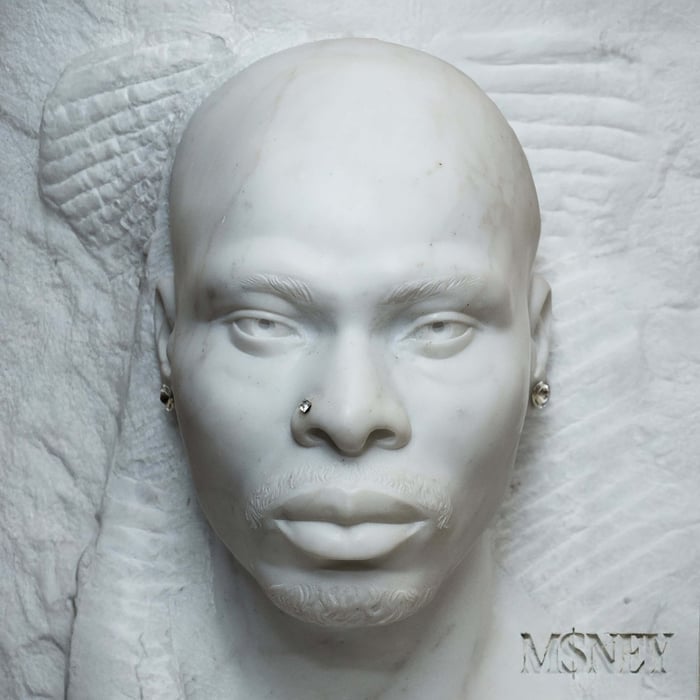
If this album’s cover keeps nagging at you the way the songs do, it’s the kind of image that actually belongs on a wall. If you want, you can shop a favorite album cover poster at our store: https://www.architeg-prints.com
 | DISCOUNTGET 30% OFF*Use code on your next order:
|
* This post may contain affiliate links, meaning we earn a commission if you make a purchase through these links, at no additional cost to you.