Lose Your Self Review: Enter Shikari’s Midnight Drop Isn’t Here to Comfort You


 See more Architeg Prints stories on Google.
Lose Your Self Review: Enter Shikari’s Midnight Drop Isn’t Here to Comfort You
Enter Shikari’s Lose Your Self shows up unannounced, hits harder than expected, and still insists on hope—annoyingly, convincingly.
The kind of album that kicks the door in at 12:01 a.m.
A new Enter Shikari album usually feels like an event. This one feels like a sudden weather alert on your phone—no warning, no polite rollout, just here, in full, at midnight.
What makes Lose Your Self land so sharply is the lack of runway: no singles to soften the impact, no campaign to tell you what to think. You press play and you’re immediately in “unmarked territory,” which is exactly the point. This is their eighth album, and it doesn’t act like a victory lap—it acts like a reaction.
The sound is noticeably darker and heavier than what I expected from them, but the band’s core habit—injecting euphoria into the bleak parts—never disappears. If anything, that contrast becomes the album’s whole argument: the world’s a mess, and you don’t get to opt out just because the lights are flickering.
The title track sets the trap: familiar synths, then the floor drops
The opener “Lose Your Self” starts with that familiar Enter Shikari synth language—stretchy, bright, a little futuristic—like they’re letting longtime listeners relax for half a second. Then a riff barges in, and Rou Reynolds slides in with whispering vocals that feel less like singing and more like someone briefing you before a raid.
It comes off frantic and tense, like the music is running ahead of you and daring you to keep up. Lyrically, it jabs at how easy it is to stare at whatever confirms your worldview instead of looking at the bigger picture. And honestly, as an opening move, it’s a flex: not subtle, not gentle, and not interested in being background music.
I’ll admit I first thought the intro was going to be one of those “set the mood” tracks that never fully pays off. But once the riff hits and the vocals start tightening the screws, it turns into a proper mission statement.
“Find Out The Hard Way” sounds like a warning delivered with elbows
From there, “Find Out The Hard Way” goes straight for the throat. This is the band pointing at the crowd—at all of us—and calling out the people who sleepwalk through disaster until the disaster becomes permanent.
It’s punky in attitude, but not in a nostalgic way. It’s more like the song is shaking you by the collar while still keeping the production punchy and huge. There’s a breakdown halfway through that practically begs for an arena floor to turn into a stampede later this year. And that’s a key Enter Shikari trick: they’ll lecture you, sure, but they’ll also give you a pit cue so you don’t feel completely doomed.
The arguable bit? I think the chorus hits harder than the verses here—not because the verses are weak, but because the chorus feels like the moment the song stops explaining and starts demanding.
“Dead In The Water” dances while the lyrics rot, on purpose
Then “Dead In The Water” links arms with the previous track, but does it with a grin that makes the message sting more. The beat is fun—almost mischievous—while the words sit in that helpless space where you’re stuck, nobody’s coming, and the wealthy have already cordoned off the lifeboats.
It’s not subtle about the “rich bastards” framing, and I can see someone rolling their eyes at how blunt it is. But the bluntness feels intentional: this album isn’t trying to win debates; it’s trying to make complacency feel embarrassing.
If I’m nitpicking, this is where the album’s slogans risk sounding a little too cleanly packaged for chanting. Still: the contrast between bounce and bitterness works, and it keeps the album from drowning in its own seriousness.
“Demons” is the early high point—and it’s weirdly domestic about pain
The first real “oh, this one matters” moment comes early with “Demons.” It’s moving without being precious, and it takes the tired self-help concept of “face your demons” and makes it feel tangible—like you’re actually turning around in the hallway instead of running.
What sells it is Rou Reynolds’ voice. The emotion sounds real, not performed. But they can’t resist making it very Enter Shikari: the imagery gets darkly funny, like inviting your demons in for dinner and then doing something grotesque to them. It shouldn’t work, but it does, because it feels like a coping mechanism turned into a hook.
You get a big release during this track—like unclenching your jaw without noticing you were clenching it. I’m not totally sure it’ll hit everyone the same way, but for anyone who’s been dragging their own thoughts around like a weighted blanket, it’ll land.
“How I long for a different story” — Rou Reynolds
The mood shifts: “The Flick Of A Switch” turns catharsis into despair with a bounce
After that release, “The Flick Of A Switch” drags the tone into something darker. Where “Demons” offered a kind of internal exhale, this one feels like external pressure—systems, control, the sense that someone else is holding the remote.
And here’s the smart contradiction: the song has a fun bounce, a drum-and-bass pulse that almost sounds like it wants to be played under strobe lights. That dance-floor energy makes the bleakness hit harder, like laughing at the worst possible time. The message is basically “rise up against the people who think they control you,” but the delivery is less solemn protest and more kinetic agitation.
The arguable claim: this track proves Enter Shikari are at their best when they weaponize “fun.” When they go pure grim, they’re good. When they make grim groove, they’re dangerous.
“I Can’t Keep My Hands Clean” admits the cycle is sticky—and it doesn’t pretend otherwise
“I Can’t Keep My Hands Clean” follows like a continuation rather than a reset. It’s about trying to stay out of the muck—morally, emotionally, politically—and still ending up covered in it anyway. The idea is simple, but it’s the kind of simple that hurts because it’s true: you can try to be untouched, but the world doesn’t really allow that.
What I like here is that it doesn’t sound triumphant. It sounds trapped. Like the song itself keeps slipping back into the same groove, the same mess, because that’s what cycles do.
If there’s a weak spot, it’s that the concept feels so relatable that it risks being a little broad. I kept waiting for one more lyrical left turn—one more detail that makes it uniquely this song. But the momentum carries it.
“It’s Ok” is the album’s nastiest mirror—and it plays like a circus waltz
Then “It’s Ok” shows up and basically spits in your face politely.
This track is damning. It forces you to look at the ugly picture: wealth hoarded by a “sinister cabal,” everyone else acting like it’s normal, and the horrifying punchline that by the time people truly clock what’s happening, it’ll be too late—reduced to scraping by while the “fat cats” stare down from their stolen comfort.
Musically, it’s one of the album’s sharpest choices: there’s a subtle waltz that feels like it belongs in a circus. And yeah, that’s the point—this is the soundtrack to a world where absurdity is policy. It’s theatrical without being goofy, like the song is smiling while it reads your sentence.
The arguable claim here is easy: this is the record’s centerpiece, because it doesn’t just complain—it stages the complaint in the music.
“A Flick Of A Switch II” marches in like a signal flare
“A Flick Of A Switch II” doesn’t waste time. It segues beautifully from “It’s Ok,” and it feels like the moment the album stops staring into the pit and starts pointing at the exit.
Marching drums give it a forward shove, and there’s a dirty riff that sounds deliberately grimy—like they rubbed it in asphalt before recording. It’s a “rise up” signal, but not in a cheesy, flag-waving way. More like: if you’re going to do anything, do it now.
“Shipwrecked!” is the emotional hinge—hope that aches
From here, “Shipwrecked!” starts the run toward the end, and it’s the kind of track that gives you goosebumps even if you’re trying to be cynical about it.
The band yearns for a life not controlled by media and billionaires, and the ache in it feels specific—like they’re tired in a way that caffeine can’t fix. The line “How I long for a different story” hits like frustration turning into grief.
This track feels like quintessential Enter Shikari: hope in the face of adversity, not as a motivational poster, but as a stubborn reflex. It makes you want to chart your own course instead of drifting with whatever the loudest voices tell you to do.
I’m not convinced everyone will buy the sincerity—some listeners hate being told to feel uplifted. But for me, this is where the album stops being “heavy” and becomes human.
The “Spaceship” trilogy doesn’t escape Earth—it drags Earth into space
The closing stretch is a trilogy:
- Spaceship (I. Avec Abandon)
- Spaceship (II. Angoscioso)
- Spaceship (III. Maestoso)
Together, they feel like the album’s final thesis. The story is an arc leaving Earth to search for a better life—but the twist is cruel and familiar: it’s not that different on board than the world they fled. Same patterns, same damage, same human baggage floating in a shinier container.
It’s a gut punch because it refuses the easy fantasy of “we’ll just go somewhere else.” And yet it still ends with a glimmer of hope that the album’s been protecting the whole time.
The last line—“Change is gonna come, my love”—lands like a quiet promise made through clenched teeth. Not naïve. Not solved. Just insisted upon.
It took me a few listens to stop hearing “songs” and start hearing the point
This album doesn’t reveal itself in one clean listen. At first, the heaviness reads like a mood choice. On repeat, it starts sounding like a strategy: get your attention with force, then sneak hope in while you’re still bracing.
I’m not even 100% sure I’ve caught every intention in the sequencing—there are moments where I wonder if the message is so big it risks flattening individual tracks into chapters. But when it clicks, it really clicks. By the end, it’s hard not to feel a little wrecked, in the best way: tearful, fired up, annoyed that you relate to it.
Lose Your Self is dark, yeah. But it doesn’t end like a collapse. It ends like a warm hug that also lights a match in your pocket and says, “Use it.”
Release note, minus the fuss
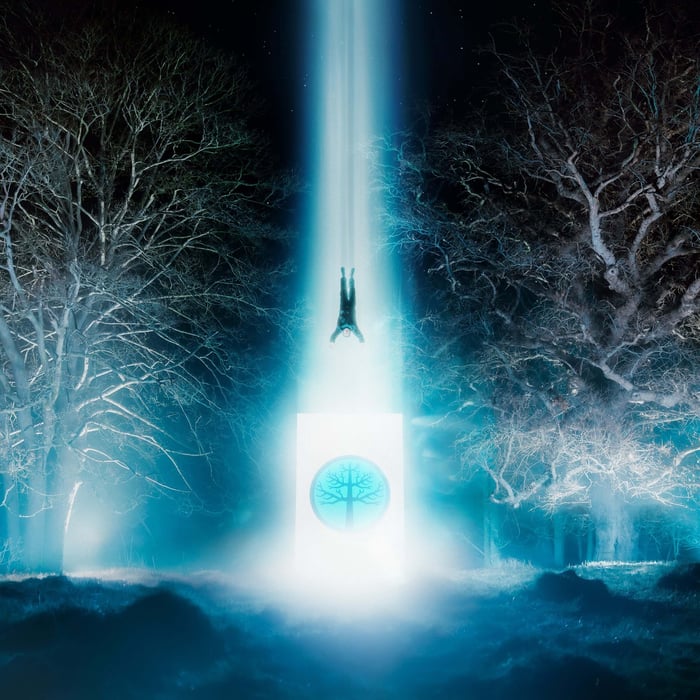
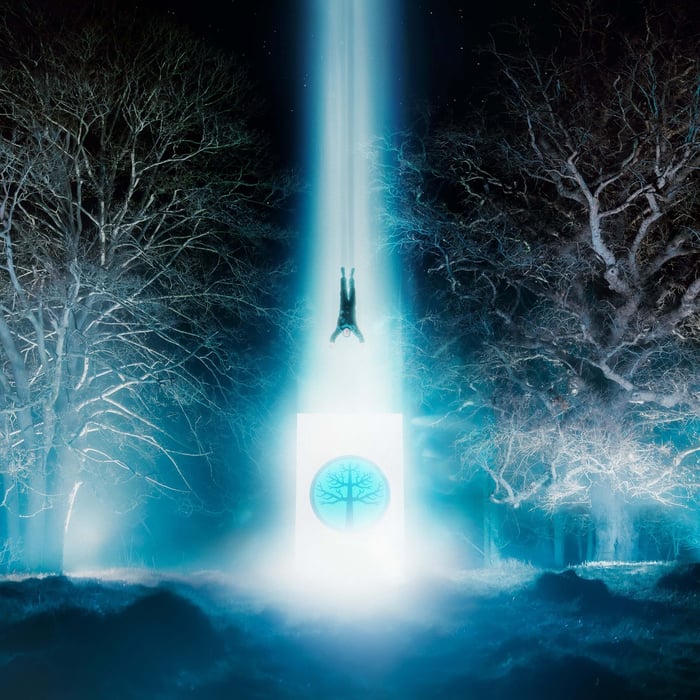
Lose Your Self is out now via SO Recordings.
Conclusion
Lose Your Self doesn’t sound like Enter Shikari trying to soundtrack your good day. It sounds like them refusing to let you spiritually rot in place. The album stares straight at control, division, and complacency—then shoves a flickering little torch into your hand and acts like you’d be ridiculous not to carry it.
Our verdict: People who like their heavy music to argue with them—and still leave them weirdly hopeful—will latch onto Lose Your Self hard. People who want escapism, romance, or even just a break from being reminded that billionaires exist will not enjoy being followed around by this album’s flashlight.
FAQ
- Is Lose Your Self heavier than Enter Shikari’s previous work?
It hits darker and heavier more often, especially in tone and riffs, but it still keeps that bright, synth-driven rush they always sneak in. - Does the album work without pre-release singles?
Yes—arguably better. The shock of hearing it as a whole makes the sequencing feel intentional instead of chopped into “preview moments.” - What’s the emotional peak of the record?
“Shipwrecked!” is the one that made the hope feel bruised and real, not just shouted. - What’s the most provocative track conceptually?
“It’s Ok” goes straight for the wealth-hoarding throat, and the circus-waltz feel makes the critique sharper, not softer. - Do the Spaceship tracks actually resolve anything?
They don’t hand you a neat ending. They land the idea that escape doesn’t fix human patterns—then still insist change is possible anyway.
If this album put a particular image in your head, you can freeze that feeling on your wall—album art hits different when it’s not trapped in a streaming app. Shop your favorite album cover poster at our store: https://www.architeg-prints.com
 | DISCOUNTGET 30% OFF*Use code on your next order:
|
* This post may contain affiliate links, meaning we earn a commission if you make a purchase through these links, at no additional cost to you.