Palette Knife “Keyframe” Review: Nerdcore Emo With Pop-Punk Sprinkles


 See more Architeg Prints stories on Google.
Palette Knife “Keyframe” Review: Nerdcore Emo With Pop-Punk Sprinkles
Palette Knife’s Keyframe blends nostalgic 90s pop-punk energy with Midwest emo vulnerabilities and subtle pop-culture nods, delivering an emotionally honest and catchy listening experience.
The album isn’t “a sonic adventure”—it’s a dare
Palette Knife calls Keyframe a “sonic adventure,” basically promising serene harmonies, catchy pop-punk choruses, and little pop-culture nods that’ll “knock your pop culture themed socks off.” That line sounds like the kind of thing a band says when they’re about to hide thin songs behind cute references.
But here’s the annoying part: Keyframe mostly earns the confidence. The record plays like three people who know exactly how to keep your ear busy—without sounding like they’re desperately juggling tricks. And yeah, it’s nerdcore Midwest emo, but it’s not cosplay. It’s more like they weaponized nostalgia and then snuck real feelings into your backpack while you were looking at the stickers.
Arguable take: the pop-culture angle isn’t decoration here—it’s the bait, and the emotional mess is the hook.
“Phoenix Down” opens like a fake-out, then shows its hand
The first proper move on Keyframe is “Phoenix Down,” and it starts with distorted feedback that slowly drifts into a moody alternative pop-punk glow. It’s got that dreamlike melody that feels like you’re remembering a summer you didn’t actually have—nostalgic, but not dusty.
What surprised me is how long it refuses to “start.” For about a minute, it’s instrumental. No chorus arriving to save you. No singer racing in to explain the vibe. It’s just… space, texture, patience.
I’ll admit I wasn’t totally sure what they were doing at first. The beat structure keeps hinting at where lyrics should be, like the song is leaving an empty chair at the table. For a moment I thought, “Okay, is this just an intro stretched into a track?” Then the delayed vocals hit and the whole thing clicks into place. The track stops feeling like it’s stalling and starts feeling like it’s building a room around you.
Arguable take: that drawn-out instrumental opening is the band telling you they’re not here to sprint; they’re here to set traps.
Here’s the “90s pop-punk” thing—and why that label is too small
A big chunk of Keyframe lives in a nostalgic 90s pop-punk neighborhood. You can hear it in the bright momentum, the way choruses show up like they’ve been waiting in the wings, and the general sense that the band knows how to turn a feeling into something you can shout with your friends in a car.
But calling it “just 90s pop-punk” is like calling a Swiss Army knife “just a blade.” It’s technically correct and still missing the point.
The album keeps sliding between:
- feel-good pop-punk breakdown energy
- moody, relatable lyrics that don’t ask permission
- Midwest emo honesty without forcing everything into slow sadness
- little tonal pivots that keep the sugar from tasting cheap
Arguable take: the record’s real trick is that it sounds happy at the exact moments the lyrics start acting like they aren’t.
“Leviathan” is the album’s smile—and it’s not shy about it
“Leviathan” is one of those tracks that basically forces your face upward. It’s hard not to feel better after it. Not because it’s shallow—more because it commits to being feel-good without apologizing for it.
If you’ve ever had your teen years soundtracked by pop-punk classics in the heat of summer, “Leviathan” pushes the same buttons. It doesn’t pretend those buttons are complicated, either. It just hits them cleanly.
Arguable take: “Leviathan” works because it doesn’t overthink its job; it shows up, delivers the rush, and gets out of the way.
“Faultsiphon” feels like the ‘this is fine’ meme… and that’s the point
“Faultsiphon” lands as the record’s best embodiment of that burned-out “this is fine” energy—the kind where you’re smiling because admitting you’re not would take more effort than you’ve got left.
It’s the kind of song that can pass as upbeat until you pay attention. And once you do, it stings a little, because it’s not melodrama. It’s that very modern exhaustion where you can still move fast, still sing along, still go to work… and somehow everything is on fire anyway.
Arguable take: the track’s cheeriness isn’t relief—it’s denial with good chord changes.
“Sleep Paralysis” is summer-coded Blink-ish pop-punk—by design
“Sleep Paralysis” is where the album leans hardest into the bright, 90s-era pop-punk blueprint. It’s summer-coded in that unmistakable way: quick emotional payoff, big familiar shapes, and a vibe that makes you want to roll the windows down even if you don’t own a car.
It also feels openly inspired by 90s-era Blink-182—not in a copy-paste way, but in that “we know exactly what kind of chorus makes your brain light up” way.
Here’s the official music video embed that was floating around while I listened, and it fits the track’s whole mission statement:
I did have one mild hang-up: the song’s devotion to that classic pop-punk feel is so on-the-nose that it risks flattening Palette Knife’s weirder personality for a few minutes. It’s fun, but it’s also the moment where the album comes closest to sounding like it’s wearing someone else’s hoodie.
Arguable take: “Sleep Paralysis” is a strategic crowd-pleaser—and it almost gives away too much of the recipe.
The emotional pivot: Midwest emo honesty without killing the momentum
What makes Keyframe stick is that it doesn’t treat existentialism and mental health like they require slow tempos and grey skies. The album digs into brutal honesty and vulnerability—then keeps the music moving when it wants to.
That choice matters. It’s easy for bands to “get serious” by dragging everything into half-time and whispering their pain into a reverb cave. Palette Knife doesn’t always do that. They’ll hand you a bright chorus and then slide something bleak underneath it. A little too true to life, honestly.
On first listen, I thought the contrast might feel gimmicky—like, “Look, sad lyrics over happy riffs, get it?” But on second listen, it started sounding less like a trick and more like an actual worldview: you can be falling apart and still have a playlist that bounces.
Arguable take: the album’s happiest moments are where the lyrics hit hardest, because it feels like the band is refusing to give sadness the final word.
“Ratking Regicide” goes darker, scratches the surface, and still chants
“Ratking Regicide” is where the record turns the lights down without turning the volume into a funeral. It opens with feedback again, but this time it feels less dreamy and more hostile—like the amp is trying to tell you something you won’t like.
There are faint scratching-like sounds that show up throughout the track, and they do something smart: they make the song feel physically uneasy even when the core drive stays anthemic. It’s not just “darker lyrics,” it’s the production itself acting anxious.
And there’s an unexpected comparison that kept nagging at me: it lightly echoes the theatrical punch of Panic! At The Disco’s “Build God, Then We’ll Talk.” Not because it’s the same sound, but because it has that same sense of “we’re going to make this feel like a scene.” Big gestures, sharp turns, a little bit of mischief.
Arguable take: “Ratking Regicide” is the album’s most cinematic moment, and it proves the band can do menace without slowing down.
So, do they deliver on the promise? Yeah—and that’s the weird part
If the band’s claim is: catchy choruses, serene harmonies, pop-punk energy, and pop-culture nods that don’t feel tacked on—Keyframe delivers.
I kept thinking I’d hit the stretch where the attention drops, where a few tracks blur together and you start checking your phone. That didn’t really happen. The sequencing does a good job of holding you in place, mixing feel-good breakdown energy with moods that actually have teeth.
That said, I’m not going to pretend it’s flawless. Sometimes the record leans so hard into “catchy” that you can almost see the pencil marks on the blueprint. A couple moments feel engineered to land rather than emotionally inevitable. But honestly? Pop-punk has always been a genre of engineering. The best version just hides the beams better, and this album hides them better than most.
If you forced me to turn my reaction into a number, it sits around an 8/10 in practice: strong replay value, plenty of payoff, and only a few places where the formula shows through.
Arguable take: the album’s consistency is its flex—and also the one thing that might keep it from feeling truly dangerous.
Artwork and release details
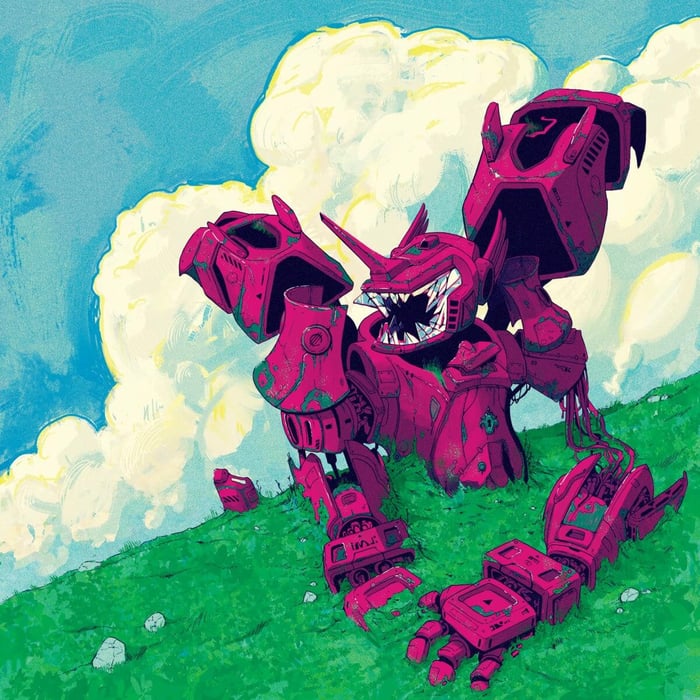
The cover looks like it understands the album: clean, punchy, and slightly too bright for the feelings it’s carrying.
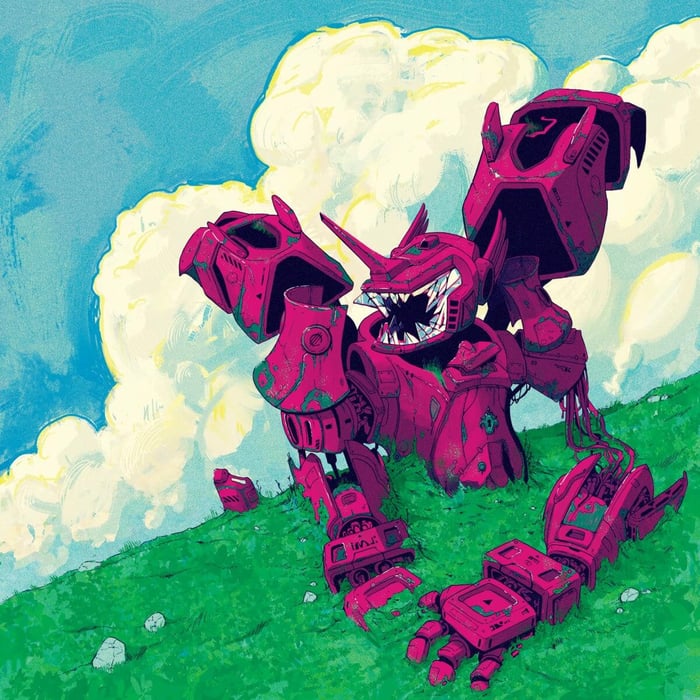
Keyframe is out now via Take This To Heart Records.
If you’re the type who keeps up with bands socially, Palette Knife has a Facebook page—but I’m not dressing it up as homework. You’ll find it if you want it.
Arguable take: this is the rare record where the packaging matches the listening experience—polished edges, messy insides.
Conclusion
Keyframe feels like Palette Knife deliberately building a sugar-rush surface so they can smuggle in real spirals—existential dread, mental-health tension, and that specific “laughing so you don’t scream” mindset. It’s catchy on purpose, nostalgic on purpose, and occasionally a little too pleased with how well it pulls the trick off. Still, when it hits—especially on the moments that balance anthemic lift with darker textures—it doesn’t just sound good. It sounds accurate.
Our verdict: People who like pop-punk choruses but don’t want their emotions sterilized will actually like this album. If you need your Midwest emo to be slow, gray, and permanently staring at its shoes, you might bounce off Keyframe—it insists on smiling while it’s unraveling, and that can be… unsettling.
FAQ
- What is the core vibe of “Keyframe” by Palette Knife?
It’s a blend of nostalgic pop-punk punch and Midwest emo honesty, with pop-culture nods used as flavor rather than the whole meal. - Which track best shows the album’s “slow build” side?
“Phoenix Down,” especially with its long instrumental opening and delayed-vocal payoff. - Is “Keyframe” basically a 90s pop-punk throwback?
Parts of it are, but the album keeps swerving into darker lyrical territory and moodier textures, so the throwback label doesn’t cover the full picture. - What song leans closest to classic Blink-ish summer pop-punk?
“Sleep Paralysis” feels the most overtly summer-coded and 90s pop-punk inspired. - Does the album slow down when it gets serious?
Not always. It often keeps tempos up even when the subject matter gets heavier, which is part of what makes it hit.
If Keyframe put you in the mood to live with an album’s visuals a little longer, a poster print of your favorite album cover is a pretty fitting aftertaste. You can browse options at our store: https://www.architeg-prints.com
 | DISCOUNTGET 30% OFF*Use code on your next order:
|
* This post may contain affiliate links, meaning we earn a commission if you make a purchase through these links, at no additional cost to you.