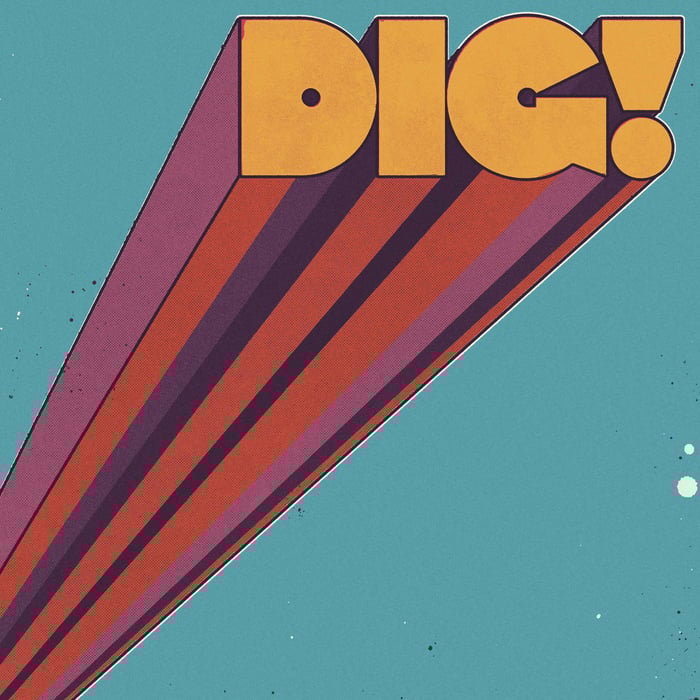
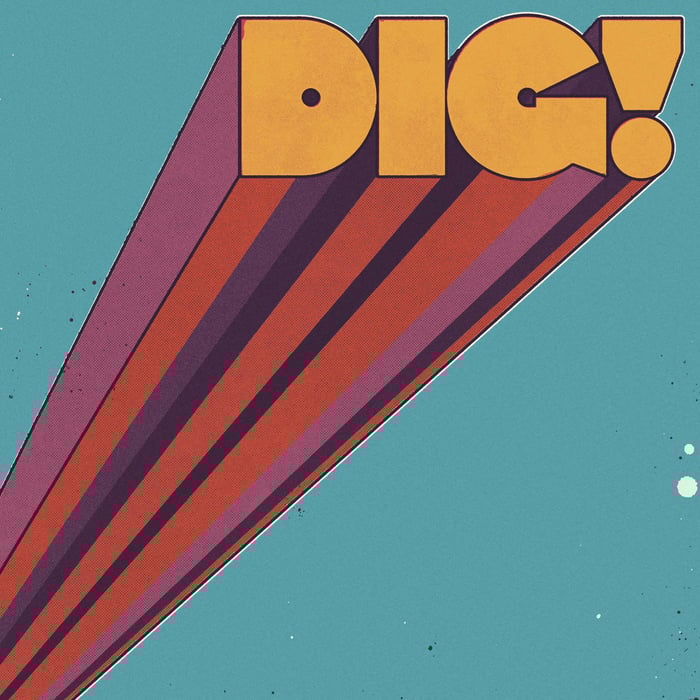
Mamas Gun DIG! Album Review: Soul Revival That Refuses to Behave


 See more Architeg Prints stories on Google.
Album Review: DIG! by Mamas Gun
An in-depth look at how Mamas Gun’s DIG! album uses analogue recording and grown-up soul songwriting to create a record that feels lived-in, honest, and far from a retro costume party.
A record that starts by denying it’s “a scene”
The analogue-soul revival has been around so long it’s basically got its own uniform now. You can hear four bars—snare, tambourine, polite horn stab—and immediately guess the label vibe, the mixing choices, even the sleeve notes you would’ve read if you were the kind of person who reads sleeve notes. That’s the problem: a lot of modern “retro” soul doesn’t feel like music so much as a well-maintained exhibit.
The DIG! album doesn’t play that game. It’s not trying to win a costume contest for 1973. It’s doing something ruder: it’s using the old methods as a way to force decisions in the present. And honestly, bands that manage that without sounding like they’re cosplaying somebody else are rare. Bands that have been doing it long enough to have six albums? Rarer.
Mamas Gun have had time—real time—to become themselves. They’re a British five-piece, named after Erykah Badu’s Mama’s Gun (yeah, they put the reference right in the name), and they’ve been rolling since Andy Platts put out a Myspace ad for musicians back in 2007. That origin story matters because it explains the vibe: this is a band that formed by choice, not by branding. And you can hear that stubbornness in the way DIG! is made.
The “one room, no safety net” decision is the whole point
Here’s the bet: DIG! was tracked straight to 16-track analogue tape by engineer Neil Innes at All Things Analogue Studios in Leeds. Same five musicians in one room. And—this is the part that tells you what the band actually values—no overdubs as a default position.
That’s not a cute trivia bullet. That’s the thesis.
Because once you commit to that, you can’t hide behind tidy edits or stack your way out of a weak pocket. You have to play your way out. The feel becomes the arrangement. The small mistakes become the personality. The band is basically saying: “If it doesn’t work live, it doesn’t deserve to exist.”
At first, I assumed this would make the album sound like a purity test—like they’d prioritize “authenticity” over actual songs. On second listen, I realized the opposite is happening: the tape setup is there to keep the songwriting honest. If a chorus doesn’t lift, you’ll feel the floor stay flat. If a groove doesn’t lock, you’ll hear the wobble. It’s accountability disguised as warmth.
Brian Jackson isn’t a guest star—he’s a pressure change
The title track “DIG!” brings in Brian Jackson—Gil Scott-Heron’s longtime keyboard partner and one of the architects of what later got called neo-soul—and the smartest thing the band does is not treating him like a celebrity cameo.
He shares lead vocal with Platts over a jazz-funk arrangement that puts him inside the band rather than perched above it. His flute kind of staggers through the verses (in a human way, not a “perfect sample” way), and his keys trade phrases with Platts right where the vocals stack. It doesn’t feel like “feat.” It feels like a sixth musician walking into the room and changing the oxygen level.
And that long arc matters: Platts first met Jackson in New York in 2006 while chasing a publishing deal, getting passed around writers’ rooms that included people like Rod Temperton and John Oates. Jackson walked into one of those sessions; they started a song and never finished it. Then they did the long-distance musician version of friendship—staying loosely in touch across an ocean, with no one casually flying over for a weekend.
Nearly twenty years later, Platts sends Jackson a demo of what becomes “DIG!” and Jackson says yes. Two decades of loose correspondence, cashed in on a single demo. That’s not romantic; it’s practical. And it makes the title track feel like a door finally closing correctly.
These songs are about adult relationships, not the idea of love
A lot of soul records talk about love like it’s a weather system. DIG! talks about love like it’s a second job you can’t quit. That’s a less glamorous angle—and it’s exactly why the writing lands.
“Food for the Flames,” the first single (and the one that got picked up by BBC 6 Music and Jazz FM), spells out the album’s central scolding: a spark and tinder won’t get you anywhere, and neither will vague “faith” or tenderness if you don’t back it up with daily work. The song treats romance like a fire you feed every day. And the line it keeps implying is kind of brutal: the hardest work is the work that actually gives back.
“Living on Mercy” zooms in on a quieter shame—realizing you’ve been the one getting carried, night and day, by a partner whose patience isn’t infinite. Then it flips into a decision: he’s done with that arrangement and wants to become the rock she leans on instead. It’s not a dramatic apology; it’s more like a reshuffling of weight.
“Hardest Yards,” co-produced with Connor Reeves (who also shaped the band’s best-known songs “This Is the Day” and “You Make My Life a Better Place”), hits the awkward middle space relationships usually avoid writing about: the temporary leavings, the “we’re still together but every goodbye breaks something” phase. Every step away feels like a thousand miles. It’s not breakup music—it’s fracture music.
Then “Had Me at Goodbye” inverts that arc. It’s the couple sleeping back-to-back instead of face-to-face, ready to let go. And the song’s twist is painfully simple: it took feeling her slip through his fingers for him to hold on tight. If that sounds obvious, good. Adult love is mostly obvious things people refuse to do.
The bluntest truth here is that Platts is old enough to sing all of this straight. No cute ambiguity, no teenage martyrdom. Just consequences.
The gospel language isn’t “religious”—it’s a tool
The DIG! album uses gospel grammar without signing up for gospel obligations. That’s a specific choice, and it’s an arguable one: some people will hear it as borrowing church clothes without joining the service. I don’t think that’s what’s happening. It feels more like Platts is stealing the structure of belief because it’s the strongest language we have for devotion—and then aiming it at a human being.
“The Proof,” one of the last tracks finished for the LP and the most overtly Stevie Wonder-shaped thing here, builds an entire love song out of theological argument. It starts from childhood church attendance—Sundays, not a choice, not a sign. Then it pivots: he does believe in miracles, and if there has to be a heaven, he sees it in the eyes of the woman he’s singing to. The testimony language gets repurposed into something domestic and direct: the only church that matters is rejoicing in your name.
“Wings” does a similar substitution but quieter. Platts marvels that his partner’s faith is strong enough to fly him into heaven for sins that would’ve made anyone else walk away. That’s a gutsy sentiment because it risks making the singer sound like he’s bragging about being difficult. I’m not fully sure it avoids that at every moment—but the vulnerability in the delivery mostly saves it.
“Joy” shows up late and asks the kind of question you only ask when you’re tired of performing adulthood: what if joy itself is the only thing that matters? Then Platts’ young daughter takes the final lines—smaller, less polished, and not pretending otherwise. It’s not there to be “cute.” It’s there to break the album’s professional sheen right at the end, like a thumbprint on wet paint.
Tape isn’t a vibe here—it’s evidence
The first thing you notice isn’t “warmth.” It’s physics.
The kick drum has that slight thump of a real room responding, not the surgical snap of a sample designed to look good on a meter. You can hear bleed between the Hammond and the guitar amps hanging out in the corners of the stereo field. It’s all room, no booth. If you like sterile separation, this will annoy you. If you like feeling like the band is sweating within three feet of each other, it’s a relief.
Platts phrases behind the beat in that Curtis Mayfield way—vocals falling where the rhythm section sits, half a hair late on every downbeat. That choice alone is a personality test. Some listeners hear “lazy.” I hear confidence: you don’t sing behind the beat unless you trust the band to hold you.
And the references aren’t pasted on—they leak out naturally:
- The Spinners show up in the harmony stack behind “Had Me at Goodbye.”
- Marvin Gaye is audible in the chord movement under “Living on Mercy.”
- That Gamble & Huff kind of snap appears in the way hooks sit for half a bar before the next downbeat arrives.
The important part is this: the band treats those old records like working tools, not museum exhibits. That’s why it doesn’t feel like a reenactment.
What the album is “doing,” six records in
Six albums deep, Mamas Gun aren’t chasing the genre; they’re following their own directive. DIG! keeps returning to the same command: scratch past the surface, burn the deadwood, get past phony friends, dust, decay—until you reach whatever counts as salvation underneath.
And yes, there’s a practical undercurrent here too. Platts has enough of a working life on both sides of the Atlantic to fund what he wants. Alongside the Mamas Gun climb through albums like Golden Days (2018) and Cure the Jones (2023), he co-fronts Young Gun Silver Fox, his west-coast soul duo with Shawn Lee—a project that’s pulled off number-one singles in Japan and South Korea while staying mostly invisible at home.
That context matters because it explains why DIG! feels willfully non-strategic in the best way. If you wanted maximum algorithm friendliness, you wouldn’t sit in a Leeds tape room with Brian Jackson on keys and write about feeding fires every day. You’d chase trends. This album chooses craft over reach, and that’s either admirable or stubborn depending on your patience.
One mild gripe: the album’s devotion to steadiness can occasionally make the drama feel too controlled. I kept waiting for one moment where the band lets the room get ugly—just a little extra grit, a slightly riskier edge—and it mostly stays elegant. That elegance is the point, I know. I just wanted one track to scuff its knees.
Still, put on the title track and try to hear where Platts ends and Jackson begins. That blur is the album’s flex.
Favorite tracks (the ones that show the hand)
I’m not pretending these are the only good songs here—but these feel like the clearest windows into what the album thinks it is.
- “DIG!” — not a cameo, a merge.
- “Hardest Yards” — the pain of distance without the melodrama.
- “Phantom Love” — a standout because it hints at absence and illusion, like the album briefly admits how easy it is to mistake habit for devotion.
Conclusion
DIG! is what happens when a soul band stops auditioning for anyone and starts documenting what it costs to stay. The tape, the room bleed, the behind-the-beat phrasing—it’s all in service of one blunt message: love isn’t a lightning strike; it’s repeated labor, and sometimes it’s unpaid.
Our verdict: People who like soul music when it sounds played—room noise, human timing, grown-up lyrics—will sink into the DIG! album fast. People who want ultra-clean modern punch, or who need constant high-drama peaks, will get impatient and go looking for shinier problems.
FAQ
- What’s the core sound of the DIG! album?
Live, analogue-leaning soul with jazz-funk edges—built around real-room interaction rather than studio perfection. - Is “DIG!” basically a retro throwback record?
It borrows old methods, sure, but it doesn’t behave like a tribute act. The tape approach feels more like creative discipline than nostalgia. - Why does Brian Jackson matter on the title track?
He isn’t pasted on top. His keys, flute, and shared vocal sit inside the arrangement, changing the band’s shape instead of just adding a famous name. - Are the lyrics mostly love songs?
Yes, but not the starry-eyed kind. The writing focuses on maintenance, resentment, mercy, and the daily choice to keep showing up. - What track should I start with if I’m unsure?
Start with “Food for the Flames” for the thesis, then jump to “Hardest Yards” for the emotional bite.
If this album’s vibe made you think about artwork you’d actually hang—something with a little texture and intent—you can shop favorite album cover posters at our store: https://www.architeg-prints.com. It fits the same “put it on the wall because you mean it” energy.
 | DISCOUNTGET 30% OFF*Use code on your next order:
|
* This post may contain affiliate links, meaning we earn a commission if you make a purchase through these links, at no additional cost to you.