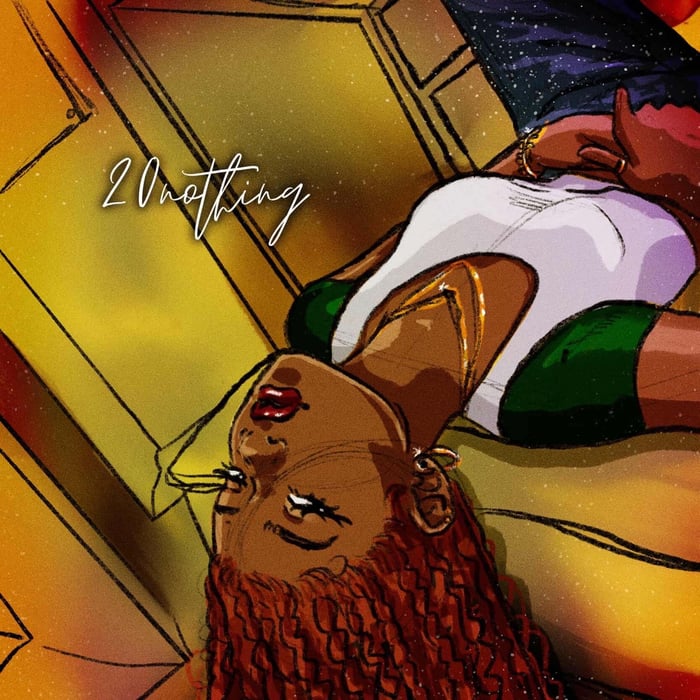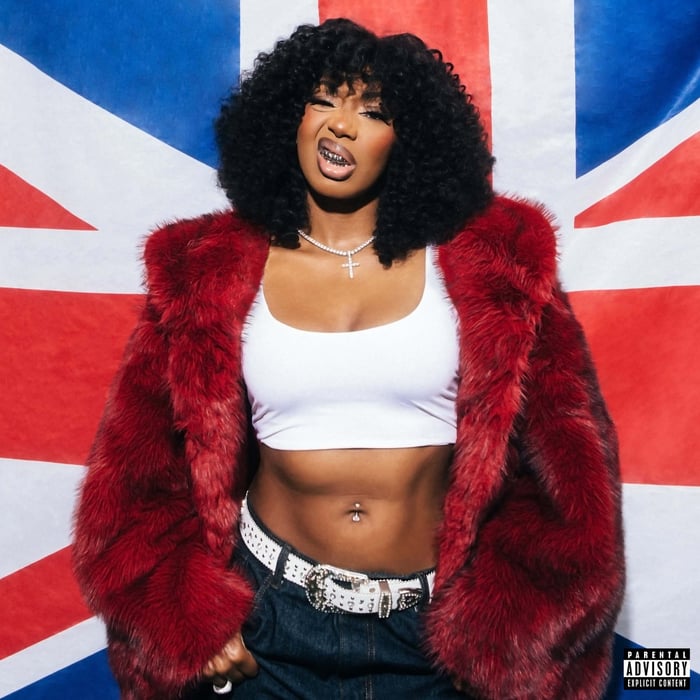
Ms Banks SOUTH LDN: Lover Girl Debut That Refuses to Behave

 See more Architeg Prints stories on Google.
Ms Banks SOUTH LDN: Lover Girl Debut That Refuses to Behave
Ms Banks finally turns SOUTH LDN into a full album—part romance, part incident report, and way sharper than “debut” is supposed to be.
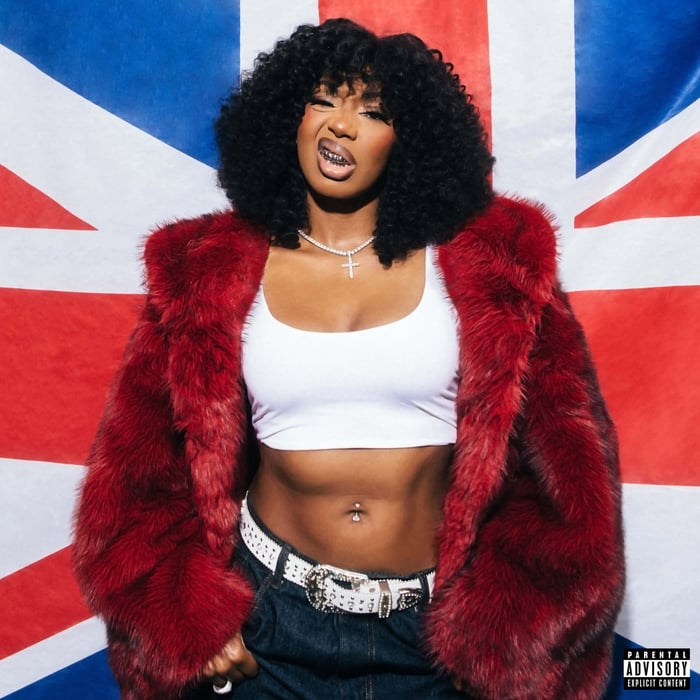
A debut that shows up late on purpose
Some albums arrive like a handshake. This one arrives like somebody kicking your door in, then explaining—calmly—why they had the right.
Twelve years is a ridiculous amount of time to be treated like you’re still “up next,” and SOUTH LDN LOVER GIRL sounds like Ms Banks heard that too and decided the only reasonable response was to unload everything she’d been stockpiling. The backstory is basically a checklist of “industry confirmed” moments—mixtapes, an EP, more tapes, a UK chart No. 1 in hip-hop/R&B, big support slots, a viral radio moment people still argue about, high-profile stages where she’s clearly not the weak link. And still: no album. So when this finally lands, it doesn’t feel like the start of something. It feels like the end of a long, petty waiting room.
The record carries that weight. Not in a self-important way—more like: “Fine. You wanted the debut? Here. Have everything.”
And yeah, I went in expecting a victory lap. What I got was closer to a file dump of lived experience, stitched together with hooks that know exactly how catchy they’re allowed to be before the subject matter turns ugly.
The opening move: identity, class, and the mirror
Right away, the album frames itself with a simple image: a woman looking into a mirror and clocking the fact she’s a Black woman. It’s blunt, and it sets the terms—this isn’t just personality rap, it’s placement rap. Family history comes in quick: second generation, first place mentality, the “nan came over” kind of line that doesn’t ask for applause, it just tells you the cost of being here.
She raps like the practical stuff matters because it does. If the line doesn’t work, nothing works—trap, lights, momentum, any of it. There’s an almost mundane refusal to glamorize struggle. She doesn’t want the blue-collar shirt. The streets made her harder than she wanted to be. And underneath that is the quieter bruise: she didn’t even want to be a “thug,” she wanted to love.
That contradiction is the album’s first real theme, and I’ll make the arguable claim now: a lot of UK rap projects talk about “the ends” like it’s a costume. This album treats it like gravity.
When SOUTH LDN stops being a vibe and becomes evidence
That early mood hardens fast. A couple tracks in, “Catch You Lackin’” revisits the same South London geography but sharpens it into threat. She talks like somebody who grew up around both “youngers” and “olders,” and the point isn’t to sound connected—it’s to sound trained. There’s menace in the posture, but what stuck with me is how efficient it is. No wasted motion. No moral speech. Just the feeling of a neighborhood teaching you the rules, whether you asked or not.
Then the title track, “SOUTH LDN LOVER GIRL,” flips the whole idea of “street stories” into something nastier: consequences that don’t wait for your character development. Banks lays out a story about a girl named Rih holding a gun for her boyfriend while he’s dodging police. Rih takes a cab to the West End to meet a friend, leaves the bag with the gun in the backseat, and gets arrested before the boyfriend even makes it home. It’s told straight—no theatrical “lesson,” no wink at the listener.
A second story comes right after, about a man named Jack with untreated mental health issues and weed-induced psychosis. He kills his girlfriend Pam, and then her mum, her nan, and her dad. And the track closes with a line about migrants not being wanted in the country anyway—like the whole society is happy to benefit from people until it’s time to treat them like people.
I’m not completely sure whether the song wants you to connect those stories into one argument or just sit with them as separate disasters. But either way, the decision to present them without commentary is the real flex. She’s basically saying: if you need me to underline why this is horrifying, you weren’t listening.
“WHY?” isn’t a slogan—it’s a list that doesn’t end
From there, the album starts interrogating the system more directly. “WHY?” is a barrage of questions aimed at the whole structure: why Black women are more at risk during labor, why she gets told she’d have broader global appeal if she were light-skinned, why police can allegedly wait outside a house for twenty minutes after neighbors call—while someone inside ends up dead.
The track doesn’t resolve anything. It doesn’t even pretend to. That’s the point: the questions are the chorus, the lack of answers is the beat drop. The refrain condenses her emotional state into something almost painfully neat—stressed out, worked up, diamond in the rough—and it lands because it sounds like a person trying to keep moving while carrying rage like a backpack.
Here’s a take someone can argue with: “WHY?” works better than a lot of protest songs because it doesn’t perform righteousness. It performs exhaustion.
“WORK HARDER” and “4C”: the album’s argument with itself
A bridge naturally forms into “WORK HARDER,” which samples Layyah on the hook: “It’s hard being a woman, let alone one that is Black.” Banks turns the topic inward without shrinking it. What do you tell your little sister when her workplace isn’t “fucking with her”? What do you do with the fact that you can travel—Spain, in this case—but still come home with the ugliest souvenir: watching your brother sell sunglasses at the seashore?
She says she loves her country, then admits the real question: what happens when it doesn’t love you back? That line doesn’t beg for sympathy. It dares you to disagree.
Then “4C” barrels in with a different tactic: same anger, brasher packaging. Hair 4C, no BBL, no filler—she wears her Afro like a crown and calls out lip filler trends with the confidence of someone who already had the argument in her own head and won. It’s not a think-piece track; it’s a posture track. And I mean that as a compliment. Some songs exist to stand there.
If I’m nitpicking, this is where the album briefly flirts with being a little too satisfied with itself—like it knows it’s right and wants you to clap on cue. It doesn’t last long, but I felt it.
And that’s where “POV” comes in and pokes a hole in the armor.
“POV”: the confidence crack that makes it believable
“POV” unsettles the brashness by asking a partner a set of questions that sound small until they don’t. Would you still love me in the morning with no makeup? What if I stopped doing music? What if the stories you’ve heard about me are true?
That last one is the killer. Because it admits reputation is a third person in the relationship, sitting there like an unpaid therapist. She wants to know if two things can be true at once—strength and insecurity, public image and private fear. And honestly, this is where my first impression of the album shifted.
At the start, I thought the whole project was going to be Banks proving she can do everything: rap, sing, flex, preach, storyline, radio-ready hooks. On second listen, it felt more like she’s proving she can doubt herself without turning it into weakness. That’s harder, and it’s rarer.
The love songs don’t agree with each other—and that’s the point
From there, the album’s love material scatters in different directions, like she’s refusing to simplify herself for the sake of a neat theme.
“NO LOVE” is the coldest angle: she wants sex, but only if it comes with a Rolex or big checks. Men get watched like movies—observed, not entertained. The hook even asks what kind of villain breaks hearts in the streets, and it leans on a recognizable nod to Shyne’s “Bad Boyz.” It’s transactional, yes, but it also sounds like someone trying to protect their time the only way they’ve learned works.
“S.O.S” almost counters it completely: “He feels like home,” and if they mess up, they can do it over. It’s the rare reset button in a record full of consequences.
“THE ONE” is the simplest confession—she doesn’t want to be alone. And I respect that these tracks coexist without the album trying to pick a “correct” version of her. A weaker record would force a resolution. This one leaves the contradiction intact, which is how real people actually behave.
“IDK,” with Zinoleesky, lightens the temperature—physical attraction that might be something deeper, or might just be a flirtation that likes pretending it’s fate. And “WAR OUTSIDE,” with Strandz, asks the most stripped-back loyalty question imaginable: would you ride for me?
Another arguable claim: most debut albums play it safe by choosing one romantic persona. This one risks being messy—and gets away with it because the mess sounds honest.
“ME & YOU (OUTRO)”: the file that explains the rest
Everything is basically orbiting “ME & YOU (OUTRO).” This is the track the album feels like it’s been protecting behind all the swagger, all the politics, all the romance math.
She addresses herself as Tyra—her real name—and walks through childhood on Penborough Estate with unsettling clarity. Crime. Smoking blem at ten. White friends named Tommy, Danny, Chelsea, and Alex. Shotting a little weed. The kind of details you don’t add for texture—you add them because they’re stuck in your teeth.
There’s even a moment of petty humanity: sharing a birthday with a friend, clashing because they’re both Aries. It’s almost funny in a bleak way, like the album is reminding you: kids still do kid stuff, even when their environment is a slow-motion problem.
Then the track hits the disclosure the whole record has been circling: she describes being abused in her dad’s house—mentally and physically. She tells herself not to talk about the “taint” of it, to become a shadow with nothing to lose. She calls the men who do this sadistic, says they treat you like a statistic.
And then—this is the part that stayed with me—she turns to herself and speaks like someone finally doing the job of an adult for the child she was. She lists the dreams, says she’s living them now, and ends with something simple and devastating: she’s proud of herself.
I can’t overstate how much that choice changes the whole album behind it. Suddenly the toughness on earlier tracks doesn’t sound like branding. It sounds like survival strategy.
If you want a provocation: this outro is more revealing than a decade of “real rap” posturing from artists who confuse confession with oversharing. Banks doesn’t overshare. She testifies.
So what is Ms Banks actually doing here?
SOUTH LDN (yeah, I’m calling it that because the title track hangs over the rest) isn’t trying to convince you she deserves a seat. It’s acting like the seat is already hers and the real question is whether you can handle what she’s bringing to the table.
The album makes one big decision over and over: it refuses to soften the facts. Whether it’s systemic questions on “WHY?,” self-presentation on “4C,” emotional bargaining on “THE ONE,” or the brutal self-address of “ME & YOU (OUTRO),” Banks keeps choosing specificity over likability.
I kept waiting for the “debut album smoothing filter”—the part where everything gets more generic to appeal to everyone. It mostly never comes. And when it briefly flirts with being too neat or too self-assured, another track shows up and complicates it again.
Conclusion
This debut doesn’t sound like a new artist stepping forward. It sounds like someone who’s been writing receipts for years and finally decided to read them out loud—names, streets, contradictions, and all.
Our verdict: People who like UK rap when it’s actually about something—and when the love songs don’t pretend everyone’s emotionally stable—will eat this up. If you only want glossy confidence and tidy endings, this album will annoy you the way real life annoys you: by not cooperating.
FAQ
- Is “SOUTH LDN” just a location flex or the album’s real theme?
It’s the theme. The place shapes the choices, and the songs keep proving it. - What’s the most intense moment on the album?
“ME & YOU (OUTRO)”—because it stops performing and starts naming what happened. - Does the album balance hard tracks and softer songs well?
Mostly, yes. The whiplash feels intentional: tenderness shows up right next to threat because that’s the reality she’s describing. - Are the love songs empowering or cynical?
Both, sometimes in the same breath. That’s the point—she doesn’t pick a single romantic “brand.” - If I’ve never listened to Ms Banks before, where should I start?
Try “WHY?” for the big questions, then the title track for storytelling, then “ME & YOU (OUTRO)” for the key that unlocks the rest.
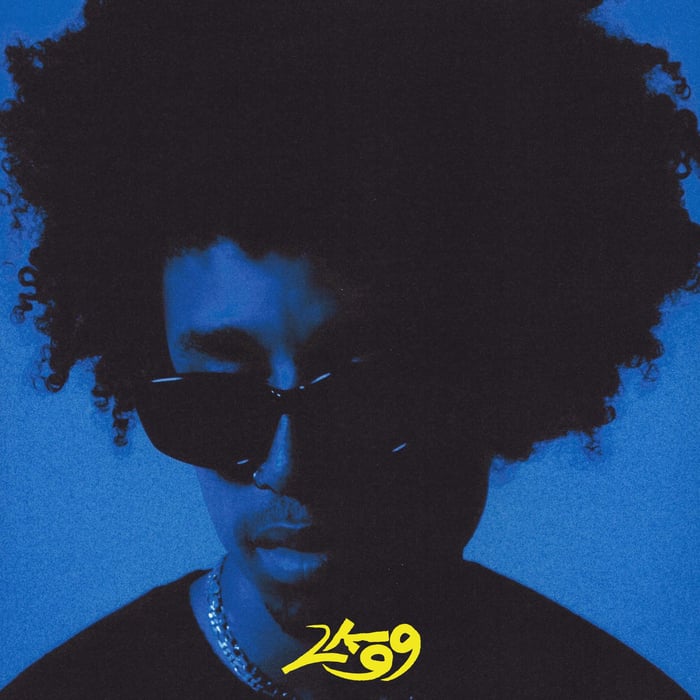
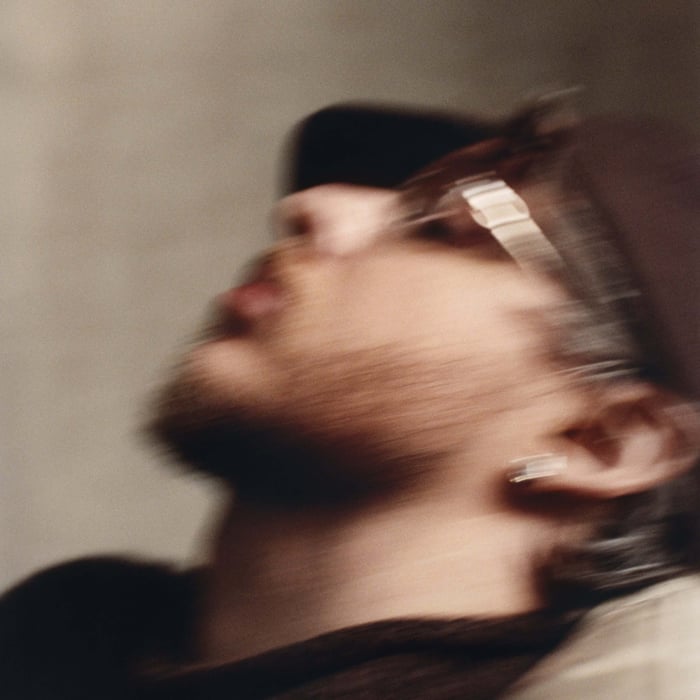
If you’re the type who falls for album artwork as part of the experience, you can shop a favorite album cover poster at our store—something physical for a record that refuses to stay in your headphones. https://www.architeg-prints.com
 | DISCOUNTGET 30% OFF*Use code on your next order:
|
* This post may contain affiliate links, meaning we earn a commission if you make a purchase through these links, at no additional cost to you.