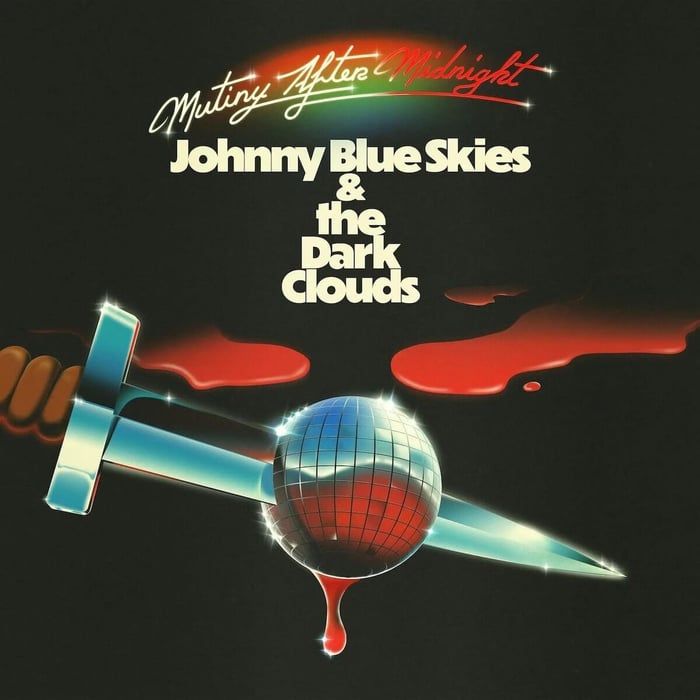
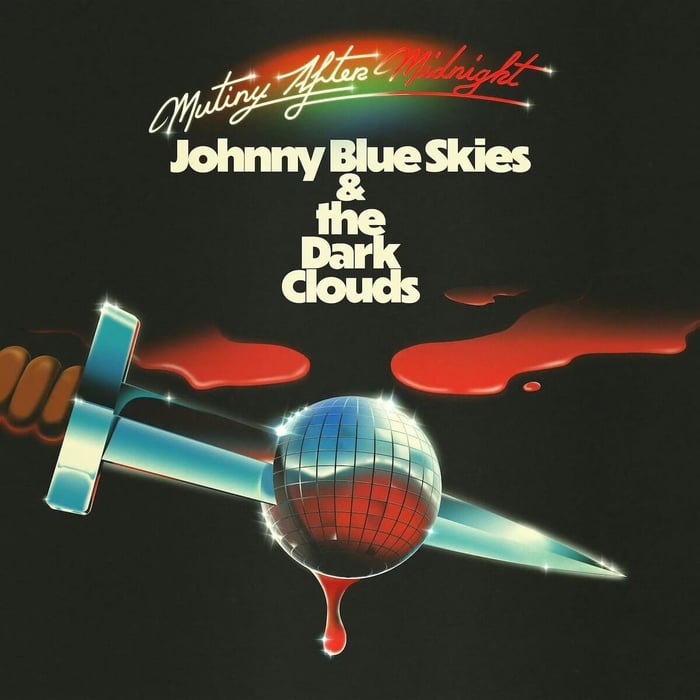
Mutiny After Midnight Review: A Dance Record That Picks a Fight


 See more Architeg Prints stories on Google.
Mutiny After Midnight Review: A Dance Record That Picks a Fight
Mutiny After Midnight isn’t “fun” by accident—it’s Johnny Blue Skies turning panic, politics, and self-diagnosis into groove as a survival tactic.
A record that starts swinging before you’re even seated
Some albums ease you in. Mutiny After Midnight kicks the door, steals your drink, then insists everybody dance anyway. It’s not subtle about it, either—Johnny Blue Skies makes sure the first impression arrives with clenched teeth and moving hips.
And yeah, I can already hear someone arguing: “It’s just a party record.” No. This is a party record in the same way a fire drill is a cardio class.
The “dance record” goal is real—and it’s a little confrontational
Here’s the thing: you can feel the mission statement in the body of the sound. This album is centered firmly on groove, and it doesn’t apologize for wanting your legs more than your approval. The whole project leans into a band mentality—we’re doing this together, in real time, no overthinking—and that “written on-the-spot” approach becomes the point, not trivia.
It’s also a power move. Writing “in the moment” can be an excuse for sloppiness, but here it reads like Johnny Blue Skies refusing to let the songs get cleaned up into something polite. If you wait too long, you start editing out the truth. These tracks don’t sound edited for comfort.
A reasonable person could disagree, but I think the groove-first mandate is basically him admitting: words alone won’t fix anything, so let’s at least make bodies move.
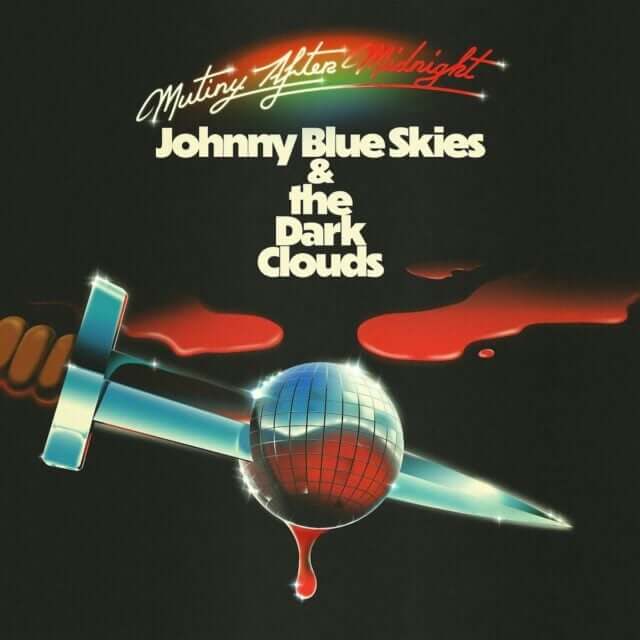
Production that behaves like a decision, not a default
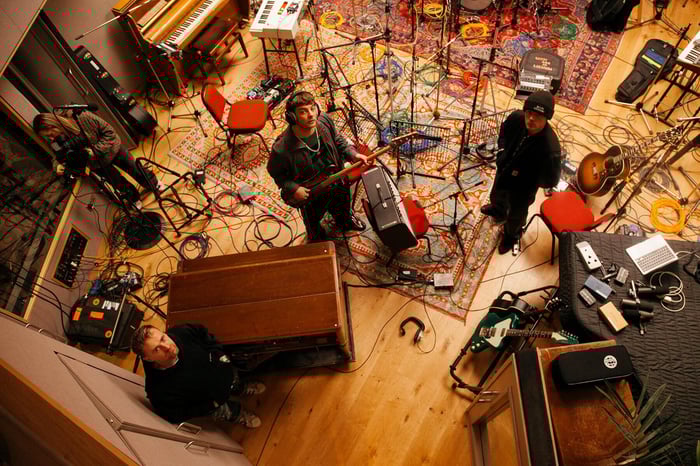
The production credit matters here because it explains the album’s posture. Mutiny After Midnight was produced by Johnny Blue Skies, with musical contributions by The Dark Clouds, and recorded at Easy Eye Sound Studios. That reads like a simple lineup note—until you hear how the record carries itself.
This isn’t the sound of someone outsourcing the vibe. The mix feels like it’s protecting the pocket at all costs. The grooves don’t wander off to show you how clever the chord changes are. Even when the writing gets heavy, the sound keeps pushing forward like it’s dragging you out of your own head by the wrist.
If I’m being picky (and I usually am), I do think the “groove centered” approach can flatten the emotional contrast sometimes. A couple moments feel like they could’ve hit harder if the record allowed itself to stop dancing for ten seconds. But I also suspect that’s the whole philosophy: stopping is dangerous.
“Make America Fuk Again” is the real thesis, not just a shock title
The opening track, Make America Fuk Again, tells you immediately what kind of chaos you’ve signed up for. The title is crude on purpose—like he’s swatting away the audience that wants tasteful protest music with neat slogans.
And then he goes straight for the throat with a lyric dump that’s half confession, half weapon:
“Been learning lessons and getting bubbles busted… Weaponizing my autism to shit out an opus… Taking ketamine to kill my depression… Wanna start a revolution and watch it begin.”
— Johnny Blue Skies, “Make America Fuk Again”
That’s not “edgy.” That’s someone refusing to translate their brain into something more socially acceptable. He stacks diagnoses, coping mechanisms, and creative ambition in one breath, like he’s daring you to decide which part is the punchline. The line about turning ADHD into hyper-focus lands like a cracked mirror: funny for a second, then you realize you’re looking at a survival technique.
I’m not 100% sure how I feel about the way the song fires off those references so quickly—part of me wonders if it risks sounding like a scroll through someone’s notes app. But the speed is the point. It mimics the mind he’s describing. And the hook—more than the verses, honestly—does the heavy lifting by making the mess danceable.
Arguable take: the chorus (or at least the central refrain energy) is stronger than the verse-writing here, and that imbalance is intentional. He wants you moving first, thinking later.
The Dark Clouds aren’t “backing musicians”—they’re the alibi
The credit “with musical contributions by The Dark Clouds” looks modest, but the sound doesn’t. This band presence is what keeps the album from collapsing into pure monologue. The grooves come off like a shared language: tight, lived-in, and more interested in momentum than perfection.
And that changes what the lyrics mean. If Johnny Blue Skies delivered those words over something sterile, it might feel like an essay. With The Dark Clouds pushing air behind him, it becomes something closer to a dare: Say this stuff out loud, but don’t stop dancing while you do it.
If you think that’s contradictory—good. The album runs on contradiction. It’s “relief from darkness” that keeps naming the darkness, like it can’t resist checking the bruise while claiming it’s fine.
The Atlantic reunion feels like a narrative choice, not a business footnote
After a series of self-releases on High Top Mountain and Elektra Records (including Sound & Fury), Mutiny After Midnight swings back to Atlantic—the same label that backed A Sailor’s Guide To Earth in 2016.
That detail could’ve been dull label-history stuff, but in the context of this album, it reads like a deliberate reset. Johnny Blue Skies frames it as a reunion defined by new leadership and a new vision, and that “new and very different Atlantic Records” line isn’t just polite PR—it sounds like he’s granting permission to trust the machine again, but only because the machine changed its operator.
The arguable part: I don’t think this is about “industry comfort.” I think it’s about leverage. This album is built to be fun—and fun travels farther when it’s distributed like a real product, not a secret file passed between diehards.
A “vision from 10 years ago” finally shows up—and it’s not sentimental
He talks about finally bringing to fruition a vision initially shared with Ian Cripps over 10 years ago. That’s the kind of line that usually signals nostalgia. But the record doesn’t sound nostalgic. It sounds impatient.
To me, this “long-shared vision” isn’t about returning to an old self. It’s about finally making the record he couldn’t make back then—because back then, maybe he still cared whether it made sense to everybody.
Now? He’s writing “what is happening in the world and my life in real time,” and that’s the key phrase. Real time writing doesn’t let you tidy up your politics. It doesn’t let you soften the personal stuff into metaphor. It’s messier, and it’s braver, and it’s occasionally too blunt—like when the song titles and lines feel designed to provoke first and communicate second.
I’ll admit it: on my first pass, I assumed the “dance record” claim was going to be a gimmick. On second listen, it felt more like a boundary. He’s telling you what he will and won’t do: he’ll give you movement, not closure.
“Relief from darkness” is the sales pitch—and the album kind of argues with it
Johnny Blue Skies says the album is very fun and hopes to offer some relief from darkness in the world. Listening closely, I don’t think the relief comes from escaping darkness. It comes from refusing to let darkness monopolize the room.
That’s a different promise. Relief here is physical. It’s the way a groove can temporarily rewire your mood, even when the lyrics are basically listing the many ways modern life chews people up. The album’s bet is simple: if you can dance while saying the ugly stuff out loud, the ugly stuff loses a little power.
Mild knock, though: “fun” is a hard word to defend when the opening track hits you with mental health references like a rapid-fire inventory. The record wants to be both catharsis and a good time, and sometimes you can hear it straining to keep both masks on. Still—when it works, it’s exactly because it’s trying to do too much.
The embedded visual world: not glamorous, just real
Here’s the only video embed link included alongside the album info:
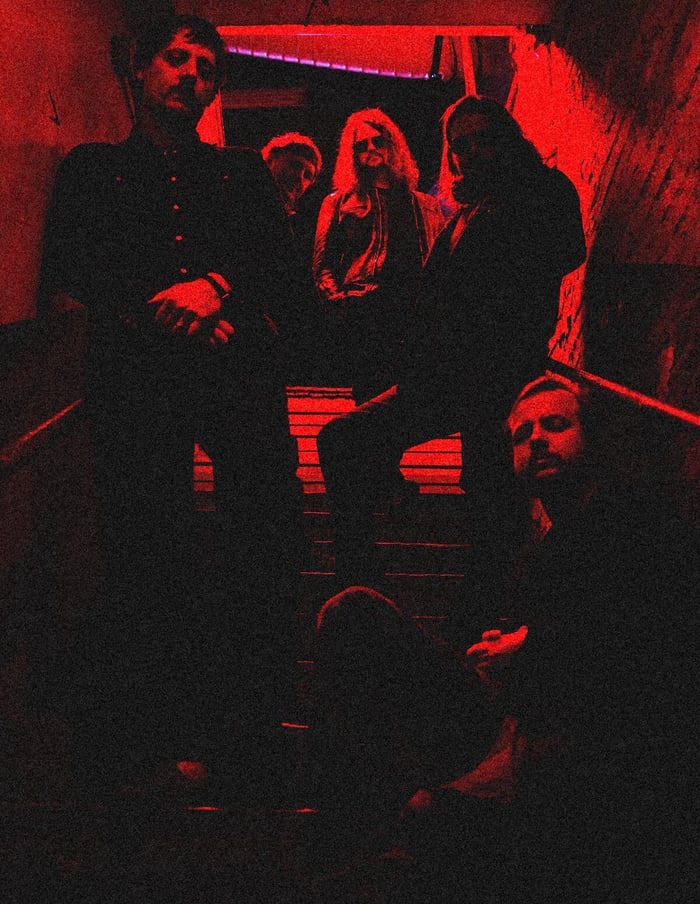
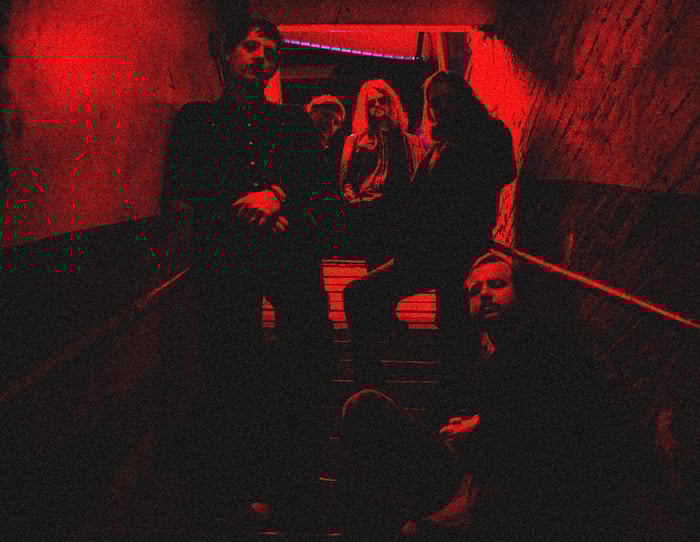
Photo by Edwin Keeble.
The vibe of the imagery matches the music’s attitude: not polished for perfection, just pointed in a direction and confident enough to stay there.
Conclusion
Mutiny After Midnight uses groove the way some artists use religion: as a structure sturdy enough to hold the unedited truth. It’s trying to be a dance record, yes—but it’s also trying to keep you alive long enough to make it to the next chorus.
Our verdict: If you like your dance music with teeth—lyrics that overshare, grooves that don’t wait for permission, and a band that treats movement like medicine—this album will hit. If you want comfort, clarity, or anything that sits still long enough to be “tasteful,” you’re going to bounce off it and call it obnoxious (which, honestly, might be part of the plan).
FAQ
- What is the core idea behind Mutiny After Midnight?
It’s built around a simple goal: make a dance record—then smuggle real-time anxiety, politics, and self-knowledge into the party. - Who produced Mutiny After Midnight?
Johnny Blue Skies produced it, and The Dark Clouds contribute musically. - Where was the album recorded?
It was recorded at Easy Eye Sound Studios. - What’s the opening track and why does it matter?
“Make America Fuk Again” opens the record and acts like a manifesto: personal turmoil and social chaos, delivered at dance tempo. - Is this album meant as escapism or confrontation?
Both. It offers “relief from darkness,” but it does that by naming the darkness while keeping the groove alive.
If you’re the kind of listener who treats album art like part of the argument, you might want to grab a favorite cover as a poster—quietly, no hard sell—over at Architeg Prints.
 | DISCOUNTGET 30% OFF*Use code on your next order:
|
* This post may contain affiliate links, meaning we earn a commission if you make a purchase through these links, at no additional cost to you.