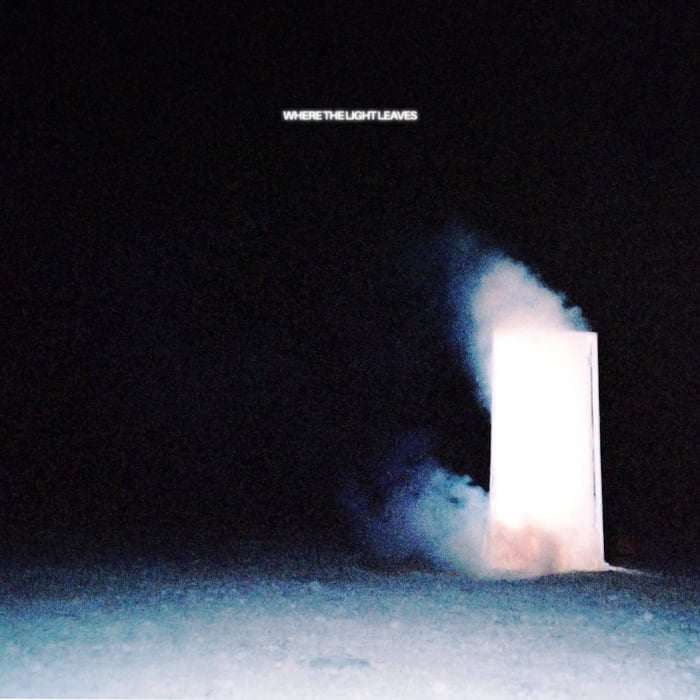
Varials “Where The Light Leaves” Review: A Villain Arc With Breakdowns


 See more Architeg Prints stories on Google.
Varials “Where The Light Leaves” Review: A Villain Arc With Breakdowns
Varials’ Where The Light Leaves delivers metalcore with unflinching impact, blending relentless heaviness and emotional intensity in a raw, powerful statement.
A record that kicks the door in, then asks why you’re surprised
Some albums want to be understood. Where The Light Leaves mostly wants to leave a dent in your sternum and keep walking. I put it on expecting the usual modern heavy playbook—clean/unclean contrast, a few mood patches, a chorus or two pretending to be “uplifting.” Instead, Varials show up like they’ve decided explanation is a waste of breath.
And yeah, it immediately raises a dumb but honest question: who hurt these guys? Not because the pain feels theatrical, but because it feels useful—like they’re converting it straight into impact.
This is metalcore cosplaying as a villain origin story (and it’s convincing)
Here’s what Where The Light Leaves is really doing: it drags metalcore closer to deathcore’s “no apologies” posture without fully switching genres. It’s not trying to be elegant. It’s trying to be final.
I kept thinking about how this album feels like the endpoint of a long internal argument—like earlier records were wrestling with the hurt, and this one just decides, “Fine. We’re not healing. We’re escalating.” The emotional angle isn’t new for them, but the commitment here is. It’s the sound of someone done negotiating with themselves.
And to be clear, that’s an arguable choice. Plenty of listeners want heavy music to leave a window cracked for catharsis. This album slams the window shut and leans on it.
The video moment: “Blissful End” makes the mission pretty obvious
This is the kind of record where the singles don’t feel like “previews.” They feel like warnings.
“Blissful End” sells the whole ethos in a clean shot: sledgehammer guitars, full-set screams, and a rhythm section that doesn’t “support” the riffs so much as enforce them. Varials aren’t aiming for complexity as a flex. They’re aiming for the kind of tightness that makes the heaviness feel unavoidable.
If you’re hunting for delicate dynamics or pretty negative space, you might start bargaining with the skip button. But if you like your heavy music to sound like it was designed for physical consequences, this track gets the point across fast.
No explanations, just blunt objects: guitars, percussion, breakdowns
The dominant sensation across Where The Light Leaves is bluntness—not in a dumb way, in a deliberate way. The guitars hit like they’ve been filed down into weapons: hard edges, minimal mercy. The screams don’t “perform” emotion; they dump it.
The percussion is the quiet MVP here. It’s tight enough that the whole album feels cauterized—like every beat is stitched into place so the songs can keep moving forward without bleeding out. The breakdowns show up menacing instead of theatrical, which is a subtle difference that matters. The dramatic breakdown is a stage cue; the menacing breakdown is a threat.
That said, I’m not going to pretend the album is perfect at what it’s doing. There are moments where the “no room for texture” approach starts feeling like a self-imposed rule rather than a necessity. I don’t need a clean chorus, but I do sometimes want a different kind of ugly—something that widens the palette without softening the punch.
The sequencing is a wrecking site: ambient murk, then nuclear detonation
The tracklist swings between murky, subterranean interludes (ambient noise like a basement light flickering) and full-on aggression that comes in hot enough to feel like a controlled burn. The shift matters. Without those dips, the album could’ve turned into one long wall—impressive, sure, but flattening.
Instead, Varials use the lulls like psychological staging. The quiet isn’t comforting. It’s the kind of quiet that makes you brace for the next impact.
Here’s an arguable claim: the simplicity is the album’s most “technical” move. Because when it does flirt with more technical moments, it doesn’t sound like the band showing off. It sounds like they’re tightening the screws just to make the next hit land cleaner. The complexity never becomes the point. Damage is the point.
And I’ll admit something: on my first pass, I worried the record would blur together. It’s that relentless. But on second listen, the small decisions start showing—how the transitions are arranged, how the pacing avoids feeling “samey” even when the tone stays scorched. It’s not variety in mood; it’s variety in pressure.
You need a specific mindset for this—Varials aren’t offering a handrail
There’s a particular headspace required to enjoy Where The Light Leaves in full. It’s got those nu-metal-adjacent “nu-mental” implications—rage as structure, despair as fuel, tight riffs as therapy you don’t have to talk through.
I’m not saying it’s better than every band in its lane, but it does feel sharper than a lot of the modern heavy crowd. The album doesn’t posture like it’s deep; it just hits you with the result of depth that’s already gone rancid.
And yeah, depth here is often measured in punch. Tracks like “No Lie Untouched” and “Conscious Collapse” don’t convince you by writing you a novel—they convince you by sounding like the band means it. The lyrics lean self-indulgent at times (there’s only so many ways to circle the drain), but the delivery is the real craft. The conviction is the hook.
If you’re someone who needs clever wordplay to buy into heavy music’s emotional claims, this album might feel like it’s skipping steps. Varials’ argument is basically: the feeling is the evidence.
The “orderly” feel is the secret sauce (and it makes the chaos sound effortless)
One thing that surprised me is how orderly the whole record feels. Not safe—orderly. Everything is placed with the confidence of a band that knows exactly which parts are supposed to bruise.
That “natural process” vibe matters because it stops the album from sounding stitched together in a studio puzzle-box way. The songs move like they were meant to exist in this sequence, like the aggression isn’t performed fresh each time—it’s sustained, paced, managed.
And in between the heavier swings, the lulls hit with a specific flavor: longing with regret. Not redemption. Not hope. Just the heavy pause after you’ve said the wrong thing for the hundredth time and you’re tired of your own voice.
“The Hurt Chamber” sits in the middle like a nasty mirror
Mid-record, “The Hurt Chamber” feels like the hinge point—the moment where the album briefly turns its head and looks at itself. It “breathes” in a way that doesn’t soften the record; it reframes it.
This is where I’m slightly unsure of the band’s intent, though. Part of me hears that introspection as genuine—like they’re trying to understand the brutality rather than just revel in it. But part of me wonders if it’s there because the album needs a middle room, a hallway between brawls, so the pacing doesn’t collapse.
Either way, it works. And that’s kind of the point: even the reflective moment feels like it’s been weaponized. The album doesn’t do vulnerability as a hug. It does vulnerability as a sharpened object.
Not revolutionary—just frighteningly polished
Let’s not pretend Where The Light Leaves reinvented anything. It didn’t. What it does, it does with the kind of polish that only comes from a craft being sharpened for years. This is a decade’s worth of heavy language tightened into a clean dialect: riffs, breakdowns, interludes, and a sense of escalation that doesn’t need gimmicks.
The singles stand on their own, too. They’re the kind of tracks that would be untouchable in a setlist—because this album’s real impact isn’t “wow, what a concept.” It’s crowd physics. These songs are built to turn a room into a problem.
That’s also where my one real complaint lands: the album is so committed to being a blunt instrument that it occasionally forgets the pleasure of contrast. A few more moments of textural weirdness—something genuinely unsettling, not just heavy—could’ve made the peaks feel even taller. But I get why they didn’t. Varials aren’t trying to be experimental; they’re trying to be undeniable.
Varials as underrated extremists—and why this might be their statement piece
Varials have long felt like underrated champions of the extreme end of this scene—technical when it matters, locked-in when it counts, and somehow still not always central in the “what can the genre do?” conversations.
Part of that is because their sound has shifted enough over past records that they’ve almost camouflaged themselves inside different subgenre expectations. This album stops camouflaging. It plants a flag.
If the court of public opinion is leaning their way, Where The Light Leaves is the kind of statement that can actually change how people talk about them—not because it’s “important,” but because it’s so clearly resolved. No fence-sitting. No hedging. Just commitment.
And the final message feels pretty blunt: the pain isn’t over. It’s organized now.
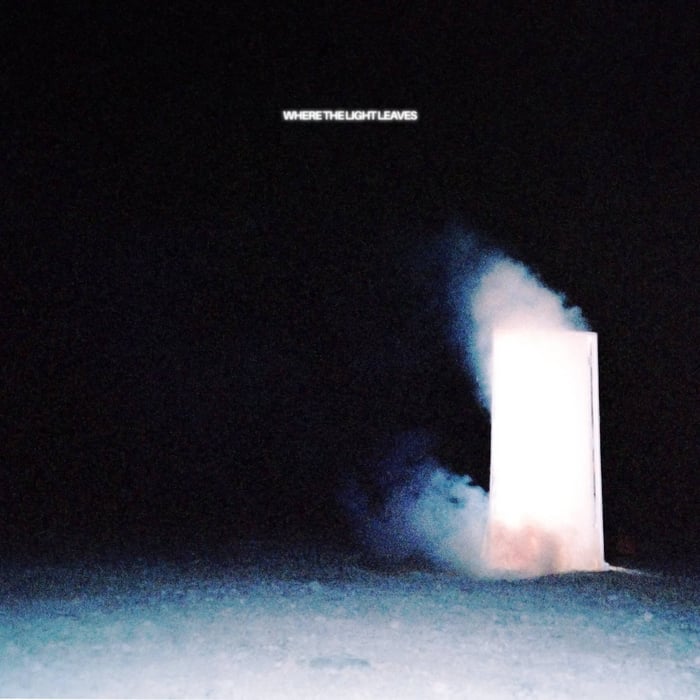
Where The Light Leaves is out now via Fearless Records.
Like Varials on Facebook: facebook.com/VarialsPA/
Conclusion
Where The Light Leaves doesn’t chase reinvention; it chases impact. Varials tighten their sound until it stops sounding like a collection of songs and starts sounding like a single, controlled crash-out—interludes included. It’s relentless without becoming lazy, and it’s emotionally loaded without begging you to sympathize. The few moments where I wanted more texture don’t derail it; they just reveal how hard the band is committing to a specific kind of blunt force.
Our verdict: People who like their metalcore stripped of hand-holding—breakdowns that land, pacing that doesn’t wobble, anger that sounds managed—will eat this up. If you need hooks, big melodic lift, or lyrics that feel “crafted” rather than bled out, you’ll last three tracks and start cleaning your kitchen instead.
FAQ
- Is Where The Light Leaves a big style change for Varials?
They feel less like a left turn and more like a tightening—same emotional damage, now delivered with fewer excuses and harder edges. - Does the album have any breathing room, or is it nonstop heaviness?
There are ambient, murky interludes and lulls, but they don’t comfort you. They set up the next hit. - Which tracks show the album’s punch best?
“No Lie Untouched” and “Conscious Collapse” hit hardest in that “depth through impact” way, and “The Hurt Chamber” adds the mid-album introspective pivot. - Is it lyrical, or is it more about delivery?
The lyrics can veer self-indulgent, but the album wins through delivery—tight performance, locked-in aggression, and pacing that sounds intentional. - Who should skip this album?
Anyone looking for a lot of texture, nuance, or melodic release. This record isn’t trying to be your friend.
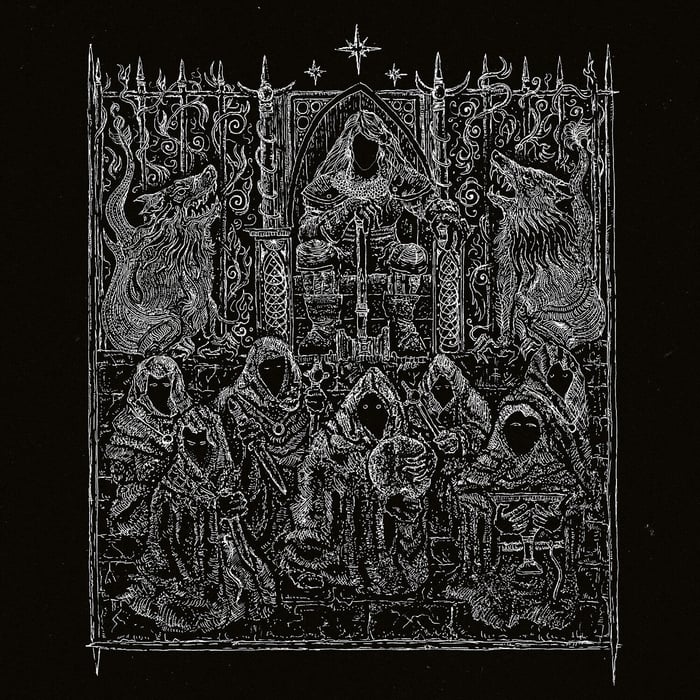
If you’re the kind of listener who treats album art like part of the emotional payload, you can always grab a favorite album cover poster for your wall at our store: https://www.architeg-prints.com
 | DISCOUNTGET 30% OFF*Use code on your next order:
|
* This post may contain affiliate links, meaning we earn a commission if you make a purchase through these links, at no additional cost to you.