On Borrowed Time Album Review: UK Hardcore That Pretends It’s Calm


 See more Architeg Prints stories on Google.
On Borrowed Time Album Review: UK Hardcore That Pretends It’s Calm
On Borrowed Time turns panic into melody—On Borrowed Time sounds like a band sprinting through fog, then acting surprised they’re out of breath.
The kind of debut that shows up already mid-argument
Some debuts feel like a “hello.” This one feels like walking into a room where the conversation has been going for hours and somebody’s already slammed a door.
On Borrowed Time have basically planted a flag as one of the UK’s best up-and-coming melodic hardcore bands with In The Dark Before The Dawn. And what’s sneaky about it is how hard it works to feel lived-in: reflective without going soft, tense without turning into theatre-kid drama. It keeps hopping the fence between skate punk and hardcore, not to show range, but to show restlessness—like the band can’t sit still long enough to commit to a single emotional temperature.
There’s a lot of “before” and “after” in this record’s DNA. Not in a grand, cinematic way—more like the feeling of checking the time too often.
“Twilight” doesn’t start the album so much as it loads the weapon
The first move is the slow-building instrumental “Twilight.” It’s patience as a threat. The whole thing rises like the band is drawing a line on the floor and daring you to step over it.
Then the crescendo hits, and you don’t get a gentle transition—you get shoved straight into “Burden.” The whiplash is the point. The album title suggests something hushed and liminal, but “Burden” opens up a pit anyway. Two-stepping parts, gang vocals, that classic hardcore snap… except it’s not cosplay. It feels like they’re using the familiar tools to build something slightly off-center, like the riff should resolve one way and it deliberately chooses the uglier option.
Here’s the official video embedded in the source—still hits like a brick:
And yeah, I thought the “instrumental intro into big hardcore track” move might feel formulaic—but the way “Burden” snaps into place made me back off that assumption fast. It doesn’t sound like a band copying an opening gambit; it sounds like a band insisting you take them seriously right now.
The album’s real trick: it lives between darkness and daylight
What In The Dark Before The Dawn keeps doing—over and over—is standing in that uncomfortable middle space. Not “light vs. dark” as a gimmick, but as a habit. These songs keep flipping the emotional coin mid-air: time, change, memory, the little moments that shape you, and the bigger ones that break you.
It’s honest in a way that’s almost blunt. When vocalist James Leatherbarrow hits the line in “Same Blood,” it doesn’t land like a poetic thesis—it lands like somebody grabbing you by the collar during an argument.
“we all bleed the same” — James Leatherbarrow
“Same Blood” also slides between punk energy and something more somber without announcing the shift. That’s a theme here: the band doesn’t put up signposts. Sometimes you only realize you’ve wandered into the heavier emotional room after the door’s already shut behind you.
One arguable take: the record’s “light” moments aren’t actually comforting—they’re just less noisy. The optimism here feels earned, but it also feels exhausted.
“Faded” is the album’s gut-check, and it doesn’t ask permission
The next big tell is “Faded.” It comes off raw and energetic, but not in a generic “fast song!” way. It’s positioned like a stabilizer—almost like the album needed a track that says, “Okay, here’s the nerve ending. Touch it.”
It balances the record because it’s emotionally different from the surrounding material. Where other tracks feel like they’re wrestling time and memory, “Faded” feels like it’s wrestling the room it’s currently standing in. It’s messy in a human way.
If I’m nitpicking, this is where I briefly wondered if the album leans a little too hard on intensity as a substitute for variety—like, “Faded” is great, but part of me kept waiting for an even sharper left turn that didn’t arrive. That said, the honesty in the performance mostly overrides that complaint.
The bigger point: every track feels like a window into the band’s insides—fragility and optimism sharing the same mic. That mix is why this doesn’t sound like just another melodic hardcore release floating by in the algorithm.
This record doesn’t chase the hook—it lets the songs “bloom”
The album’s pacing is quietly confident. Instead of chasing instant payoff, it’s built to reveal itself gradually. Songs don’t just “start” and “end”—they open up, they blossom, they change shape.
There’s a constant backward glance—looking back while still trying to move forward. It captures that weird threshold feeling: the moment before a new chapter begins, when you’re not sure whether you’re stepping into the future or just replaying the past with a different outfit on.
That’s why the second instrumental, “Reset,” works as more than filler. It’s a deliberate pause—like the album takes your shoulders, turns you toward what’s coming, and says, “Breathe. Now keep going.”
An arguable claim: “Reset” is the closest the album gets to mercy. Everything else feels like motion with teeth.
The title track is a controlled breakdown of control
Then the album throws itself into the second half with “Waiting For You (In The Dark Before The Dawn).” This is where the band stops hinting and starts confessing in public.
It’s almost unhinged—packed with so many emotions you don’t get the luxury of deciding what to feel. The punchy hardcore moments are chaotic in a way that feels intentional, like they’re staging panic rather than experiencing it. But when the pace drops, the song opens into a cathartic emotional section that actually changes the air in the room. You’re left sort of… gulping between lingering chords, like your body forgot to keep time while your brain caught up.
I’ll admit I wasn’t sure on first listen if the emotional slowdown would feel corny. It’s a risky move—hardcore bands can slip into melodrama fast when they try to “open up.” But on second listen, it clicked: the contrast is the whole thesis. The chaos makes the catharsis feel real, and the catharsis makes the chaos feel earned.
A hot take you can argue with: this track is the one that’s going to define them for years, because it sounds like the band discovered their own ceiling and decided to headbutt it.
“Last Step” and “After All” tighten the screws, then let the crowd take over
After that emotional knockout, “Last Step” and “After All,” arrive like the aftermath—still moving, but with the sense that the album is starting to close its fist.
And honestly, by this point you start wondering whether there’s anything left in the tank. The record has been a rollercoaster of melody and tension; surely it has to level out, right?
But instead, it digs back into the hardcore roots to round things off. “After All” in particular feels engineered for the room: the vocals have that shout-back shape, like they were written with an audience in mind—people screaming the words back not because they’re told to, but because that’s the only way to get the feeling out of your chest.
One arguable opinion: “After All” might not be the most complex track here, but it’s one of the smartest, because it understands the social physics of hardcore—what a closer does to a crowd.
“Love Song” ends like a slammed book, not a fade-out
The album closes with “Love Song” featuring Mark Betteridge, and it doesn’t end politely. It’s furious, but layered—melody and vocals stacking up into an emotional crescendo, and then it ends abruptly and forcefully. No long goodbye, no cinematic credits.
And that ending choice matters. It’s like the band refuses to let you romanticize what you just heard. The door shuts. The lights go off. You’re left holding whatever the album stirred up.
If there’s any weak spot for me, it’s that the closer’s sudden stop is so harsh it can feel like it cuts off its own emotional payoff by a couple seconds. Maybe that’s the intention—maybe the point is denial. Still, part of me wanted one last sustained note, just to let the final feeling fully bruise.
So what’s actually happening on this record?
To call In The Dark Before The Dawn a wild ride isn’t wrong, but it’s also underselling the craft. The album works because it embraces difference rather than smoothing it out. It leans into contrasts:
- darkness and optimism
- fragility and strength
- looking back and moving forward
And it doesn’t act like these things resolve neatly. That’s the honesty: life doesn’t tie itself into a bow, so the album doesn’t either.
This is the kind of debut that grows with time. Not because it’s vague, but because it’s specific enough to feel bigger as you change around it. By the end, it really does leave you with that sense that something meaningful got handed over—like you just listened to someone tell the truth a little too loudly.
If I’m putting a number on it in plain terms: this lands in “9/10 debut” territory for me—not because it’s flawless, but because it’s brave and focused enough to make the flaws feel like fingerprints instead of mistakes.
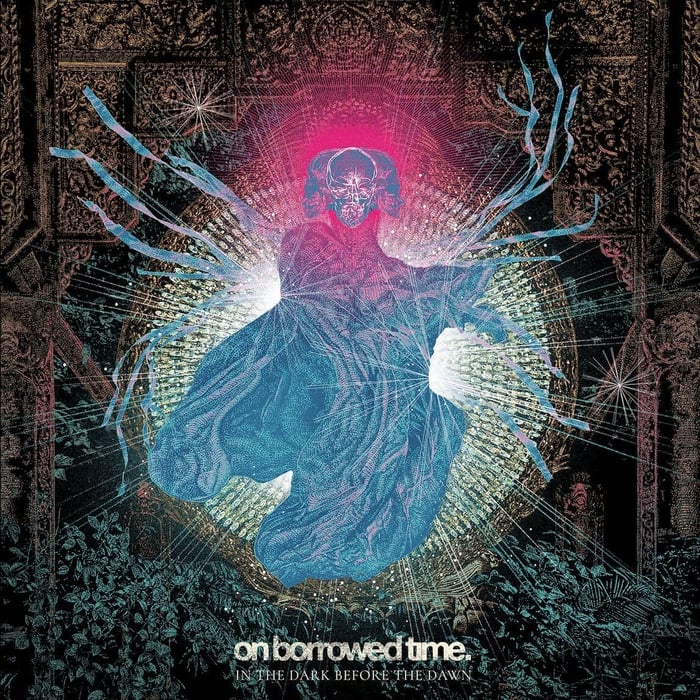
The album In The Dark Before The Dawn is out now via Omen Records.
Conclusion
In The Dark Before The Dawn doesn’t try to be your comfort record. It tries to be the moment right before you finally admit something—and it’s loud enough to force the admission.
Our verdict: People who like melodic hardcore that actually risks emotion (instead of just painting anger in prettier colors) will latch onto On Borrowed Time fast. If you want hardcore to stay one-note, tough-guy, and allergic to vulnerability, this album will annoy you like a sincere text message at 2 a.m.—and that’s kind of the point.
FAQ
- What genre is In The Dark Before The Dawn closest to?
It lives in melodic hardcore, but it keeps slipping into skate punk speed and then snapping back into heavier, gang-vocal-driven hardcore. - What track should I start with if I only have five minutes?
“Burden.” It’s the album’s handshake: direct, physical, and it tells you the band’s not here to whisper. - Is there a softer side to the album or is it all pummeling?
The softness shows up in pacing and atmosphere—especially in “Twilight” and “Reset”—and in the cathartic slowdown inside the title track. - Does the album feel cohesive or like a playlist of influences?
Cohesive. The shifts feel like mood swings that belong to the same person, not like the band’s showing off a reference list. - What’s the defining theme across the record?
Time and change—specifically that weird limbo where you’re staring at the past while trying to walk forward anyway.
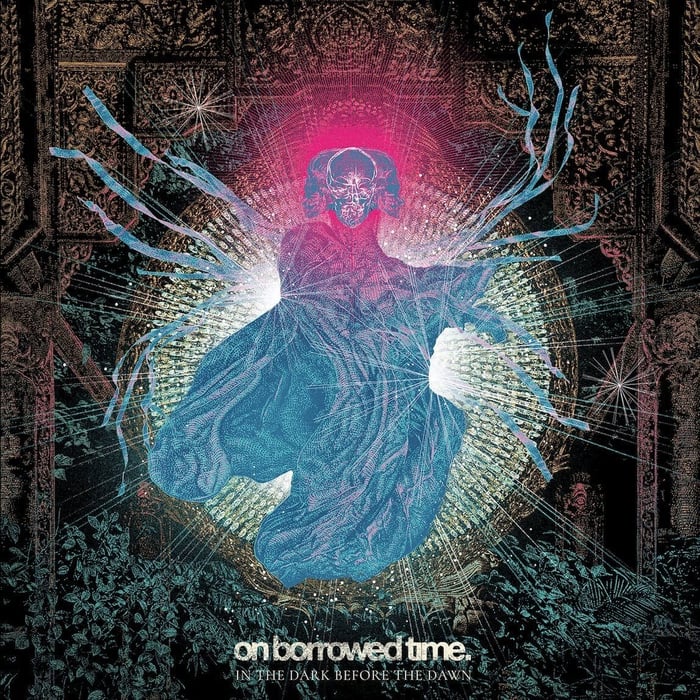
If this record’s cover is already burned into your brain, you can always grab a favorite album cover poster for your wall at our store: https://www.architeg-prints.com — it’s a nice way to let the “before the dawn” mood haunt your living room on purpose.
 | DISCOUNTGET 30% OFF*Use code on your next order:
|
* This post may contain affiliate links, meaning we earn a commission if you make a purchase through these links, at no additional cost to you.