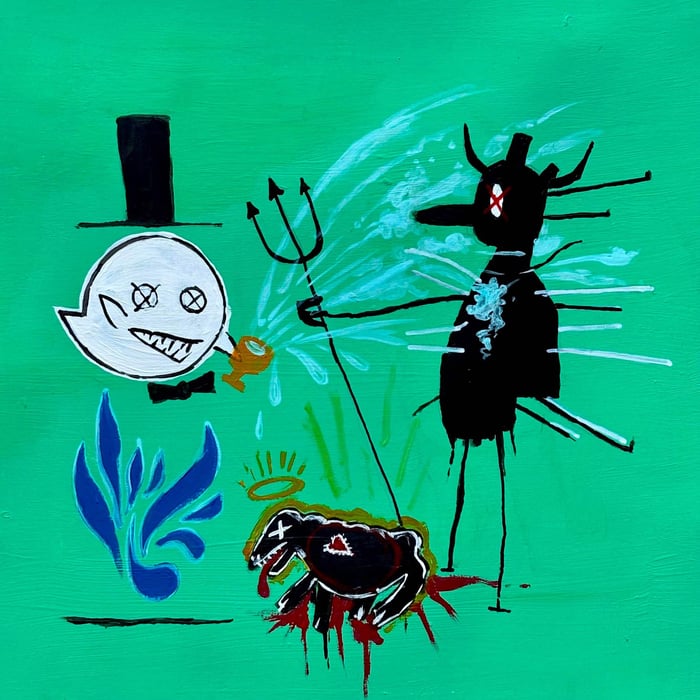
Xclusiva Mixtape Review: MXKA Makes Corridos Tumbados Catch Feelings


 See more Architeg Prints stories on Google.
Xclusiva Mixtape Review: MXKA Makes Corridos Tumbados Catch Feelings
Xclusiva mixtape isn’t built on macho bragging—it’s built on emotional leverage, and MXKA knows exactly when to switch languages to twist the knife.

A mixtape that refuses to “play tough” the usual way
Corridos tumbados usually runs on male bravado like it’s gasoline: loud rooms, louder egos, and a whole economy of bragging rights. Xclusiva mixtape steps into that world and quietly changes the subject. MXKA isn’t trying to out-flex the guys—she’s aiming lower and sharper: romance, longing, and the slow, annoying process of getting over someone who didn’t deserve a whole album in the first place.
She’s from Oakland and grew up in San Leandro, and the music carries that Bay-to-anywhere restlessness. Most of what she says lands in Spanish, but English shows up when the feelings spike—like the language itself is a pressure valve she opens only when she has to. That choice feels intentional, not like a gimmick. And yeah, someone could argue bilingual lines are just standard now—but here they hit like mood swings you can dance to.
When MXKA wants “forever,” she means it (and it’s kind of alarming)
The mixtape opens with “Cositas,” and it’s basically the sound of butterflies turning into a contract. She starts small—describing that flutter when he’s around, that little freeze-frame moment where the world stops—then suddenly she’s dropping “Tu destino es mo desde que nací” (“Your destiny has been mine since birth”). That’s a wild escalation for a crush, and on my first listen I rolled my eyes a bit.
But I’ll admit this: on second listen, that intensity started to feel like the point. She’s not trying to sound reasonable. She’s acting like love is a total takeover—sweet at the surface, possessive underneath.
“Tu X Yo” keeps pushing permanence, but she can’t (or won’t) decide who moves first. The hook circles “quién va primero, tú o yo?” like a dare, and then English slips out—“You got me in love with your body”—as if physical attraction is the only thing she’ll say without protection. The arguable part: I think the indecision is staged. It’s not confusion; it’s her testing how badly he wants it.
Then “Algo En Ti” shows the moment before commitment becomes obsession. It’s the shortest piece here, more like a sung sketch than a full song, and it captures that weird early-stage intimacy: falling for a voice before you even have a name. “No se tu nombre / Pero si es tu voz” (“I don’t know your name / But I know your voice”). One minute of wanting, then gone. If you think short tracks are lazy, fine—personally, I think it’s the cleanest writing move on the whole project.
“Bad girls don’t fall that easy”—and she keeps receipts
The mixtape gets more fun when MXKA stops pleading and starts collecting. “La Vuelta” is where she lays down her posture: some guy assumed she’d fall for him, and she corrects him like she’s deleting a contact.
“Pensaste que yo iba a enamorarme, pero no” (“You thought I was going to fall in love, but I didn’t”). Then the line that basically explains her whole angle: “Las malas no caemos así fácil” (“Bad girls don’t fall that easy”). This isn’t empowerment-by-slogan; it’s a strategy. She’s telling you she’s seen the playbook, and she’s not auditioning for anyone’s fantasy of the easy girl.
Even his exit gets re-framed as a failed power move: “la vuelta, amor, se te volteó.” She shrugs him off with “La neta, me vale madre / Si te vas,” which lands less like cruelty and more like relief—like she’s surprised she ever bothered.
And then she gets petty in a way that’s almost charming: “Te olvidé fácil como Beli a Lupillo.” It’s a punchline without being a joke, a breakup measured in tabloid time. She also drops her coordinates—“Del Bay a LA”—and it matters. She’s staking territory in a genre that usually treats men as the default narrators.
“Tattoo” flips possession in the other direction: she’s not the one marked—she’s the mark. “Pegada como tattoo / Asi te quedaste tu.” It’s half boast, half warning, and the hook sells the idea that love can stick even when you don’t want it to. Someone could argue it romanticizes attachment. I think it’s more like a threat wrapped in a melody.
Then “Xclusiva” turns the hurt into bragging with a clean pivot: a night out in “Fendi, Balenciaga,” and the ex gets waved off with “Pero yo las baddies ya no estamos puestas para el.” JM4C answers her bilingual flex with one of his own, and the whole thing plays like victory-lap music that doesn’t even look back. It’s probably the most joy she lets herself have at a man’s expense—and it works because she doesn’t overdo it.
The quiet songs hurt more, and that’s not an accident
The loudest tracks are the ones with posture. The quiet ones are the ones that bleed.
“Cómo Te Va?” comes in with guitar strums and violin shading the edges, and suddenly she’s not tough anymore—she’s honest. She admits the coldness of an empty night: “La noche es fría sin tu calor.” That line doesn’t need decoration; it’s blunt in the way loneliness is blunt. And then she does something a lot of these songs avoid: she takes a share of responsibility—“Y si te fallé, no fue la intención” (“And if I failed you, it wasn’t my intention”).
She reaches for a grand image—two lovers falling “Como dos torres”—and then the line trails off into “se desvaneci,” like the metaphor collapses mid-sentence. That little crumble is the best part. It’s messy, and it sounds like she means it.
“Fantasmas” goes even darker. She calls it what it is: an injury that doesn’t heal quickly—“Las heridas en el amor no tan fácil sanan.” And then the haunting gets literal: “Y tus fantasmas me visitan / Por las noches me gritan.” The rule comes down cold: “Los chances no se dan dos veces” (“Chances aren’t given twice”). She sings it quietly, and somehow that’s more convincing than shouting it. Anybody can yell “I’m over you.” Whispering it like you’re talking to yourself? That’s the real breakup.
If you prefer the flex tracks, you might call these slow songs a drag. I’d argue the opposite: this is where Xclusiva mixtape stops being vibes and starts being specific.
Desire gets its own vocabulary—and the genre lines start thinning
There’s a point where the mixtape shifts from heartbreak to appetite, and the language gets more physical. That’s also where the regional fingerprints begin to fade, almost like MXKA deliberately steps away from the corridos identity to see what else she can be.
“Nectarine” is the clearest example. The desire is mutual ownership: “Sabes que te pertenezco / También soy consciente / Que me perteneces” (“You know I belong to you / I’m also aware / That you belong to me”). Then it drops into the repeated hook: “Juicy like a nectarine / Break you off a lil piece.” It moves well, it’s sensual, it’s catchy—no problem there.
But I’m not totally sure the song knows what it wants to sound like. The guitar-and-brass character that anchors other tracks fades out, and suddenly it leans closer to standard bedroom R&B. That’s not automatically bad—it’s just less distinctive. And yeah, maybe that’s the point: desire flattens everything into body talk.
“Mi Confesión” handles the bilingual tension more effectively. Instead of splitting Spanish and English into separate sections, she braids them into one melody. “Esta es mi confesión / Te pienso sin razón / Y ya no lo puedo negar” slides straight into “Touchin all on yo body / Kissin all on yo body” in the same breath. That seamless switch feels like the most natural bilingual moment on the tape—less like performance, more like the brain flipping channels in real time.
Both tracks are easy to listen to, but if I’m being blunt, they also sound like they could belong to a hundred other singers. They’re not bad. They’re just less MXKA.
“Afraid Of” breaks the spell—and almost breaks the mixtape
Then there’s “Afraid Of,” and it feels like it wandered in from a different breakup entirely. It’s in English, and the temperature drops instantly—slower, colder, less romantic. The hurt isn’t sadness anymore; it’s a threat with steady eye contact.
“A liar hates the truth,” she sings, and unlike the other breakup songs, she doesn’t shrug him off or float above it. She follows him out the door and tries to ruin his future: “I’ll make sure that I / Kill the dreams you had / Get you back.” A few bars of Spanish in the middle—“Hoy es tu despedida”—land like a sentence being read aloud.
The danger is real. She sings it more aggressively, with more venom than anywhere else on the mixtape. And here’s my hang-up: it fights the mixtape’s overall tone so hard that it slightly loses shape. The revenge feels almost one size too large for the song to contain, like the track is trying to hold a wildfire in a glass.
Still, I respect the choice. It’s the one moment where MXKA stops being wounded or witty and becomes genuinely scary. Someone might say it doesn’t belong. I think it belongs precisely because it doesn’t fit—breakups don’t come in one flavor.
“Me Cansé” is where the story finally flips, and the guy can’t win
The best moment on Xclusiva mixtape is “Me Cansé,” because it’s the first time she stops circling the situation and just ends it. The hook is exhaustion turned into a boundary: “Me cansé / De buscarte una y otra vez / Ya no vuelvo a caer en tu red.” No poetry. No flirting. Just done.
And then she finally lets a man answer. Low Clika takes the other mic, and where she has conviction, he has remorse. He wants to fix it: “Y creo que ese puedo ser yo.” He even pleads with attraction and nostalgia—“Sabor a MXKA / Que me provoca.”
This is the male corrido singer she’s been singing about the whole time—the guy who assumes he can talk his way back in. But the structure of the song makes it obvious: he’s going to lose. She sounds worn and definitive. He’s still trying. She’s already gone.
If you came to corridos tumbados for dominance and swagger, this track might feel like a betrayal. I think it’s the mixtape’s most honest flex: the power move is leaving.
Conclusion
Xclusiva mixtape isn’t MXKA begging for a man or trying to out-macho the genre’s usual stars. It’s her treating love like a battleground where softness is a weapon—and where the calmest lines do the most damage.
Our verdict: People who like corridos tumbados but secretly want more romance, regret, and bilingual emotional whiplash will actually love Xclusiva mixtape. If you only want chest-thumping anthems and “I’m the king” energy, you’re going to get impatient and wander off halfway through “Fantasmas”—probably to play something louder and pretend you don’t have feelings.
FAQ
- What is the core vibe of the Xclusiva mixtape?
It swings between romantic fixation, cold brush-offs, and a few moments where the sadness turns physical or even threatening. - Which songs feel the most emotionally exposed?
“Cómo Te Va?” and “Fantasmas” hit hardest because she drops the bravado and sounds like she’s talking to one person, not a crowd. - Does MXKA lean more into Spanish or English here?
Mostly Spanish, with English showing up when the emotion turns bodily or blunt—like she’s switching tools mid-thought. - Do the more sensual tracks fit the corridos tumbados identity?
They fit the mixtape, but they thin out the regional character; “Nectarine” especially drifts toward bedroom R&B territory. - What makes “Me Cansé” stand out?
It’s the cleanest turning point: she stops chasing, Low Clika pleads, and the song’s entire structure makes his apology feel too late.
If you want to keep the feeling of this mixtape on your wall—especially that glossy cover energy—consider grabbing a favorite album cover poster from our store: https://www.architeg-prints.com
 | DISCOUNTGET 30% OFF*Use code on your next order:
|
* This post may contain affiliate links, meaning we earn a commission if you make a purchase through these links, at no additional cost to you.