Yellow House Review: Satya Turns Trauma Into Tea-Time Folk (Oops)


 See more Architeg Prints stories on Google.
Yellow House Review: Satya Turns Trauma Into Tea-Time Folk (Oops)
Yellow House isn’t “pretty sad songs.” It’s a low-voiced map of survival—warm, slow, and occasionally too comfortable for its own good.
The first thing you notice is how close she stands to the mic
This album doesn’t kick the door in. It leans its forehead against the door and talks through it until you give up and let it inside.
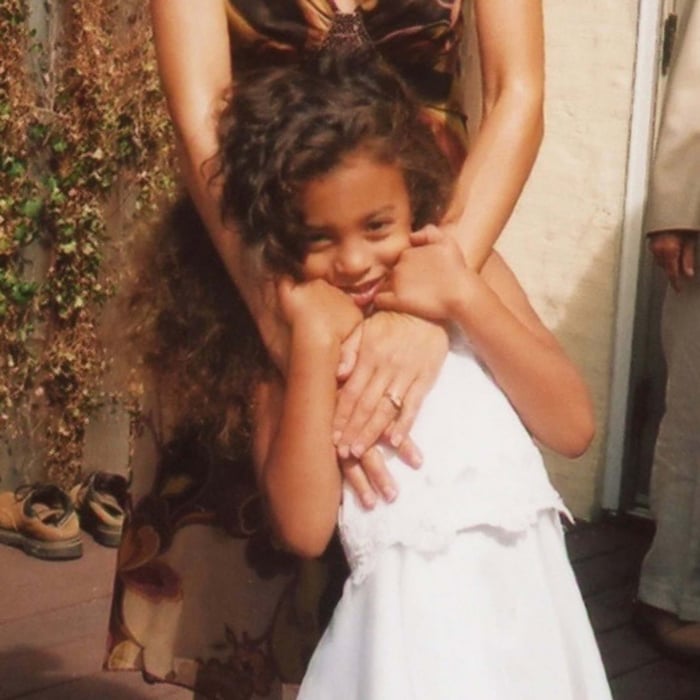
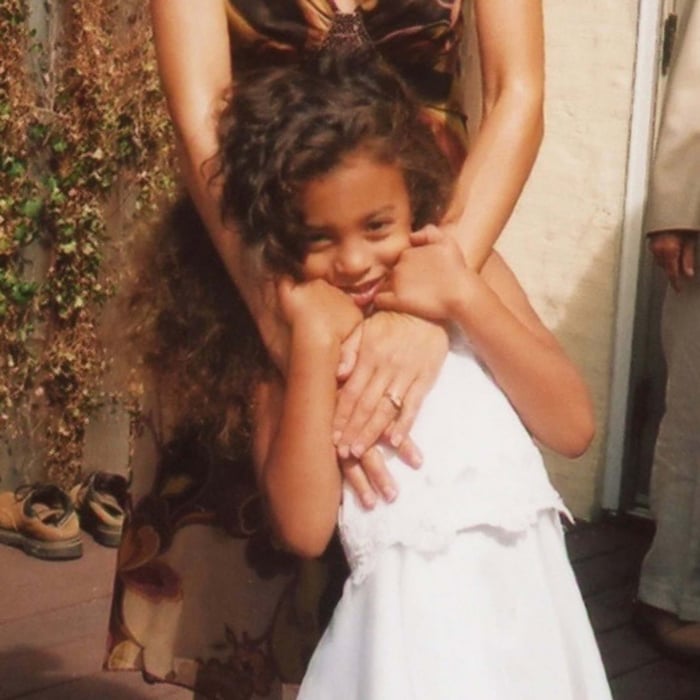
What “Yellow House” really trades on is intimacy that doesn’t ask permission. Satya Hawley sings like she’s trying not to wake somebody up in the next room—low, conversational, almost stubbornly calm. At first I thought that calm meant the record would float by like tasteful background music. On second listen, it hit me that the calm is the point: this is what it sounds like when someone has already screamed in private and is done performing the mess for you.
The backstory is baked into the writing without needing a big dramatic frame. She studied music industry stuff at Loyola—basically a straight road into the business—and then the world stalled. She came down from Oakland to New Orleans, and instead of treating the city like a temporary chapter, she let it rewrite her. That’s the energy here: not “I moved and found myself,” but “I moved and couldn’t go back even if I wanted to.”
And the album feels built from that locked-down time—like she cracked open old journal entries and wrote replies to her younger self. The “yellow house” of the title isn’t some cute nostalgia container. It’s a place where love and hurt were the same oxygen, filling the room whether you wanted it or not. That’s what the record keeps circling: not just pain, but the confusing way pain can come wrapped in familiarity.
“Project 10” is the album’s disguised panic attack
The first major shove comes from “Project 10,” and it’s not subtle about moving your body. A live band drives it hard—this isn’t a sway, it’s a push. The rhythm section doesn’t politely support her; it sort of runs ahead and drags the song along like it’s late for something.
She’s singing from inside the shutdown, but the fear isn’t abstract. It’s heights. It’s looking down and getting dizzy. When she asks, “Who’s gonna hold my hand/If I hit the ground?” it lands because she doesn’t dramatize it—she says it like she’s genuinely checking whether anyone’s available.
There’s a repeated line—“Deep as the sea, darkest at night”—that functions like a mantra you repeat because you don’t have a better tool. And the band choice matters: the groove keeps pushing from below even when the lyric is sinking. That contrast is an arguable creative flex. Some listeners will hear “uplift”; I hear a refusal to let the floor fall out completely. It’s not hope exactly. It’s momentum.
The title track treats memory like an itemized receipt
Then “Yellow House” itself shows up and does something quietly brutal: it lists. No metaphor fireworks, no fog machine. Just a catalog of images she can’t drop.
“Yellow house, lemon tree, wooden floor she laid face down/Yellow house, dead birds, pill bottles missing from the cabin.”
Those details don’t feel like songwriting tricks. They feel like the stuff that flashes in your head when you’re trying to talk yourself out of calling something “trauma” because it sounds too dramatic, so you stick to objects. The guitar and drums loom close—tight, present—then release into the final stretch like the song is finally letting itself exhale.
And she draws a hard line: “I’m not going home again, I won’t.” That’s not a wistful “maybe someday.” That’s a vow said through clenched teeth. The arguable part: I think the album’s real center of gravity is that vow, not the sadness. It’s a record about refusing.
“I’m not going home again, I won’t.” — Satya Hawley
“Seven” is where the album stops being poetic and gets serious
After that, “Seven” turns down the music and points that same steadiness inward—straight at her younger self. The line “Honey, how could you have known?” is such a simple question that it almost hurts more than a detailed confession would.
She’s singing to a seven-year-old who’s building walls after one man leaves and another follows. The song doesn’t do the usual thing where the adult narrator swoops in and “heals” the past with some neat conclusion. Instead, she makes a promise: she’s not the leaving kind. And she delivers it in the same level tone, which is exactly why I buy it. If she’d oversold it emotionally, it would’ve sounded like theatre.
This is also where I started to realize the record’s vocal approach is a strategy, not a limitation. She keeps her voice low because the subject matter doesn’t need extra decoration. The songs are already heavy; she’s refusing to make them sound heavier just to impress you.
“Circles” is the moment the album finally expands past the room
“Circles” is where she reaches furthest—sonically and emotionally. It begins with a dark guitar figure, and instead of staying in that tight folk pocket, it grows: slide, organ, keys, reverb. The soundstage widens like the walls move back.
She’s said this track “opened the album’s world,” and yeah, you can hear why. It’s not just another memory scene—it’s pattern recognition. She tries to find someone “in [their] own mind,” tiptoeing around each dark corner, and the breakthrough isn’t forgiveness. It’s boundaries.
“Reciting your circles, but this time, I intend to swim.”
That’s the line that flips the song from observation to decision. And it’s an arguable read, but I think “Circles” is the album’s thesis statement: she’s done drowning in somebody else’s chaos and calling it love.
The bridge mentions a hallway she dreams of, and the record uses that like a trapdoor into the next track.
The interlude is basically a kept voicemail—and it works
“Interlude (At Tal’s House)” barely qualifies as a “song,” which is exactly why it’s effective. It’s a phone recording—kept in, flaws and all—of her speaking into the bedroom space of Tal Ariel. No polishing. No studio sheen. Just breath, words, and the size of the room around them.
“Every other day, I dream of a hallway/Hold on to your words, and I’ll pray you’re okay.”
It’s so exposed that I wasn’t sure, at first, if it would feel too private—like reading someone’s text thread over their shoulder. But the longer the album goes, the more it makes sense: the record is built from journals and replies to the past. Of course it would include something that sounds like it wasn’t meant for an audience. That’s the point. The arguable claim here is that the interlude is more “produced” emotionally than some of the full-band tracks, precisely because it refuses production.
Two covers show her lineage… and also test your patience
Two tracks here aren’t hers, and she uses them like family photographs slipped into the album.
“Fruits of My Labor” comes first. Satya doesn’t try to outshine Lucinda Williams. She folds into the song—slow, worn-out vocal, like she’s letting the track hold her instead of the other way around. She even keeps the lemon tree image—“Lemon trees, they don’t make a sound/‘Til branches bend, and fruit falls to the ground”—and because she already planted that lemon tree in her own title track’s world, the cover doesn’t feel borrowed. It feels like she’s tracing a symbol back to where she found it.
Then there’s the Grateful Dead’s “Box of Rain,” a song her grandfather loved. This one comes in warmer, swelling, almost like a gentle heave. And she leans into its promise: “A box of rain will ease the pain and love will see you through.” In the context of this album, that line isn’t cheesy—it’s inheritance. Proof that devotion can be passed down even when stability wasn’t.
Here’s my mild gripe, though: placing two languid, settled covers back-to-back is a choice that tests the album’s pacing. Each one works on its own. Together, in a record that already likes slow tempos and low registers, they create a stretch where the patience starts to feel less like intention and more like drift. Some people will call that “cohesive.” I call it a nap risk.
When warmth becomes a weakness, the album briefly loses its bite
As the songs roll on, that warmth starts turning into a soft spot. There’s a lot of the same tempo, the same low vocal zone, the same controlled delivery. If you’re waiting for a big energetic contrast—something that stands up and knocks a glass off the table—you won’t get it for a while.
And I’m not even saying the album needs a banger. It doesn’t. But it does flirt with a kind of sameness that can blur the edges between tracks. I kept waiting for the music to surprise me the way the lyrics do.
That said, the record makes a smart move: when it needs to feel alive again, it gets smaller.
“Heaven’s Cry” brings back air—and finally lets her voice climb
The return to breath in “Heaven’s Cry” is a relief I didn’t know I was craving until it happened. The melody opens up and takes on more weight—not louder, just fuller. Her vocal clears and rises through more of its range.
And the lyric hits with a specific kind of dread: she’s leaving a house that’s become threatening. Not haunted. Not metaphorically “dark.” Threatening, like a place that could actually harm you. “I’m learning to crawl, looking for solid ground.” The hush lifts, and the climb she’s singing about starts showing up in the music, too. That’s the moment where the album stops describing survival and starts sounding like it.
The arguable claim: “Heaven’s Cry” does more for the album’s emotional dynamics than any bigger arrangement could’ve. It’s not the loudest moment—it’s the one with the most oxygen.
“Cicadas” sounds like New Orleans rain turned into a shelter
The album’s closing stretch circles back to New Orleans, the place she landed after dropping out—and “Cicadas” wears that setting like weather on your skin. It’s warm, dark, and built with rain she recorded there and slipped underneath the track. That detail matters because it’s not just ambience; it’s a foundation. The song is literally resting on the sound of where she rebuilt herself.
Her voice shifts from exhilaration into a deep calm as she sings about the person she calls with good news and bad. And then she starts naming the kinds of love that actually saves you—friends who show up, who track you down, who hold you through it.
“Ran across country, she followed me there/Crying in her arms, brushing up my hair.”
That’s not a poetic image. That’s a scene. The kind you remember with embarrassing clarity because it’s one of the moments you didn’t manage alone.
If the girl in the yellow house was determined not to go home again, this is the adult version of that vow paying off: she built something else. A chosen weather system. A place made of people. And she carries it with her, rain noise and all.
The arguable takeaway: “Cicadas” is the album’s most generous song, and it earns that generosity by not pretending gratitude fixes the past. It just proves she didn’t stay trapped in it.
Conclusion: the album isn’t trying to entertain you—it’s trying to stay honest
“Yellow House” moves like someone walking carefully through a familiar room in the dark—hand out, memory doing the navigation. It’s intimate, sometimes almost too steady, but that steadiness is the point: Satya Hawley isn’t dressing up these stories for a big moment. She’s telling them the way you tell the truth when you’re done bargaining with it.
Our verdict: People who like slow-burn singer-songwriter records that feel like real rooms—not vibes—will lock into Yellow House hard. If you need big dynamic swings, flashy hooks, or anything resembling “turn it up,” this will feel like watching paint dry on a very meaningful wall.
FAQ
- What is the core mood of Yellow House?
It’s intimate and steady—more like a late-night confession than a performance, with warmth that sometimes turns into restraint. - Which song feels like the album’s turning point?
“Circles,” because the sound expands and the lyric pivots from revisiting pain to refusing it. - Are the covers worth it?
Yes individually—“Fruits of My Labor” and “Box of Rain” deepen the album’s family-history thread—but placing them back-to-back risks slowing the record too much. - Does Yellow House ever get louder or more energetic?
Not in a “big chorus” way. The lift comes through texture and vocal range, especially in “Heaven’s Cry,” not through tempo changes. - Who is this album likely to frustrate?
Anyone who equates emotional depth with dramatic delivery. This record keeps its voice low even when the content is heavy.
If this album made you want to live inside its imagery a little longer, a good album-cover poster isn’t a bad way to keep that feeling on the wall—tastefully, not like a shrine. You can browse prints at our store: https://www.architeg-prints.com/
 | DISCOUNTGET 30% OFF*Use code on your next order:
|
* This post may contain affiliate links, meaning we earn a commission if you make a purchase through these links, at no additional cost to you.