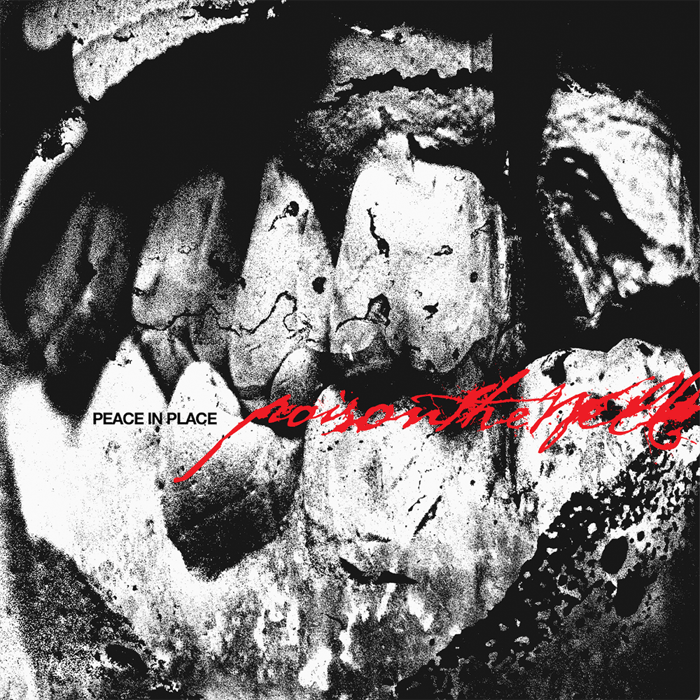
Peace In Place: Poison The Well’s “Comeback” That Refuses to Behave


 See more Architeg Prints stories on Google.
Peace In Place: Poison The Well’s “Comeback” That Refuses to Behave
Peace In Place isn’t a polished reunion lap—it’s Poison The Well choosing mess, bite, and feeling over modern metalcore manners.
Let’s get one thing straight: this band never needed “re-evaluation.”
There’s this tired storyline people love: band breaks up, becomes “legendary” in hindsight, comes back to bigger hype than they ever earned in real time. I kept waiting for Peace In Place to fit that narrative neatly—like a victory parade for a once-overlooked group.
But that’s not what listening to Poison The Well feels like. This isn’t some rescued-from-obscurity act cashing in on nostalgia. The devotion has always been there. Even back when they were underground, the pull was obvious: the kind of band people don’t “kinda like,” they latch onto. The Opposite Of December still sits there like a metalcore landmark because it didn’t try to be tidy or polite. It sounded like a scene forming in real time.
And yeah, they were never arena-sized, not even close—but they pulled a following that actually cared. Not passive listeners. The kind of people who show up early and know the deep cuts.
The cult-band ceiling was real, and they hit it hard
Here’s the part people forget: being loved doesn’t automatically translate into being big. Even with a brief run under Atlantic Records, Poison The Well didn’t get the level of success their influence suggests they “should” have. They ended up with that specific aura: a cult band with a long shadow.
When they went on hiatus in 2010, the interest didn’t evaporate. It just… waited. Which is worse, honestly. A comeback album after that kind of pause doesn’t arrive casually. It arrives with a weight strapped to its ankles.
Peace In Place is their first full-length in over fifteen years, and you can hear them reacting to that expectation by doing the least pandering thing possible: they make a record that sounds like it doesn’t care what the market wants now.
The live-fire proof… and the studio question
If you saw them tear it up at Outbreak 2024, you already know the live version of this band didn’t “age out.” The chops are still there. The intensity doesn’t read like cosplay.
The real question is the boring one: can they still translate in the studio?
I’ll save you the suspense, because the album does.
This album isn’t “modern”—it’s a time capsule with teeth
I didn’t expect Peace In Place to feel this much like a recovered artifact. On first pass, I honestly thought, “Okay, they’re leaning hard into the legacy thing.” But the more time I spent with it, the clearer it got: this isn’t legacy worship. It’s stubbornness. It’s them refusing to sand anything down for easy consumption.
It’s aggressive and emotional in that earlier metalcore way—before the genre got boxed into a set of templates. Before everything had to land in the same “approved” chorus architecture. This record keeps swerving. It doesn’t settle into one songwriting shape and call it a brand.
And that’s the whole point: Peace In Place sounds like it could’ve been recorded in secret in the mid-2000s and sat on a hard drive until now. I can’t prove that, obviously, but the vibe is so uncynical it’s almost suspicious in 2026. Like, who makes something this unstrategic on purpose?
Also, it’s miles closer to the kind of modern hardcore-leaning metalcore that values abrasion over shine than it is to radio-bait “metalcore” that treats heaviness like a costume. You can practically hear the album rolling its eyes at anything built for Octane rotation.
“Wax Mask” opens like a bad idea that works anyway
The first real statement is “Wax Mask,” and it comes in slightly sideways—like they didn’t want to kick the door down in a normal, crowd-pleasing way. It sounds like a lost Poison The Well classic, which is both comforting and a little confrontational. Comforting because the identity is intact. Confrontational because it’s not trying to be sleek.
The riffs hit with that thundering heft, and the vocals go for the throat—larynx-wrecking roars that don’t sound carefully “performed.” They sound spent. There’s a brief bridge where melody wanders in and gives you half a second to breathe, but it’s basically a fake-out. Most of the track is pressure.
It’s an off-kilter opener, and I mean that as praise: the musical equivalent of being torn to shreds by a very sad bear. And weirdly, that sadness matters—because this isn’t tough-guy heaviness. It’s heavy with bruises.
If you loved staples like “Botchla,” you’ll recognize that same refusal to smooth the corners.
“Primal Bloom” and “Thoroughbreds” prove they’re not chasing one mood
The next moves are where the album shows its real personality.
“Primal Bloom” is hectic in a way that feels intentional, not sloppy. It keeps snapping between raw fury and darker melodic turns—like the band can’t decide whether to bite or brood, so it does both and lets you deal with it. A reasonable listener might call that lack of focus. I hear it as the whole charm: a band choosing volatility over coherence.
“Thoroughbreds,” though—that’s the track that surprised me. There’s urgency, but also a kind of inward pacing that made me think of a more metallic At the Drive-In kind of tension. Not because it copies them, but because it has that same nervous forward motion, like the song is trying to outrun its own thoughts.
And if you’re waiting for the album to “settle into the singles,” good luck. It doesn’t really do that.
The chaos is the thesis: they sound like they never “finished evolving”
Here’s a take people might fight me on: sometimes Poison The Well come off like a band that never evolved into a final form—and that’s why Peace In Place works.
Modern metalcore bands often sound like finished products. Everything has a designated role. Intro does this, verse does that, chorus does the marketable thing, breakdown arrives on schedule like a bus.
This record doesn’t act like that. It acts like a band making decisions in the moment, even when those decisions are a little inconvenient.
The best example is “Everything Hurts.” It opens stripped back, then crashes into a chorus that feels like it’s having a personality crisis—like the song itself isn’t sure which emotional lane it wants. That’s exactly the kind of move you almost never hear from modern metalcore, even from bands who swear Poison The Well influenced them. Influence is easy to claim; it’s harder to inherit the weirdness.
I’ll admit I wasn’t totally sold on that chorus the first time through—I kept waiting for it to “resolve” into something cleaner. On second listen, I realized the lack of resolution is the point. It’s discomfort you’re meant to sit in.
Uncommercial on purpose—and that decision will cap the comeback
This is not a commercial comeback album. Not even slightly. And I don’t mean that as moral virtue signaling—I mean it as an obvious creative choice you can hear in the structures.
That choice probably means the band will play the same size rooms as before. There’s no big “welcome back” compromise here, no glossy rebrand meant to funnel them into a larger ecosystem.
But the flip side is simple: the people who show up are going to adore this. Because it’s not trying to win over a new audience with softer edges. It’s meeting the existing devotion with something that respects it.
If anything, Peace In Place almost dares casual listeners to leave.
36 minutes: in, out, wreckage left behind
The runtime is tight—36 minutes—and that’s another place where the album quietly flexes discipline. It doesn’t linger. It doesn’t pad. It doesn’t chase the bloated “more is more” approach that so many heavy records fall into.
The album’s pacing feels like this:
- it shows up
- it wrecks everything
- it has a good cry
- it pulls itself together
- it disappears before you can get comfortable
That’s the right length for this kind of emotional abrasion. Any longer and the impact would start to dull.
The roughness is part of the honesty… but it’s not flawless
This record is rugged and unpolished, and it wears those flaws like trophies. It even sounds like it was recorded live, like the band wanted you to hear air moving and corners catching.
Now—small criticism, because nothing’s sacred: that raw “live” feel can blur details. There were moments I wished one riff or vocal line punched through with a bit more separation, just so the nastiest parts hit even harder. The mud is vibe, sure, but sometimes mud is also just mud.
Still, the bigger truth is that the lack of major-label shine is doing them favors here. They don’t sound backed by a huge marketing machine, and the record benefits from that. It feels earnest in a way a lot of “comeback” albums don’t. This isn’t metalcore written in a boardroom. It’s metalcore that sounds like it was written in a garage after a ten-hour factory shift—tired, wired, and still angry enough to mean it.
Release details (because yes, it matters)
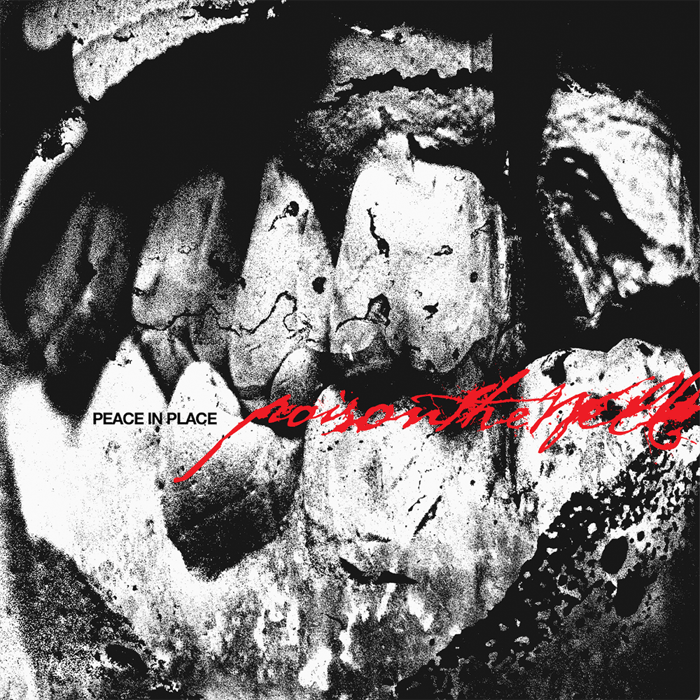
Peace In Place is set for release on March 20 via SharpTone Records. However you feel about reunion albums, the timing here doesn’t feel like a trend-chase. It feels like they finished the thing when it was ready and hit send.
If you want to keep up with them the normal way, they’re on Facebook.
If I had to slap a number on it
I don’t love ratings because they pretend music is a household appliance, but fine—if you forced me to translate my reaction into a number, this lands around a 9/10 experience for what it’s trying to do: a comeback that refuses to behave, refuses to sand down, and refuses to turn history into a product.
Conclusion
Peace In Place doesn’t ask permission to exist in 2026. It just shows up with its old scars intact and dares the genre to remember it wasn’t always designed for easy digestion. I expected a respectable return; what I got was a record that sounds like it would rather pick a fight with your expectations than hug them.
Our verdict: People who miss metalcore that swerves, snarls, and occasionally trips over its own feelings will actually love Peace In Place. People who need clean choruses, predictable ramps into breakdowns, and “professional” polish will not—and they’ll probably call it messy like that’s a slam dunk.
FAQ
- Is Peace In Place a nostalgic throwback or a modern update?
It plays like a time capsule on purpose—less “modernized update,” more “we didn’t forget how this used to feel.” - How long is the album?
About 36 minutes. It’s tight, fast, and doesn’t pad the tracklist. - Does the band sound different after the long gap?
The edges aren’t softened. If anything, the record leans into roughness rather than trying to sound “current.” - What track best shows the album’s personality?
“Wax Mask” sets the tone with an off-kilter punch, while “Everything Hurts” shows how weird they’re willing to get with structure. - Will this album appeal to fans of radio-friendly metalcore?
Probably not. This one doesn’t act like it wants playlist approval.
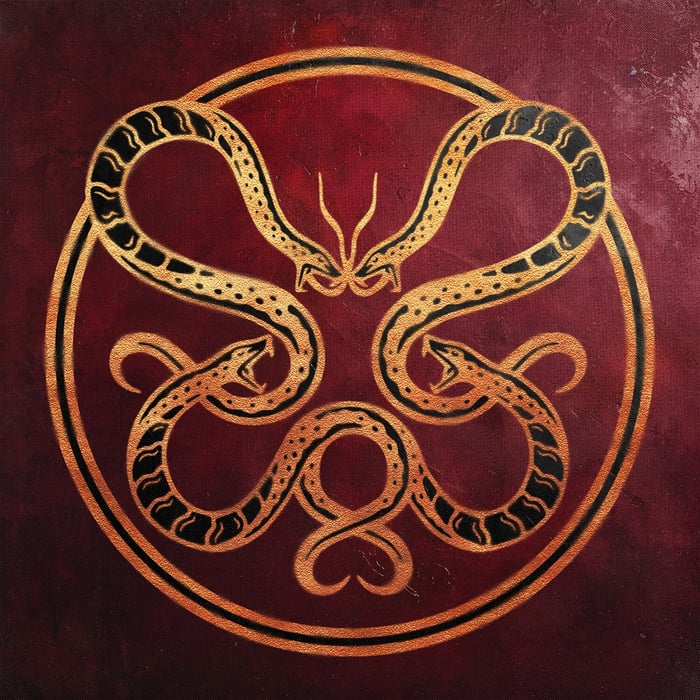
If you’re the kind of person who still cares about album art as part of the whole statement, you can grab a favorite album cover poster at our store—tastefully, not aggressively—over at https://www.architeg-prints.com.
 | DISCOUNTGET 30% OFF*Use code on your next order:
|
* This post may contain affiliate links, meaning we earn a commission if you make a purchase through these links, at no additional cost to you.