The Anatomy Of Surviving Review: Vicious Rain’s “New Band” Flex Is Loud


 See more Architeg Prints stories on Google.
ALBUM REVIEW: The Anatomy Of Surviving – Vicious Rain
Discover how Swiss metalcore band Vicious Rain's debut album, The Anatomy Of Surviving, blends raw emotion with powerful grooves and dynamic riffs to make a strong statement in the modern metalcore scene.
A record that shows up like it owns the venue
Metalcore’s in that phase where new bands don’t “arrive” so much as they kick the door off the hinges and dare you to complain. Vicious Rain—a Swiss band still early in their run, with a first album landing in 2024—sound like they’re trying to skip the polite introduction entirely. Anatomy Of Surviving plays like a bid for recognition on purpose, not as a hopeful accident.
And yeah, I can hear the strategy: raw emotion up front, modern metalcore mechanics underneath, and enough tempo switching to keep your neck guessing.
What the album is really selling: pressure, then release
Here’s the thing this album seems obsessed with: tension management. Not just heaviness for heaviness’ sake, but that modern metalcore push-pull—heavy-hitting riffs, sudden tempo changes, and vocals that swing between “I’m fine” and “I’m absolutely not fine” without warning.
I went in expecting a standard “new band proves they can chug” situation. But the songwriting keeps aiming for that specific emotional-cathartic hit, the kind where the groove isn’t just a groove—it’s the lever they pull to make the chorus feel like it earned oxygen.
I’m not saying it’s reinventing metalcore. I am saying it’s built like they studied what lands live and decided to treat that as the mission statement.
The intro track isn’t an intro—it’s a trapdoor
The opening “The Anatomy Of Surviving” doesn’t rush to impress you. It gradually lets you in with a slower electronic section, the kind that feels like a loading screen—calm, synthetic, slightly ominous. It builds with intention, and then it does the move this genre loves: it stops “setting the mood” and starts collecting your teeth.
That transition into “Gods Of Glass & Wire” is where the album’s personality actually shows itself. The riff rolls in like it’s testing the floorboards, and then David Häusermann comes down hard with a rough, ready scream—not delicate, not dressed up, just direct. The band lands into half-time with those driving riffs, and the whole thing starts to feel less like a song and more like a machine shifting gears.
Then there’s that quick emotional pivot where guitarist and melodic vocalist Mauro Gugerli steps forward—brief, melodic, almost tender—before the track gets yanked back into a heavy groove. That contrast reads like a deliberate thesis: we’re going to show you the soft part, but we’re not going to let you get comfortable inside it.
If I’m being picky, I’m not totally sure the electronic intro needs to be that patient. On first pass I felt my attention wander for a second. But once the album’s full pacing clicks, that slow open starts to feel like them widening the runway so the impact hits harder.
“A Spotless Mind” plays rockstar, then remembers it’s a fight
One of the singles, “A Spotless Mind,” leans into heavier rock-sounding elements, and it’s kind of funny how confidently it does it—like the band puts on a cleaner jacket for a moment, just to prove they can. But it never fully leaves the pit behind. The track still punches with hardcore rhythms and intense guttural vocals, and the fun is in how it keeps re-tilting the floor under you.
The tempo games are the point here. It’s not showing off; it’s baiting your body into moving wrong. One drum pattern sets you up for a nod-along, then the next beat comes in with a different kind of weight and you have to recalibrate mid-motion.
At first I thought this song might be the “accessible one.” On second listen, that idea didn’t hold up. It’s accessible the way a doorway is accessible—sure, you can walk through, but you’re still entering their space, on their timing.
The secret ingredient is groove (and they know it)
A lot of this record can be summed up in one word: groovy. And I don’t mean “funky,” I mean that specific metalcore groove where the riff locks in, the drums hit with stupid confidence, and the vocals sound like they’re being delivered from inside a moving vehicle.
These are the kinds of songs you can bop along to at a gig even if you don’t know them yet. That’s not an accident. The riffs have an ambient edge sometimes—space around them—so when the band clamps down into a chug, it feels physical. The beats hit like they’re meant to be followed by a crowd reaction. The vocals go nasty at exactly the moments the instruments leave room for them.
And here’s an arguable claim I’ll stand by: the record isn’t trying to be “the most emotional” metalcore album—it’s trying to be the most engaging one. The emotion is real, sure, but it’s also arranged like stage lighting. Peaks and drops. Hooks and pressure points.
There are moments where I wanted an extra left-turn—one more weird idea, one more risk. The album’s confidence can slide into predictability if you’re listening with a checklist in your head. But if you listen like a normal human (volume up, brain off), the grooves win more often than they lose.
If you like Paleface Swiss vibes, you’ll get the appeal
This is where comparisons start forming whether you want them to or not. Anyone into Paleface Swiss’ more recent approach—hardcore riffs paired with a fast-paced vocal style—will probably feel right at home here. Not because Vicious Rain are copying a template, but because they’re speaking the same dialect: aggression that stays rhythmic, intensity that still remembers to be catchy.
The hardcore-leaning riff language matters because it keeps the songs from drifting into that sterile, overly polished metalcore zone. Even when the production feels tight, the performances keep some grime in the fingernails.
I’ll admit I hesitated to lean into the comparison at first—Swiss band, heavy style, easy math. But the more I sat with the record, the more it felt like a shared appetite rather than a shared identity: both bands understand that speed and brutality are nice, but groove is what actually gets replayed.
“IKIGAI” is the moment they stop asking and start telling
“IKIGAI” is the standout because it stops flirting and commits. The guitar tone leans Wage War-esque—that thick, modern crunch that feels engineered to sound huge even when you’re not blasting it through a car system.
It’s fast-paced, but not messy. It highlights what Vicious Rain do best: snapping between modes without making it feel like a stitched-together playlist of “metalcore things.” The track’s momentum feels controlled, like they know exactly how long to hold the throttle before switching lanes.
And the mixing here deserves attention because it creates an all-encompassing sound—wide, full, impactful. Everything feels like it’s occupying its own space while still hitting as one unit. That matters in metalcore, where a cluttered mix can turn “heavy” into “tiring.” Here, the impact stays clean enough to keep the speed exciting rather than exhausting.
If there’s a critique, it’s this: the song is so good at showcasing strengths that it almost feels like a demonstration. Like, “Here—this is us, in capital letters.” That’s not a dealbreaker, but it does make me curious what they’ll sound like when they stop proving themselves and start getting weird.
“Intertwined” closes by softening the grip
The closer “Intertwined” pulls back into a slightly softer vibe, and it works because the album earned it. After a run that moves fast and hits hard, ending with something that leans gentler is basically the band letting you out of the room without slamming the door.
The contrast is the whole point: it reframes what came before. Instead of the album ending like a victory lap, it ends like the band admitting there’s still something unresolved—some emotional thread left hanging on purpose.
I kept waiting for the closer to explode into one last massive breakdown (metalcore brain rot, I know), but they don’t take that bait. And weirdly, that restraint makes the ending stick longer.
So what’s the actual takeaway? The band wants momentum, not approval
After one full listen, it’s hard not to want to run it back—because the album is built to pull you into repeat plays. Anatomy Of Surviving doesn’t feel like Vicious Rain asking the scene for permission. It feels like them betting that if they keep writing with this level of groove, impact, and emotional snap, recognition becomes a byproduct.
They’re still new, sure. But this doesn’t sound like a band politely learning in public. It sounds like a band already aiming for bigger rooms.
If they stay on this path, the ceiling gets interesting.
If I had to put a number on it—because people love turning music into math—I land around a 9/10 experience-wise, mostly because the record moves like it has something to prove and the songs actually back that up.
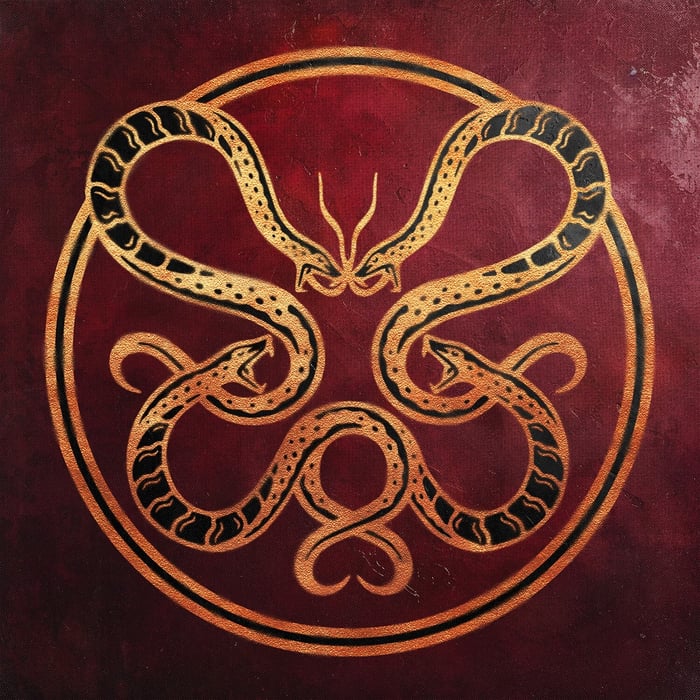
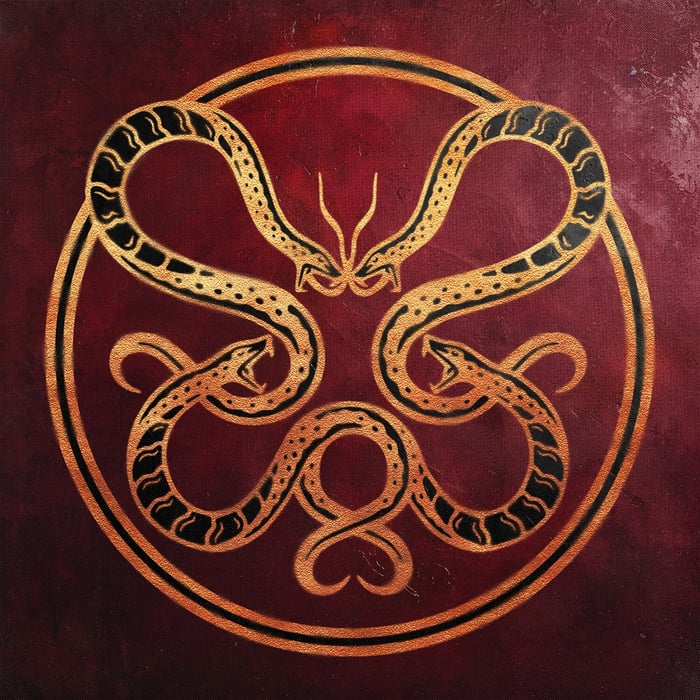
The Anatomy Of Surviving is out now via Arising Empire.
Like VICIOUS RAIN on Facebook.
Conclusion
Anatomy Of Surviving is Vicious Rain making a very specific argument: modern metalcore doesn’t need to choose between emotion and movement—it can punch and sway in the same breath, and it can do it with intent.
Our verdict: If you like your metalcore groovy, impatient, and built for live momentum, you’ll eat this up—especially if hardcore-leaning riffs and fast vocal patterns are your comfort food. If you want boundary-pushing experimentation, or you need every track to reinvent your nervous system, this album might feel a little too focused on impact over surprise (which is a polite way of saying: it’s not here to impress your think-piece brain).
FAQ
- What is the core vibe of Anatomy Of Surviving?
Groovy modern metalcore with emotional flashes, heavy riffs, and tempo changes that feel designed to keep you physically engaged. - Which tracks stand out most on the album?
“IKIGAI” hits hardest as a statement track, while “Intertwined” stands out by ending the record on a softer contrast. - Who are the key vocalists on the record?
David Häusermann handles harsh vocals prominently, and Mauro Gugerli brings melodic vocal moments while also playing guitar. - Does the album lean more metalcore or heavy rock?
It’s metalcore first, but “A Spotless Mind” toys with heavier rock elements without dropping the hardcore rhythms and gutturals. - Is this a good entry point if I’m new to the band?
Yes—this album plays like a deliberate introduction, with clear strengths and memorable groove-forward songwriting.
If you’re the type who treats album art like part of the experience, you can always grab a favorite album cover poster from our shop and make your wall do some of the listening too: https://www.architeg-prints.com
 | DISCOUNTGET 30% OFF*Use code on your next order:
|
* This post may contain affiliate links, meaning we earn a commission if you make a purchase through these links, at no additional cost to you.