Phoebe Bridgers’ Lost Weekend Review: Sad Songs Doing Donuts


 See more Architeg Prints stories on Google.
Phoebe Bridgers’ Lost Weekend Review: Sad Songs Doing Donuts
Phoebe Bridgers’ Lost Weekend isn’t trying to heal you—it’s trying to prove you were never safe. Here’s what the album is actually up to.
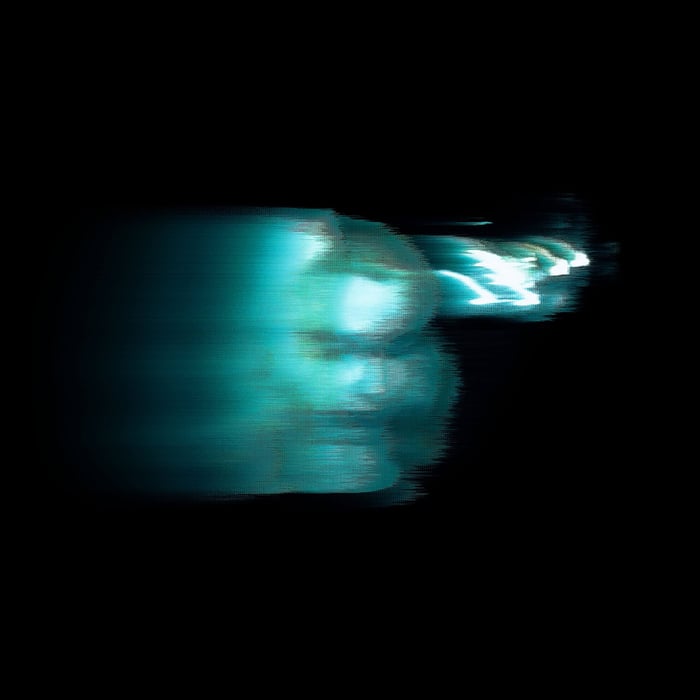
Courtesy of Dead Oceans.
This album starts by taking your phone away
The first thing Lost Weekend makes me think about isn’t even a chord change—it’s control. The whole vibe around this era is “look up, pay attention, you don’t get to document this.” There’s something beautifully bossy about that, and it matches the music: Bridgers doesn’t want your reaction, she wants your submission. Not in a sexy way. In a “this is private, stop hovering” way.
And yeah, the rollout energy is weirdly quiet for someone this famous. It feels like she’s barely been around, then suddenly the tracklist appears in a way that screams, “Fine, here, take it, now leave me alone.” I can’t tell if that’s intentional performance art or just a person hitting “post” while rolling their eyes, but either way it sets the tone: this record moves like someone who’s tired of being watched.
Production-wise, the record has money and muscle behind it—Ethan Gruska, Jack Antonoff, Tony Berg. But the recurring name that sticks out isn’t theirs. It’s Bobby. And that’s the actual center of gravity here: not fame, not the audience, not the career arc—just this one person-shaped problem that keeps walking through the songs like he owns the place.
Bobby isn’t a muse—he’s a room the album can’t stop entering
Bobby doesn’t get introduced like a romantic lead. He shows up like a haunting with chores. One minute he’s slow-dancing alone in his room, and the next detail is physical and kind of absurd—he has to bend to get through the door. That’s not just “quirky imagery.” That’s Bridgers telling you: this guy warps the space. He doesn’t fit, but he’s in there anyway.
The song “Kill Me” pins him to a specific kind of night: costume party energy, “the veil was thinning,” hello kisses tasting “like a flower with chemical petals.” It’s intimacy described like a poisoned compliment, like even affection needs a warning label. Then she drops the line that feels like the real confession: he taught her she knows nothing. That’s not romance; that’s surrender.
“Don’t die, Bobby / Before I die.”
She says it like it’s a cute line, but it lands like a panicked demand dressed up as a lyric.
By the time “Bobby” arrives, the record turns domestic, and that’s where it gets sharp. We’re not in metaphor-land anymore; we’re in the apartment. Her in his shirt. Him singing in the shower. Stars on the ceiling. Clothes on the floor. A “thing in a box” she doesn’t touch anymore—one of those details you don’t explain because explaining it would make it real.
Musically, the arrangement makes a point of being handled by famous hands without sounding like a flex. Jack Antonoff’s banjo is there doing exactly what you’d expect—gentle, bright, a little too clean. Then the electric guitar credits (Justin Broadrick from Godflesh, Mike Kinsella from American Football) suggest heft and history, like she’s stitching together different emotional languages in one room. I thought that mix would clash on first listen, but it doesn’t. It just makes the song feel like it has multiple exits—none of them unlocked.
And that borrowed old-standard-shaped line—“Now I don’t know if I can make it tonight / But what are you doing the rest of my life, Bobby?”—is the album in a sentence. Flirting with the present while holding the future hostage.
“The Governor’s Waltz” is the record pretending to be cute, then not
Next, Bridgers takes herself to Governor’s Ball and immediately doesn’t want to be there. She hides in the bathroom “like Shelley Duvall,” which is a brutally effective comparison: anxious, trapped, watched, and one step away from turning the whole situation into a horror scene.
The guy she meets has a nosebleed and blocks her path. That’s it. No grand symbolism, no “and then I learned…” moment. Honestly, I kept waiting for the song to turn him into some big villain, but he stays weirdly blank—like the point is that the obstacle doesn’t even deserve a personality.
Then “The Governor’s Waltz” swells into this image of “two kids in a trench coat” living alone—too happy to feel at home. That’s an emotionally specific kind of fake stability: you’re dancing, you’re laughing, you’re scrubbing yourself clean on New Year’s Eve, but the house still doesn’t believe you live there.
The chorus does something colder, too. It puts “another woman in her place,” and Bridgers basically shrugs—she’ll lose no sleep. If you’re expecting moral hand-wringing, this album isn’t here for it. The record’s stance is: if you pushed me into this version of myself, don’t be shocked when I stop apologizing.
That’s an arguable move, obviously. Some listeners will hear it as empowerment; others will hear it as petty. I hear it as the sound of someone picking a lane because the alternative is getting swallowed whole.
“Lost Boys” hits the gas because grief doesn’t have a brake pedal
Six years after Punisher, Lost Weekend doesn’t ease back in. It speeds. It moves like someone trying to outrun a thought.
“Lost Boys” is where the album really leans into motion: motorbike energy, doing 90 in a 55, the kind of speed that isn’t about thrill so much as escape. She tosses off a line about getting to “another life where they make you cut your hair,” which is such a nasty little portrait of reinvention—like even freedom comes with a forced makeover.
And then she drops the rifle detail. Not as some action-movie fantasy, more like a grim logistics note: if a weapon is the only passage into that other life, she’ll deal with the paperwork on the far end. That’s what Lost Weekend keeps doing—turning huge stakes into mundane administration, like trauma is just another errand.
The hook plays with Peter Pan mythology—“Lost boys / Never spend their lunch money / And come find me.” It sounds sing-song until you realize it’s basically begging to be retrieved by people who never learned how to grow up safely.
Then the second verse snaps into a more bitter memory: East Berlin, being dumped, throwing a tantrum, getting hit with a 57, a broken rib. And the detail that stings is the ex saying he wishes he were dead—she doesn’t believe it, but she still wonders how he sleeps without guilt, and she apologizes anyway. That’s the humiliating part: apologizing for someone else’s cruelty just to make the memory stop buzzing.
If there’s a flaw here, it’s that the song almost romanticizes speed as depth. Sometimes velocity is just… velocity. But I can’t deny it works: “Lost Boys” makes panic feel like a plan.
The title track is two people shutting the door and calling it a worldview
“Lost Weekend” (the song) is where the record stops flirting with the audience and fully turns its back. “No one could tell the two of them apart in the universe smog”—that line alone paints the relationship as a closed system, a little toxic terrarium floating in space.
There’s a moment where she turns the music down to parallel park, and it’s such a stupidly perfect detail. Not poetic. Not dramatic. Just real life interrupting the romance. That’s Bridgers’ trick: she makes love sound less like fate and more like inconvenience you choose anyway.
And the freeway memory—“Then when the van broke down in the heatwave / You took off your pants, on the side of the freeway.”—isn’t there to be cute. It’s there to prove they were alone together in the kind of way that makes you stop needing witnesses.
She admits something that feels like the album’s private wound: “I had the thought, you would outlive me.” And then: “I loved you, and you couldn’t forgive me for that.” That’s not a breakup line; that’s an accusation about someone who treats love like a debt.
The song also drags in the mess of adulthood: emptying drawers, staggering in heat, resenting people she’s used, losing the plot, feeling like she’s “supposed to be married” and then—flatly—she “called it off.” It’s not framed like a brave choice. It’s framed like a correction to a mistake she almost made out of momentum.
When he lies awake beside her, glow-in-the-dark with distaste, she flips the freeway line into something meaner: “You know me, and I’ll never forgive you for that.” That’s a brutal twist—being known as a form of harm.
Bo Burnham shows up with a writing credit, which makes sense: the line-level precision has that “joke-shaped knife” quality, where the phrasing is casual but the intent is surgical.
I’m not 100% sure this track wants me to sympathize with her or with the relationship itself. On second listen, I stopped trying to pick a side. The whole point might be that sides are for people who didn’t live in the smog.
“Still Standing” and “As Above” turn fear into posture
The suitcase by the bed—“like you needed to know you could go whenever you wanted”—is one of those images that immediately explains an entire relationship without exposing any of its secrets. It’s not even that someone is leaving. It’s that someone needs the option visible, like a safety blanket made of distance.
“Still Standing” puts her at the top of the stairs, turning red, “pound for pound in a prom dress,” and somebody’s trying to make her afraid. That line is doing two things at once: it’s funny in its specificity, and it’s humiliating in the way only fear can be. You can be dressed like a celebration and still feel like prey.
She remembers a time when both of them were “shining and indifferent,” then corrects it: now they wear black. That’s a decision. This album keeps implying that “darkness” isn’t mood—it’s uniform. The refrain “Sometimes I want you back / But not today” lands like a person practicing boundaries in a mirror, trying to believe them.
“As Above” shifts the setting to a plane, somewhere mid-country. She’s making faces at a kid sitting next to her and trying not to look down—even if she’s a couple days late. It’s such a human moment it almost startled me. Not the big tearful confession—just the petty, childish coping mechanism of pulling a face because the alternative is spiraling.
Then the coincidence hits: Air Force One over Omaha as her mom drives herself to the hospital. That’s the kind of detail that makes your stomach drop because it feels like the universe is sending a message, and you hate yourself for thinking that.
She admits the contradiction plainly: she doesn’t want to live forever, but she doesn’t want to die either. The thing that anchors her is weirdly specific: taking him to Coney Island, letting him scream on the Wonder Wheel. That’s what Lost Weekend does best—using a concrete future plan as proof someone still wants a future at all.
The reprise goes deeper into inheritance: an old man who “never made it a day in a shirt” and “ain’t coming back as a bird” still lives in her. That’s grief without romance. No comforting metaphysics, no pretty symbolism—just a person’s habits and cynicism living on in your voice.
And then the hardest lesson, delivered like a grim proverb: “The government ain’t tryna kill you / They just don’t care if they kill you.” It’s the kind of line that sounds like it shouldn’t be in a song until you realize it’s exactly the kind of thing people repeat when they’re trying to survive without illusions.
Somewhere between grieving for a son and being “my old man’s oldest son,” she flips a eulogy for a “dear friend” into a twist on an old hit—fighting the wall, and the wall winning. And that’s the closer’s real mood: you can punch reality all night; reality doesn’t bruise.
Favorite tracks I keep returning to (whether I like it or not)
I’m not pretending to be above replaying the obvious standouts. These are the songs that keep re-opening like tabs in my brain:
- “Lost Boys” — because speed makes a convincing liar
- “Bobby” — because the domestic details are the sharpest knives
- “Lost Weekend” — because it turns intimacy into a threat with a smile
- “As Above” — because it admits fear without dressing it up
Each one feels like Bridgers choosing a different way to say the same thing: I’m attached, and I hate what that turns me into.
Conclusion
Lost Weekend doesn’t want to be your comfort album. It wants to be the album you put on when you’re tired of pretending your life is tidy. It’s full of motion, cramped rooms, overheated freeways, and little everyday objects (a suitcase, a shirt, a box) that somehow carry more emotional weight than any grand poetic metaphor.
Our verdict: People who like their sad music sharp-edged and specific will latch onto Lost Weekend hard—especially if you’ve ever romanticized someone and then hated yourself for it. If you need choruses that “uplift” or lyrics that behave politely, this album will feel like getting stuck in a bathroom at a festival with no hand soap.
FAQ
- Is Lost Weekend a breakup album?
It’s messier than that. It sounds like staying, leaving, regretting, and re-entering the same emotional room over and over. - Who is Bobby on Lost Weekend?
Bobby feels less like a single plot point and more like the album’s recurring gravitational pull—an obsession Bridgers refuses to summarize neatly. - Is this album louder or faster than her earlier work?
It definitely moves faster in spirit—there’s more speed, more motion, more “get me out of here” energy, especially on “Lost Boys.” - What’s the most emotionally direct track?
“As Above” hits hardest because it admits the basic contradiction—not wanting forever, not wanting death—without trying to sound profound. - Does the production distract from the lyrics?
Mostly no. But in a couple moments, the polish (hello, banjo) risks making the mess feel slightly too curated—like distress styled for good lighting.
If you want something physical to match the album’s “stare at it until it confesses” energy, you can always grab a favorite album cover poster from our shop: https://www.architeg-prints.com/ — it’s a nice way to let the obsession live on a wall instead of in your head.
 | DISCOUNTGET 30% OFF*Use code on your next order:
|
* This post may contain affiliate links, meaning we earn a commission if you make a purchase through these links, at no additional cost to you.