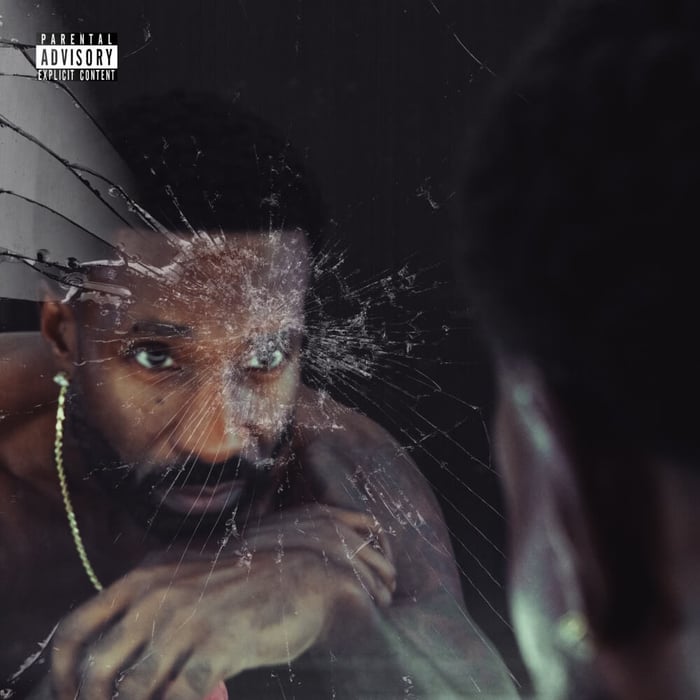
Ransom’s Price of Clarity Review: Grown-Man Rap That Refuses to Smile


 See more Architeg Prints stories on Google.
Ransom’s Price of Clarity Review: Grown-Man Rap That Refuses to Smile
The Price of Clarity turns middle age into a weapon—Ransom raps like he’s allergic to clout, and that’s the whole point.
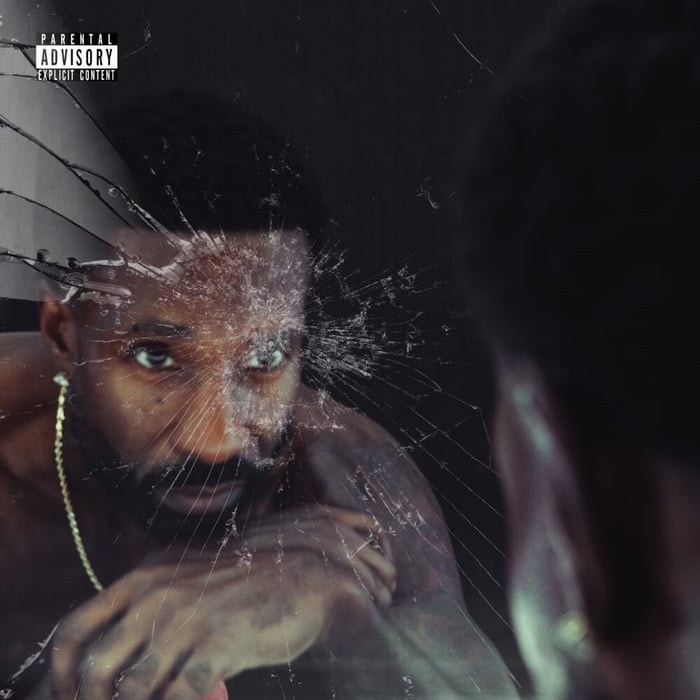
A record that starts by staring you down
Some albums try to “take you on a journey.” The Price of Clarity mostly tries to catch you lying. It plays like Ransom sat down, decided he was done entertaining excuses—his own, yours, rap’s—and then built an entire project around that refusal.
He’s always been one of those rappers whose whole identity is the sentence itself: interlocked rhymes, tight turns, no wasted breath. The weird thing is how that technique—usually associated with youthful hunger—ends up making him sound more middle-aged here. Not in the corny “dad rap” sense. More like: a man who knows time is expensive, and he’s stopped pretending otherwise.
This is his first solo release since No Rest for the Wicked (2022), and it sounds like he came back not to reintroduce himself, but to double down on being difficult to ignore.
Ransom’s “craft” flex isn’t for you—it’s for the other rappers
Here’s the blunt truth: Ransom raps at the level that used to get you industry attention back when a single 16 could change your week. He came up in the A-Team, used to go by Duffle Bag, and he still sounds like he’s writing for a world where bars are supposed to be proof.
And he’s made a habit of doing full albums with one collaborator at a time—those neat, split-down-the-middle pairings that build a shelf of cohesive little universes. The trade-off is obvious: most listeners will never know the discography well enough to keep up. In a different rap environment, he’d be that name people drop to prove they still understand limits—like, “No, seriously, this is what high-level looks like.”
But that’s not what happened. He became respected by the people already paying attention, and this album leans into that reality: it doesn’t plead for a wider audience. It behaves like the audience should’ve shown up years ago.
That’s an arguable choice, sure. You could say it’s self-sabotage. I hear it as him choosing the kind of respect that doesn’t inflate streams.
“The Prime Example” and “Doctor Manhattan”: he wants the con artists to admit they’re con artists
The complaints he throws at other rappers are the familiar “old head” set: he’s tired of bragging and exaggeration on “The Prime Example,” he doubts anyone can recite half of what they quote, and he doesn’t buy that they believe their own writing.
Standard stuff… until he makes a strange demand.
He doesn’t just want honesty—he wants them to confess they’re running a circus and keep running it. He’s basically saying: if you’re going to sell the performance, at least admit you’re the one booking the clowns. It’s a nasty little moral trap: be a fool or be famous, but don’t act shocked when you end up both.
Then “Doctor Manhattan” rolls in with another soul sample and the same contempt, just delivered vertically—like he’s talking down from a balcony. He treats comparisons to weaker rappers as embarrassing, like being forced to race someone in a kiddie pool. And his language gets weirdly ornate at points—painted-wall grandeur, Vatican energy—like he’s decorating an insult so it feels permanent.
Under all the flexing, he leaves a question that sticks because it’s not rhetorical: who’s going to teach predators how to be civilians?
I’m not totally sure he believes that’s possible. But he wants you to sit in the discomfort of asking it anyway.
“Good Mournings”: the softest beat, and then the floor falls out
Right when you think he’s going to do a whole album of rap-world scolding, “Good Mournings” switches the lighting.
He wipes the sleep out of his eyes over a mellow backdrop and tells you exactly what his morning looks like: waking up, clocking his daughter and his wife, rubbing rosehip oil on his skin for the antioxidants, stretching his legs on the ottoman, letting happiness exist without apologizing for it.
And then—because this is Ransom—time shows up like a bill collector.
The verse turns. He starts asking why anyone would risk everything for a man who “fed the sharks.” He drops a grim little observation about detectives using less chalk the fewer body parts someone has. He talks about the streets being cold because the best heart was taken by people with no roof over their heads.
It’s his birthday. He’s 46. And instead of making it a victory lap, he turns the rest of the verse into a dedication—to his wife’s father, to his brother who’s deeply missed, and to the idea that life is a game you can’t ignore and it has to be more than whatever this is.
My first impression was that this track might be a breather. On second listen, it’s not a breather at all—it’s the trapdoor. The calm details aren’t comfort; they’re the last normal image before the album reminds you what it costs to stay alive long enough to reflect.
“Swan Song”: love told backward, like he’s trying to re-feel it
“Swan Song” tells a similar story, but in reverse order—and that reverse structure feels like the point. Like he’s rewinding his own life to find the moment he missed something important.
Summer 2012: she’s nervous, and he doesn’t notice. She’s wondering why he’s in prison, and he tells her it doesn’t matter. The domestic details land with suspicious clarity—braised beef, baked sweet potatoes, ginger ale—like he’s clinging to the sensory stuff because the emotional stuff was too hard to hold at the time.
Winter 2017: he can’t afford a wedding ring, but later manages to buy a better one. He braces himself to hear her say “Do better.” She opens the box and says this one will last forever.
That’s a romantic moment, yeah. But it’s also an indictment: she believed in permanence while he was still living like everything was temporary.
If you think this is just “mature storytelling,” you’re missing his real move. He’s using love as evidence that he can be real—so when he goes back to being ruthless later, it doesn’t read like posturing. It reads like values.
“Richer Prior Life”: nobody gets it worse than his younger self
If the album has a villain, it’s not the “other rappers.” It’s the version of himself who peaked before 20.
On “Richer Prior Life,” Ransom talks directly to himself and lays out the alternate timelines: college, knowledge, a couple degrees, the army—this whole menu of “responsible man” possibilities.
And then he says what actually happened: there were no opportunities.
That’s the part that makes the track sting. He’s not dunking on his younger self for being reckless—he’s mourning the lack of choices, and then getting angry at what that lack turned into. The present-day portrait is brutal: no wealth, a prisoner of yourself, posting pictures of your former self like you’re running a fan page for your own ghost.
There’s a moment where the trap gets set and sprung in one breath, and it’s the sharpest little psychological switch on the album. He basically says: you spent so long climbing the mountain that now you waste your days reflecting on the climb—sulking in the hole you claimed you never had time to dig out of.
He even puts himself in that frame: noticing a couple grays in the mirror that morning. Then comes the line that feels like the thesis statement, disguised as casual talk: your age is mandatory, and growth is optional.
Arguable take: this song is meaner than the diss tracks, because it’s aimed at someone he can’t escape.
Features as pressure, not decoration
The guest spots don’t feel like “look who I called.” They feel like Ransom booking people the way you book sparring partners—the ones who force you to tighten up.
Freeway on “The Coldest Winter”
Freeway shows up on “The Coldest Winter” calling his beard his strength, like he’s a rapping Samson. But the bar that actually dents the room is the one about someone being murdered where they were raised—in front of a store they owned—and the question that follows: if you can’t be safe there, where are you safe?
That’s not a punchline. That’s a cold civic observation delivered like it’s normal conversation, which somehow makes it worse.
Young Chris and that “What We Do” interpolation
Young Chris comes through talking about getting out of the bando—until it got taken over and rebuilt. He brags about doing it without pen or paper, even after his fifth seizure, while Ransom interpolates “What We Do” on the hook.
That interpolation is a clever flex, but also a risky one: it’s basically inviting comparison to an era and a standard. I can’t tell if that’s confidence or masochism. Maybe both.
Lloyd Banks on “Circumvention”
On the piano-driven “Circumvention,” Lloyd Banks does the most with the least space. He raps like he’s trying not to spill anything: money that doesn’t sleep, so he’s peaking at your weakest hours; beef that means leaving things at home because the phone is evidence.
It’s economical, and it works because the beat leaves him no room to lounge.
Nick Grant on “Sorry My Love” (and yes, he out-raps Ransom here)
Nick Grant—criminally underrated, and he knows it—shows up on “Sorry My Love” apologizing to a dying sister, trying to fix what he can. He apologizes to his mother for addiction and credits her as the inspiration that helped him crawl out of the darkest corners.
Then Ransom replies… and this is where I’ll be slightly annoying on purpose: Ransom’s response verse is good, but Grant’s is better. Not because Ransom slips technically—he doesn’t—but because Grant sounds like he has fewer defenses left.
That’s the point of these features: they’re not padding. They’re friction. And the audience for this level of rapping has shrunk over time, which makes the whole thing feel like a private meeting held in public.
“Confessional Booth”: he asks forgiveness like it’s a debt you owe
Then the album gets uglier in a way that feels intentional—not shocky, just heavy.
On “Confessional Booth,” he talks about passing two packs to a couple named Reece and Chrissy. A month later, their niece is thin. The preacher almost calls the police after hearing his sins.
The details keep piling up: robbing dreads at the Days Inn, admitting he’s aging, accepting that the grave is winning because it hasn’t lost yet. Reece and Chrissy blame themselves when he sold their niece bricks; their mother blames them too, even though they never sold her anything. He didn’t tell them anything.
And then he makes the ask: forgive them both—because he thinks you owe them that much.
That’s a nasty moral reversal. He’s the one who did the harm, but he frames forgiveness as something the listener must pay out—not to him, but to the people who got caught near him.
You could argue that’s manipulative. I’m honestly a little uncertain where I land on it. But I can’t deny it’s effective: it forces you to sit with how blame moves through families like smoke.
“Hollywood Squares” and “The Ultimate Betrayal”: fame as a machine that eats names
If the earlier tracks are about personal honesty, these two are about public performance—how the world sells you distraction and then charges you for looking.
On “Hollywood Squares,” his mother is on the hook warning him about the tears of common crooks—those “Hollywood squares.” And beneath that, the verses call the mechanism out with zero softness:
- they sell distractions while they count their bread
- they’ll escort you to the grave for fame
- they won’t say your name until they pronounce you dead
- sugar kills, so they sell you Sprite
It’s not subtle. It’s supposed to be blunt, like a parent repeating the same warning until you finally learn it the hard way.
Then “The Ultimate Betrayal” takes that suspicion and aims it at the awards circuit. This is where Ransom’s writing gets the most concentrated—like he’s compressing rage into neat lines on purpose.
He paints the scene: a man at a podium receiving a trophy made by another man, thanking the Lord, soaking up a standing ovation. Ransom calls it a façade—not a reflection of who you are. And he goes theological in a way that’s hard to argue with even if you don’t share the beliefs: God doesn’t make ballplayers and superstars; God makes messages. So what’s the point of a gift if you can’t deliver a message with it?
Whatever you do with that spiritually, the picture is painfully accurate: a grown man on stage, holding an object, thanking somebody for it. The absurdity is the point. The object is the trap.
Favorite tracks (the ones that actually explain the album)
I keep coming back to these, because they’re where his “clarity” isn’t just critique—it’s lived-in.
- “Good Mournings” (the domestic calm that turns into time pressure)
- “The Temptations” (the title alone tells you he’s not pretending discipline is effortless)
- “The Ultimate Betrayal” (the awards-scene takedown that sounds uncomfortably plausible)
If you only skim the album for punchlines, you’ll miss why these tracks matter: they’re the moments where Ransom stops sounding like he’s trying to win and starts sounding like he’s trying to tell the truth without collapsing.
Conclusion: clarity, in this case, isn’t peace—it’s a bill
The Price of Clarity doesn’t “age gracefully.” It ages sharply. Ransom turns birthdays, marriages, faith, family blame, and rap credibility into one argument: if you’re going to live loudly, you don’t get to be confused about what you did.
The album’s biggest strength is also its occasional limitation. Sometimes the scolding tone can flatten the emotional range—like he’s so committed to being right that he forgets how persuasive a little softness can be. But when it hits—when a quiet morning turns into grief, or when an awards podium turns into a puppet stage—it doesn’t just sound good. It sounds like somebody finally stopped negotiating with themselves.
Our verdict: People who like rap when it feels like a written record—precise, adult, unglamorous—will love Price of Clarity. If you want hooks to do the heavy lifting, or you prefer your flexes with a side of escapism, this album will feel like homework that stares back at you.
FAQ
- What is the core theme of Price of Clarity?
Price of Clarity treats honesty as expensive—Ransom keeps showing what “knowing better” costs in real life, not just in lyrics. - Is this album focused more on disses or storytelling?
Both, but the disses are basically a wrapper. The real weight comes from the personal tracks like “Good Mournings” and “Richer Prior Life.” - Do the features add anything substantial?
Yes—especially Nick Grant on “Sorry My Love,” who brings a level of emotional exposure that even Ransom doesn’t fully match. - What’s the most challenging moment on the record?
“Confessional Booth” is hard to sit with because it makes forgiveness feel like collateral damage, not closure. - Where should I start if I’m new to Ransom?
Start with “Good Mournings” and “The Ultimate Betrayal.” They show the album’s two main modes: intimate reflection and public disgust.
If you’re the kind of listener who gets attached to an album’s world (not just the songs), it’s worth putting a favorite cover up where you’ll actually see it. We keep tasteful album-cover poster picks over at https://www.architeg-prints.com.
 | DISCOUNTGET 30% OFF*Use code on your next order:
|
* This post may contain affiliate links, meaning we earn a commission if you make a purchase through these links, at no additional cost to you.