Rollerball Submarine Reissue: Raw 2009 Album Returns on Vinyl


 See more Architeg Prints stories on Google.
Rollerball Submarine Reissue: Raw 2009 Album Returns on Vinyl
Rollerball’s self-produced 2009 album Submarine returns in a vinyl reissue that highlights its live-recorded core, nautical atmosphere, and stripped-back production.
Release context and what’s being reissued
Submarine arrived in 2009 after Rollerball had been quiet for five years, and it ended up being the group’s final album. The reissue revisits that last statement in the most practical way possible: by putting it on vinyl and reminding everyone what the band sounded like when it stopped waiting for outside approval.
The shift from polished production back to self-production
The album follows 2004’s Oversize, which had been produced by Mark Opitz and carried a noticeably more polished approach than the Superstructure debut and earlier EPs. That earlier experience reads as useful and professionally handled, but Submarine behaves as a reset: the band returns to self-production and lets the rougher edges remain visible.
This isn’t framed as an aesthetic stunt. The record simply proceeds with fewer layers of shine, and the performances sit closer to the room they were made in. The resulting sound lands as direct and unvarnished, the kind of choice that usually comes from a band deciding it would rather sound like itself than sound “finished.”
Studio, personnel, and how the record was captured
For recording, Rollerball brought in long-time friend Jeff Lovejoy to capture the album at BlackBox Studio in Brisbane. Production duties were shared between guitarist Dave Talon, Lovejoy, and Luke Earthling. The division of labor shows up less as a producer “signature” and more as a series of functional decisions: keep the band’s natural force intact, document it clearly, and avoid sanding it down.
The album is built around a live foundation recorded without a click track. That decision matters in the way these things usually matter: time breathes a little, accents feel human, and the music’s forward motion comes from people pushing and pulling rather than a grid holding everything in place. From that base, the record is then built up into something larger—layered, shaded, and occasionally busy, but still anchored by the sense that a real band played at the same time in the same place.

The album’s nautical mood and the tools used to support it
A menacing nautical theme runs through Submarine, and it’s conveyed in a way that doesn’t require narration or theatrical framing. The feeling arrives through tone and texture: a dream-like melding of guitar and bass, and the periodic presence of an early ’80s Roland Juno-60 synthesiser that adds a cool, slightly synthetic glow.
The Juno-60 doesn’t hijack the record or turn it into a retro exercise. It functions more like lighting—something that changes the perceived temperature of a section without demanding attention every time it appears. In practice, it thickens the air around the riffs and turns otherwise familiar rock instrumentation into something that feels submerged and pressured, like the songs are being performed in a sealed room with unreliable ventilation.
Drumming as layered motion rather than simple rhythm
Cam Roach’s drumming is described most accurately by how much it does at once. He digs into a percussive repertoire that includes layered tribal beats, and the album lets those layers stack rather than trimming them back for tidiness. There’s also mention of vocal percussive techniques, which register as an extra set of textures that sit near the kit—more human noise folded into the rhythm, as if the drum parts needed additional grit and decided to source it from the body.
The overall effect is practical and physical. The drums function like weather: not merely keeping time, but occupying space, moving in patterns, and occasionally making the rest of the band sound like it’s playing through conditions rather than clean air.
A specific detour: fiddle on “Your Lullaby”
In the middle of the album’s heavier, darker pull, “Your Lullaby” makes room for an unexpected but uncomplicated addition: session musician and friend Luke Moller contributes fiddle. The instrument lands on top of the arrangement with a sea-shanty edge, sharpening the album’s maritime flavor without turning the track into a genre exercise.
It’s a small detail that does a lot of work. The fiddle is not there to prove versatility; it’s there to make the song feel like it belongs to the record’s world, where salt air and tension are treated as standard operating conditions.
Original CD release details and what changes on the vinyl
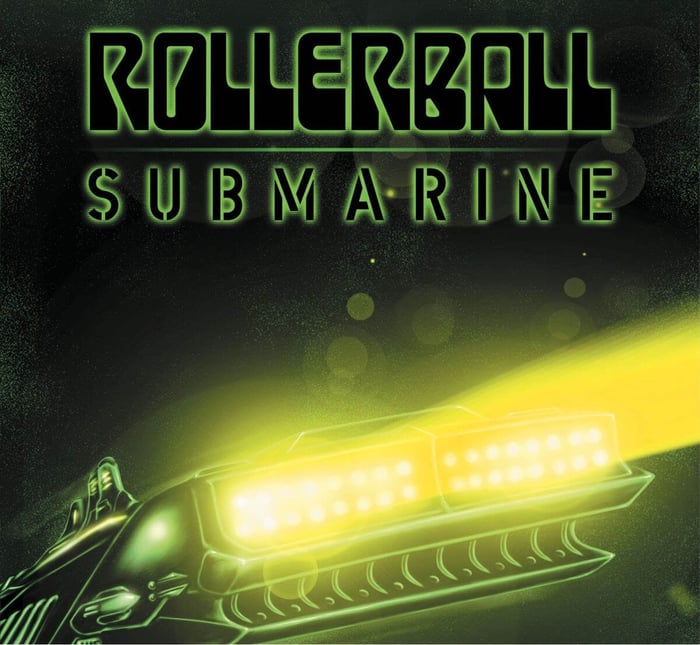
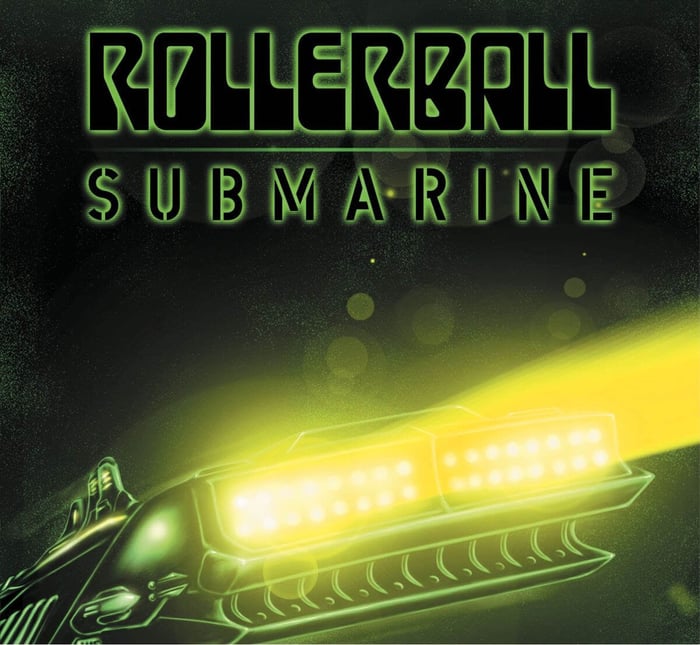
Submarine was originally released on CD by Plus1 Records and featured artwork by Alex Von Wieding. The reissue keeps the album’s identity intact while still making one notable structural change: the original CD version ended with an “epic” 16-minute jam titled “Never A Rodeo.” That track does not appear on the vinyl reissue, but it is included as a digital download.
The change reads as format-driven rather than ideological. Vinyl has its own limits and pacing considerations, and long, end-of-album improvisational sprawl is often the first thing to get relocated when sides need to be balanced. The song still exists in the reissue ecosystem; it’s simply moved to the digital folder where extended endurance tests often end up living.
A brief statement from Dave Talon on timing and exposure
Guitarist Dave Talon frames the vinyl pressing as a long-held personal hope dating back to the album’s 2009 release. He also points to the timing: Submarine came out when the band had fallen out of favour with Australian radio stations, and radio still played a critical role in determining how widely an act was exposed. In that environment, the album did not receive the exposure the band expected.
“The pressing of Submarine to vinyl is something I have been personally hoping for since its birth in 2009. It was originally released at a time when the band had fallen out of favour with Australian radio stations. Radio was still playing a critical role in the success of an act at that stage, so the album didn’t get the exposure that we thought it deserved. A big thank you to the Ripple Music team for continuing to dig up albums that lay Beneath the Desert Floor.” — Dave Talon
Official player and video link
The reissue’s online trail includes an embedded-player link and a YouTube embed link, presented in the same stripped-back manner as the record itself: here are the coordinates, proceed as needed.
Conclusion
Submarine presents Rollerball in self-produced mode: a live-recorded core without a click track, a nautical-toned atmosphere supported by guitar, bass, Juno-60 shading, and drums that behave like layered movement rather than simple accompaniment. The vinyl edition keeps the record’s character while relocating the 16-minute “Never A Rodeo” from the turntable sequence to a digital download, where it can continue being long without complicating side lengths.
Our verdict: specific, physical, and committed to its own conditions; the Submarine Reissue functions as a straightforward way to place a final album back into circulation without pretending it needs reinvention.
FAQ
- What is the core difference between Oversize and Submarine in how they were made?
Oversize involved producer Mark Opitz and a more polished approach; Submarine returns to self-production with a more stripped-down, raw presentation. - Where was Submarine recorded, and who handled production?
It was captured at BlackBox Studio in Brisbane by Jeff Lovejoy, with production duties shared by Dave Talon, Lovejoy, and Luke Earthling. - Was the album recorded to a click track?
No. The band recorded a live foundation without a click track and then built additional layers on top. - What role does the Roland Juno-60 play on the album?
The early ’80s Roland Juno-60 synthesiser is used to enhance the album’s nautical, dream-like tone, adding texture rather than dominating the arrangements. - Is “Never A Rodeo” on the vinyl version of the Submarine Reissue?
The 16-minute track is not included on the vinyl reissue, but it is included as a digital download.
If you want a visual companion piece, you can shop a favorite album cover poster at our store—clean prints suit records that prefer their atmosphere unbroken: https://www.architeg-prints.com
 | DISCOUNTGET 30% OFF*Use code on your next order:
|
* This post may contain affiliate links, meaning we earn a commission if you make a purchase through these links, at no additional cost to you.