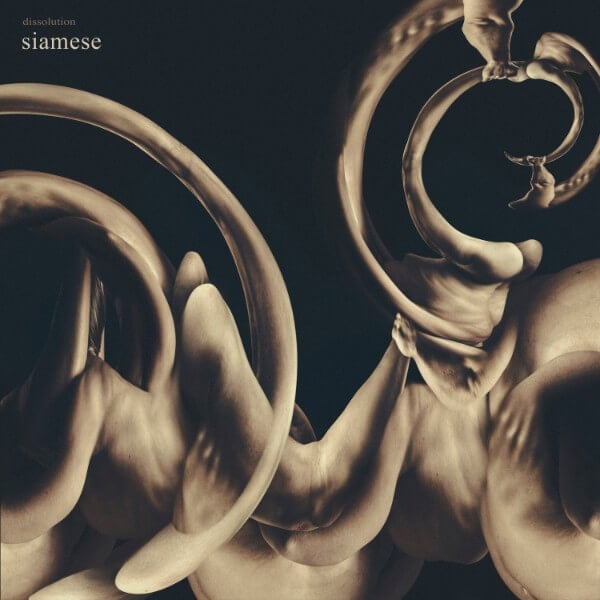
Siamese Dissolution Review: Pop Hooks Pick a Fight With Metalcore


 See more Architeg Prints stories on Google.
Album Review: dissolution – Siamese
An opinionated Siamese dissolution review of a band rebuilding mid-flight—darker, louder, and slightly unhinged in a way that mostly works.
The Setup: This Album Sounds Like a Band Refusing to Blink
Siamese don’t sound like they’re “evolving” on dissolution—they sound like they’re making a decision with their jaw clenched. The kind of record you make when the easy version of your band suddenly isn’t available anymore.
They’d been getting dangerously good at stitching pop accessibility onto metalcore muscle without tearing the fabric. And then—brick wall. Long-standing guitarist and key contributor Andreas Kruger left last year, and you can hear the aftershock: dissolution arrives with a darker palate and a more volatile mood, out now via Long Branch Records. The big question hanging over every track is basically: is this a steadying hand on the wheel, or a hard swerve into oncoming traffic?
The Early Tell: “dark” Doesn’t Ease You In—It Stares You Down
“dark” opens with a brooding, dramatic intro that feels calibrated, like the band is rationing information. The pacing is the trick: it’s not just moody for mood’s sake—it stretches the tension until you’re paying attention.
When the riffs snap in, they don’t try to be the heaviest thing ever. They just bring weight at the right moment, and Mirza Radonjica glides over it with that smooth tone that can read as comforting or unsettling depending on what’s under it. Only one song in, and the shift is obvious: Siamese are deliberately transitioning into something sharper around the edges. A more nocturnal version of themselves.
I’ll admit, my first thought was, “Okay, here comes the safe cinematic intro before the usual pop-metal blend.” But by the end of “dark,” I started realizing they weren’t warming up—they were tightening a knot.
“drown” and “sense”: The Electronic Bite Gets Meaner
“drown” keeps pushing the electronica-infused experimenting, but it’s not decoration—it’s friction. The melodies don’t float above the aggression; they rub against it. The rhythms hit hard, and then the chorus turns emotive without turning soft. The screaming is abrasive enough to leave a mark, but it’s placed like an instrument, not a tantrum.
Then “sense” swings the door open with explosive hooks and those neck-snapping grooves that absolutely nod toward Limp Bizkit—not in a cosplay way, but in that “groove first, consequences later” philosophy. The crunchy instrumentation is the addictive part. It’s the kind of riffing that doesn’t need to be complex because it’s busy being physical.
An arguable take: “sense” is where the album first shows its hand—Siamese aren’t trying to be heavier; they’re trying to sound more dangerous while still being catchy. There’s a difference.
“friends”: Genre-Blender Siamese, But With Better Odds for the Stage
From there, “friends” rides in on a pulsing beat and starts tossing styles into the blender—something Siamese have made a reliable staple in their arsenal. But it doesn’t feel like random playlist-brain. The light and dark elements are deliberately juxtaposed, like the band is trying to build live-wire dynamics for the stage: tension, release, then a shove.
If you’ve ever rolled your eyes at bands “mixing genres,” this track might not convert you. But I can’t deny it: the contrasts are arranged like they want a crowd reaction, not a think-piece.
I kept waiting for the whole thing to collapse into a messy compromise… and it didn’t. That surprised me.
“sinner”: The Breakdown Is the Point (And That’s Not a Complaint)
“sinner” sits in a tense, simmering tempo at first—like it’s holding its breath—then dives into ferocious flurries that still make room for alluring melodies. It’s not subtle about what it’s doing: the goal is to make the eventual climax feel inevitable.
And it does. The breakdown lands like a stomping exclamation point, the kind of punctuation that says, “Yes, we meant to hit you there.” A reasonable listener could argue it’s too calculated—almost engineered—but honestly, that’s part of why it works. Siamese are choosing control as their form of intensity.
The Title Track “dissolution”: A Dance-Like Swagger That Refuses to Apologize
Then the album drops “dissolution,” and suddenly there’s an energetic vibrancy—almost a bouncy, dance-like swagger—that acts like a respite from the crushing parts around it.
This is where I can imagine some fans getting whiplash. One moment you’re bracing for impact, the next you’re nodding along like you accidentally walked into a grimy club night.
Mild criticism: I’m not totally convinced the “respite” is perfectly timed. It’s fun, sure, but it risks breaking the spell the earlier tracks build. On second listen, though, I started hearing it less as a detour and more as Siamese making a point: they’re not going to do “dark” in one color. They’re going to smirk mid-fight.
“patterns”: Vulnerable on Purpose, and Industrial About It
“patterns” takes a personal, vulnerable angle, and it doesn’t try to dress that up as something “epic.” It’s direct. But the real muscle is the industrial stride—mechanical, forceful, and clean enough to feel clinical.
If you’re into Bad Omens, this is the track you’ll latch onto, because it understands that heaviness can come from texture and tone, not just palm-mutes and throat-shredding. Arguably, “patterns” is the album’s most modern-sounding moment—like Siamese are testing how far they can lean into that industrial lane without losing their identity.
I’m not 100% sure it’s the best song here, but it might be the clearest signal of where they could go next.
“reveries”: It Bites Again, and It Brings Company
“reveries” brings the bite back. It lures you in with a tempting intro—almost friendly—then it flips and attacks with vicious riffing.
And bringing in Caskets is a smart choice, because it adds another layer of chaos to the unraveling. Not “chaos” like noise for noise’s sake—more like pressure multiplying inside the same container. This track feels designed to overwhelm in waves: a hook to grab you, teeth to keep you.
If someone told me this was Siamese trying to prove they can still throw hands in a metalcore room, I’d believe them.
“reaper”: The Most Relatable Darkness on the Record
“reaper” comes with a somber narrative that’s hard to ignore if you’ve ever had even a brief brush with mortality. It doesn’t feel theatrical; it feels like a quiet admission that got set on fire.
Mirza’s transitions are the engine: brutish screams into anthemic serenades, back and forth, like two versions of the same thought arguing. A lot of singers attempt that dynamic. Here it sounds slick—almost too slick, if you’re craving messier emotion—but the control also makes it hit harder. It’s grief with a steady hand.
Arguable statement: “reaper” is the album’s emotional center, even if it isn’t the catchiest track.
“twisted”: The Album’s Final Adrenaline Shot
“twisted” shows up armed with significant firepower, and it times its adrenaline surge perfectly. Just when you feel yourself getting carried away by the colorful musicianship, it grabs the track by the throat for one last frenzy.
This is the kind of closer that doesn’t just end—it insists. It’s Siamese making sure the final memory isn’t “nice melodies” or “cool production,” but impact.
I will say, there’s a thin line between “final frenzy” and “overstaying,” and I wasn’t sure at first which side “twisted” landed on. After letting it replay, I leaned toward respect: it’s dramatic, but it earns the drama.
So What’s Actually Happening Here? Pressure, Diamonds, and a New Bruise
The old line about pressure creating diamonds fits because dissolution doesn’t sound like a casual release. It sounds like adversity getting stared down. Siamese regrouped, reassessed, and came back with something that’s likely to alienate listeners who mainly wanted the more radio-friendly version of the band.
But if you lean metalcore-inclined, this darker edge is exactly the point. The record keeps revealing that the “gap” Siamese once bridged—pop and punch—has shifted. Now they’re using pop instincts to make the heavy moments more dangerous, and using heavy moments to keep the hooks from becoming comfort food.
If I’m being blunt, it lands around an 8/10 feeling for effectiveness: not flawless, but undeniably purposeful.
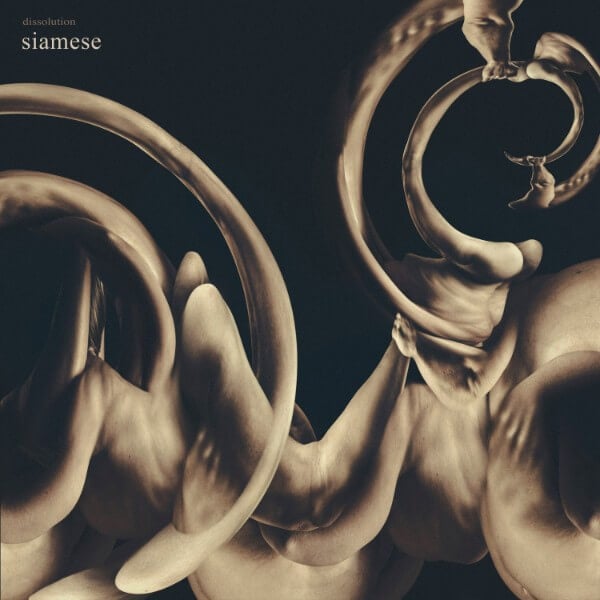
dissolution is out now via Long Branch Records.
Conclusion: A Reset That Sounds Like a Risk They Meant to Take
dissolution isn’t Siamese trying on a darker jacket for one season. It plays like a pressure valve popping—controlled, loud, and a little unpredictable. Whether they keep walking this path or swing back toward brighter, radio-leaning instincts later, this album makes one thing clear: they’re not interested in sounding comfortable right now. And honestly, that’s when they’re most compelling.
Our verdict: People who like metalcore with hooks—and hooks that don’t act polite—will actually like this album. If you want Siamese as clean background adrenaline for your commute, you might find this one a bit too shadowy and sharp, like it’s side-eyeing you from the passenger seat.
FAQ
- What is the core vibe of the Siamese dissolution review in one line?
It’s a darker, more volatile Siamese record that uses pop instincts to make the heavy parts hit harder. - Which track best shows the album’s heavier direction?
“reveries” makes the pivot obvious: it teases, then attacks, and the feature adds extra chaos. - Where does the album lean most into modern industrial energy?
“patterns” carries that industrial stride and vulnerability without turning into melodrama. - Is this album likely to split the fanbase?
Yes—if you came mainly for the radio-friendly sheen, the darker edge here might feel like a deliberate refusal. - Does the title track “dissolution” fit the album’s mood?
It fits by contrast: the dance-like swagger works as a breather, even if the timing might throw you on first listen.
If you want a visual reminder of albums that leave a mark, you can shop a favorite album cover poster at our store—tastefully loud prints over at https://www.architeg-prints.com.
 | DISCOUNTGET 30% OFF*Use code on your next order:
|
* This post may contain affiliate links, meaning we earn a commission if you make a purchase through these links, at no additional cost to you.