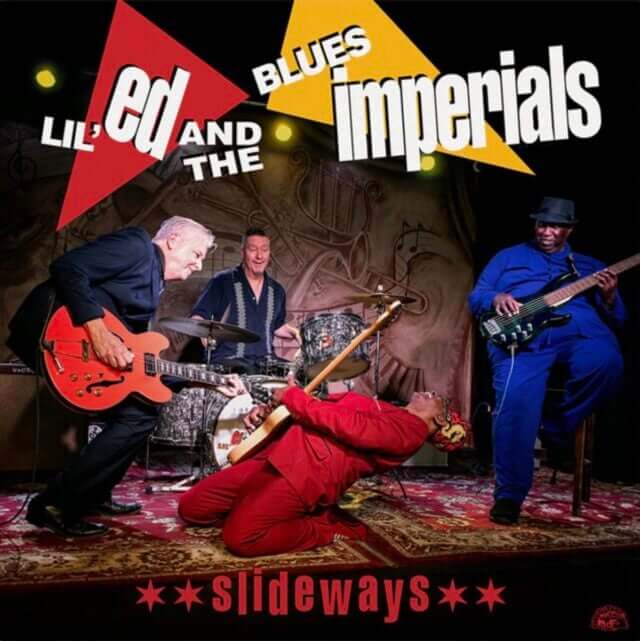
Slideways Album: Lil’ Ed Turns Chicago Blues Into a Happy Brawl


 See more Architeg Prints stories on Google.
Slideways Album: Lil’ Ed Turns Chicago Blues Into a Happy Brawl
Slideways album hits like real-deal Chicago blues with the grin still intact—slide guitar boogies, soul-burn slow burns, and a band that plays like family.
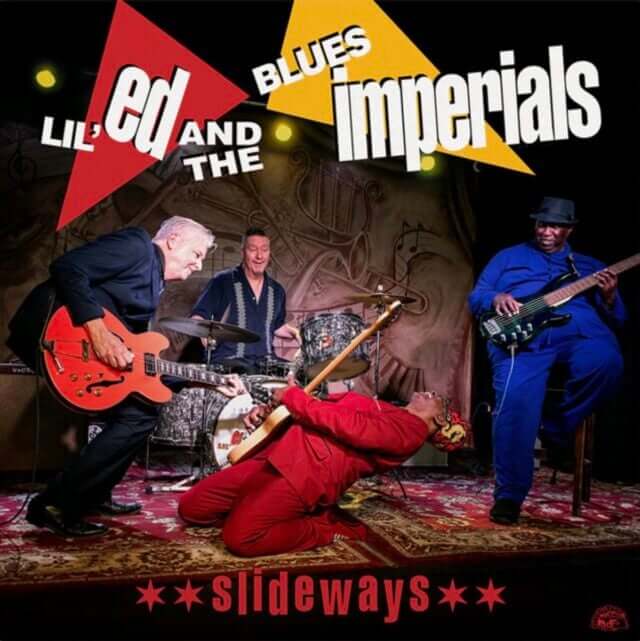
This record doesn’t “revive” Chicago blues—it's already breathing
Some albums sound like a museum tour with better lighting. The Slideways album isn’t that. It shows up like it’s late, loud, and absolutely unconcerned with whether you’re “into blues” as a concept.
Lil’ Ed Williams plays slide guitar the way some people talk when they’re mad: fast, messy on purpose, and weirdly honest. The tone isn’t polite. It’s celebratory in the bluntest way—big string bends, fervent vocals, and that head-forward momentum that makes Chicago blues feel less like history and more like a present-tense argument.
Lil’ Ed’s slide guitar lineage is real, but he’s not doing cosplay
You can hear the family tree in the playing—those classic slide-guitar instincts that trace back through giants of the style. But what matters is that Ed doesn’t behave like he’s trying to “honor” anything. He uses tradition the way a mechanic uses tools: grab what works, hit the problem hard, move on.
The Blues Imperials don’t float behind him either. They lock in like a road-tested unit that’s learned exactly how much chaos to allow before it stops being fun. If you’ve ever heard a blues band where everyone is technically good but nobody seems to mean it, this is the opposite. This band means it to an almost ridiculous degree.
“Crowning achievement” is a dangerous claim—then the songs start stacking up
I went in expecting more of the same: another competent late-career blues record with a couple burners and some filler. On second listen, I had to eat that assumption. Slideways doesn’t coast. It’s their 10th release with Alligator Records, and it plays like they know exactly what that milestone means—and refuse to get sentimental about it.
The sequencing tells you the intent: this isn’t a “variety” album trying to prove range. It’s a statement that their range already exists naturally—boogies, shuffles, slow blues, soul-burners—and the band can flip between them without changing facial expression.
Still, I’m not totally sure it’s their absolute peak. That “crowning” language is bold enough that part of me kept waiting for the one track that would undeniably crown anything. What I got instead was something maybe harder to brag about: consistency with teeth.
The sound is high-energy because they chose pressure, not polish
This one is produced by Lil’ Ed Williams alongside Bruce Iglauer, and you can feel that push-pull: a band that already knows what it does, paired with someone willing to poke it until it reacts.
The album runs 13 songs, with 12 written or co-written by Williams. That matters because the writing isn’t trying to impress you with literary trickery. These are songs built out of simple truths—say it straight, make it swing, make it sting if needed.
Williams’ singing and playing get genuinely hair-raising in spots, not because of studio magic, but because he keeps leaning into moments where most players would back off. The slide isn’t just “hot”—it’s confrontational, like it wants to push the band faster than is comfortable. And the band follows anyway, which is the whole point.
Ben Levin’s keyboards don’t “add color”—they add glue
A big chunk of the album (eight tracks) features Ben Levin on keys, and that choice changes the emotional temperature. The keyboard work isn’t there to sweeten the mix. It thickens the floor under the band, making the shuffles feel deeper and the slow blues feel heavier without getting syrupy.
The old-time style is obvious, but it doesn’t come off like retro branding. It comes off like a practical decision: keys can turn a good bar-band groove into something that feels like a room full of people responding in real time.
If you’re the kind of listener who thinks blues keyboards are always decorative, this album will probably change your mind—or annoy you, depending on your stubbornness.

Photo by Jean-Michel Philippe.
The characters are the real hook—and they’re not here to behave
What the Slideways album really does is populate itself with people. Not abstract emotions. People. Colorful characters dropped into scenes that bounce between funny and brutal.
Some of them are sinning while grinning. Others are smiling while crying. And the band treats both like normal life—which is exactly why it works. The humor doesn’t undercut the pain; it sits right next to it like they share a booth.
I’ll admit, at first I thought the storytelling might feel like a string of blues clichés. But the more I listened, the more I noticed how specific the situations feel. Not “bluesy.” Specific. That’s the difference between a song that nods at a tradition and one that actually belongs in it.
Track run: where the album shows its teeth
The album makes its case through particular moments, not vague vibes. A few highlights make the intent obvious:
- “Bad All By Myself” opens at high-octane speed, like the band’s daring you to keep up. It’s a statement: no easing in, no soft intro, just straight into the heat.
- “13th Street And Trouble” feels feral—less “controlled performance,” more like the band is chasing the song down an alley. If you want blues to sound dangerous again, it’s right there.
- “Flirt In The Car Wash Skirt” is the home-wrecker episode. It’s cheeky, sure, but it’s also the band flexing how easily they can make misbehavior sound like a chorus you’ll accidentally hum later.
- “Homeless Blues” gets reinvented in a way that actually earns the drama. Heartbreaking and soul-shattering isn’t a light claim, but the performance sells it: slower, heavier, and willing to sit in discomfort instead of rushing to the next riff.
Here’s my mild complaint, though: in a collection this energetic, a couple moments flirt with feeling too comfortable in their own momentum. Not “bad,” just slightly less surprising. The band’s confidence is the product—and occasionally the risk.
The band dynamic is the whole story: challenge, surprise, and stomping harder
The most revealing thing about this record is how it sounds like a group getting pushed. There’s a clear sense that the producer-side pressure mattered—not in a sterile, perfectionist way, but in the “do it again, mean it more” way.
Ed’s comments about the group land because you can hear them as decisions in the music: the drummer working like he’s trying to prove something, the bass dropping flavor exactly where it’s needed, the whole thing driven by a guitarist who wants the room to move.
“They always surprise me.” — Lil’ Ed Williams
That line hits because it’s basically the album’s personality. After decades together, the band still plays like they’re trying to outdo each other in the best way—not with flashy solos, but with commitment.
Why this album works as an entry point (and why that’s not an insult)
The Slideways album is positioned like it can welcome new listeners while still feeding longtime fans, and that’s not marketing fluff—it’s structural. The songs don’t require inside knowledge. They’re immediate: boogie when it’s time to boogie, shuffle when it’s time to shuffle, slow down when it’s time to hurt.
And the authenticity is unvarnished. Not “lo-fi” as an aesthetic. Unvarnished as in: nobody is sanding down the edges to chase a broader audience. The energy is infectious, and the showmanship is joyful without turning corny.
The more I sat with it, the more I realized the “wild abandon” feeling is carefully built. It sounds reckless, but it’s actually discipline wearing a party hat.
Listen links (in the original media order)
Spotify embed link:
https://open.spotify.com/embed/album/5wikAkBYjLmA11WwNLO9C4
Conclusion: a family band that refuses to age quietly
Slideways isn’t asking permission to be loud, emotional, funny, or harsh. It’s Chicago blues with the living-room intimacy of a family and the street-level punch of a band that still wants to win the night. It doesn’t try to modernize the genre; it just plays it like it still matters, which is the more insulting—and effective—move.
Our verdict: People who like blues that sweats, stomps, and tells actual stories will love this. People who prefer their blues tasteful, restrained, and politely “curated” will probably run for the exits (or start talking about how everything was better in 1967).
FAQ
- Is the Slideways album good for someone new to Lil’ Ed?
Yes—nothing here depends on deep fandom. The hooks and grooves are immediate, and the vocals explain themselves. - What’s the signature sound on this record?
Slide guitar up front, a band that plays tight without sounding cautious, and (on many tracks) keyboards that thicken the groove. - Does the album lean more fast or slow?
It’s built on boogies and shuffles, but the slow blues moments hit hard because the band actually commits to the downshift. - Are the lyrics serious or funny?
Both, sometimes in the same breath. The songs pack in colorful characters—some grinning through trouble, some breaking in public. - What’s the one thing that might not work for everyone?
If you want lots of studio sheen or constant stylistic left-turns, the album’s directness might feel a bit too sure of itself.
If you’ve got a favorite album cover vibe—something you’d actually hang on a wall—shop a poster that matches your taste at our store: https://www.architeg-prints.com.
 | DISCOUNTGET 30% OFF*Use code on your next order:
|
* This post may contain affiliate links, meaning we earn a commission if you make a purchase through these links, at no additional cost to you.