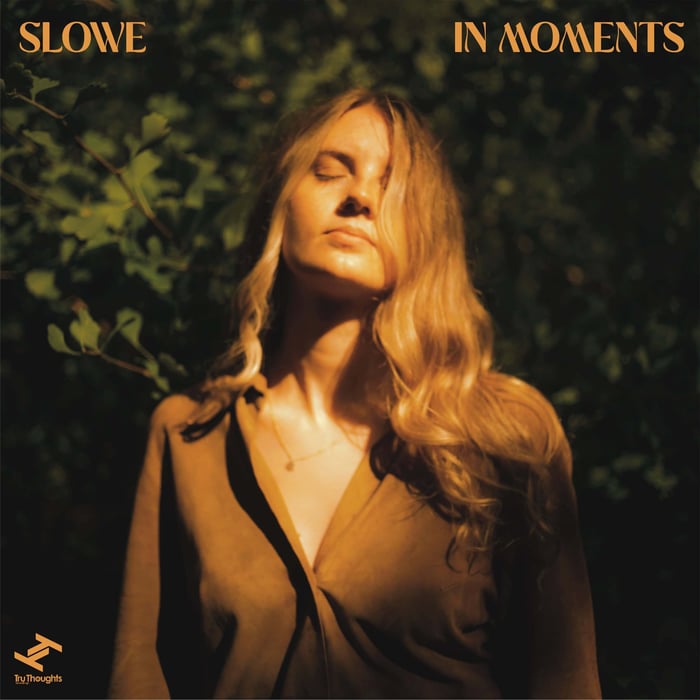
Slowe’s In Moments Album Review: One Room, 12 Songs, No Exit



Slowe’s In Moments Album Review: One Room, 12 Songs, No Exit
Slowe’s In Moments album traps you in a cozy loop—then dares you to call it growth. Here’s what that choice really means.
First, let’s admit what this album does immediately
Some albums kick the door in. In Moments shuts it gently, turns the lock, and then speaks softly from the other side like that’s somehow intimate.
The opening track lays it out with almost insulting clarity: soft guitar chords settle into place, a snare slices the calm, the bass starts rolling underneath, and then that voice shows up with, “It’s a familiar feeling, I know it all too well.” That’s not just a lyric. That’s the mission statement. This whole In Moments album is built around staying in what’s known—even when what’s known is clearly the problem.
And yeah, I felt the pull right away. It’s well-made. It’s warm. It’s the sound of someone being careful with their feelings like they’re carrying a full cup through a narrow hallway. But it also tells you, early, that the hallway is the only setting you’re getting.
The “waiting state” isn’t a theme here—it’s the entire floor plan
Here’s the trick Slowe (Sophie Hawes) pulls: she doesn’t write about waiting. She writes from inside waiting, and she refuses to step outside it even for a chorus-sized breath of air.
Compared to a title like Where the Mind Wanders, In Moments is basically an anti-title. No wandering. No movement. The album keeps returning to the same emotional posture: hide, doubt, brace for loss, stay put. Most of the songs feel like they happen in one evening, and the relationships are left vague enough that you can project whatever you want onto them—which is convenient, but also a little evasive. The narrowing is the product.
On “What If,” the second track, the lyrics turn into a chain of unanswered questions. Not rhetorical ones, either—real questions that just sit there. And the closer, “What if I just quit all the what ifs for a while?”, lands like a person staring at their own habits and not changing them, just… labeling them. That’s the whole album: naming the trap instead of leaving it.
I kept waiting for the mood to deepen later—to get uglier, funnier, sharper, anything. It doesn’t, not really. It swaps outfits. Same body underneath.
The sound palette is tight on purpose—and it quietly limits the emotional reach
Hawes wrote and co-produced every song here, and you can tell she’s working with a controlled kit of moves:
- Rhodes piano that softens the edges
- bass-forward grooves that do a lot of the emotional lifting
- programmed kick sitting under a live snare (that half-human, half-grid pulse)
- layered vocal harmonies stacked until they feel like insulation
- occasional synth that swells but rarely startles
That repetition can feel like “cohesion” if you want to be generous. It can also feel like choosing the same answer twelve times because you like how it sounds when you say it.
“Pen to Paper” rides an acoustic guitar pattern and puts the vocal right up on the mic—you can hear breath at the ends of lines, that close. It’s a deliberately private sound, like you’re not supposed to be listening, which of course makes you listen harder.
“Mind/Body” is where the rhythm section gets sly: bass and drums lock into a melodic figure, the kit sitting in a jazz pocket. Over that, she sings about picking flight every time over steadiness, but she delivers it with this deadpan calm that keeps the confession from exploding. It’s almost daring you to notice the contradiction: saying “I can’t stay” over music that never flinches.
“What If” loosens the tempo a bit over a funk-leaning bassline and stacked harmonies, but the band feels like it’s carrying something light while the lyric does the heavier work. That contrast could’ve been a pressure point. Instead, it’s more like a soft couch: even the anxiety lands cushioned.
And that’s the real recurring choice: In Moments refuses contrast more than it refuses anything else.
Twelve songs, one weather: the album smooths over its own friction
There are moments where the arrangements hint at change—then they politely change their mind.
“Not Asking the Stars” hits a bridge where the synth thickens into a slow rise. It should feel like the room’s ceiling lifts. But the vocal harmonies get layered so densely that no single line cuts through. It’s beautiful in the way fog is beautiful: it hides the sharp shapes.
“Puzzle” runs on slow drums and a single piano figure, like the music is pacing in place.
“Rhyme or Reason” brings driving bass and syncopated rhythm—finally, some traction. But then the vocal stacks come in and smooth the edges right back down, sanding off the friction the lyric suggests. It’s like watching someone rev the engine with the parking brake on.
This is where my first impression changed. At first, I thought the album’s restraint was going to pay off later—that it was saving the blow-up for the second half, the way some records hoard their brightest colors. On second listen, it hit me: the restraint isn’t building toward anything. It’s the point. The album isn’t denying catharsis because it’s coming later; it’s denying catharsis because Hawes doesn’t want to leave the room.
A reasonable listener could call that brave minimalism. I think it’s closer to a controlled refusal to risk embarrassment.
The late features don’t change the temperature—and that’s kind of the tell
Two guest spots show up at the end, and honestly, they function like a stress test: can another voice introduce a new emotional climate?
On “Sundown,” Alamay comes in singing the same patient uncertainty the album has been steeped in. And because the writing stays in that same waiting posture, Alamay doesn’t feel like a counterweight—more like another mirror.
“Hard to tell me that it’s over, when I’m still looking up
Patiently, I’m turning over
Feeling ‘round, I’m running out of time.”
Those lines could slide into Hawes’ mouth without anyone noticing. That’s not an insult to Alamay; it’s evidence of how total Hawes’ atmosphere is. The feature doesn’t open the space. It confirms the space.
Then Ethan Mark appears on “Lifeline,” and his lines run alongside hers, doubling the image of searching for a guiding force she never actually finds. You can hear the idea: a duet as rescue rope. But it doesn’t turn into rescue. It turns into two people describing the same fog from slightly different angles.
I’m not completely sure if that’s intentional or just a side effect of how locked-in the album is. Part of me thinks Hawes wanted the guests to fail to change the room—that the whole point is “even other people can’t shift me.” If that’s the intent, it’s consistent. If it isn’t, then it’s a missed opportunity.
“Careful Now” is the one moment the album lets itself bleed
And then there’s “Careful Now,” the track that proves—annoyingly—that a different temperature was available all along.
It starts with a steady drum beat ticking under her vocal, that familiar carefulness back in place: cracks in the windows, silent smiles, half-closed eyes, the whole routine of trying to keep the spell intact. Then the second verse lands with an actual rupture:
“You’ve taken something sacred and you tore it to shreds.”
Finally, heat. Not just mood. Not just tasteful melancholy. A line with teeth in it.
And what does the song do after that? It returns to the album’s standard temperature for the outro. Heat, then ceremony. Like she let herself shout in an empty stairwell and then immediately remembered the neighbors.
That’s the mild frustration I can’t shake with In Moments: it shows you the door to a more volatile, more human record—and then it closes it again. “Careful Now” is the most argumentative song here, and to me it’s the only time the album earns its space as music more than an elegantly maintained feeling.
Favorite moments (and why they matter more than the mood board)
This record doesn’t reward you for hunting “big moments.” It rewards you for noticing tiny decisions—the way the rhythm sits, the way the harmonies blur the sharp edges, the way the bass keeps trying to move while the voice stays still.
The tracks that best justify the album’s tight focus are the ones that either:
- briefly threaten to break the spell, or
- make the spell feel like a choice instead of a default
For me, that’s where “How Hard Can It Be?,” “Careful Now,” and “Lifeline” land: they either push against the room or show you the cost of staying in it.
And that’s what In Moments is really doing. It’s not trying to take you places. It’s trying to convince you that not going anywhere can be a form of honesty.
Conclusion
In Moments is the sound of Sophie Hawes choosing containment—over and over—until containment becomes the message. It’s beautifully built, sometimes frustratingly so, and at its best (“Careful Now”) it proves the album could’ve handled more mess without falling apart. But the smaller this record stays, the more it starts to feel like a decision to avoid risk rather than a decision to tell the truth.
Our verdict: People who love intimate, bass-led slow-burn soul-pop with stacked harmonies and zero interest in dramatic plot twists will sink into In Moments happily. People who need an album to turn—to get louder, uglier, funnier, or just plainly different by track six—will feel like they’ve been politely held in place and told that’s the same thing as being moved.
FAQ
- What is the core vibe of the In Moments album?
It lives in a single emotional room: familiarity, hesitation, and quiet self-protection, repeated in different musical outfits. - Does In Moments change sound across the tracklist?
The instruments and grooves rotate—Rhodes, bass-forward rhythms, layered harmonies—but the emotional temperature stays intentionally steady. - Which song breaks the album’s usual restraint the most?
“Careful Now,” because it briefly lets real anger and accusation show through before settling back down. - Do the guest features change the album’s direction?
Not really. Alamay on “Sundown” and Ethan Mark on “Lifeline” blend into the same mood, which feels like the point—even if it’s a little deflating. - Who should skip In Moments?
Anyone who wants contrast: big hooks, sharp left turns, or a mid-album reinvention. This record prefers staying put.
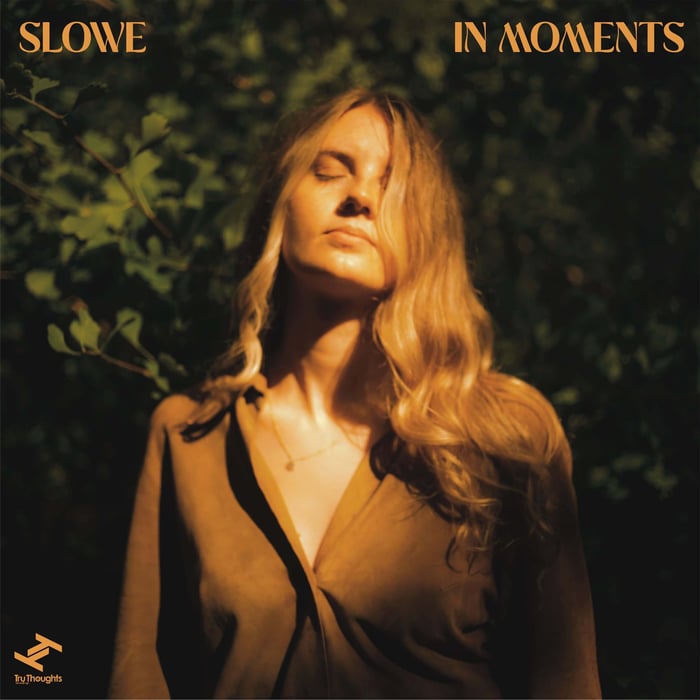
If this album’s “one-room” intensity got under your skin, it probably means you’re the type who’d hang the cover on your wall and call it a mood. If that’s you, you can pick up a favorite album cover poster at our store: https://www.architeg-prints.com
 | DISCOUNTGET 30% OFF*Use code on your next order:
|
* This post may contain affiliate links, meaning we earn a commission if you make a purchase through these links, at no additional cost to you.