Stone Autonomy Review: A “Freedom” Album That Still Wants a Fight


 See more Architeg Prints stories on Google.
Stone Autonomy Review: A “Freedom” Album That Still Wants a Fight
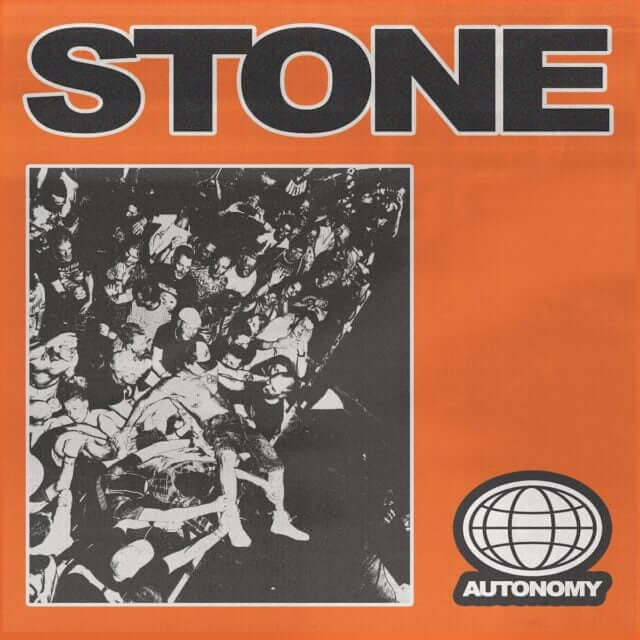
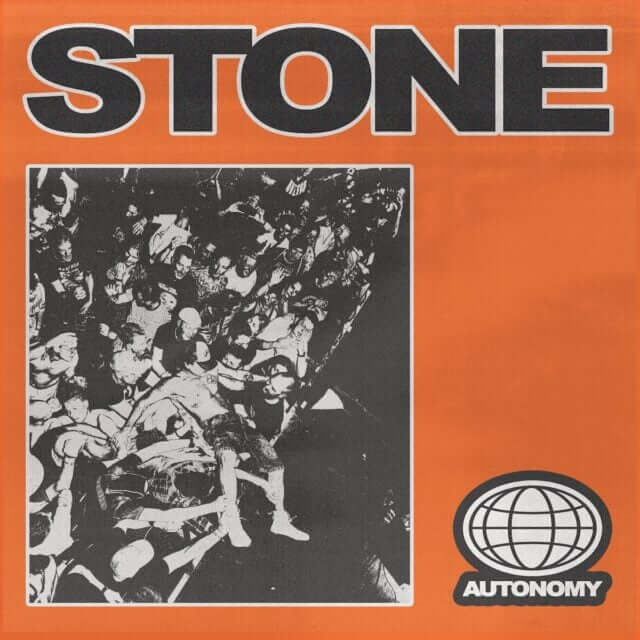
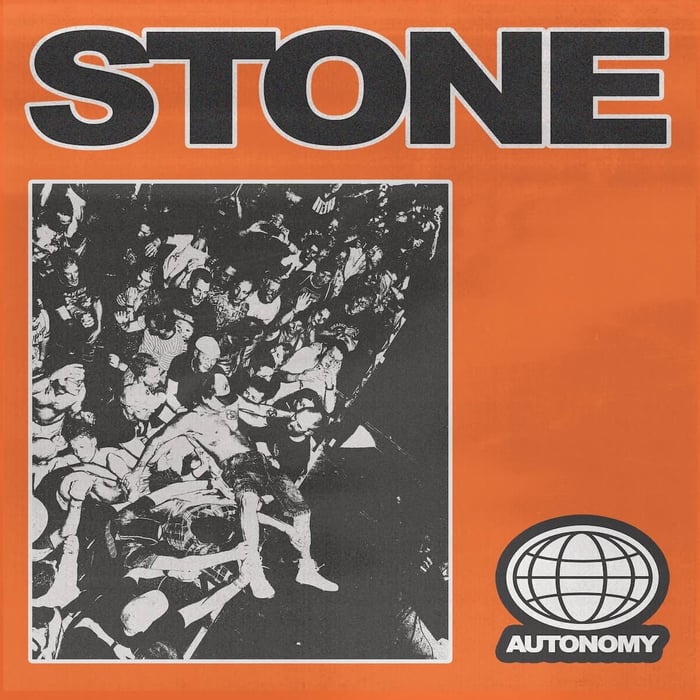
Stone Autonomy is the sound of a band grabbing the wheel back—loudly, intentionally, and sometimes a little too proud of it.
One quick warning before you press play
This isn’t an album that politely asks for your attention. Stone Autonomy kicks the door, then stands there like, “Yeah, we meant to do that.”
The rollout tells you what kind of confident this is
Before the full thing even lands, the band spends months drip-feeding the mood with “Never Again,” “Monkey See Monkey Do,” “Sweet Heroine,” and “Stack Up The Reasons.” That’s not casual single selection—that’s them pre-loading the argument.
And the argument is pretty blunt: this record wants to be seen as self-owned. Even the title Autonomy reads like a flag planted in the ground. Not “growth,” not “rebirth,” not some soft-focus reinvention—Autonomy. As in: stop telling us what we are.
I’ll admit, at first I thought the title was going to be one of those big mission-statement moves where the music can’t possibly live up to the word. On second listen, I got what they were doing: the point isn’t perfection. The point is control.
What Autonomy is really about: a band re-learning how to enjoy itself
Here’s what comes through immediately: this was written in the weird emotional hangover after a first album—when you’ve done the “we made it” thing, and now you’re stuck with the less glamorous question: okay, who are we when it’s not new anymore?
The album feels like a time capsule on purpose. Not nostalgic, not polished into a neat narrative—more like a snapshot of life while it’s still messy. The songs don’t sound like they’re chasing trend approval. They sound like four (or however many) people deciding to unify around one thing: make it real, make it ours, and—crucially—make it fun again.
That “fun again” part matters. A lot of bands claim they’re having fun when they’re actually just being loud. Here, the energy feels like relief. Like they survived a stretch that could’ve broken the chemistry, and instead they doubled down on togetherness.
A reasonable listener might disagree, but I’d say this: Autonomy isn’t trying to be a diary. It’s trying to be a group chat—chaotic, honest, and impossible to fake.
Where it was made, and why the sound comes off so stubborn
Next clue is the recording setup: most of this happens at Whitewood Studios in Liverpool, with Rob Whiteley producing—except “Hope Ain’t Gone,” which gets handled by Rich Costey.
You can hear the difference in intent more than in trivia. The bulk of the album has that home-soil pressure: tight, physical, not overly manicured. It’s the sound of a band that knows exactly what they’re capable of and isn’t interested in sanding off the sharp edges.
And that’s where the “heaviest, hard-hitting” claim actually checks out—not because it’s wall-to-wall heaviness, but because the band commits to impact. When they hit, they mean it. There’s a specific kind of decisiveness here: riffs and punches that don’t apologize for taking up space.
I’m not 100% sure the sequencing always supports that heaviness, though. There were moments where I kept waiting for the next track to escalate—and instead it swerved sideways. Maybe that’s the point (control includes refusing the obvious move), but it can briefly mess with the momentum.
The songs that give away the album’s real personality
To understand Stone Autonomy, I don’t think you start with the loudest moment. You start with how each key track frames the band’s self-image.
“Rockmount” is the album looking itself in the mirror
“Rockmount” comes off life-affirming and reflective—not in a soft way, more in a “we’ve taken hits and we’re still standing” way. It’s the sound of someone choosing clarity when it would be easier to posture.
Hot take: this kind of reflective track is what makes the heavy parts feel heavier. Without that grounding, the aggression would just be decoration.
“Moulin Rouge” is where the mouthy confidence shows up
Then you’ve got “Moulin Rouge,” which feels direct and outspoken—like the band is tired of being interpreted incorrectly and decided to speak in block capitals.
If there’s a weakness here, it’s that directness can sometimes flatten nuance. Being outspoken is satisfying; being interesting is harder. “Moulin Rouge” mostly pulls it off, but I did catch myself wanting one more left turn—one more moment that complicates the anger instead of just delivering it clean.
“Autonomy” (title track) turns control into euphoria
The title track aims for something meaningful and euphoric, and it’s arguably the center of the whole statement. It doesn’t just say “we’re free”—it tries to make freedom feel like a physical rush.
And yes, that can read as a little self-mythologizing. But I’d rather hear a band risk sounding grand than hear them shrink themselves into tasteful nothing.
The band’s mission statement… and the part I actually believe
“Autonomy is us taking back our power and saying this is us… everything that is on this album is intentional and it’s exactly the way we want it to be… We just want people to have a great time, enjoy it, see the energy and take that home with them.”
— Stone (joint statement)
The arguable part: I don’t think the album is only about “a great time.” That’s the friendly translation. Underneath, it sounds like a band drawing a boundary—between who they are and who they’re expected to be.
The live angle: why this album keeps trying to sweat
This band’s reputation is tied to wild, energy-driven shows and spontaneous house-party performances that feel like they might collapse the ceiling. That context matters, because Autonomy often sounds like it’s trying to bottle a room, not just write songs.
There’s a story baked into the way the band moves: a packed festival set at Pukkelpop, followed by a secret house party on a bus (which is either iconic or incredibly inconvenient, depending on your relationship with public transport). Then four small sold-out house-party-style shows across London, Newcastle, Manchester, and Sheffield, plus a support tour with South Arcade.
The point isn’t the itinerary. The point is the behavior: Stone builds community through heat and closeness, not distance and mystique. And you can hear them trying to keep that closeness even in the studio recordings—like they don’t want the songs to become “products.”
A reasonable person could say I’m romanticizing it. Maybe. But the album keeps pointing back to that same thing: energy in the room. It’s not subtle.

So what’s the catch? Autonomy isn’t flawless control—it’s chosen chaos
Here’s the thing: Autonomy talks a big game about intention. Most of it feels intentional. But intention doesn’t automatically equal variety, and there were moments where I wondered if the band is so focused on “this is us” that they occasionally forget to surprise the listener.
That’s not a fatal flaw—honestly, it might be the price of a record that’s meant to be a time capsule. Time capsules aren’t curated for strangers; they’re made for the people who lived the moment.
Still, my first impression was “this is just a heavier, older version of the band.” Then the deeper truth showed up: it’s a more grown-up version of Stone, yes—but the maturity is in the decisiveness, not in sanding things down. They’re not getting polite. They’re getting specific.
If you want the album in one sentence, it’s this
Stone Autonomy is what happens when a band stops asking for permission and starts treating every song like a deliberate choice—even when that choice risks sounding a bit too certain of itself.
Conclusion
Stone Autonomy doesn’t chase likability; it chases ownership. It’s heavy when it needs to be, reflective when it matters, and loud enough to remind you this band is still built for rooms that feel one spark away from disorder—in the best way.
Our verdict: People who like their rock with sweat, stubbornness, and a sense of “we meant every second of this” will click with Stone Autonomy fast. If you prefer your albums to feel effortlessly cool, perfectly edited, or gently mysterious, this will feel like someone talking too close to your face on purpose.
FAQ
- What is the core idea behind Stone Autonomy?
It feels like a reclaiming move—songs written to sound self-owned, like the band’s drawing a line around what’s theirs. - Which singles previewed the album?
“Never Again,” “Monkey See Monkey Do,” “Sweet Heroine,” and “Stack Up The Reasons.” - Where was Autonomy recorded and who produced it?
Mostly at Whitewood Studios in Liverpool with Rob Whiteley producing; “Hope Ain’t Gone” was produced by Rich Costey. - Does the album lean heavier than their earlier work?
Yes—more hard-hitting overall, but the real change is how decisively they commit to each moment. - Is Autonomy more of a studio album or a live-energy album?
It behaves like a live band trying to trap “the room” inside recordings—sometimes messy on purpose, usually effective.
If you’re the type who treats album artwork like part of the ritual, you can always shop a favorite album cover poster at our store—tastefully, not pushy—over at https://www.architeg-prints.com.
 | DISCOUNTGET 30% OFF*Use code on your next order:
|
* This post may contain affiliate links, meaning we earn a commission if you make a purchase through these links, at no additional cost to you.