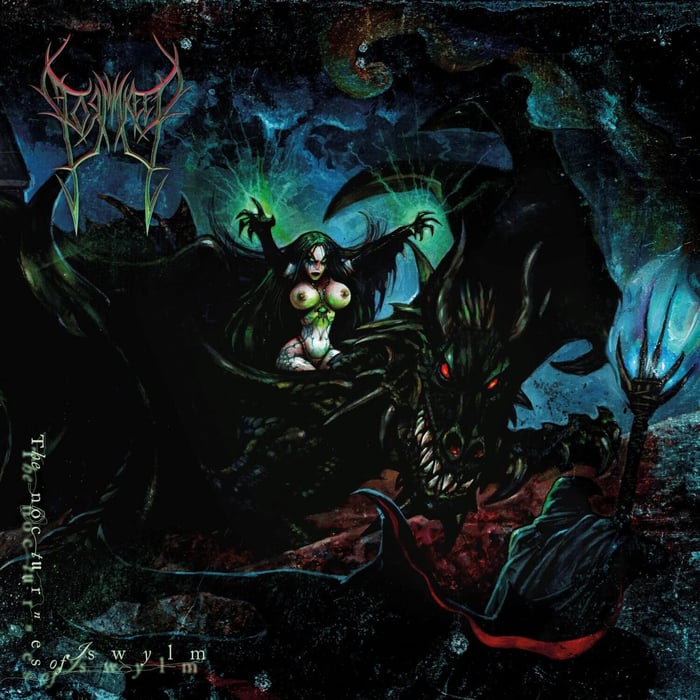
Stormkeep Album Review: The Nocturnes of Iswylm Is Powerlifting in a Cloak


 See more Architeg Prints stories on Google.
Stormkeep Album Review: The Nocturnes of Iswylm Is Powerlifting in a Cloak
Stormkeep’s sophomore album The Nocturnes of Iswylm delivers a focused, immersive black metal experience that weaponizes lore and atmosphere with precision, marking the band as a rising heavyweight in modern black metal.
A scene that’s alive, and a band that knows it
American black metal right now doesn’t feel like a museum exhibit—it feels like a working kitchen. New bands are cooking, older ones are sharpening knives, and the whole thing has a creative pulse that’s hard to fake. Stormkeep come off like they’re fully aware of that momentum, and The Nocturnes of Iswylm is them cashing in… without sounding desperate about it.
They’ve been building to this. Tales of Othertime (their 2021 debut) already had that “worldbuilding” obsession—black metal fused with dungeon-synth atmosphere, rooted in a fantasy setting with actual lore instead of random fog-machine vibes. And yes, the live reputation matters: the kind of band that can step onto a UK stage (Manchester’s Rebellion, their first and only show on these shores so far) and come out stamped as “worth paying attention to.” This new record feels designed to shove them upward in the pecking order, not politely request a seat.
Arguable claim: Stormkeep aren’t trying to “innovate” black metal here—they’re trying to win at it.
The big shift: less wandering, more knife work
Here’s what changes on The Nocturnes of Iswylm: it’s tighter. On the debut, the dungeon synth sections acted like scenic overlooks—breaks in the barrage where the record would pan the camera across mountains, castles, whatever. This time Stormkeep sound more refined and more focused, like they cut the fat on purpose.
At first, I thought I’d miss the wider atmospheric breathing room. I expected less synth meandering would flatten the whole fantasy thing into standard symphonic black metal. But on second listen, the directness started feeling like the point: Stormkeep aren’t sightseeing anymore—they’re hunting. Over roughly 45 minutes, the album hits with an exhilarating rush because it doesn’t keep asking permission to be grand.
Arguable claim: the “refinement” isn’t polish for mainstream ears—it’s Stormkeep choosing efficiency over escapism.
“The Taste of Immortal Blood” sets a stupidly high bar
“The Taste of Immortal Blood” opens like a mission statement. Even the title is melodramatic in that knowingly vampiric way—like it’s grinning while it says it. The sound matches: grand keys threading through thundering blastbeats, and Otheyn Vermithrax’s snarls slicing the mix with that bloodhound intensity—tracking, biting, not just yelling into the void.
Then there’s that chorus turn that honestly made me blink. It swings into a shape that wouldn’t feel weird on a Winterfylleth record—an anthemic lift that’s almost too “heroic” for how hostile the rest of the track is. The long composition earns its length: a rolling crescendo, a clean, slick solo (not showy, just sharp), and a finish that feels earned rather than pasted on.
I’m not totally sure the track needed to flex quite that hard right away—part of me wonders if the album peaks too early. But the more I sat with it, the more I realized it’s not peaking. It’s setting the rules.
Arguable claim: the opener isn’t just the best first song—it’s the track that forces the rest of the album to keep up or get embarrassed.
When the record swerves, it does it with intent
Stormkeep keep meeting that bar, and a couple moments cross into “okay, that’s kind of ridiculous” territory—in a good way. “The Black Dragons of Iswylm” twists and contorts while symphonics swirl around the riffs and rolling percussion. It’s dizzying without becoming messy, which is harder than it sounds; a lot of bands confuse “more layers” with “more impact.”
The slick move is the cascade into a piano-led sequence. It’s subtle, not some overwrought interlude with a cape flourish. It lands because it feels like part of the architecture, not decoration.
And then “Saccharine Subjugation” comes in and leaves teeth marks. If I’m being blunt, this might be one of the best black metal songs I’ll hear this year—not because it’s reinventing anything, but because it rides its own wave with control. It moves from stormy blackened blasts into melancholic, somber passages, guided by crooning leads and haunting chants. The ebb-and-flow feels intentional, like the band is pushing and pulling your attention instead of letting the song drift.
Arguable claim: “Saccharine Subjugation” works because it’s basically pop songwriting discipline hiding inside black metal armor.
Lore isn’t “extra” here—it’s the control panel
Stormkeep’s identity leans hard on lore, and The Nocturnes of Iswylm sounds calculated because of it. Not calculated like “corporate.” Calculated like a tabletop campaign planned by someone who actually reads the rulebook and quietly hates chaos players.
That planning shows up in how immersive the listening becomes. The album doesn’t just stack big symphonic gestures on top of blastbeats; it uses them to frame scenes. You can hear the band making decisions about what kind of gothic, macabre book they want this to resemble.
“Imperious Sanguine Eroticism” is the clearest example of that “gothic tome” feeling. The clean-heavy vocals combined with sweeping symphonics steer it into a more decadent, theatrical corner—like they wanted a chapter that smells like candle wax and bad intentions. It’s almost corny on paper, but the conviction sells it.
Then “Echoes in the Vasts of Sequestration” snaps the mood back with slick riffs and one passage I kept rewinding: breakneck blastbeats paired with haunting melodies that are allowed to sit in the spotlight instead of getting buried. A lot of bands treat melody like a guilty pleasure. Stormkeep treat it like a blade—shiny, deliberate, and absolutely meant to be seen.
Arguable claim: the lore isn’t there to distract you from riffs—the riffs are there to make the lore feel inevitable.
Late-album stamina: where most bands quietly cheat
Plenty of extreme records start strong and then coast. This one doesn’t. Even near the end, the quality stays high, which is where the “upper echelon” ambition starts feeling real instead of aspirational.
“Carnal Tapestries of Nailtorn Flesh” has a name that’s so vicious it’s almost theatrical by itself, and the music leans into that: bombastic, dramatic, and not pretending to be “raw.” If you’re a purist who thinks refinement is a sin, this is probably where you start making a face. For me, the theatrics work because the band doesn’t wink at you—they commit.
Closer “Ballad of a Fallen Star” is a nine-and-a-half minute behemoth, and it ends the record magnificently: one last epic sprawl of symphonic-laden black metal, expanding outward until it feels like the album’s sky finally collapses. I kept waiting for it to lose focus, for that long runtime to turn into wandering. It doesn’t, which is frankly annoying if you were hoping to criticize it.
Arguable claim: the closer proves the band isn’t just writing “songs”—they’re writing endings.
So yeah, this clears the debut’s shadow (and that surprised me)
Tales of Othertime set an absurdly high bar for a band that was still relatively new to black metal. It would’ve been completely understandable if the sophomore record fell just short—most bands do, and then everyone politely says they’re “still growing.”
But The Nocturnes of Iswylm doesn’t feel like a slight step down or a safe consolidation. It feels like Stormkeep expanded their sound into more emphatic places and came out looking bigger, sharper, and more mature. The growth shows in the discipline: fewer meandering detours, better pacing, bigger moments that actually land because the groundwork is there.
I’ll admit I went in braced for the “second album problem.” I expected a slicker version of the debut with diminished magic. Instead, I got a band that seems to have decided the magic isn’t in misty ambience—it’s in control.
Purists may turn their nose up at the refined soundscape, but I don’t think Stormkeep are chasing cleanliness for its own sake. This sounds like a band actively steering toward heavyweight status in modern black metal, and not apologizing for the ambition.
And if you really want a number attached to it: in my head, this sits around a 9/10 kind of impact—one of those records that makes you slightly annoyed other bands aren’t this intentional.
Arguable claim: anyone calling this “too polished” is confusing aesthetic preference with musical standards.
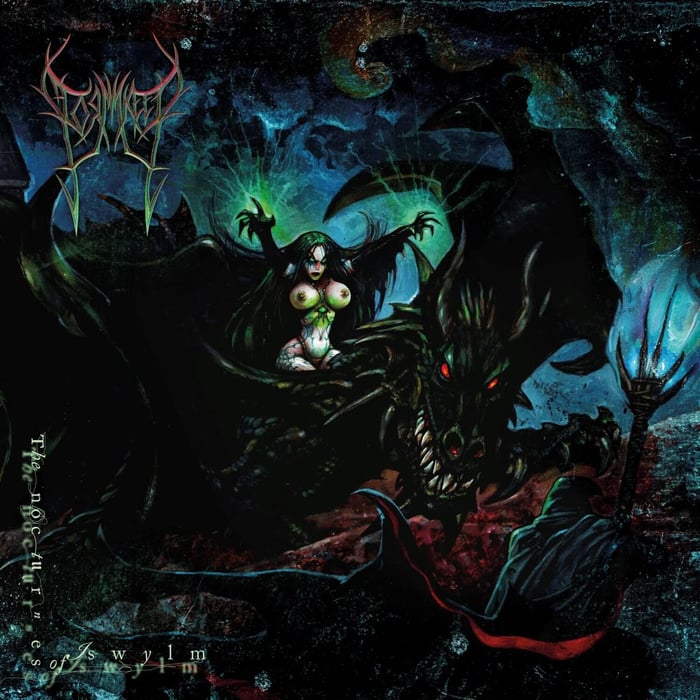
The Nocturnes Of Iswylm is out now via Vesperian.
Conclusion
Stormkeep made a record that doesn’t just show off fantasy lore—it weaponizes it. The Nocturnes of Iswylm hits harder because it’s more focused, more direct, and more confident about when to go grand and when to go for the throat. It’s not background “atmosphere.” It’s a designed experience, and it doesn’t flinch.
Our verdict: If you like symphonic black metal that actually commits to memorable structure (and doesn’t treat melody like a dirty secret), you’ll love this. If you want your black metal to sound like it was recorded inside a trash can during a blizzard, you’ll call it “refined” like it’s an insult and go back to complaining happily.
FAQ
- Is this a “dungeon synth” album or a black metal album?
It’s a black metal album first, with fantasy-leaning keys and atmosphere used strategically rather than as constant detours. - Does the Stormkeep album review hinge on the lyrics and lore?
The lore matters because you can hear it shaping the pacing and drama, but the riffs and arrangements still do the heavy lifting. - What track best represents the album’s approach?
“The Taste of Immortal Blood” lays out the blueprint: big keys, hard blasts, and anthemic turns that don’t feel accidental. - Does the album lose steam in the second half?
No—if anything, the closer “Ballad of a Fallen Star” proves they planned the ending instead of just stacking minutes. - Will purist black metal fans enjoy this?
Some will, some won’t. If you equate “raw” with “good,” you’ll probably bounce off the refined, theatrical choices.
If this record put an image in your head you can’t shake, that’s basically what album art is for. If you want to hang that feeling on a wall, you can shop a favorite album cover poster at our store.
 | DISCOUNTGET 30% OFF*Use code on your next order:
|
* This post may contain affiliate links, meaning we earn a commission if you make a purchase through these links, at no additional cost to you.