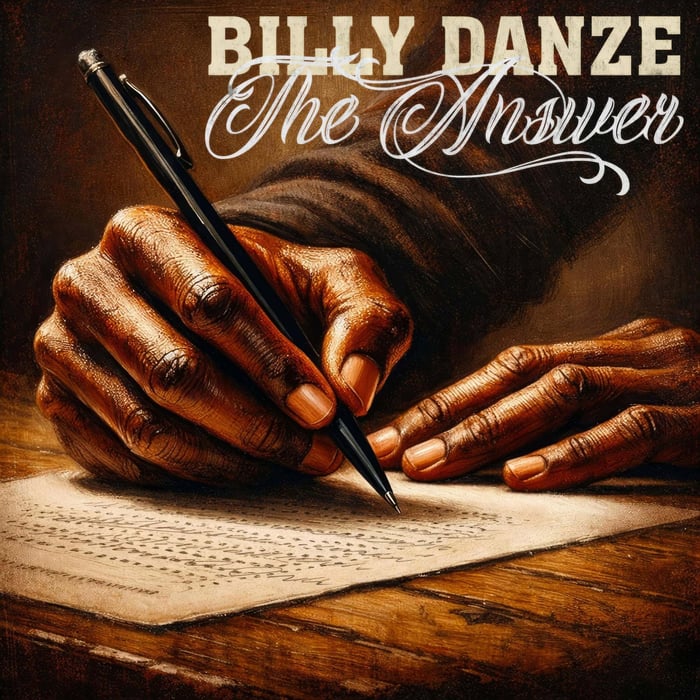
The Answer Review: Billy Danze’s “Old Man Yells at Rap” (and Wins)

 See more Architeg Prints stories on Google.
Album Review: The Answer by Billy Danze
A deep dive into Billy Danze’s latest solo effort, The Answer, revealing its raw emotions, veteran bravado, and the complexity of a rapper balancing legacy and relevance.
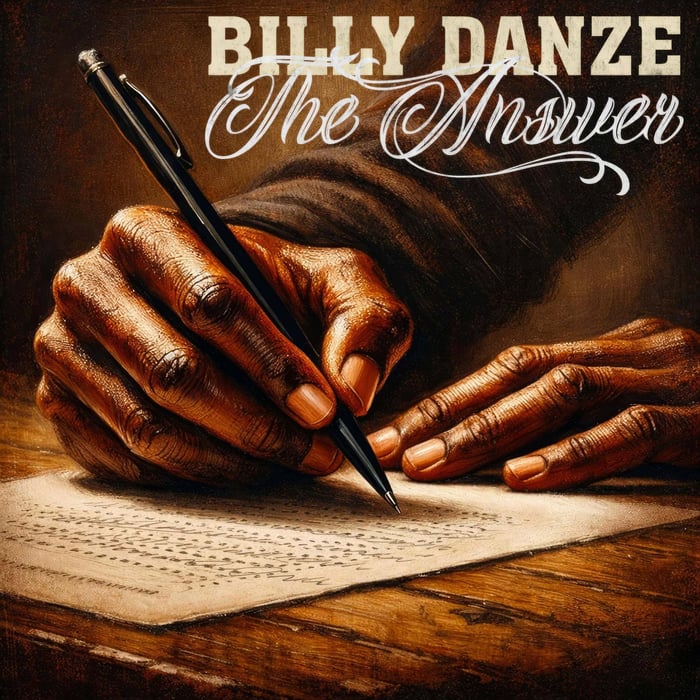
This album isn’t asking a question—it’s correcting you
Billy Danze made a record that doesn’t feel like it wants new fans. It wants compliance. The Answer plays like a guy who’s watched the culture move on, then decided the only rational response was to grab the microphone and start grading everybody’s work in red pen.
And honestly? That attitude is both the album’s power source and the thing that occasionally makes it drag.
Before any of this, the backstory matters because you can hear the accumulated irritation. M.O.P. had three full albums that basically evaporated into label nonsense—one shelved, one vanished, one stuck in the swamp between handshake promises and contracts that died on arrival. Meanwhile, the world kept booking shows off the strength of “Ante Up” for decades. So when Danze started dropping solo records with Swiss producer TooBusy in 2020, it wasn’t treated like an event. It was more like: “Oh, he’s still here.” The Answer is him making “still here” sound like a threat.
TooBusy builds a runway; Danze uses it to pace
From the jump, TooBusy’s production makes a very specific promise: you’re getting sturdy New York rap architecture—muscle, grit, and zero flirtation with trends. The drums hit like they’ve been weightlifting. The loops feel bolted down. It’s the sonic equivalent of wearing boots indoors on purpose.
At first I thought that steadiness was going to be the secret weapon—no distractions, just bars. But somewhere in the middle stretch, I caught myself blinking through a couple transitions because the beats can be too consistent. Not bad. Just… same-ish in a way that turns tracks into a long hallway with identical doors.
That said, the consistency also gives guests an easy landing spot. Nobody has to fight the instrumental. They just show up, sharpen the knife, and talk.
The guest list screams: “I still have people’s numbers”
The Answer stacks features with that particular category of New York rapper: over forty, still lethal, still willing to rap like rent is due. It’s a flex without saying it’s a flex. Danze doesn’t need to explain credibility; he just populates the album with voices that sound like they’ve survived entire eras of rap’s mood swings.
And the weird thing is: the album sounds exactly like you’d expect—boom-bap backbone, hard stares, veteran energy. That predictability is both a compliment and a ceiling. It’s satisfying in the moment, but it rarely surprises you musically. The surprises come from what people admit.
Most of The Answer is aimed at someone Danze can’t stand
The main character of this album isn’t Billy Danze. It’s the person he’s talking to.
Over and over, he addresses:
- the young rapper who “can’t write”
- the disloyal friend who switched up
- the culture at large, treated like a class clown that needs discipline
He lectures so much that I started wondering—genuinely—who he thinks is still listening for instruction. Because the funny contradiction is: the album is loaded with proof that Danze has earned his voice… but it often uses that voice to demand respect instead of creating moments that force it.
Then “Got Time” happens, and the whole album briefly stops shadowboxing.
“Got Time” is where the tough-guy mask slips (thankfully)
Here’s the scene that changes the temperature: Danze talks about printing T-shirts with his dead father’s face so his nephew can wear them to basketball games. That image lands hard because it isn’t a posture. It’s not a slogan. It’s an object you can picture—cotton, ink, grief, pride, all in one.
He even adds, plain and un-dramatic: that’s gotta hurt. And yeah. It does.
Jadakiss follows that thread by zooming out to the unbearable math of being a Black man aging inside a system that keeps receipts:
“Outstanding like the Gap Band
Not according to the lifespan
All the obituaries on the nightstand.”
That’s the album opening its chest for a second. And I won’t lie: I kept waiting for it to stay in that zone longer.
Instead, after that verse, the lectures come marching back in formation.
“What If” is the album’s emotional apex—and nobody else reaches it
If there’s one moment where The Answer stops being a sermon and becomes a human document, it’s “What If.”
Conway the Machine delivers the most precisely written verse on the whole album, and it’s not close. The reason it hits isn’t because it’s “real” in the vague way people say online—it’s because the details are too specific to be performance. He threads gratitude and trauma in the same breath: a mother’s recovery and bullet scars, death dates that don’t need to be embellished because the fact pattern is already unbearable.
And when he says he pulled over his truck and cried, I believed him instantly—not because I’m predisposed to, but because the writing doesn’t ask for belief. It assumes it.
Danze rises to the moment too. The line that stuck to me is one of those tiny phrasing choices that tells you the writer is actually awake:
“I ain’t stressed over war / I’m depressed over war.”
That one vowel swap does more than a dozen “I’m the greatest” declarations. It’s the difference between performing toughness and admitting damage.
“Blessings and Prayers” proves Danze can write when he stops posturing
This track runs a similar current to “What If,” just quieter and more reflective. Danze thanks his father for leaving the light on—simple, domestic, loaded. He describes the bottle as something people use to “wash away” sorrow, then undercuts it by admitting it’s really just hanging on, not healing. He even slips in a line about a man not planning his fate, which is a humble admission on an album that often sounds like it’s running for office.
That’s the version of Danze I trust most: the one who doesn’t need to threaten the room to hold it.
And it’s a little frustrating—mildly, but for real—that he doesn’t live there more often. Because when the guard drops, he’s not just a veteran rapper. He’s an actual writer.
“Gotham” is where Ghostface shows up and steals the furniture
The bridge from “serious reflection” back to “rap theatrics” happens fast, and “Gotham” is where the album turns snarling again.
Ghostface Killah comes in sounding like he’s been waiting all day to talk. And he does what great rappers do: he talks trash through images instead of just volume. He’s cleaning stones, fingers stuck, saxophone nearby, writing until his hand catches carpal tunnel—like the grind has become physical injury.
I laughed out loud, not because it’s a joke, but because the details are so casually ridiculous and so perfectly Ghostface.
“Some niggas blew up off one song and an ad
And my old ass’d be like, ‘What the fuck was that?’”
He outclasses basically everyone on the track, including Danze, because Ghost doesn’t just declare himself elite—he shows you the weird, worn-down workshop where the skill got made.
Danze’s self-mythology is the album’s most repeated hook
Danze spends a lot of The Answer assigning himself titles: mayor, presidential, hardest, most quotable. You could print a little brochure of self-coronations from this one record.
Sometimes it lands like classic rap bravado—fine, expected, part of the sport. Other times it becomes the lyrical equivalent of someone repeating their job title in a conversation that wasn’t about work.
“Brooklyn Confidential” has him tossing out a bar about being an opium distributor with a lethal dosage. It rattles in the moment, sure. But it also evaporates the second you examine it, like a tough line built to echo in the booth, not live in your head.
“The Fix” frames the generational question more directly: can the new era give people that Black Rob “Whoa”? The album wants that standard—music that hits so hard it becomes community property. The problem is, the track also turns into sixteen different ways of saying Billy Danze is better than you, and that kind of constant self-endorsement can dull the point he’s trying to make.
The M.O.P. reunion is pure voltage—but the energy isn’t the same
“In Case You Forgot” brings Lil’ Fame in, and the chemistry is immediate. Fame doesn’t sound like he’s giving a speech. He sounds like he’s mid-fight.
“I ain’t one of them punk bitches that be scared of y’all
Haven’t met a warrant
I keep telling y’all.”
Fame’s intensity feels less self-regarding. He’s not trying to be crowned; he’s trying to survive the next minute. Next to that, Danze sometimes comes off like he’s evaluating the room rather than moving through it.
That contrast is revealing. It’s also kind of the album’s core conflict: Danze wants to be both the fighter and the instructor, but those are different energies. One bleeds. One points.
“No Losses” is buried late, and it hits like a delayed bruise
Near the end, Danze addresses betrayal on “No Losses,” and the hurt shows up so suddenly it almost feels like the album has been clearing its throat for fifteen tracks just to say this part without cracking.
“He assassinated the character of a man that really hoped you would win.” That line doesn’t sound like a rapper “going in.” It sounds like someone still stunned they were capable of hope.
Then the hook clinches the bitterness cleanly: there’s no love lost because there was never any there.
If more of The Answer carried that kind of emotional specificity, the record wouldn’t just feel solid—it would feel unavoidable.
So what is The Answer actually doing?
It’s not trying to modernize. It’s not trying to charm you. It’s trying to restore a hierarchy: pen first, loyalty first, pain acknowledged but not exploited, toughness earned rather than costumed.
And on second listen, I revised my early reaction that it was “just” a dependable veteran rap album. The best moments aren’t about sounding classic—they’re about Danze briefly forgetting to posture and accidentally telling the truth.
Still, I’m not totally sure the album understands how repetitive its message can get. When every other track is a lecture, the listener stops feeling corrected and starts feeling… managed.
Conclusion
The Answer works best when Billy Danze stops trying to be the mayor of rap and just stands there as a man with history. The guests (especially Conway and Ghostface) don’t just decorate the album—they expose what Danze’s record could’ve been more often: less grading papers, more showing scars.
Our verdict: People who miss grown-man New York rap with real voices, hard drums, and specific pain will actually like The Answer—especially if you’re allergic to trend-chasing. People who need musical left turns, playful hooks, or any patience for constant self-crowning will bounce halfway through and call it “a rant,” which… isn’t entirely unfair.
FAQ
- Is The Answer mostly a lyrical album or a production album?
It’s lyric-forward, but TooBusy’s steady, muscular beats are the floor everything stands on—for better and for occasional blur. - What’s the most emotionally direct moment on the album?
“Got Time,” when Danze talks about making memorial T-shirts for his nephew, and the tough talk finally has a heartbeat. - Which feature stands out the most?
Ghostface on “Gotham” steals attention through detail and weirdness, like he’s living in the bars instead of announcing them. - Does the album feel like classic M.O.P.?
“In Case You Forgot” brings the voltage back, but the energy split is noticeable: Lil’ Fame sounds like combat; Danze often sounds like command. - What are the best starting tracks if I don’t want the whole album yet?
“Got Time,” “Gotham,” and “What If” give you the clearest picture of what the record does when it’s actually hitting.
If this album’s blunt energy put an image in your head, you might as well hang one up—shop your favorite album cover poster at our store: https://www.architeg-prints.com.
 | DISCOUNTGET 30% OFF*Use code on your next order:
|
* This post may contain affiliate links, meaning we earn a commission if you make a purchase through these links, at no additional cost to you.