The Back Of Beyond Album Review: Dry Wedding’s Goth Party Runs Too Long


 See more Architeg Prints stories on Google.
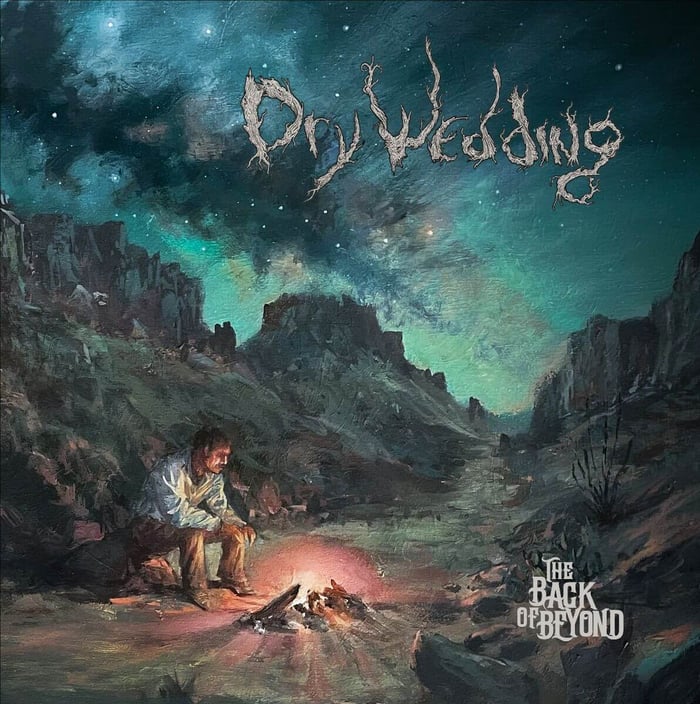
ALBUM REVIEW: The Back Of Beyond – Dry Wedding
An atmospheric blend of 80s post-punk, goth rock, and horror punk, Dry Wedding’s The Back Of Beyond crafts haunting soundscapes that both captivate and challenge listeners with its extended, immersive tracks.
A record that dares you to keep staring
Some albums pull you in. The Back Of Beyond kind of stands across the room with its arms folded, daring you to flinch first. Dry Wedding plays like they’re building a set for an old horror film—black-and-white lighting, heavy shadows, and a fog machine that maybe shouldn’t be on quite this long.
What’s immediately obvious is the intent: this is 80s post-punk dressed in goth and horror-punk clothing, with a few extra “haunting noises” tossed in like broken glass on a stage floor. It’s not subtle, and I don’t think it’s supposed to be. The band wants atmosphere more than they want your comfort.
And that’s where the album becomes a weirdly mixed experience—because when it hits, it hits, and when it drifts, it doesn’t politely drift. It wanders off and leaves you holding the mood by yourself.
“Arrowhead” opens the door… then keeps you in the hallway
The album starts with “Arrowhead,” and the first thing it does is establish a bleak tone with guitar that feels scraped-down to the bone. This is where the Back Of Beyond keyword really earns its keep: the track sounds like it’s trying to pull you past the streetlights into the part of town where your phone battery suddenly drops by 30%.
The vibe is strong—melancholic but strangely inviting, like a beautiful room you’re not sure you’re allowed to enter. It’s got that classic post-punk-to-goth overlap where the guitar isn’t just melody; it’s architecture.
But here’s the first problem, and it’s going to become the problem: the track hangs around too long. At first I thought the length was a power move—like, “no, you sit in this feeling until you get it.” On second listen, I wasn’t so sure. There’s a fine line between hypnosis and losing the plot, and “Arrowhead” steps over it. I caught myself zoning out—not because the sound was bad, but because the song’s impact starts to thin out when it keeps repeating the same emotional stance.
Long songs can be thrilling when they evolve. This one feels like it’s waiting to evolve.
The album’s first jolt: “The Serpent Box” remembers punk exists
Right after that, “The Serpent Box” snaps the album back into focus with more bite. This is the band leaning into energy—more punk, more motion, more forward momentum—and it’s honestly a relief.
It also makes the influences feel louder without needing to name-check anyone. Still, if you’ve ever lived near the intersection of horror punk and goth rock, you’ll recognize the posture: dramatic, sharp-edged, and slightly theatrical in a way that feels intentional rather than corny.
Here’s my arguable take: this track makes the band sound more confident than “Arrowhead” does. Not because it’s “better,” but because it commits. It doesn’t just set a scene—it does something inside it.
“Sure As A Gun” tries to seduce you—and nearly succeeds
Then comes “Sure As A Gun,” and the album shifts into a slow, sultry lane. It even drags in a smooth-jazz kind of slickness—like the band quietly swapped the graveyard for a lounge with expensive drinks and lighting designed to flatter everyone’s cheekbones.
I actually like the idea of this move. It’s a smart way to expand the palette without breaking character. The song places you somewhere specific: you’re sitting back, half-listening, half-watching the room, letting the music become the air.
But again—this is where the album starts stepping on its own toes. The mood is there. The attitude is there. The pacing, though? It stretches the moment until the moment stops feeling like a moment. I kept waiting for a turn—a twist, a collapse, a sudden flare—but the track stays in its pose too long.
If the goal was decadence, fine. If the goal was tension, it needed a sharper blade.
The frustrating part: the best songs prove the album could’ve been lethal
The most annoying thing about The Back Of Beyond is that it repeatedly proves it knows exactly how to work.
When “Blood Red Vengeance” kicks in, the opening low drums feel like a floor forming under you. The track builds, elevates, and leaves you with that rare post-punk payoff: you don’t just feel moody—you feel powered up, like the song just handed you a dark cape and expected you to do something with it.
And then there’s “Once Last Strand,” which leans into a sultry horror-punk angle and actually escalates in a way that rewards attention. The drums take on real weight as it intensifies, and the track understands a crucial truth: if you’re going to be dramatic, you need progression, not just presentation.
Here’s an arguable claim I’ll stand by: these songs reveal the album’s real strength isn’t gloom—it’s escalation. When Dry Wedding pushes forward, they’re compelling. When they loop, they blur.
The closing stretch: strong setups that overstay the goodbye
By the time you reach the closing tracks, you can hear the album’s central contradiction. It wants to be unsettling and stunning—big soundscapes, haunted textures, the whole nocturnal cinema thing—but it sometimes treats track length like proof of depth.
“Moths” sets itself up to be dramatic and sultry, the kind of song that should feel like velvet curtains moving in a draft you can’t explain. And for a while, it works. The mood lands. The atmosphere sticks.
Here’s where I admit I’m torn: part of me respects the band’s refusal to rush, because rushing would ruin this aesthetic. But the longer it goes, the more the song’s initial spark starts to dim. You don’t lean in closer—you lean back, because the track stops asking for your attention and starts assuming it.
Then “Shifting Wilderness” comes in with a moody, goth-focused foundation that should’ve been a final, foggy walk into the woods. It’s solid in concept and tone. And to be fair, it does take an interesting route toward the end—enough to break the monotony and remind you the band can still pivot when they choose to.
But even with that late turn, the album’s pattern is hard to ignore: strong openings, extended middles, softened impact. The songs don’t collapse, they just… thin out. Like paint spread too wide.
So what is Dry Wedding really doing on The Back Of Beyond?
Here’s what I think is actually happening: The Back Of Beyond isn’t trying to be a collection of “tracks.” It’s trying to be a place. A continuous setting. The band keeps returning to the same palette—post-punk grit, goth shadow, horror-punk drama, and those haunted little noises—because repetition is part of the spell.
And I’ll admit something: my first impression was that the album was going to fully swallow me in atmosphere. Later, what surprised me was how often the spell breaks—not with a bad sound, but with too much of the same good sound. The band seems so committed to staying in-character that they forget to sharpen the endings.
That’s the mild tragedy here. On paper (and often in practice), the album has the parts:
- a strong visual tone in the guitars
- drums that can either stalk or stomp depending on the track
- a clear love for 80s-era darkness without turning it into parody
But the record can’t resist letting certain songs outlive their best moment.
Release note (because it matters)
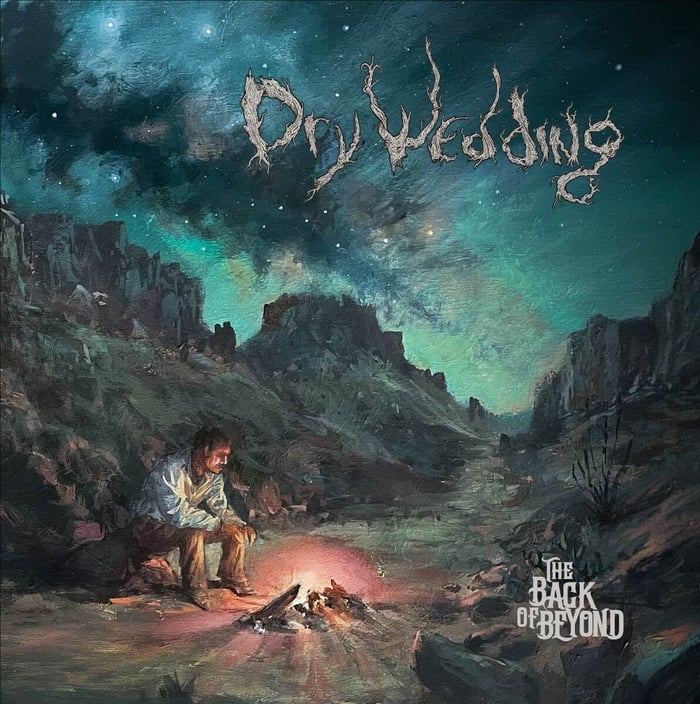
The Back Of Beyond is out now via Vesperian.
Conclusion
The frustrating truth is that The Back Of Beyond keeps showing you a better version of itself inside itself. When Dry Wedding tightens the screws—when the drums push, when the arrangements climb, when the gloom actually moves—the album feels dangerous in the right way. When it lingers too long, it doesn’t feel hypnotic; it feels like someone insisting you keep staring at the same shadow until you agree it’s a monster.
People who like post-punk and goth rock as environmental design will enjoy The Back Of Beyond—especially if you’re the type who lets a track stretch while you sink into it. If you need songs to earn their runtime, or you get cranky when a great idea keeps repeating itself past its peak, this album will test your patience like a beautiful speech that refuses to end.
FAQ
- What is the core vibe of The Back Of Beyond?
It leans into 80s post-punk filtered through goth rock and horror-punk drama, with an emphasis on haunted atmosphere over punchy structure. - Which tracks feel the most effective on this album?
“Blood Red Vengeance” stands out for how it builds and lands with impact, and “Once Last Strand” works because it intensifies instead of just looping a mood. - What’s the album’s biggest weakness?
Some songs outstay their best moment. The setups are strong, but the runtime sometimes dilutes the initial punch. - Is “Moths” worth watching in video form?
Yes, if you already like the track’s sultry, dramatic angle—seeing it paired with visuals helps the mood feel more intentional. - Does the album change direction by the end?
“Shifting Wilderness” takes a more interesting turn toward its ending, but the album overall sticks closely to its chosen palette.
If this whole conversation has you thinking about album art as part of the experience, you can always grab a favorite album cover poster for your wall over at our store: https://www.architeg-prints.com — it fits the “live in the mood” approach this record is clearly chasing.
 | DISCOUNTGET 30% OFF*Use code on your next order:
|
* This post may contain affiliate links, meaning we earn a commission if you make a purchase through these links, at no additional cost to you.