We Will Be Brief Review: Defcee & steel tipped dove Make “Short” Feel Petty


 See more Architeg Prints stories on Google.
We Will Be Brief Review: Defcee & steel tipped dove Make “Short” Feel Petty
We Will Be Brief isn’t a chill rap record—it’s a tight-lipped flex about craft, patience, and outlasting louder people.
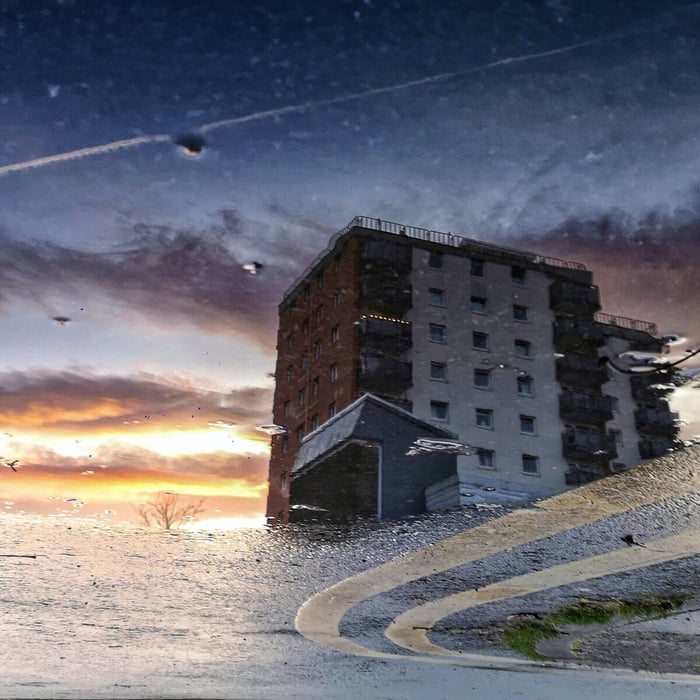
First, here’s the cover—and the mood it’s signaling
This album walks in with the posture of someone who’s done arguing online. It doesn’t announce itself with fireworks; it just stands there, arms crossed, waiting for you to say something stupid.
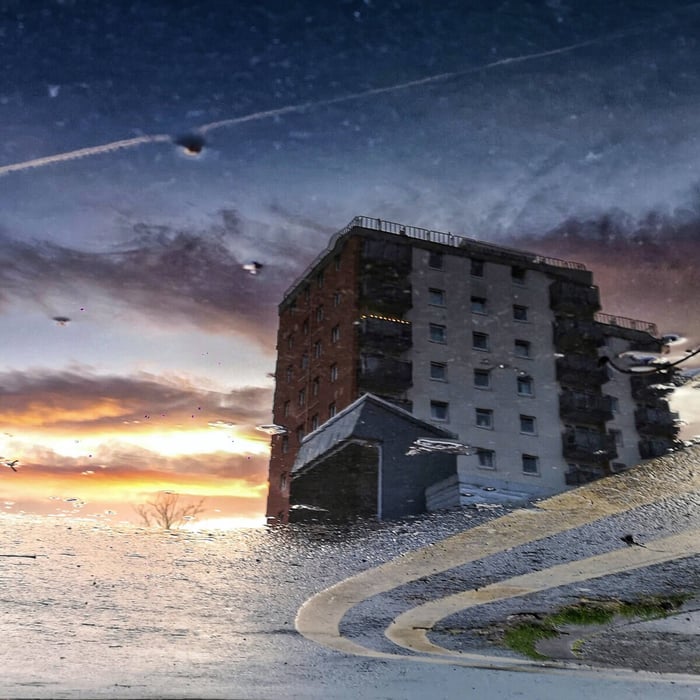
The vibe matches the label note attached to it—Fused Arrow Records—but honestly, the music is the real “courtesy” here: it’s courtesy in the way a seasoned bartender is courteous, meaning they’ll serve you, but they’ve already judged your drink order.
The backstory matters… because the album sounds like it waited
You can hear time in We Will Be Brief. Not “aging like fine wine” time—more like files sitting around on hard drives time, half-finished ideas that didn’t die, just… stayed ready. The record finally clicks into place in Brooklyn after those dusty, done-and-over sessions sat around for a couple years. And that’s the first thing this album is actually doing: making delay sound like intention.
The earliest beats started in New York, passed around like a quiet dare—one pack mailed out for nothing but a label attached to it. Defcee grabs what he needs, then bounces to another studio. steel tipped dove keeps moving too, the kind of producer who’s clearly comfortable zigzagging into different rooms and different contexts (placements with people like doseone and Armand Hammer don’t happen by accident).
And yet the album doesn’t feel like a scrapbook. It feels like two people finally deciding, “Okay, now we’re going to lock the door and finish this.”
A reasonable listener could say the delay should’ve dulled the urgency. I think it did the opposite: it sharpened the petty.
“Ahem” is the thesis: one bassline, one glare, no extra oxygen
The summer details that show up inside “Ahem” don’t float by like nostalgic postcards—they come off like receipts. Friends playing a park in Queens all summer. People selling vinyl in the street. Somebody’s CD being a blockchain (which is both hilarious and bleak, and the song knows it). Even the bit about stars not labeling their pot strains yet lands like Defcee marking time by cultural nonsense.
steel tipped dove makes a ruthless choice here: he hands Defcee a single dark bassline and refuses to let it evolve. It stays put for the whole track, like a fixed stare across the room. Even better, dove keeps pulling the drums out one second at a time—tiny absences that somehow don’t break the glide. It’s controlled sabotage. The groove still moves, but it moves with clenched teeth.
Defcee’s writing turns rivalry into cleanup work. He drops a line that basically spits on the idea of “truth” as content strategy:
“But I know they’ll feel better / When they don’t have to write actual facts with real letters.”
It’s not just a diss—it’s Defcee accusing people of hiding behind vibe when they can’t handle meaning.
Then he goes further, mocking the whole alpha-posturing ecosystem: every self-proclaimed tough guy has “two wolves,” except in his version they’re a cuckold and a coward, and he kills both. He’s not romanticizing dominance; he’s ridiculing it. He even imagines trashing his own mural and hopes stray dogs don’t reroute the remains to their urinal. That’s the album in miniature: ego, then the immediate urge to deface the ego.
If you want a hooky, generous opener, “Ahem” might feel like a refusal. I thought it was almost too locked-in at first—but once I noticed how the missing drums create little pockets for his phrases to fall into, it started feeling less stiff and more surgical.
Arguable claim: “Ahem” is a better mission statement than it is a “song,” and that’s exactly why it works.
“Heat Check” crams the drums and bass until you can’t breathe
“Heat Check” is where the rhythm section gets packed tighter than anywhere else on the album. It doesn’t cruise; it jolts from stop to stop like somebody driving who’s mad at traffic lights personally.
Defcee turns the tension outward: while other people blame their age, their weight, or the weather, he frames himself and his circle as sharpening style on the blades left behind. It’s a nasty inversion—your excuses become his toolkit.
This is also where I started believing the album’s title is a feint. We Will Be Brief doesn’t feel brief in the sense of “small.” It feels brief in the sense of “I’ll say it once, and you’ll replay it until it sinks in.”
Arguable claim: the claustrophobic drum-and-bass density on “Heat Check” is the album’s real flex, not the lyrics.
“Young Oldhead” makes aging sound like a job you can’t quit
“Young Oldhead” has a hook that doesn’t feel triumphant; it feels like waiting alone for a car after the lights are out. The track’s perspective is weirdly tender toward the idea of being both veteran and up-and-comer, like a person forced to accept they’ve become a reference point.
There’s a line about aging like graffiti on Stonehenge—funny, but also grim. The song treats “legacy” like vandalism that somehow becomes historic just because nobody scrubbed it off.
steel tipped dove’s beat is basically an empty circle—barely even a trace. That’s the point. Defcee supplies motion by himself: he’ll run long, then cut to brief phrases, creating gaps where the bar can end without him actually finishing it. It’s an editing trick that makes the silence feel like part of the rhyme.
Then suddenly he’s sailing down 290, skyline so perfect he almost stops asking himself questions. That’s a specific kind of relief: not happiness, just one clean stretch of road where you’re allowed to breathe. He even clocks the budget part—having just enough money to exhale. Not rich, not drowning. Temporarily spared.
Arguable claim: “Young Oldhead” is more emotionally honest than most “grown rapper” songs because it refuses to sound wise.
“Flat Circles” strips itself down until the hook has to carry the body
There’s a moment later where the writing feels like it uncoils—like somebody swimming toward the surface, head above water, finally sensing the shore. “Flat Circles” is hoarse and repetitive in a way that feels deliberate: it states, in a hundred different angles, that the more things change, the more this person stays the same. Not in a cool “steadfast” way—more like a curse that keeps showing up in different outfits.
The song also nails a particular social humiliation: being walked in front of somebody’s buddies and forced to accept “it is what it is,” like resignation is a magic trick. The imagery gets sharp—tanks, ruin, the “sharp nail” of it all. Nothing here is soft.
And dove, again, knows how to end a song like he’s removing props from a stage. He takes away bass and drums one by one until a pitched phrase is left holding the whole thing. That last stretch doesn’t just fade—it stands there exposed.
I’ll admit: I’m not totally sure if the pitched phrase is meant to feel comforting or taunting. It could go either way, and the ambiguity feels intentional.
Arguable claim: “Flat Circles” is the record’s most revealing moment because it lets the beat abandon him.
Features aren’t decoration here—they’re given space to stomp
One of the smartest structural decisions on We Will Be Brief is that features don’t get forced into line-trading. Each guest gets an uninterrupted run. That’s not just polite—it’s strategic. It makes the album feel like a series of people stepping into the same harsh lighting and surviving it in their own way.
- Nappy Nina shows up without having to volley bars back and forth. She raps about being chest-to-chest with disrespect and leaving blessed—like faith is something you grind your teeth through. When she talks about being fouled on the way up and being told to just admit you move with malice, it doesn’t weaken her. It hardens her calluses. That’s the energy: accusation becomes armor.
- On “Healing Rituals,” the bassline sits even heavier than “Ahem.” It isn’t just low-end—it’s weight, like the track is leaning on your sternum.
- billy woods lands a line that hits because it’s said so plainly it’s basically a cold document: “I was raised in institutions / I’m a good student.” The sting is that it’s both a confession and a punchline, and neither cancels the other.
- SKECH185 “frontstalls for familia,” stuck in that slow pressure of relatives wanting him to marry a Black woman they can reconstruct from memory. Meanwhile his desire keeps everything locked in neutral. It’s uncomfortable in a way that feels lived-in rather than dramatized.
- Curly Castro comes through as “slowpoke speed,” and on “War Council” he cruises through references like Ruben Patterson, Kenny Anderson, Deadshot Cable, the Dudleys, and Dr. Strangelove—then narrows down to the freestyle shows he saw while trying to sell on Route 9. Those details are so specific they almost sound like he’s daring you to fact-check him.
- Through it all, dove keeps pushing—sometimes even harder than the guests—like the beats are testing whether the verses deserve to exist.
Arguable claim: the features don’t “add variety”; they underline that Defcee built a world where other people can be just as bleak.
“Science Project Pat” changes the air in the room
Deep into “Science Project Pat,” something important happens: the pattern opens up. More air gets between the sounds. It’s not a genre switch; it’s a pressure release valve. When the record gives you space, it makes you realize how tightly it’s been holding you.
89 the Brainchild takes that space and moves into different territory—talking about men “sent to build houses,” men who can’t be fully themselves around other men, men who can’t even get a whole outfit together. It’s funny until it isn’t. There’s a sadness in how basic the aspiration becomes: coherence, wholeness, ease.
He also says he could spend an entire record not changing the subject about his day. Or an entire life as a record not changing the subject. Then he spells plenty. It’s a quietly brutal idea: the “subject” doesn’t change because the trap doesn’t change.
Arguable claim: the airy beat in “Science Project Pat” is the album’s biggest power move because it proves dove could’ve gone easier—he just didn’t want to.
“A Little About a Lot” drops the deepest bass like a trapdoor
There’s a line about a bartender numbing himself to pain for so long that he’s begging for it now. That’s one of those lines that doesn’t ask permission to haunt you.
Underneath it, steel tipped dove places the deepest sustained bass on the album. It sits there like a trapdoor you can feel through your shoes. The track also hits with more hard drum attacks than most of the previous effort the producer built—less haze, more impact, like the beat is finally allowed to punch instead of just loom.
Arguable claim: this is the record’s most physical moment—if your speakers can’t handle it, you’ll miss the point.
“Alma” turns the personal into geography
Then the album does a sly pivot: family plays, hand shadow games, memories that aren’t glamorous, just stubborn. Defcee compares genuine love to slamming a pack of cards or crushing axes and scrapes. Love isn’t pretty here—it’s force and friction.
At the same time, there’s the thought of “sliding” and these “wasted coffin spaces in the shade,” slightly under 80 inches. The way it lands is nasty because it’s not melodramatic. It’s like a measurement you can’t un-know.
He talks about curses handed down, named after earlier generations—elders in the Dust Bowl—people who walked his trail and left him the weight like an inheritance he never agreed to. On “Alma,” he puts it all on a sidewalk… or where a sidewalk should be, if the town his daughter lives in had one. That detail is quiet but sharp: even the infrastructure is missing, and he’s still expected to carry everything cleanly.
The walk is where he wrote it. Crosswalks separating patches of grass and cattle flats as far as Texas. The song makes distance feel moral, like geography is part of the burden.
And dove keeps looping and covering the same phrase again and again—coming in early, hot, thinning the drums so the “main course” can begin again. It’s like the producer is constantly resetting the table mid-meal.
Arguable claim: “Alma” is more devastating than the album’s hardest bars because it’s built out of missing sidewalks and inherited curses.
“Tom Waits Type Beat” is where the album admits it’s broke—and keeps going
The last stretch hits like a sober journal entry. The past year and a half nearly bankrupts the rest of his life, and because of it, he’s back to stenciling “espresso” on one of the dark awnings. That image says more than a motivational speech ever could: the grind isn’t aesthetic, it’s rent.
He mentions his dad used to play him “Chocolate Jesus” all the time—he says it before the verse even kicks in. Then the scene shifts into a house with an ancient skeleton, bowed so low the plaster groans. The guitar “shooting whiskey” is such an exact phrase it almost smells like the room.
Defcee remembers sitting around rhyming “like Tom Waits over David Banner’s drums,” and now he’s staring at where that path landed him. The production on “Tom Waits Type Beat” is narrow and centrally focused—snug, constant, refusing to widen the frame. The beat stays steady while Defcee and PremRock carve out their own big sections over it.
PremRock responds to the same stormcloud weather, calling the sea the band’s best detergent, then reminding you the sea will drown you and skip the homily. That’s the album’s attitude again: don’t give me your lesson, just tell me what it does.
If I have one gripe, it’s this: the “constant beat while two rappers go long” approach can feel a little too comfortable for an album that otherwise loves pulling the floor out. The steadiness is the point, sure—but I kept waiting for one more twist of the knife.
Arguable claim: “Tom Waits Type Beat” wins by endurance, even if it risks feeling a bit too settled.
Where I landed: favorite moments and why they stick
By the end, the record has convinced me it’s not trying to be flashy. It’s trying to be undeniable in small spaces.
My favorite tracks ended up lining up with the moments where the production feels most stubborn and the writing feels most willing to self-sabotage:
- “Ahem”
- “Heat Check”
- “A Little About a Lot”
And yes, I’m calling this one great, even though it doesn’t always make the first ten seconds “easy.” It’s the kind of album that assumes you can keep up—and if you can’t, it doesn’t slow down to teach you how.
Conclusion
We Will Be Brief sounds like Defcee and steel tipped dove building a room where the air is rationed on purpose. The basslines sit heavy, the drums vanish at cruel little intervals, and the verses keep choosing clarity over comfort—even when clarity makes the narrator look worse, not better. It’s a record about survival that refuses to cosplay triumph, and that refusal is the whole punchline.
Our verdict: People who like rap that rewards close listening—where beats are patient, lyrics are specific, and features aren’t treated like party tricks—will actually love this album. If you need big hooks, bright choruses, or anything resembling “uplifting,” you’ll probably bounce off it and call it monotonous… and the album will not apologize.
FAQ
- What is the core vibe of We Will Be Brief?
Tight, minimal, and heavy—like the beats are rationing movement while the lyrics spill receipts. - Does the album rely more on production or lyricism?
Both, but the production feels like the gatekeeper; it decides how much air each verse gets. - How are the guest features handled?
Cleanly: each guest gets an uninterrupted run instead of forced line-swapping, which makes every verse feel like a real arrival. - Which tracks hit the hardest on first listen?
“Heat Check” for sheer density and “Ahem” for that locked bassline-and-missing-drums tension. - Is this an easy album to throw on casually?
Not really. It’s listenable, but it’s not background music—it stares back.
If you’re the type who misses album covers that look as intentional as the music sounds, you can always shop a favorite album cover poster at our store: https://www.architeg-prints.com/ — it fits this record’s “hang it up, then overthink it” energy.
 | DISCOUNTGET 30% OFF*Use code on your next order:
|
* This post may contain affiliate links, meaning we earn a commission if you make a purchase through these links, at no additional cost to you.