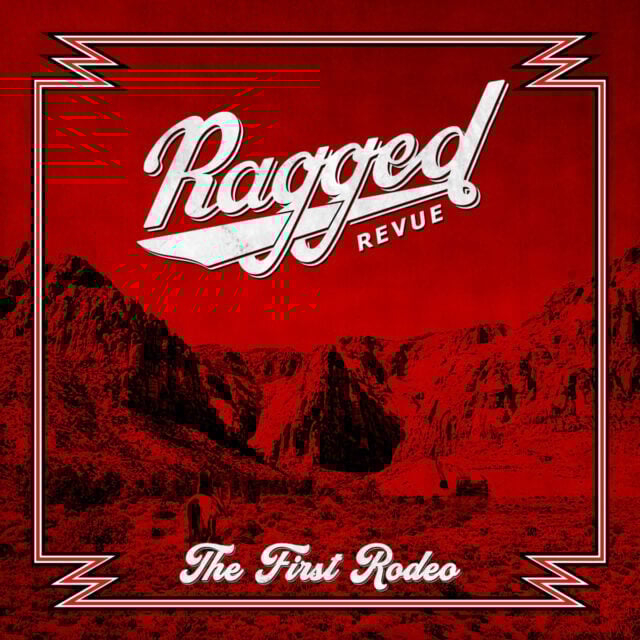
The First Rodeo Review: Ragged Revue Shoot Cowpunk Like It’s a Job

 See more Architeg Prints stories on Google.
The First Rodeo Review: Ragged Revue Shoot Cowpunk Like It’s a Job
The First Rodeo is Ragged Revue’s debut blast of cowpunk/psychobilly chaos—two people, nine songs, and way too much engine for one saddle.
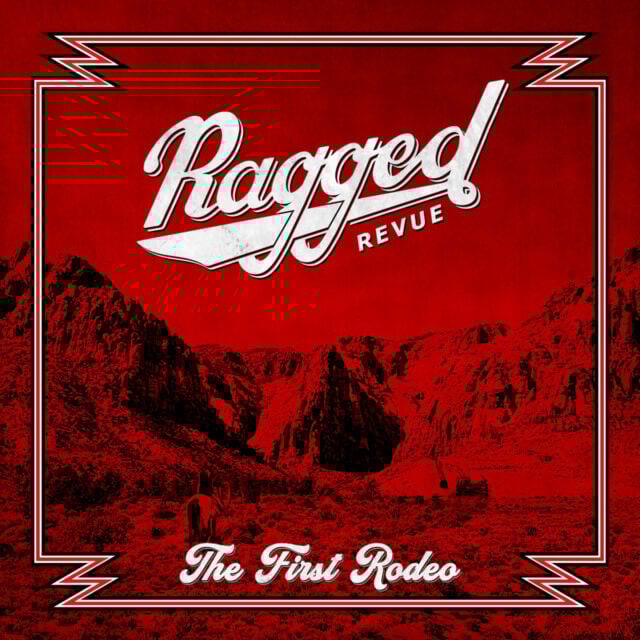
Welcome to the “wait, this is only a duo?” problem
Some albums stroll in and introduce themselves politely. The First Rodeo kicks the saloon doors off their hinges and acts like it’s been waiting all week to start a bar fight. The funny part is how controlled that violence feels—like Ragged Revue know exactly how much dust they want in the air, and they crank it to “unreasonable” on purpose.
And yeah, I kept checking the imaginary lineup in my head because the sound is bigger than the math. Two people shouldn’t be able to make music that hits like a pack, but that’s the whole trick here: Ragged Revue’s first move is to make “duo” sound like a dare.
Two countries, one posture: fast draw confidence
Ragged Revue operate as a Slovenian / Finnish duo, and I’m still not totally sure what the geography adds up to in practice—other than the sense that they’re not interested in staying in one scene long enough to get comfortable. That cross-border identity doesn’t come off like trivia; it comes off like attitude. The First Rodeo sounds like it’s trying to outrun categories before anyone can fence it in.
If you’re expecting some delicate “international collaboration” vibe, forget it. This thing is built like a hot rod held together by stubbornness and good taste in distortion.
The album’s real concept: maximum traction, minimum committee
Here’s what I think the record is actually doing: it’s taking a bunch of adjacent traditions—cowpunk, psychobilly, punk, ’70s boogie, classic ’50s rock ’n’ roll and more—and refusing to treat them like museum pieces. Instead of reverent throwback cosplay, the songs behave like they’re written by someone who learned the rules just to speed through them.
That genre list could’ve turned into a messy costume rack. But the sequencing (nine tunes, no time wasted) makes it feel like one long chase scene where the scenery changes while the driver never touches the brakes.
Joni and Joonas: the “wrong” lineup that somehow works
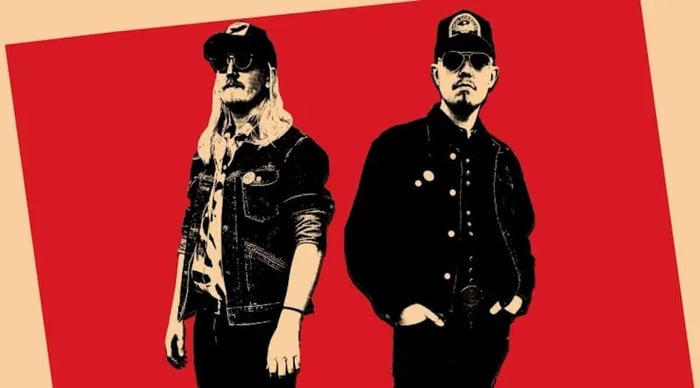
The personnel setup is the first clue that the band is wired backwards in a good way:
- Joni Järlström: drums and vocals
- Joonas Hiltunen: guitar and bass
That’s an intentionally cramped arrangement, like they chose the harder route because the easier one felt boring. And you can hear it: the songs don’t leave space for luxury. Vocals have to fight the drums a little. The guitar has to carry extra weight. The bass choices feel baked into the riffing rather than politely sitting underneath.
I’ll admit, my first impression was that the limitation might make things thin—like it’d be all snap and no body. But a few listens in, the “two bad hombres” setup starts to sound like the whole point. The tension is the glue.
Their past lives show up as swerves, not baggage
Both players come from different punk, rock, and metal bands, and you can tell they didn’t leave those instincts at the door. The album keeps slipping little left turns into what could’ve been straightforward rock ’n’ roll: a harsher edge here, a nastier rhythmic shove there. It’s not metal-by-numbers; it’s more like they borrowed metal’s posture—the unapologetic “this is happening whether you’re ready or not” stance.
And that’s why the retro flavors don’t read as retro. Even when the grooves nod to older rock forms, the attack is modern punk-minded impatience: get in, hit hard, keep moving.
“Raising dust” isn’t a metaphor here—it’s the mix
They talk like they’ve been raising dust on both ends of Europe, and honestly, the record sounds like it. Not in a literal-tour-diary way—more in the sense that these songs feel road-worn before you even know the lyrics. The guitars have that sandblasted edge. The tempos don’t “build”; they arrive already running.
What surprised me is how high-octane the whole thing stays without turning into pure blur. The album isn’t trying to be “heavy” in the slow, crushing sense. It’s heavy the way a motorcycle is heavy when it’s coming right at you: speed plus confidence plus no apology.
The live question: I don’t get it, and I mean that as a compliment
With only two people on the record—one of them a singing drummer—I genuinely don’t know how they pull this off live. I’m not saying it’s impossible; I’m saying my brain keeps trying to picture it and failing in a way that makes me want to buy a ticket.
There’s a mild downside to that, though: a couple moments made me wish the songs would occasionally breathe, just to make the next punch feel even meaner. The relentlessness is the brand, sure, but even a band built on adrenaline benefits from a well-timed pause. Still, the refusal to blink is also what makes The First Rodeo feel like a statement instead of a sampler platter.
Who this album is hanging out with (and why that matters)
By the time I hit the end of the nine tracks, I kept thinking: these songs belong in the same messy glovebox mix as:
- Social Distortion
- Reverend Horton Heat
- vintage ZZ Top
- Agent Orange
- Supersuckers
- Stray Cats
- Nekromantix
- The Brains
- Motörhead
That’s not just a “sounds like” list. It’s a social circle. The First Rodeo carries the same vibe those bands do when they’re at their best: songs written to survive sweat, cheap beer, and questionable sound systems. The record doesn’t ask for perfect listening conditions. It kind of dares you to play it too loud in a place you’ll regret later.
And if you’re expecting it to be a pure tribute to any one of those touchstones, you’ll probably argue with me. I think Ragged Revue aren’t trying to clone anyone—they’re trying to claim a lane that already exists and then drive badly in it on purpose.
The image that seals the vibe: this isn’t polite rock
What I think The First Rodeo is really saying
If I had to reduce the album’s intent to something blunt: it’s trying to reintroduce fun as a weapon. Not “fun” like novelty, and not “fun” like beach-party fluff—fun like lighting a match and smiling because you know exactly what happens next.
The record also quietly refuses the usual “debut album” behavior. There’s no auditioning, no softening the edges for broad appeal, no polite genre disclaimers. It acts like Ragged Revue are already the house band at a bar you’ve never been brave enough to enter. That confidence is either going to thrill you or irritate you—probably depending on whether you like your rock music a little dangerous.
If this whole rodeo sent you digging back into your wall-worthy album art era, you can always shop a favorite album cover poster at our store—tastefully loud, like the music.
FAQ
- Is The First Rodeo more cowpunk or psychobilly?
It leans like a hot rod through both lanes—cowpunk swagger with psychobilly snap—without committing to either one’s rules. - How many tracks are on The First Rodeo?
Nine, and they don’t hang around pretending they’re twelve. - Who are the members of Ragged Revue?
Joni Järlström (drums and vocals) and Joonas Hiltunen (guitar and bass). - Does the album pull in other styles beyond punk and rockabilly?
Yes—’70s boogie and classic ’50s rock ’n’ roll come through, but with punk/metal-bred aggression in the delivery. - Is this the kind of record you play quietly?
You can, technically. But it clearly wants volume, motion, and at least one bad decision.
If this whole rodeo sent you digging back into your wall-worthy album art era, you can always shop a favorite album cover poster at our store—tastefully loud, like the music: https://www.architeg-prints.com
 | DISCOUNTGET 30% OFF*Use code on your next order:
|
* This post may contain affiliate links, meaning we earn a commission if you make a purchase through these links, at no additional cost to you.