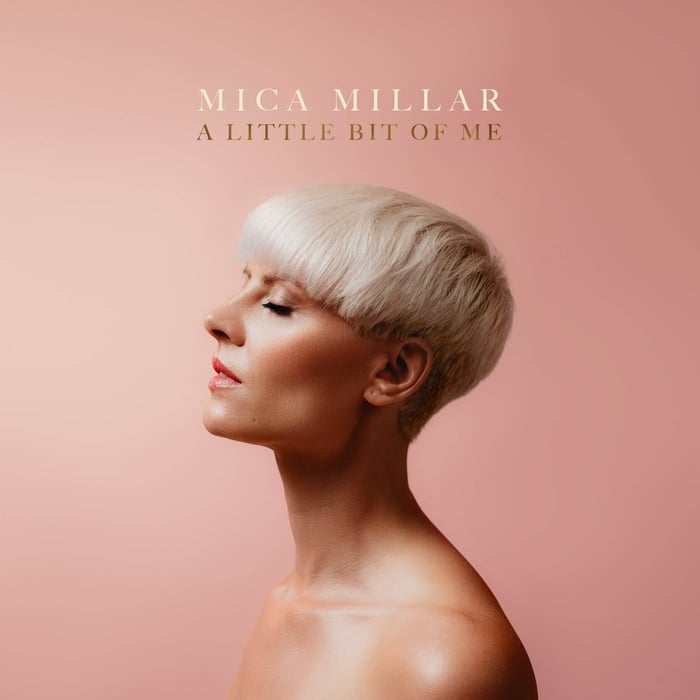
A Little Bit Album Review: Mica Millar’s Soul Flex (and a Tiny Wobble)


 See more Architeg Prints stories on Google.
Album Review: A Little Bit Album Review: Mica Millar’s Soul Flex (and a Tiny Wobble)
A Little Bit is Mica Millar running her own soul universe—producing, arranging, engineering—then daring love songs to keep up with her backbone.
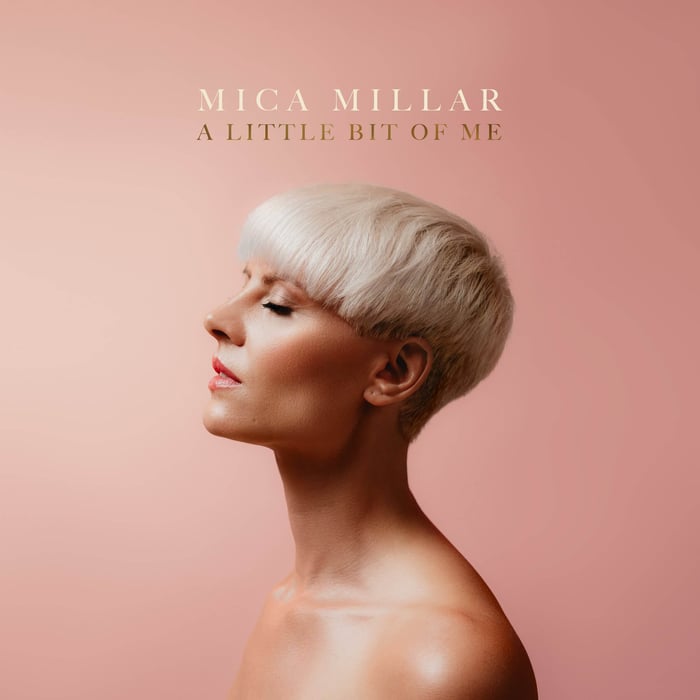
Let’s be honest: this isn’t “just” a soul album
A lot of soul records feel like a group project with a polite roll call at the end. This one doesn’t. A Little Bit of Me feels like one person holding the pen, the steering wheel, and the rearview mirror—because that’s basically what’s happening.
Mica Millar’s name keeps showing up in the work itself: writing, arranging, producing, even vocal engineering. The whole thing lands through her own label, Golden Hour Music, which matters because you can hear what that kind of control sounds like. Not “freedom” in the inspirational-poster sense—more like the quiet threat of I don’t have to compromise with anyone, so I won’t.
And yet it’s not some sterile auteur exercise. The album was made in Miraval in Provence, and the players around her sound like an actual band, not hired hands reading charts in a bright studio. Daniel Weatherspoon’s keys, Jay White’s bass, Adam Smith’s guitar, and Keyon Harrold’s trumpet give the songs a physical shape. Still, the direction always leads back to Millar. The band is the room; she’s the weather.
The backstory leaks in without turning into confession-core. These songs took shape across the three years after a 2020 accident that broke her back—months of recovery, relearning how to walk. The album doesn’t beg for sympathy about it. If anything, it feels like she’s allergic to being framed as fragile. The vibe is: I got wrecked, I rebuilt, now watch me run the whole operation.
The title track draws the boundary line—and doesn’t apologize
After that setup, the title song “A Little Bit of Me” does the crucial job: it tells you what kind of self-portrait you’re dealing with. The chorus lands like a private rule she finally said out loud:
“I cannot get away from that little bit of me / And I tried to be what you wanted, but that’s not loving me.”
At first, I took it as a standard breakup thesis—someone wronged, someone redeemed, cue the final chorus. But it doesn’t actually lean into blaming the other person. The punch is aimed inward: she’s calling herself out for folding, for performing, for trying to “be what you wanted.” That’s a different kind of sting. It’s not heartbreak as drama; it’s heartbreak as self-betrayal.
The verses keep tightening the screws. Lines like “I claim what I own / I rule and so grow” don’t float by as affirmations—they sound like a decision made after a long argument with herself. Then she goes even more specific: “I’m clearing it all out, finding the space to be alone.” Not loneliness as tragedy—solitude as maintenance.
The bridge is the real tell. She starts rummaging through her own past like she’s opening old drawers for proof.
“In black and gold I find memories of mine.”
That image sticks because it’s not trying to be pretty—it’s trying to be accurate. The song ends with her alone under the stars, and it doesn’t feel like an ending so much as a return to a baseline: this is who I am when nobody’s asking for a version of me.
And yes, “A Little Bit” belongs as a core phrase here—not as branding, but as a concept. The album keeps circling that idea: the part of you that survives your compromises.
When she sings about wanting, she makes it feel like gravity
From there, the album slides into desire—not as flirtation, but as biology. “Under My Skin” starts with appetite, and then it turns into the body taking over the conversation.
“Into you, you into me / Under you, you’re under my skin.”
That’s intimate without trying to sound literary about it.
And then she drops the real money line:
“Got my body on a deep dive and you’re going down with me.”
That’s not poetic longing. That’s a dare.
Keyon Harrold shows up here not as a guest vocalist but as trumpet—an important choice, honestly. A lesser album would slap a feature on it to add “heat.” Millar doesn’t do that. She keeps the narrative voice singular, and lets the trumpet act like the second bloodstream in the room.
“The Boardway” handles hunger differently: lighter, playful, still firm. It has the energy of someone fixing their outfit in the mirror while already deciding how the night ends.
“Heading to the Broadway, let’s put on our best, and maybe later we can get undressed.”
She follows it with a line that made me laugh—not because it’s a joke, but because it’s the kind of boundary you only set if you mean it:
“Tell me, baby, do you like sweet soul? / ‘Cause it’s a deal breaker, honey, if you don’t.”
That’s romance as taste test. Pass/fail. No extra credit.
And “Hand on My Soul” mixes desire with weariness, which is where she starts sounding most like herself again.
“We could be tired of fighting, comfort in compromising / I’m in love with all your ways.”
It’s direct, a bit desperate, and crucially: it doesn’t pretend wanting is always empowering. Sometimes it’s just the thing you can’t stop doing.
I’m not totally sure whether these “want” songs are meant to feel triumphant or slightly self-incriminating. The lines hit like confidence, but the tone sometimes feels like she’s watching herself do it.
The unreliable lover section: she stays polite… until she doesn’t
Next, the album starts orbiting a familiar trap: the lover you know is bad news, but your body keeps voting “yes” anyway.
“Warning Sign” is blunt about the contradiction:
“I can’t keep listening to my heart when your love comes with a warning sign”
—and then immediately admits defeat—
“But you keep me coming back for more.”
The power of the song isn’t in the warning; it’s in how fast the warning gets ignored.
“A Little More Time for Love” hits the same bruise from another angle:
“I know you’re not what I need / I swear I’m gonna leave / But you got a hold on me.”
It’s not sophisticated writing, and it doesn’t need to be. It sounds like the thought you repeat to yourself while still putting your shoes on.
“When You’re Gone” feels like the morning after: the lover vanished, and the rules they broke are still scattered around the room like evidence nobody will photograph. The hurt stays civil through most of these tracks, like she’s refusing to give the situation the satisfaction of a meltdown.
Then “If You Stay” finally lets something turn ugly.
“Whenever you’re near / I can’t wait for you to go / My skin, it crawls.”
And later:
“And darkness feels, feels like home.”
That’s the moment the album stops being tasteful about pain. She allows the feeling to look bad, sound bad, be unflattering. It’s the one time the record chooses disgust over elegance, and it’s weirdly relieving.
If there’s an argument to be made, it’s that “If You Stay” is the album’s most honest song precisely because it’s the least polite. Soul music can get addicted to grace. This track refuses.
“Times Like These” is messy—and that’s why it breathes
Not every song here is neatly disciplined, and I’m glad about that at least once. “Times Like These” feels like the writing loosens its collar.
It opens with a striking image: wearing
“a brand new face,”
while leaving the old self
“in the window.”
It’s the kind of line that shouldn’t work if you overthink it. Then she throws in weekday diamonds and falling deep, and the imagery starts to blur.
Normally, I’d call that a problem. Here, the looseness gives the song a pulse. It feels like a mind moving too fast for clean metaphors, which is honestly more believable than perfect phrasing. If the album’s whole thesis is reclaiming the “little bit” that’s hers, then a slightly untidy song fits: not everything you reclaim comes back polished.
The mid-album haze: devotion songs that start sounding like the same song
Here’s where the album briefly loses its edge. Somewhere in the middle, a few tracks line up with similar intentions and nearly identical language, and the record goes hazy in a way that isn’t romantic—it’s just hard to tell them apart.
“It’s You” is full of adoration but doesn’t give you much to grab onto. It leans on a line as familiar as
“I never knew love could feel like this,”
drifting toward
“You’re the one I choose… I can’t live without you.”
That’s not automatically a sin—clichés exist because they work—but here it softens her personality. Millar is at her best when she sounds specific and slightly cornered. Pure worship makes her voice flatten out.
“Hard Times” makes a promise that’s big and kind of vague:
“When times get hard, I won’t let you down… I won’t let you fall.”
I kept waiting for a detail—one concrete image, one jagged edge—to make the vow feel like it belongs to this relationship instead of every relationship.
“My Joy” starts with an excellent question—
“Would you leave all of your lovers at the door?”
—and for a second, it sounds like the song is about to draw blood. But then it backpedals into
“Would you be my joy, fill that empty void?”
and you can feel the rhyme doing the thinking. That’s the mild frustration here: the setup is sharper than the payoff.
Put those three in succession and they blur. Not because the performances are bad—they’re not—but because the writing takes the safest route through its own feelings. The album is more interesting when it risks sounding complicated.
Total control has a downside: it can’t always save her from sweetness
Because Millar’s hand is on everything—writing, production, arrangement—you can hear the seams in both directions. When it works, it’s airtight: a live band playing like they’re in the room while she sings like she owns the room.
But there’s a downside to that configuration. A love song that turns too sweet doesn’t get flagged by anyone else’s instincts. There isn’t a second voice in the process saying, “Hey—this one’s getting a little sugary, maybe put some grit back in.” A band can support you, but it can’t edit you.
The difference is obvious when she has something to push against—her own wavering, her own hard-won selfhood, a body that had to be rebuilt. In those moments, the writing gets visceral and her voice follows it. When the subject is someone she only worships, she can lurch into neutral.
And the irony is: she doesn’t need neutrality. The most effective image in this whole album is still that woman in black and gold, searching through dusty rooms for the parts of herself she misplaced. When she’s chasing that version of the story—herself, not the lover—she sounds undeniable.
Where I’d start (and where I wouldn’t)
If you want the album to make sense fast, I’d start where Millar’s intent is clearest—and where her voice bites hardest:
- “A Little Bit of Me” — the mission statement, delivered without melodrama
- “Under My Skin” — desire with teeth, plus trumpet used like punctuation
- “If You Stay” — the one song that lets the dark look ugly on purpose
And if you hit the mid-album devotion stretch and feel your attention wander… that’s not you failing the record. That’s the record briefly choosing universal language over personal detail.
Conclusion
A Little Bit works best when Mica Millar stops trying to be graceful and starts being specific—when she’s admitting what she wants, what she regrets, and what she refuses to edit for anybody. The album’s control-freak authorship is the point: it’s a soul record built like a private room, not a public square. When the writing turns generic, the room fogs up. When it turns visceral, it clears instantly—and you remember you’re listening to someone who fought their way back to themselves and decided they’re not leaving again.
Our verdict: This will hit if you like soul that feels self-authored—romance songs with boundaries, heat, and the occasional ugly truth. You’ll probably bounce off it if you need every love lyric to be razor-specific, or if you get itchy when devotion songs start sounding like they share the same sweater. Think of it as a strong-willed diary that occasionally forgets to name names.
FAQ
- Is A Little Bit a breakup album or a love album?
It plays both sides—desire, devotion, and the miserable magnetism of someone you shouldn’t want. The sharper moments aim inward more than outward. - What makes this album feel “hands-on” compared to other soul records?
You can hear that one vision is steering: the songs, the arrangements, the production choices, even how the vocals sit in the room. - Which track shows the most edge?
“If You Stay.” It’s the one time the album lets discomfort sound unattractive, and that’s exactly why it lands. - Does the live-band feel change the listening experience?
Yes—the keys, bass, guitar, and trumpet make it feel like real air moving. But that same warmth can make sweeter songs drift by without friction. - Where should I start if I only have ten minutes?
“A Little Bit of Me” first, then “Under My Skin.” If you want the darker turn, add “If You Stay.”
If this record got you thinking about album aesthetics—the whole black-and-gold self-myth vibe—grabbing a favorite album cover poster is a nice way to keep that mood on the wall. Have a look at https://www.architeg-prints.com/ when you feel like it.
 | DISCOUNTGET 30% OFF*Use code on your next order:
|
* This post may contain affiliate links, meaning we earn a commission if you make a purchase through these links, at no additional cost to you.