Dutch Elm album: the math-rock flex that refuses to sit still


 See more Architeg Prints stories on Google.
Dutch Elm album: the math-rock flex that refuses to sit still
The Dutch Elm album doesn’t “introduce” itself so much as kick the door in—two guitars arguing in public while the rhythm section cheers them on.
A first-minute handshake that’s actually a dare
If you’ve been craving instrumental rock that’s obsessed with riffs but still has the attention span of a caffeinated geometry student, this is the slot Dutch Elm barges into. I hear a band aiming for that sweet spot where intricate, math-leaning guitar patterns can live inside a foggy post-rock glow—like they want melody and impact, not one or the other.
They’re from Newcastle upon Tyne, and the core identity is clearly built around the two guitarists, Matthew Mckenna and Lewis Hickey. The lineup’s the classic four-piece setup—two guitars, bass, drums—but the point is how hard they push it. The album keeps landing in the middle ground between intimate, clean, close-mic guitar tenderness and big distorted riff statements that feel like they’re meant to rattle a small venue’s light fixtures.
I thought going in it might be one of those records that hides behind “atmosphere” to avoid committing to actual hooks. On second listen, I had to admit it’s way more hooky than it first pretends.
They’re auditioning for the ArcTanGent universe (whether they admit it or not)
The opener “Transmitter” comes in with start-stop urgency that feels engineered to make certain festival crowds nod like, “Yep, this is our new problem.” It’s frantic without turning to mush—tight little directional feints, rhythm pivots, riffs that don’t overstay. The impressive part is how it keeps you guessing and still hands you guitar phrases memorable enough to haunt your week while you’re doing something boring like loading the dishwasher.
And the ending matters: “Transmitter” doesn’t just wander off like a lot of “look how technical we are” bands do. It builds toward a payoff that’s unapologetically riff-heavy, like the band is making a point that complexity is only useful if it can still land a punch.
I’m not totally sure it’s “welcoming” to newcomers—there’s a particular kind of scene-brain baked into this pacing—but it definitely wastes no time trying to become the experimental world’s next fixation.
Two guitars, one bass, one drum kit—and they still make it feel overcrowded
After that opener establishes the band’s attention-deficit charisma, the rest of the album starts showing how they use limitations as a lever. A simple instrumentation grid can box some groups in; Dutch Elm treats it like a stress test. They stack tones, clash parts, and build dense textures until the songs feel bigger than the headcount.
The approach is basically: make the guitars compete. Not in a wanky “who can shred more notes” way, but in a “two people speaking at once until it becomes a language” way. The bass and drums don’t just hold things down—they act like the referee who sometimes drops the whistle to watch the fight get interesting.
That said, there were moments where I wanted one riff to be allowed to breathe for an extra bar before the next idea interrupts it. It’s a small gripe, but the band’s constant motion occasionally feels like they don’t trust their own best sections to hold attention.
“You’re Not Invited To That Riff” and “Sitting There Thinking” are basically a range flex
This is where the album stops being “promising” and starts feeling deliberate. “You’re Not Invited To That Riff” sounds like the band winking at you while still throwing elbows—riff-forward, yes, but arranged with that math-rock habit of turning a groove into a puzzle box. It’s the kind of track title that almost dares you to accuse them of taking themselves too seriously… and then the music shows they’re serious about craft, not solemnity.
Then “Sitting There Thinking” pushes the palette wider. You get flashes of jazzy percussion energy, then it swells into these turbulent, opposing riff shapes—like two weather systems colliding. And when it goes melodramatic, it doesn’t do it with strings or synth pads; it does it with guitar lines that feel like war cries, except the “lyrics” are just tone and timing.
None of these ingredients are unheard-of in this corner of heavy instrumental music. The difference is how easily they stitch the contrasts together. Plenty of bands can do “soft/LOUD” or “math/metal.” Fewer can move between disparate styles without sounding like they’re switching playlists mid-song.
If you disagree and think it’s all just genre soup with good tones, I get it. But to my ears, the transitions sound chosen, not accidental.
Most of the record stays lean—so the closer going maximalist hits harder
The album spends a lot of time relatively stripped back for the style. It’s not trying to be a constant wall. That’s why the closing track “Soledad Brother” feels like a conscious escalation—like they saved their most theatrical move for last because they knew it would stick.
It starts simple: sliding and tapping guitar lines competing over a straight drum beat. Nothing fancy, just intention. Then the repeating vocals come in, and that’s where the whole mood shifts. The voice doesn’t arrive like a frontperson stepping up; it arrives like a looped chant that keeps multiplying. It ramps from a single voice into something that feels like a small army, and the rest of the band gets dragged behind it into this grand, swelling ending.
By the time it peaks, it’s a solid wall—battling guitars, percussion pushing forward, everything stacked. It’s a four-minute conclusion that leans into the over-the-top textures their post-rock heroes love, and it works because the record hasn’t been doing that all the time. The closer earns its dramatics.
I’ll admit: when the vocals first appeared, I hesitated. Part of me worried it would tip into corny anthem territory. But it keeps the emotion blunt rather than sentimental, and that choice saves it.
What they’re really doing: making “niche” sound like a dare, not a limitation
Here’s the thing I keep coming back to: Dutch Elm doesn’t sound like it’s trying to politely join the UK math/post-rock underground. It sounds like it’s trying to make that world feel less impenetrable by sheer force of memorable guitar writing. The band’s not simplifying; they’re just making the complexity feel like motion instead of homework.
The album keeps slipping between intense and intimate without acting like those are two different bands. Clean sections don’t feel like “the calm part,” they feel like the band tightening the screws. Heavy parts don’t feel like “the drop,” they feel like the logical conclusion of tension that’s been quietly building.
If I had to pin down the intent: this record wants to be replayed, not because it’s mysterious, but because it’s packed with little reroutings—rhythmic sidesteps, riff pairings, those moments where you notice the bass is doing the unglamorous work of making chaos feel like a chorus.
And yeah, I can already hear how it could become someone’s hyperfixation. Mine, at least, kept drifting back to “Transmitter” and that end-of-track payoff—like my brain wanted proof that all the cleverness had a spine. It does.
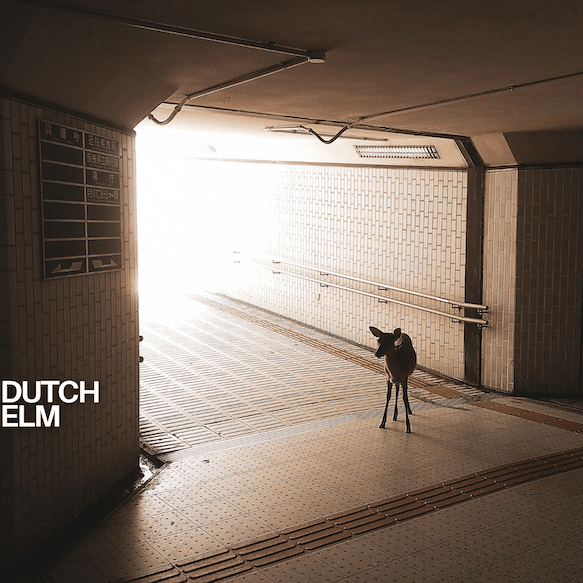
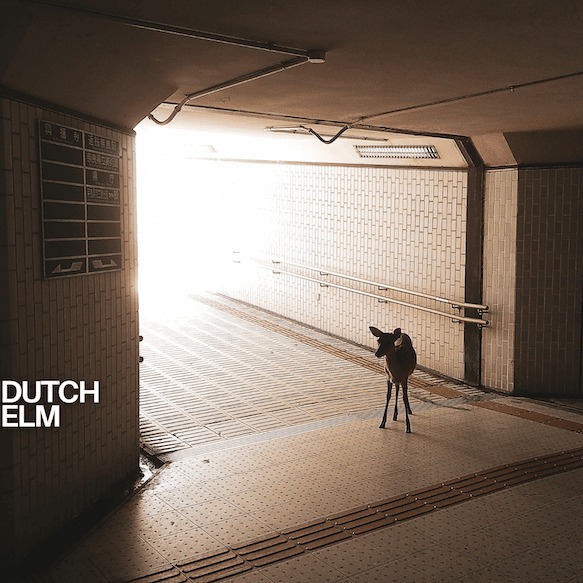
Album cover
Release note and where to follow
Dutch Elm is out now via Ripcord Records.
You can also keep up with the band here: https://www.facebook.com/dutchelmne/
FAQ
- Is the Dutch Elm album instrumental the whole way through?
Mostly, yes—though the closer “Soledad Brother” brings in repeating vocals that build as the track swells. - What’s the best starting track if I’m new to this style?
“Transmitter.” It shows their stop-start energy, their hook sense, and how they build toward a riff-heavy finish. - Does the album lean more clean and mathy, or heavy and distorted?
It plays both sides—intimate clean guitar passages show up, but the distorted riffs hit with real weight when they choose to. - Do they make the four-piece setup feel limited?
Not really. They squeeze a surprising amount of density out of two guitars, bass, and drums by letting parts clash and interlock. - What’s one potential downside for some listeners?
The constant switching can feel like it doesn’t let every great riff breathe as long as it could—especially if you prefer steadier grooves.
If you’re the type who falls for album art as much as riffs, you can always shop a favorite album cover poster at our store—tastefully, not desperately—over at https://www.architeg-prints.com.
 | DISCOUNTGET 30% OFF*Use code on your next order:
|
* This post may contain affiliate links, meaning we earn a commission if you make a purchase through these links, at no additional cost to you.