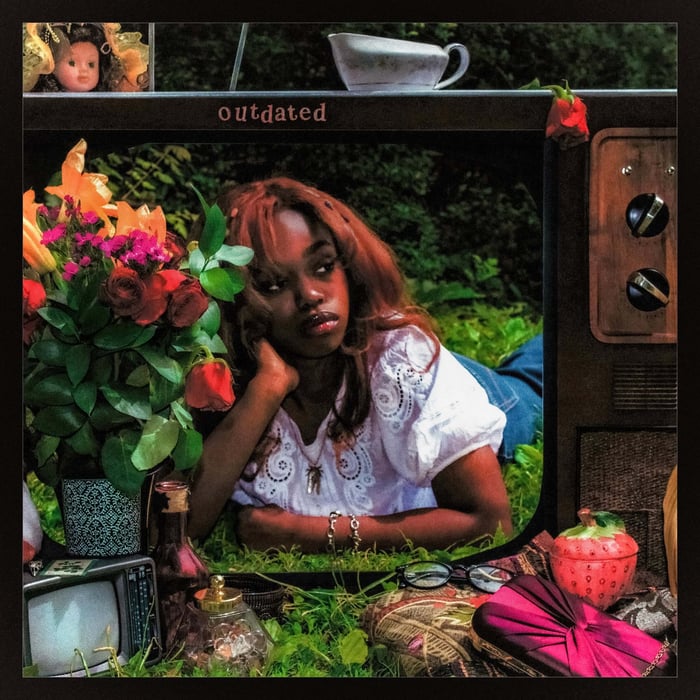
Chenayder Outdated Album Review: Teenage Letters, Adult Exit Plans


 See more Architeg Prints stories on Google.
Chenayder Outdated Album Review: Teenage Letters, Adult Exit Plans
Chenayder's Outdated album turns private crush math into a public autopsy—sweet, messy, and way more self-aware than it wants to admit.
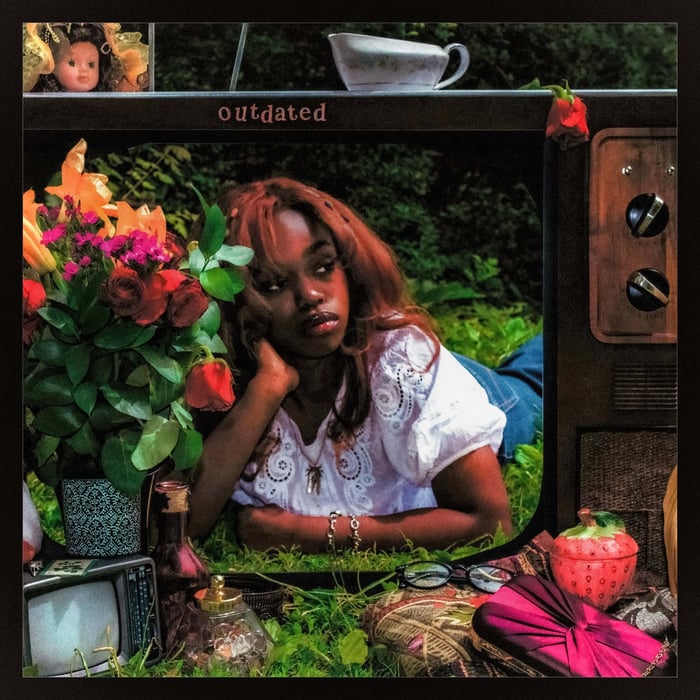
This album isn’t “new”—it’s evidence
You can hear the time gap before anyone tells you about it. The Chenayder Outdated album plays like a folder of old drafts you swore you deleted, except the drafts still know your password and they’re not asking permission.
Most of these songs feel written from that claustrophobic teenage place where the world is basically your room, your notebook, and the version of someone you’ve invented because they didn’t show up to be real. And then—this is the point—adult Chenayder presses upload anyway. Not because it’s comfortable. Because the discomfort is the concept.
Why “Outdated” is the title that gives the game away
The title Outdated isn’t just a cute wink. It’s an admission: the emotions are old, but the scars still scan.
The whole record has that tension where the writing is clearly from a younger self, yet the delivery feels like someone older re-reading it and refusing to redact anything. I kept waiting for her to soften the embarrassment, to rewrite history with better lighting. She doesn’t. That’s either brave or a little reckless—maybe both.
And I’ll be honest: at first I assumed “outdated” would mean these songs were going to sound unfinished or tossed-off. On second listen, that wasn’t it. The feelings are what she’s calling outdated—like she’s labeling jars in the fridge: not poisonous, just no longer edible.
“Wonder”: the sound of writing to someone who never replies
This is where the album shows its teeth without raising its voice.
In “Wonder,” she’s sending letters into a void and somehow acting surprised the void isn’t texting back. The song sits in that specific humiliation of hoping your existence speeds up somebody else’s heartbeat… and then catching yourself hoping that, and feeling stupid for it. The punchline is brutal because it’s quiet: the whole exchange is one-way, and she knows it.
What makes it sting is how the song doesn’t try to dramatize the situation into “betrayal.” It’s not betrayal. It’s worse: it’s neglect you volunteered for. That’s the kind of honesty most people skip because it makes them look complicit. Chenayder doesn’t skip it.
“One Day” and “I Know You”: fantasy isn’t romance—it’s control
The Chenayder Outdated album keeps returning to a specific kind of longing: the kind where the other person barely needs to exist.
On “One Day,” she’s already casting the wedding, the dress, the whole five-year plan—while he’s still failing the basic task of showing up. She even frames commitment as a stress-reduction strategy for him, which is such a teenager move it almost hurts: say yes, it’ll make your life easier. That line doesn’t sound seductive; it sounds like someone trying to negotiate affection like it’s a scheduling conflict.
Then “I Know You” pushes the same ache into a weirder corner: she’s reaching toward someone she can’t even properly recognize anymore, swearing it’s love while admitting her memory is blurry. That contradiction is the point. It’s not “I know you.” It’s “I need you to be knowable so my feelings make sense.”
And she calls him out too—almost like she’s borrowing somebody’s mother as backup: that little reminder in “One Day” that your mother taught you better than this lands like a slap delivered in polite handwriting.
“The Beginning” (feat. detahjae): a date that turns into a background check
After so many solo-crush monologues, “The Beginning” finally gives her an actual respondent—and she immediately treats the interaction like an interview for emotional competence.
She’s not asking for charm. She’s asking for proof he’s sturdy. Proof he won’t grab the first thing that walks by. There’s even that hard-edged independence in the logic: if she can’t get what she needs, fine—she’ll keep it all to herself.
detahjae answers like someone who understands the assignment. He doesn’t try to buy his way in with cheap persuasion; he talks logistics, distance, effort. He’s willing to run a marathon to close the gap, he’s talking about tying “emotional bridges” together, and by the end he’s bold enough to claim he’d be the partner she’d pick for life.
And then there’s the chorus—mostly “shooby-doop” syllables and the title phrase—like they’re parodying old-school courtship sounds on purpose. It’s strangely ancient, like two young artists play-acting romance from a time neither of them lived through.
Here’s the twist: even with a decent answer in front of her, she still checks the depth. She refuses to wade in if it’s all surface. And she leaves. That’s the album in a nutshell: not “will you love me,” but “are you real enough for me to risk it?”
“Solitude”: not self-care, just self-removal
“Solitude” is where the album stops pretending this is all about romance.
This song isn’t selling the cozy version of being alone. It’s the sharper version—the one that scares your family. She loves the wind because it doesn’t ask questions. She even seems to enjoy that her loneliness freaks her mother out, which is a nasty detail to admit because it makes solitude sound like power, not peace.
The track expands into other voices too, and each one shows a different flavor of isolation:
- Vayda sounds like she’s gone way past “taking space” and straight into the woods with a backpack and no coat, spinning out and still standing ten toes while her worst days play like a public spectacle.
- Norah’s World is more grounded but still brutal: too busy, too tired, and basically warning someone not to expect replies. She keeps looping through her own schedule until it nearly breaks her.
Then Chenayder spells it out—literally—turning “solitude” into a command: leave me be. It’s almost funny how direct it is, like she’s labeling herself as “do not knock” and taping it to the door.
I’m not totally sure whether the track is healing or just resignation dressed up as confidence. But it’s convincing either way, which might be the more worrying compliment.
“Salt” vs. “If You Could Give an Apology…”: blame as a moving target
The album’s most honest argument is with itself.
On “Salt,” she basically says: take whatever I say with a grain of salt. She might’ve broken his heart, but don’t make it her fault—she’s trying, and when she slips, she covers it with that universal bandage line: you’re my everything. It’s not exactly manipulation, but it’s adjacent. It’s the kind of phrase you toss in to stop the consequences from entering the room.
Then “If You Could Give an Apology This Is What It Would Sound Like” flips the whole stance. No ducking, no seasoning: she straight-up admits she was the problem, and the apology is late enough that you can hear the shame dragging behind it. That’s the moment where the album stops being cute about immaturity and starts admitting damage.
And just when you think one of those positions will “win,” “Blue World” shows both defenses collapsing. She begs for someone—anyone—to convince her she’s not that bad, then answers herself with the ugliest possible conclusion: she did her best and still feels no good. That’s not a tidy lesson. It’s what it sounds like when self-awareness doesn’t come with self-forgiveness.
“BANG” and “The Game”: saying less, landing harder
“BANG” is all implication. She admits she’s kinder than is good for her—an interesting confession because it can be read two ways: genuine softness, or a quiet excuse for staying in situations that hurt. The track fires off “do you remember” moments and hints at some incident she refuses to name, like she’s holding the evidence out of frame.
This is where I’ll lodge a small complaint: the secrecy in “BANG” borders on too coy. I don’t need every detail spoon-fed, but the song teases like it wants the drama without paying the price of saying what happened. That said, the grievance still feels real. The anger is specific even when the story isn’t.
“The Game,” though, is the better minimalist move. One verse is enough to capture that awful feeling of losing a game you didn’t even know you were playing. It’s aimed at someone who wanted the prize without the fight—classic entitlement, but said without soapboxing. Then she lays down the real hook underneath: he can have what he wants, as long as he plays by her rules. That’s not romance. That’s boundaries drawn with a ruler.
“DOOM”: freedom that tastes like fast food
“DOOM” is the album’s clearest exit sign.
The line about tasting freedom and it tasting like Chick-fil-A is so casually specific it becomes philosophy by accident. Freedom isn’t a choir of angels here—it’s drive-thru relief, a little greasy, a little guilty, and instantly memorable.
Her mother screaming like she committed a crime adds the real pressure: leaving isn’t just internal. There are consequences in the room with her. And she recognizes something sharp about human behavior—people follow you when you don’t follow rules. That’s not a motivational poster. That’s a survival observation.
If the album has a turning point where the protagonist stops asking for permission to exist, it’s here.
“Gone”: talking about your younger self like she moved away
“Gone” seals the record with a weird emotional trick: she talks about her younger self in the third person, like she’s a neighbor reporting that a kid down the street packed up and vanished.
Her “baby” is gone. You won’t see her again. The past is behind her, the future is what she loves. There’s something cold about it—and I mean that as a compliment. It’s the sound of someone refusing to keep babysitting their old self just because she’s familiar.
It’s also a little eerie. Part of me wonders if the detachment is total, or if it’s armor. I can’t fully tell. But the distance is the message: she’s not going back.
A necessary note the album brushes against
Some of the feelings in “Blue World” and nearby moments scrape close to the edge—self-worth collapsing, the mind turning on itself.
If any of those feelings are close to your own right now, support is available. In the U.S., you can call or text 988 to reach the Suicide & Crisis Lifeline.
Where I land on it (and what I’d replay)
This isn’t a “perfect” listen, and honestly I don’t think it wants to be. The Chenayder Outdated album sounds like it’s deliberately leaving certain smudges on the page so you can’t pretend it was written by a different person.
The songs I’d go back to first:
- “Wonder”
- “Solitude”
- “DOOM”
They’re the tracks where the album stops negotiating and just tells the truth—even when the truth makes her look a little ridiculous. Especially then.
Chenayder turns Outdated into a time capsule you’re not supposed to bury. The record’s real achievement isn’t “growth”—it’s the refusal to fake growth by rewriting the past into something prettier. It leaves the old emotions intact, then dares you to watch her walk away from them.
Our verdict: People who like diary-raw songwriting and boundary-setting anthems disguised as love songs will latch onto this fast. If you need your albums to be neat, flattering, and emotionally resolved, this will feel like watching someone read their old texts out loud and not even flinch.
FAQ
- What is the core theme of the Chenayder Outdated album?
Letting old emotions sit in the open without pretending they’re still current—or pretending they never mattered. - Is Outdated mostly about romance?
It starts there, but it keeps mutating into songs about solitude, blame, and finally leaving—not just leaving a person. - Which track best shows the album’s turning point?
“DOOM,” because it treats freedom like something you can taste, and there’s no way back to how things “used to be.” - Why does “Solitude” hit so hard for some listeners?
It doesn’t romanticize being alone; it treats isolation like a chosen climate that still costs the people nearby. - Does the album feel like a younger or older artist speaking?
Both at once—the writing feels young, but the presentation feels like someone older refusing to edit the younger self out of the picture.
If you want a physical reminder of this album’s vibe—messy, candid, and oddly final—shop your favorite album cover poster at our store: https://www.architeg-prints.com/. It’s a nice way to pin the feeling to the wall without re-living the whole text thread.
 | DISCOUNTGET 30% OFF*Use code on your next order:
|
* This post may contain affiliate links, meaning we earn a commission if you make a purchase through these links, at no additional cost to you.