Love Spells Album Review: LOVE IS THE LAW and the Romantic Court Case


 See more Architeg Prints stories on Google.
Love Spells Album Review: LOVE IS THE LAW and the Romantic Court Case
Love Spells turns LOVE IS THE LAW into a courtroom of desire—sweet vows, ugly bargaining, and rules nobody follows for long.
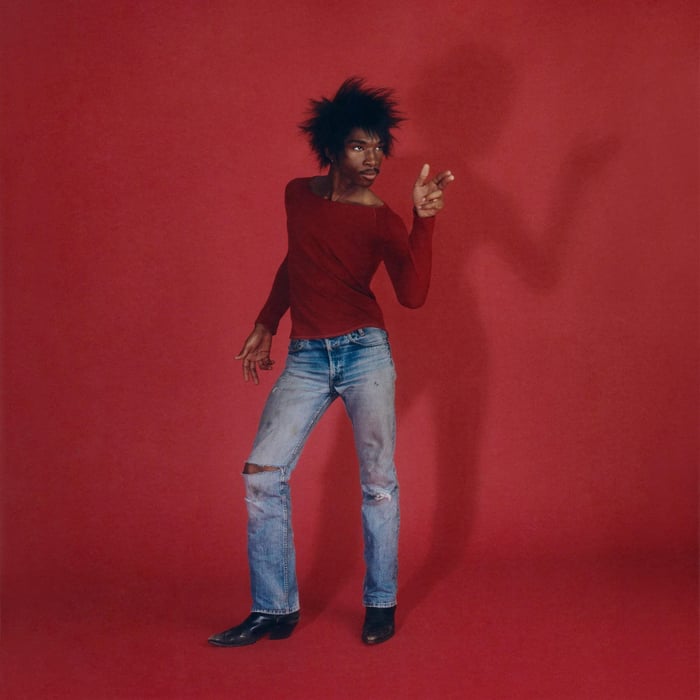
What LOVE IS THE LAW really gives you isn’t a love story. It’s a stack of sworn statements written while the ink is still shaking.
And Love Spells (Sir Taegen Harris) doesn’t sing like he’s reminiscing—he sings like he’s trying to win a case with his own heart as evidence.
Love as a Religion (and a Bad One)
This record opens with a belief system: our lives orbit love, we do dumb things because of it, and the worst problems crawl out right after the vow. That’s the engine of LOVE IS THE LAW—not romance, not lust, not even heartbreak. It’s devotion with consequences.
Harris performs these songs like he’s willingly stepping into an old-school courtship ritual: the suitor on his knees, pleading, offering everything he owns. The whole album keeps returning to that posture. It’s not equality; it’s submission dressed up as tenderness. And yes, it can be beautiful—until you notice how often he sounds like he’s negotiating against himself.
“Love is the only law I think we follow and act on.” — Sir Taegen Harris
That line explains the title, but it also explains the trap: if love is the only law, then everything else becomes permissible—including self-destruction with a romantic filter on it.
“Don’t Touch”: The Album’s Power Dynamic Shows Its Teeth
The first real shock on LOVE IS THE LAW is how quickly the sweet premise curdles. “Don’t Touch” introduces a girl who doesn’t just set boundaries—she weaponizes them. She gets boys drunk on purpose, uses them through the night, keeps them calling, and never answers to anybody. The song makes the chorus her property, too, like a throne room:
“Am I a sexy baby?/Do I drive you crazy?”
And then the rule lands clean: look but don’t touch.
Here’s what I think is happening: this track doesn’t merely describe someone cold. It makes control sound like the real romance. The thrill isn’t love—it’s access, denial, and the constant audition to be chosen.
And the twist that stings is Harris eventually taking her rule onto himself. By the end, he isn’t resisting the dynamic; he’s participating in it. For one chorus, he plays along, which is basically the album teaching you its central move: he’ll swallow the terms if it keeps the door cracked open.
A reasonable listener could argue this is just horny melodrama. I think it’s more pointed than that. The song feels like it’s saying: the modern love ritual isn’t courtship—it’s consenting to be managed.
“Crutch” and the Sport of Blame
Right after that, “Crutch” admits what “Don’t Touch” only hints at: he may have placed too much weight on her shoulder. That would be a mature realization… if he didn’t immediately flip it into a charge.
“I know you used me as a crutch,” he says, and suddenly the song becomes a game of hot potato with the last seat left—accusations passed back and forth because nobody wants to be the one left standing with the guilt.
This is one of the album’s sharper moves: it shows how quickly “I need you” turns into “you used me,” depending on who’s losing.
And honestly, it made me rethink my first impression. At first I took these songs as straightforward pleading—classic, dramatic, kneeling-at-the-altar stuff. On second listen, the pleading feels more like strategy. Not cynical strategy, but desperate strategy. Like he’s trying every emotional angle to keep the connection alive, even if it means rewriting history mid-chorus.
“Stupid”: Candy, Teeth, and Self-Inflicted Damage
“Stupid” is where the album stops pretending this is healthy. The metaphor is gross in the way real obsession is gross: her as candy, him as a sweet tooth, and the cost is physical.
“All my teeth are fallin’ out/But I just want you in my mouth.”
That isn’t romance. That’s compulsion with a pretty melody stapled to it. And it works because it admits something most love songs dodge: sometimes you know it’s ruining you, and you still want another bite.
The arguable claim here is that “Stupid” is more honest than the album’s grand title track. The title says LAW—clean, noble, binding. “Stupid” says the real rule is appetite, and appetite doesn’t care about dignity.
“Devour Me”: When the Vow Turns Into a Dare
If “Stupid” is the confession, “Devour Me” is the escalation. This is the moment where the album pushes the bargain to its ugliest edge: she’s shot him once already; he tells her to pull the trigger. He floats the idea that death might be what he needs, as long as it comes by her hand. And he won’t fight it—he’ll welcome it inside.
It’s a lot. Maybe too much. And here’s my mild gripe: the drama occasionally leans so hard into extremity that it risks flattening the emotion into a single note—“more, more, more.” I kept waiting for a breath, a moment where the song lets the horror sit quietly instead of romanticizing the blade.
Still, one line cuts through because it’s almost tender in the middle of the carnage: the promise to stick to her forever and always—the softest sentence in a song that’s basically about being eaten alive. That contrast is the point. He’s not singing about love; he’s singing about surrender as identity.
“Perfect Man”: The Resume Nobody Asked For
“Perfect Man” tries to cash out the devotion in a different currency: proof. Collateral. A tidy life offered like a dowry.
He’s got a clean apartment. He doesn’t sleep in his shirt and jeans. He calls his mother twice a week. He’s ready to put his last dollar on the line for their date.
And then he drops this: “I kiss you slowly like turtles in a race.”
It’s goofy, and I mean that as a compliment. It’s so oddly specific it becomes character evidence. For a second, the album stops posing and just shows you a person trying to be lovable.
But then the song swerves back into something slightly unnerving: he keeps track of how many times they make love, knows every tear she sheds while crying. The “perfect man” becomes a court reporter, dictating the transcript of a marriage that hasn’t even started.
That’s the contradiction LOVE IS THE LAW keeps playing with: devotion versus surveillance. And I don’t think it’s accidental. The song makes “being attentive” sound one inch away from “keeping receipts.”
“Keep It to Yourself”: Secrecy as a Love Language
From there, the album tightens its grip with “Keep It to Yourself,” where privacy isn’t a preference—it’s policy. Arguments stay indoors. Her friends don’t get updates. If they break apart, she might as well keep that announcement until the next world.
The line underneath the song is basically: not everybody deserves access to what’s sacred between two people, and sometimes love—and its problems—are better left unsaid.
That sounds noble, but it also sounds like isolation. This is one of those tracks where a listener could reasonably disagree with me: you might hear it as protecting intimacy. I hear it as building a sealed room where bad patterns can echo without interruption.
Either way, it’s consistent with the album’s obsession with control. Even the silence gets rules.
“LOVE IS THE LAW”: The Swear-In Ceremony
The title track is where the vows get official. The baritone guitar hits with that heavy, grounded feel, like a stamp on paper. And Harris states it plainly: “Don’t you go treatin’ me bad.”
No playing with his heart. No breaking his statutes.
Then the line that tries to make destiny sound physical: “Baby, you’re meant for my arms/Like your name’s meant for my tongue.” It’s an oath with his right hand up, like he’s swearing himself into a lifelong sentence.
If “Devour Me” is him offering his body, this is him offering the rulebook. The arguable take: the song is less romantic than it thinks it is. It’s not “I love you.” It’s “agree to my terms.” And honestly, the album needs that bluntness. Without it, all the pleading would start to sound like fog.
When the Album Gets Horny (and Slightly Ridiculous)
After all that intensity, the courting loosens up—kind of. “Kiss Me Slow This Time” is still pointed straight at the body: his destination is her hips, his heart fits in like a nest, the answers to his test are in her hands.
And then he drops a pickup line that sounds like it should come printed on a pharmacy Valentine that gets rejected for being too much: “My doorbell sounds just like your moan.”
It’s funny, but not because it’s a joke. It’s funny because the album has spent so long acting like a sacred text, and then it hands you this shameless little line like it’s completely normal. The contrast makes it pop.
“I’ve Tried” is where the leering stops pretending to be poetry. The other songs coast; this one stares. His lips ask him to kiss them, his eyes demand to listen, and then he says: “But those thighs, they talk to me and whisper.”
That’s the moment the date ends. Not because it’s offensive—because it’s so blunt it collapses the mood. The album’s fantasy of courtship slips, and you see the hunger underneath.
“Heart for Eyes”: The Crash and the Self-Help Advice He Won’t Take
Then comes the comedown. “Heart for Eyes” burns what she gave him. He sticks to his mattress. The line lands like someone staring at the ceiling, bargaining with the dark:
“I laid in bed all day/And thought myself into a grave.”
And right after that, he starts giving advice he clearly doesn’t follow: be careful who you let into your home. Be careful who spends your time. Don’t fall for it.
That hypocrisy is the album in miniature. He knows better. He still goes back. The record doesn’t resolve the contradiction; it lives in it.
“Until We Get It Right”: Choosing the Same Mistake on Purpose
“Until We Get It Right,” produced by Day Wave, feels like the album’s most lucid moment because it doesn’t pretend the situation will magically improve. Harris actually contemplates what he signed up for—and then stays with it anyway.
“You’ve always been the street/You’ve never been my home.”
That’s not just a good line. It’s a brutal summary of the relationship’s shape: she’s movement, thrill, danger, distance. Not comfort. Not stability.
And still, he promises to take her back however many times it takes. She can leave, he thinks, but she won’t go far. No matter how many times she returns, he’ll be up with the lights on.
If the album has a real emotional center, it’s here: not the vow, not the lust, not the threat. It’s the choice to keep the porch light on for someone who keeps proving they’re not coming home.
Where It Lands (And What I’d Actually Replay)
I walked away thinking this album is, in the most practical sense, solid—it commits to its emotional logic and doesn’t flinch from the mess it creates. But it’s also a record that occasionally confuses extremity for intimacy. When it works, it’s because the details are specific enough to feel lived-in. When it doesn’t, it’s because the drama starts performing for itself.
If you want the short list of what sticks in my head:
Favorite tracks: “Don’t Touch,” “Stupid,” “Until We Get It Right”
Those songs don’t just sell the fantasy—they expose the price tag.
Conclusion
LOVE IS THE LAW isn’t asking whether love is worth it. It’s insisting that love is worth everything, even when “everything” starts looking suspiciously like self-erasure. The album’s best moments don’t make devotion sound pretty—they make it sound like a decision you keep making with your eyes open, which is somehow worse and more honest.
Our verdict: People who like romantic music that’s a little poisonous (the “text me back even if it ruins my week” crowd) will eat this up. If you need your love songs to model emotional health, you’re going to want to file a restraining order against at least three choruses.
FAQ
- What is the core idea behind LOVE IS THE LAW by Love Spells?
It treats love like a binding rule—something you obey even when it turns into bargaining, blame, and relapse. - Is LOVE IS THE LAW more about romance or power?
Power. The romance is there, but the album keeps circling control, access, and who gets to set the terms. - Which songs show the album’s darkest streak?
“Devour Me” goes to the edge, and “Stupid” admits the damage with gross, memorable clarity. - Does the album ever lighten up?
Sort of—“Kiss Me Slow This Time” loosens the tie, but it replaces tenderness with lines that are deliberately ridiculous. - What are the best entry points if I’m new to Love Spells?
“Don’t Touch” for the thesis, “Stupid” for the compulsion, and “Until We Get It Right” for the late-night honesty.
If this album lodged in your brain the way it lodged in mine, a good album-cover poster is basically the least harmful souvenir. You can pick one up at our store.
 | DISCOUNTGET 30% OFF*Use code on your next order:
|
* This post may contain affiliate links, meaning we earn a commission if you make a purchase through these links, at no additional cost to you.