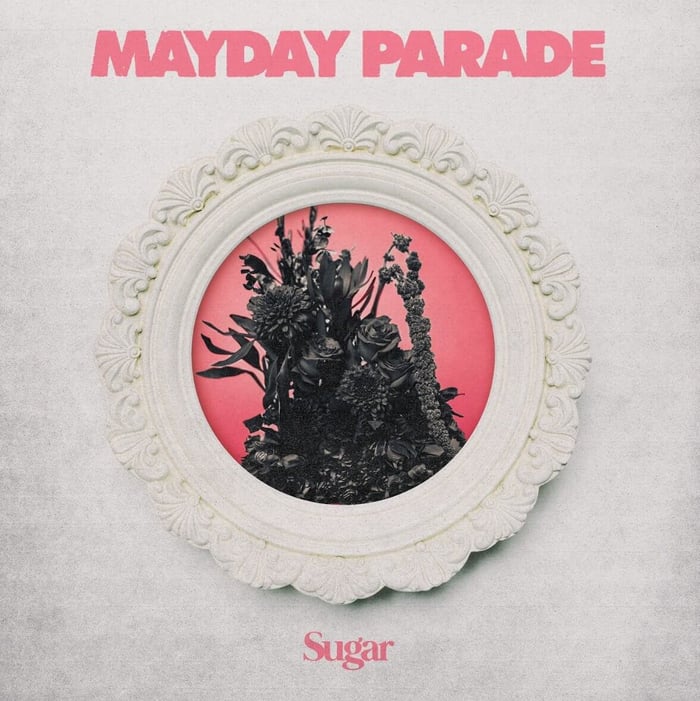
Mayday Parade Sugar Album: Grown-Up Emo Pretending It’s Still 19


 See more Architeg Prints stories on Google.
Mayday Parade Sugar Album: Grown-Up Emo Pretending It’s Still 19
Mayday Parade’s Sugar album closes a trilogy with polished pop-punk bite—nostalgia used as a tool, not a crutch, and it weirdly works.
The thing “Sugar” is really doing (and it’s not subtle)
Mayday Parade aren’t trying to “come back.” They’re trying to prove they never left—by tightening the exact screws they’ve been turning for nearly two decades. Sugar album doesn’t scream reinvention; it smirks and says, “We already know what hits. Watch us aim better.”
That choice alone is going to annoy some people. If you wanted a hard left turn, you’re not getting it. What you’re getting is a band that sounds like they’ve watched younger acts borrow their emotional handwriting—and decided to write a cleaner version of their own signature.
The opener isn’t an introduction—it’s a temperature check
The first move, “Set Phasers To Bummed,” doesn’t feel like a door opening so much as a familiar room light switching on. It’s Mayday Parade doing the Mayday Parade thing—except the edges are filed down just enough to feel intentional, not soft.
Then “Blame It On The Youth” shows up like the album’s mission statement: guitars with that rich, glossy emo-punk sparkle, drums pushing forward, and the vocal pairing doing what it always does—making the emotional pitch feel communal, like a chant you can yell without fully admitting what it’s about.
Here’s my read: the song isn’t actually blaming “the youth.” It’s using the idea of youth as a prop so older fans can reminisce without admitting they miss being dramatic in public. It feels like an anthem for people who want the old days back, but also want the new generation to inherit the mess. And honestly? It’ll probably slam live, because it’s built to be shouted by a room full of people who swear they’re “fine now.”
This album doesn’t reinvent the band—on purpose
The more time I spent with Sugar album, the clearer it got: the “creative decision” is restraint. Mayday Parade aren’t burning the blueprint. They’re sharpening it.
Lyrically, the record leans into the same core emotions they’ve always circled—love, loss, self-reflection, perseverance—but with more distance. Not less pain. More perspective. That’s a different flavor, and it’s the whole point.
“Sweet Sad Sugar” in particular feels like it could’ve been pulled from the A Lesson In Romantics era—except it carries itself like it knows what bills cost now. I thought at first it was simply nostalgia bait, but on second listen the tone feels steadier, like they’re revisiting that younger voice without cosplay.
I’m not 100% sure everyone will hear it that way, though. Some people will hear familiarity and call it stagnation. I hear a band refusing to pretend they’re someone else just to win a new algorithm.
Weekend Music is the “I’m fine” song that’s not actually fine
This is where the album’s emotional logic gets blunt. A lot of the record stops fixating on heartbreak as the final destination and starts poking at what comes after: healing, acceptance, personal growth—the unglamorous stuff.
“Weekend Music” sells that shift with one line that lands because it’s almost casual about the damage:
“It just hurts when it hits, but I’m fine.” — Derek Sanders
That’s the album in miniature: pain acknowledged, then quickly folded up and put in a pocket so you can keep moving. It’s not a triumphant lyric. It’s a grown-up coping mechanism dressed as a singalong.
And yeah, it’s also a little too neat—like they’re good at making hurt sound catchy, maybe too good. But that’s Mayday Parade. They’ve always been experts at turning a spiral into a hook.
The production is polished, but it doesn’t sandblast the feeling
Next step: how it sounds, physically, in your headphones.
The production on Sugar album is clean—“perfectly polished” clean—but it doesn’t kill the band’s pulse. The instruments get space without turning sterile. The guitars from Alex Garcia and Brooks Betts are allowed to show detail, not just volume, and that matters because this band’s emotional language lives in those melodic lines.
The rhythm section—Jeremy Lenzo and Jake Bundrick—keeps everything moving with that pop-punk engine that never fully stops to brood. The balance is the flex: explosive when it needs to be, controlled when it needs to let the vocals steer.
If I’m nitpicking (and I am), the polish occasionally makes the raw moments feel planned, like the album has rehearsed its vulnerability in the mirror. It’s not a dealbreaker. It’s just the cost of sounding this tight.
Hooks everywhere, but not the lazy kind
Here’s the part that surprised me: the hooks don’t blur together. This band has always been good at writing choruses that stick, but on Sugar album they avoid the trap of copy-pasting the same emotional lift.
You can hear it in the way the album moves between moods:
- “Two Hearts” leans into the slower side, giving the feelings room to ache instead of immediately sprinting.
- Then “Don’t Give Up On Me” snaps into something more nostalgic—almost like it’s chasing a memory of their own sound.
The choruses linger after the tracks end, but the subtler instrumental bits are what keep pulling you back. Little guitar turns that don’t scream for attention, drum choices that keep the momentum from flattening.
A reasonable listener could argue this is “safe” songwriting. I’d argue it’s disciplined songwriting. There’s a difference, and Sugar album is betting you can hear it.
Nostalgia shows up, but it doesn’t get to drive
This is where Mayday Parade show their age in the best way: they know nostalgia is powerful, but they also know it’s embarrassing when it’s the only trick.
So the record keeps tossing in classic Mayday Parade DNA—those familiar melodic shapes, the emotional openness, the pop-punk lift—while still sounding like it exists in the present tense.
“Patriotism Of First Tiger Called Into Question” is the clearest example. It plays like a deliberate fusion of the band’s best instincts across their career, almost like they built it as a highlight reel—but not in a cheap medley way. More like: “Here’s what we do when we’re fully ourselves.”
If you asked me to pick the track that feels most like the album’s spine, it’s probably that one. It’s the moment where the trilogy-ending idea actually feels real, not just a marketing phrase.
The closer asks a question and actually means it
By the time “What Happens Next” arrives, the album is ready to stop performing confidence and admit there’s uncertainty underneath.
Ending with that title is a loaded move. It’s not just a final track—it’s a statement about closing a three-part run and daring the listener (and the band) to think past it.
Musically, it’s a slow builder with an explosive crescendo at the end—big, cinematic, borderline theatrical. And that theatrical edge works because Mayday Parade have always had a streak of drama; they’ve just learned how to aim it. It leaves the record hanging in the air instead of neatly tying it off, which is exactly what a trilogy-ender should do.
I kept waiting for it to go overboard, honestly. It rides the line. It doesn’t completely faceplant into melodrama, but it definitely leans over the railing and looks down.
So what’s the real takeaway?
Sugar album feels like Mayday Parade choosing maturity without giving up the thing their fans came for: emotional songs that still want to be yelled, even when the subject matter is healing instead of heartbreak.
It’s anthemic pop-punk where it should be, emotional balladry when it needs space, and lyrics that sound like someone who’s survived their own past instead of just romanticizing it. It doesn’t pretend the band is brand new. It also doesn’t act like they’re a legacy act collecting applause for existing.
And yeah—there’s still plenty left to say here. Not because they found a new sound, but because they figured out how to say the old truths without sounding stuck in them.
FAQ
- What is the core vibe of the Sugar album?
It’s Mayday Parade leaning into familiar emo-pop-punk mechanics, but with lyrics that sound more reflective than purely heartbroken. - Does Sugar sound like early Mayday Parade?
In places—especially on “Sweet Sad Sugar”—but it comes with more perspective, like the same emotions after you’ve lived with them. - Which song feels like the album’s centerpiece?
“Patriotism Of First Tiger Called Into Question” hits like a deliberate “best instincts” fusion and stands out for how complete it feels. - Is the production raw or glossy?
Glossy enough to feel polished, but not so sterile that it drains the band’s energy. The instruments still breathe. - Is this album more about heartbreak or healing?
It still hurts, but it leans harder into healing and acceptance than wallowing—especially in lines like the one in “Weekend Music.”
If this album has you missing the era when cover art felt like a whole identity, you can always pick up a favorite album cover poster from our shop—tastefully, not aggressively—over at https://www.architeg-prints.com.
 | DISCOUNTGET 30% OFF*Use code on your next order:
|
* This post may contain affiliate links, meaning we earn a commission if you make a purchase through these links, at no additional cost to you.