Ego Ruins Everything Review: Kenyon Dixon’s Tough-Guy Feelings Gym


 See more Architeg Prints stories on Google.
Album Review: Ego Ruins Everything by Kenyon Dixon
Kenyon Dixon’s Ego Ruins Everything offers a raw and honest portrayal of a man grappling with pride, vulnerability, and emotional denial through a polished R&B lens.
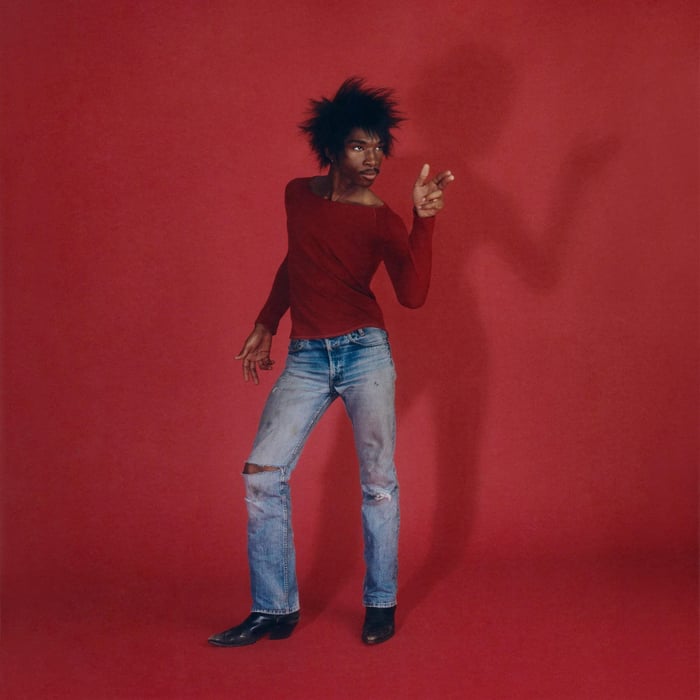
A cover that already tells on him
The first thing this album does is show up looking clean and composed—like it’s about to behave. It doesn’t.

That’s the trick of Ego Ruins Everything: it dresses itself in polished R&B, then uses that polish as a mirror to reflect a guy who can’t stand what he sees for more than a few seconds at a time. The whole record moves like someone who’s allergic to direct answers—especially emotional ones.
The opening question is a trap, and he knows it
The album starts with a woman asking him, plainly, So when was the last time you were happy? And you can practically hear him look for the nearest exit.
That question isn’t just a narrative device—it’s the album’s threat. Because if he answers it honestly, the whole “I’m fine” persona collapses on contact. And Kenyon Dixon spends most of this record choosing collapse later, not now. That’s a relatable impulse, sure, but he frames it like a code: a private rulebook where vulnerability is contraband.
It’s an arguable move, but I’ll say it anyway: the album isn’t really about love. It’s about the performance of being unbothered, and how exhausting that performance gets when someone keeps asking you basic human questions.
“I’D CHOOSE YOU” is a vow he can’t keep
From there, “I’D CHOOSE YOU” steps forward like the classic R&B solution: make a promise big enough to cover the mess. Keyboard chords set the scene, a bassline wanders around like it’s thinking too hard, and Dixon swears that if he could do it all again, he’d pick her—start to finish.
And the line lands because it sounds like he means it in that moment.
“Girl, I guarantee beginning to the end / I’d choose you.” — Kenyon Dixon
But what surprised me is how quickly the record undercuts that vow. On my first listen I took “I’D CHOOSE YOU” as the album’s anchor—like, okay, here’s the mature version of the story. On second listen, it plays more like a flare shot into the air: bright, brief, and immediately swallowed by the dark behavior that follows.
That’s the album’s whole tension: he can sing the right thing. He just can’t stay there.
“RUNNING AWAY” treats numbness like a moral stance
Then “RUNNING AWAY” slides into the late-night routine: bar, drinking more than usual, keeping up the “G code” posture—never letting anybody see you’re down. The song’s spine is denial dressed up as discipline.
There’s a therapist figure in the mix, asking whether he actually loves this woman, and Dixon basically waves him off with a brutal little shrug of a line: Fuck he know ‘bout feelings and moods? It’s funny in the way it’s not funny—like watching someone slam a door because the room behind it is messy.
Near the end, the vibe shifts into plotting-with-the-boys energy, the kind where “one more night” becomes a lifestyle instead of an exception. Someone declares he’s trying to be the man tonight. That’s not a flex; that’s a confession. He needs witnesses.
And I’m not totally sure if Dixon wants us to admire that or pity it. The album keeps both options open, which is either smart or evasive—depending on your tolerance for emotional smoke screens.
“THE MAN” is bragging that accidentally self-incriminates
If “RUNNING AWAY” is denial in motion, “THE MAN” is denial throwing itself a party.
He’s surrounded by beautiful girls, call logs, DMs, invites stacking up. He’s inviting her, inviting her friends, inviting everybody—like he’s hosting a celebration of access. And then he drops the kind of line that’s too revealing to be accidental: She say I hit her, I probably did.
That’s the bravado turning into evidence. Not because the album goes into detail (it doesn’t), but because that throwaway delivery shows how careless he can be with other people’s realities when he’s busy maintaining an image.
Here’s my arguable claim: “THE MAN” isn’t him being the man. It’s him showing how little he remembers when ego takes the wheel. The song plays like a highlight reel, but it’s edited by someone who’s blacking out emotionally.
“SHOW&PROVE” is where the compliments start sounding rented
“SHOW&PROVE” tries to make the case with praise—big shiny lines you could toss at anyone under club lights. You’re not basic… everybody’s favorite… the center of attention. And the problem isn’t that those lines are wrong. The problem is they’re generic enough to feel like he’s reading them off a mental template.
This is where the album’s mask slips in a different way: not through pain, but through convenience. He doesn’t describe her. He describes the idea of her—the kind of woman you compliment when you want the night to go smoothly.
It’s a mild criticism, but it matters: when the writing leans on stock flattery, the emotional stakes flatten out. The album wants us to believe this is personal, and then it hands us lines that could apply to literally anyone with a pulse and good lighting.
Bedroom R&B as choreography: “TALK YOU THROUGH IT”
“TALK YOU THROUGH IT” pushes the conversation into the bedroom, and Dixon shifts into instructor mode—teacher voice, guide voice, the confident narration of someone trying to keep control by being “good at this.”
He’s watching her closely, he’s directing the pace, he’s enjoying that she’s losing control. And I don’t mean that as a moral judgment—it’s just the vibe: he’s more comfortable managing sensations than managing feelings.
This is another arguable take: the song is sexy, sure, but it’s also a control fantasy. Not in a sinister way. In a please don’t ask me how I’m doing, just let me do what I’m good at way.
“NIGHTS LIKE THESE (COME THROUGH)” and “BREATHE” blur on purpose
Then “NIGHTS LIKE THESE (COME THROUGH)” and “BREATHE” sit next to each other like two candles in the same room. They’re pretty, patient, and—if I’m being honest—hard to tell apart even when you’re paying attention.
That might be intentional. The album is literally about someone running a loop, so of course a couple songs feel like they’re blending into one long late-night haze. Still, I kept waiting for one of them to punch harder or twist the mood. Instead, the most dramatic moment is spoken: in “BREATHE,” two voices talk through whether they should try again, until one of them whispers, shh, breathe.
That whisper is the point. Not a chorus. Not a belt. A hush. The album’s version of intimacy is sometimes just lowering the volume so nobody has to say the scary part out loud.
“REAL GOOD” turns arguing into foreplay
“REAL GOOD” is where the album gets blunt about dysfunction. He picks fights like he’s pressing buttons to get a reaction, already imagining the makeup afterward. He watches her try not to smile during the argument—like the conflict itself is a game they both know the rules to.
This is one of the record’s sharpest moments because it admits something most people hide: sometimes the fight isn’t about the fight. It’s about control, attention, heat, proof-of-life.
And yeah, someone can disagree with me here, but I think “REAL GOOD” is less romantic than it pretends to be. It’s chemistry, not health. The song knows that and shrugs anyway.
“FHOMM” tries to be careless—then exposes the lie
“FHOMM” leans into rebound logic: I don’t care about my ex, I’m moving on, I’m fine. It even builds a hook around that supposed indifference.
Then he ruins his own act with a line that lands like a slip of the tongue: Damn, I miss my ex-girlfriend. That’s the realest moment on the track because it isn’t polished. It’s messy. It’s the human voice cracking through the persona.
If Ego Ruins Everything has a villain, it’s not the ex. It’s the reflex to pretend. This song shows him attempting the performance, then failing in a way that makes the performance look ridiculous—which, again, might be the whole design.
“BLAH” is the album’s best writing because it stops trying
“BLAH” is where Dixon finally nails the emotional thesis without preaching it.
It’s a bedroom scene that feels eerily routine—two people doing what they do, hitting the marks, finding the same positions, repeating the same lines. He sings, We play our roles, rehearsed every line, and that’s not just about sex; it’s about the entire relationship becoming muscle memory.
Then comes the kill shot: instead of forcing sweetness, he replaces the sweet talk with blah, blah, blah, blah. That’s not laziness. That’s accuracy. It’s what intimacy sounds like when you’re tired of your own script.
Arguable claim: “BLAH” is the most romantic thing here because it admits romance can rot into routine—and doesn’t decorate the truth with pretty metaphors.
Bottoming out: “WHAT NIGGAS DO” and “[STILL] RUNNING”
“WHAT NIGGAS DO” is the album hitting the floor. He’s texting the same message three times in a row—panic behavior, not player behavior. He puts a woman into an Uber while she’s still crying, and he feels nothing, which is its own kind of horror. Then he actually says the quiet part: he doesn’t want ego and pride to turn him into a monster.
That line matters because it frames ego as a force—not just a trait. Like something that drives the car when he’s not paying attention.
By “[STILL] RUNNING,” the language shifts. The bravado thins out. He admits, Can’t run anyway. That’s not triumph; that’s exhaustion. It’s the sound of someone realizing the escape plan is just pacing in circles.
The title track finally talks straight—then gets weirdly meta
“EGO RUINS EVERYTHING” (the title track) is where he stops flirting with the truth and just says it in one long verse.
He’s praying for her every night. He’s waking up with her stuck in his head. And then he describes the strangest image on the album: himself performing these songs onstage while crowds sing them back at him.
It’s a surreal confession because it exposes the loop: he turns his mess into music, the crowd turns it into a chant, and suddenly his worst habits have a choir. That’s not “selling out.” That’s something more unsettling—like validation becoming a trap.
I’m not 100% sure if he means that moment as pride or shame. Maybe it’s both. Maybe that’s the point.
“THE LIGHT” tries to give advice he doesn’t live by
Then “THE LIGHT” pivots into guidance: telling a woman she won’t find what she’s looking for while she’s high, not in a liquor store. Telling a man to put God back at the center and let a good woman hold him down.
This could easily come off preachy, but it doesn’t quite. It sounds like the only advice he’s got—the stuff he wishes he could follow without tripping over himself. And that contradiction is the album in miniature: he can name the cure; he just won’t take it consistently.
Arguable statement: “THE LIGHT” isn’t wisdom. It’s longing dressed up as instruction.
“NO JODECI” is where the mask finally cracks
“NO JODECI” is the closest thing this record has to a full emotional surrender—and it gets there by talking about image management.
Everyone around him believes the lie. People think he’s perfect. They bring him their problems. He listens. He never admits he’s right there with them in the wreckage.
Then the chorus draws the line in thick marker: Girl, I can’t cry for you, this ain’t no Jodeci. In other words: I can’t be that kind of man, not publicly, not even privately, because pride has become law.
He lets one crack show on the bridge—Girl, I can’t take another heartbreak—and then he retreats into “whoas,” stretching them until language runs out. He even swallows the kind of held note that made so many classic R&B singers sound immortal. Here, it’s like he refuses to let the emotion fully bloom. He stops it mid-flight.
That decision is infuriating and perfect. If the album’s about ego ruining everything, of course it ruins the catharsis too.
Conclusion: what this album is really doing
Ego Ruins Everything isn’t trying to tell you a love story. It’s showing you what it looks like when a man keeps choosing ego because it’s familiar, even when it’s clearly making his life smaller. The best songs don’t “resolve” anything—they just catch him in the act: promising, dodging, bragging, unraveling, and occasionally blurting out the truth by accident.
Our verdict: People who like R&B when it’s honest and messy—when the singer sounds like he’s arguing with himself in real time—will get hooked on this. If you need your heartbreak neat, your romance polite, and your protagonists emotionally available before track three, this album will feel like watching someone refuse to read a text back on purpose.
FAQ
- What’s the core theme of Ego Ruins Everything?
Pride as a lifestyle choice—and the slow damage it does when it replaces emotional honesty. - Which track shows Kenyon Dixon at his most self-aware?
“EGO RUINS EVERYTHING,” because he actually stays in the confession long enough for it to sting. - What’s the most emotionally direct moment on the album?
The crack in “NO JODECI,” when he admits he can’t handle another heartbreak, then immediately hides again. - Is this album more about romance or self-image?
Self-image. Romance is mostly the arena where the self-image gets tested and fails. - What’s the song that best captures the album’s contradiction?
“FHOMM,” because it tries to sound over it—then blurts out missing the ex anyway.
If this album put a specific image in your head—stage lights, late-night texts, a too-clean cover hiding a shaky center—turn that into wall art. You can shop your favorite album cover poster at our store: https://www.architeg-prints.com/
 | DISCOUNTGET 30% OFF*Use code on your next order:
|
* This post may contain affiliate links, meaning we earn a commission if you make a purchase through these links, at no additional cost to you.