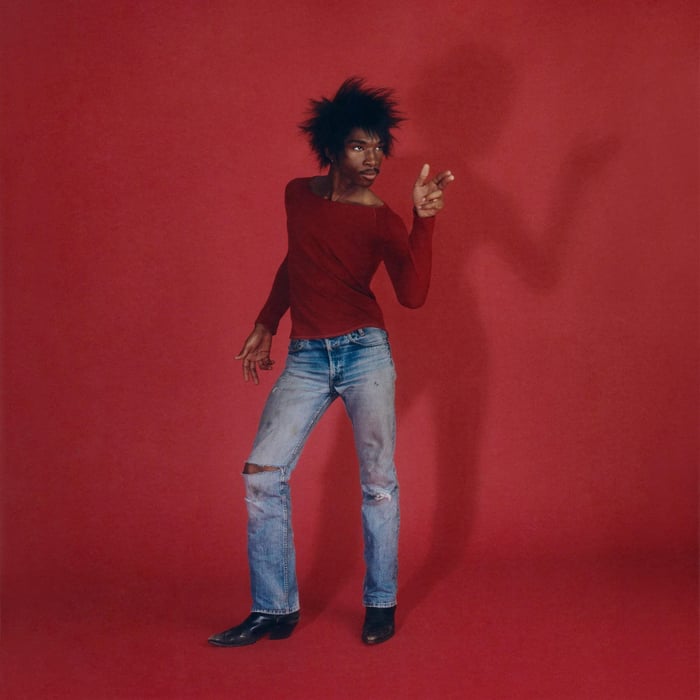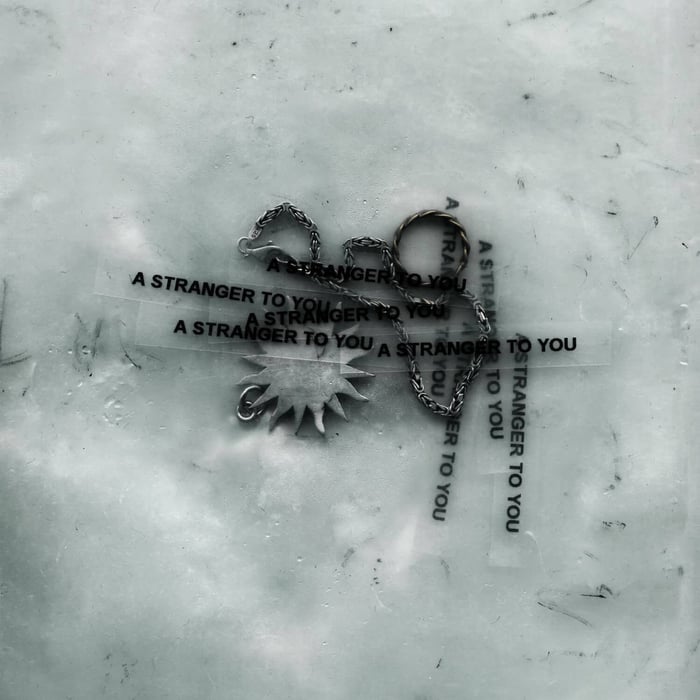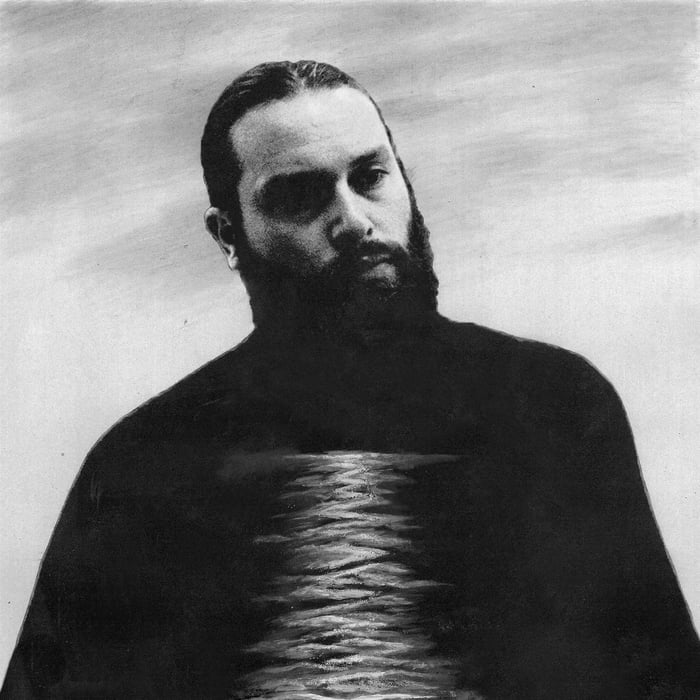
Nick Hakim’s I Can See Review: A Love Album That Won’t Sit Still


 See more Architeg Prints stories on Google.
Nick Hakim’s I Can See Review: A Love Album That Won’t Sit Still
Nick Hakim’s I Can See chases the feeling of love and family mid-vanish—more attic ghosts than romance, and the title track tells you why.
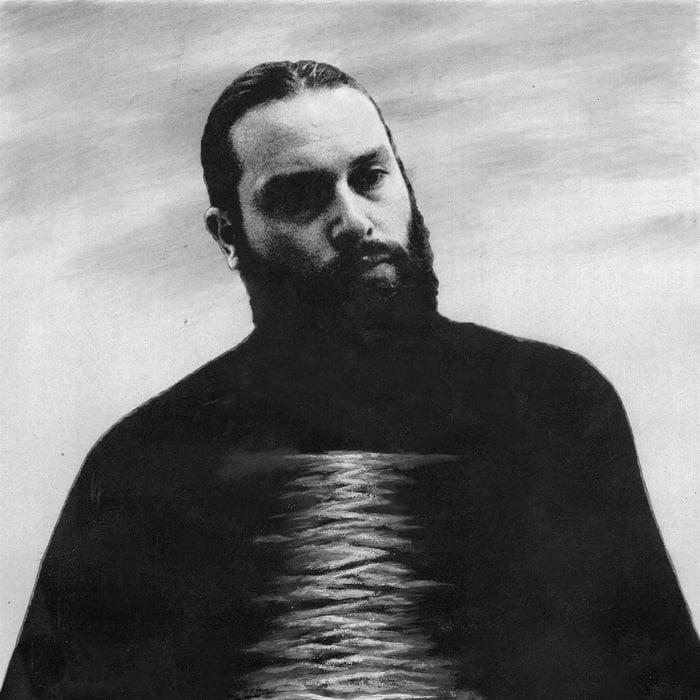
This record isn’t trying to impress you—it’s trying to keep you
Some albums want to be “good.” I Can See mostly wants to be true—even when the truth is slippery, repetitive, or a little maddening. Nick Hakim isn’t polishing moments here so much as trapping them in amber with his bare hands and acting surprised when they wriggle out.
And yeah, I came in expecting a tidy soul record. That was my first mistake.
The title track is a time experiment, not a flex
Let’s start with the bluntest clue: the title song began as a rough draft that took him twenty minutes, and then he spent four years getting it “right”—not “better,” not “cleaner,” but closer to the exact sensation the demo had. That’s the mindset that explains nearly everything else that happens on I Can See.
“An experiment of how time moves, and we change.” — Nick Hakim
That line isn’t just a tagline. It’s basically the album’s operating system. The songs don’t behave like neatly wrapped stories; they circle a fear: love, family, and even something as ordinary as “the voice of the sister from upstairs” feel like they’re guaranteed to disappear before he figures out where to safely store them.
The arguable part: I don’t think he’s chasing perfection here at all—I think he’s chasing a specific instability, the emotional equivalent of trying to hold water without a cup.
Love shows up, vanishes, and he decides to become a landmark
From there, the album keeps repeating one stubborn motion: she appears in the city, and then she’s gone again. He doesn’t chase her so much as he stays put—like if he can just remain in the same spot long enough, she’ll eventually find him again.
On “I Can See,” he promises sincerity in a way that feels almost pre-defeated, like the promise is being made because he can already sense how temporary everything is. He offers to “live out these days/With what we have, this noise parade,” which is such a strangely tender phrase—like he’s admitting the world is loud, messy, and out of control, but still asking to share it.
Then he brings that “noise parade” back on “Soft Wet Clay,” and that reuse doesn’t feel lazy. It feels obsessive, like he’s worrying the same phrase between his teeth because it’s the only one that fits. The parade shifts to night. His love “shifts like soft wet clay/But always stays the same,” which is basically the whole contradiction: changing shape, claiming permanence.
And when he talks about her “gift,” he compares it to light—something you can’t cage. He tries to grasp it anyway and ends up focusing on a physical detail: a pulse beating against her neck. That’s I Can See in miniature—big emotions dragged back down into the body, like he trusts a heartbeat more than he trusts language.
I’m not totally sure if the album wants that to feel romantic or unsettling. Sometimes it lands as devotion. Sometimes it lands as fixation. Both readings are plausible, and I don’t think he’s in a hurry to correct you.
“The Reason” and “7 Days” treat self-improvement like a bruise
Next, the album starts talking about change like it’s a physical act—falling, kneeling, collapsing. On “The Reason,” he admits he’s spent a long time learning how to be her man, learning how to respond when she calls him to look up. The readiness he finally finds doesn’t sound triumphant. It comes with dropping to his knees, the floor collapsing, breathing deep, falling again.
That repeat of falling matters. A reasonable listener could say it’s melodrama. I hear it as him refusing the “growth arc” fantasy. He’s saying: I can learn, I can try, and I can still hit the ground tomorrow.
“7 Days” pins the change to a date—May 7th—and turns it into a choice to get quiet. He leaves anger under an open sky. He promises to quit alcohol and cocaine. Then light shows up as a kind of stern teacher: burning his face, turning him, teaching him, fighting him. It’s not gentle enlightenment. It’s the sun acting like a drill sergeant.
If I’ve got a mild gripe so far, it’s this: sometimes Hakim leans so hard into repetition—light, falling, time, waiting—that the songs risk feeling like they’re pacing in a small room. It’s intentional pacing, sure, but it can still test you.
“Barii” admits he’s human… while still stalling for time
On “Barii,” he says it plainly: “I’m no machine/Just a human being.” And he frames everyday life as “big talk,” which I take as him calling out the constant performative confidence people put on—promises, plans, declarations, the whole daily speech parade.
Meanwhile she closes her eyes, takes another sip from his cup, and asks him for the thing he keeps asking her for: more time.
That’s the album’s quiet comedy, if you want to call it that. Everyone’s negotiating for time like it’s a physical object. Nobody actually gets it. They just keep requesting extensions from each other like time is customer service.
The arguable claim here: “Barii” is less a love song than a stalling tactic dressed as tenderness.
The attic: where family turns into magic and memory turns into a room
Then I Can See pulls a move I didn’t expect at first: family becomes the doorway into the album’s strangest imagery.
On “Real Here Now,” his sister has “discovered magic” and says she can talk to grandpa in the attic. That’s not presented as a gimmick. It lands like something a kid would say that adults half-believe because they want to. Hakim hasn’t seen the person he’s singing to in a while, but he hears a laugh that sounds like hers. He hears her singing the song she always likes to sing. And he makes a vow that’s purposely scrambled:
“My ears can’t believe what they are seeing.”
It’s a mixed metaphor on purpose, I think—senses crossing because grief and longing scramble the wiring. Sound becomes sight. Memory becomes a physical hallucination you can nearly verify.
He adds that his brother has magic too, and that one of them lived in the attic once. That detail matters: the attic isn’t just spooky atmosphere. It’s a literal family space—an upstairs place where voices travel down, where people used to live, where the past is stored.
If you’re listening for neat realism, this is where the album politely refuses.
“U Can Make It” is the pep talk that argues with itself
The attic shows up again in “U Can Make It,” perched at the top of the staircase he’s been falling from. He’s tempted to return there until he blacks out. That’s a nasty little image—wanting to go back to the place where the past lives, even when returning means losing consciousness.
He calls himself a fool who “cannot make it but tries.” Then another voice answers him, repeating the title message—he can make it, he can break this.
And I can’t tell if that second voice is:
- family,
- conscience,
- the listener,
- or the part of him that’s tired of his own spiral.
I kept waiting for the song to resolve into certainty, but it doesn’t. It’s more like watching someone argue with themselves in a mirror and then, for one second, choose to believe the kinder version.
The arguable part: that second voice doesn’t sound like salvation—it sounds like survival mode.
“River Rising” makes dread quiet, then makes family louder
“River Rising” is where the record’s dread turns into an actual presence. Something follows him everywhere—quiet, almost invisible—whispering his name and saying it’s ready to take him away. The terrifying part is how casual it feels, like a ride arriving.
He follows it along a path he can’t easily leave or shut out. And then the album does what it’s been threatening to do all along: it lets family interrupt the darkness.
He hears his little brother playing guitar. It wakes him up, and he realizes where they are. That grounding detail—brother, guitar, waking up—hits like a hand on your shoulder. Not therapy. Not enlightenment. Just a reminder: you’re still here.
He admits he’s not ready to go. He needs more time—specifically, time to write a letter he intends someday to recite. That’s a beautifully awkward hope: not “I’ll fix everything,” but “let me at least get the words together.”
Then the storm enters town—gunshots in the clouds—while the river rises. The family stays firm, rooted too deep to be pulled out. This is one of the album’s clearest images: catastrophe overhead, water climbing, and the only defense is communal weight.
I thought on first listen that “River Rising” was just mood-setting. On second listen, it felt like the album’s spine—the moment where the metaphors stop being pretty and start being blunt.
Waiting becomes the point, not a phase: “Endlessly Waiting”
From that intensity, the record pivots into stillness that’s almost confrontational. “Endlessly Waiting” doesn’t pretend to be about anything else. He watches the horizon all day and all night. He follows the window light. He sees smoke and time. He keeps malice and spite out of it. He waits for a sign that never arrives inside the song.
That missing sign is the whole trick. Most songs about waiting eventually hand you a payoff—arrival, revelation, reunion. This one makes waiting the only real action. It’s brave, and it’s also a little annoying in the exact way waiting is annoying.
Arguable claim: “Endlessly Waiting” works precisely because it refuses to reward you.
“Water” strips the song down until it’s almost a blank page
Then “Water” goes even simpler. He’s in her hands. It’s “the sweetest love” he’s ever known, and it’s still somehow out of reach. He says: “I feel it come around but still can’t seem to see.”
And besides that idea, the song feels nearly empty—like the arrangement is purposely withholding texture so the line can echo.
Here’s my uncertainty: I can’t decide if “Water” is a necessary breath in the album’s pacing, or if it’s so skeletal it borders on unfinished. I lean toward “necessary,” but I wouldn’t argue too hard with someone who says it’s more concept than song.
The arguable part: “Water” isn’t minimalism for elegance—it’s minimalism as emotional deprivation.
“Inwego” turns smoke into a body, then a map
“Inwego” takes the smoke motif and makes it physical. He describes chills traveling up from feet to stomach, throat, mouth, eyes, then back down the spine—wrapped like a snake.
And that snake leaves something behind: “a tattoo, a map of/Your mind’s true shape.”
That’s one of the album’s nastiest, best images. Smoke stops being atmosphere and becomes evidence. The feeling marks you. It redraws your internal geography. It implies you can be changed without consent, and later you’ll call it “growth” because you need a word that doesn’t sound like injury.
Arguable claim: “Inwego” is the record admitting that some transformations are basically hauntings with better branding.
“Know My Name” makes a tiny request feel expensive
“Know My Name” zooms in on her neck again, but this time it’s a chain—reason and “a new gold chain,” the one she uses when he calls her. That chain is both literal and symbolic: a connection, a tether, maybe even a tool.
Then the song drops a twist that’s easy to miss if you’re half-listening: she made up everything she told him. She invented her stories. And he accepts it anyway. Not because he’s naïve—because the invented life still gives him something he’s willing to live inside, even if it’s twisted.
He tells her: “Write it down till you love your pain.” That line is either wisdom or a red flag depending on your life history. Then he returns to the only real request the song keeps circling: “I wanted you/To know my name.”
That’s what makes the track sting. The ask is small—know me, name me, recognize me—and the cost is huge: chain, lies, sanity fraying. The song acts like recognition is the rarest currency on earth, and he’s paying interest.
Arguable claim: “Know My Name” is less about romance than about the panic of being forgettable.
Where I ended up: the songs I’d actually replay
By the end, I kept coming back to the tracks that feel like they hold the whole album’s argument in one grip:
- “Know My Name”
- “River Rising”
- “Soft Wet Clay”
Not because they’re the “best” in some objective sense, but because they’re where Hakim’s fixation turns into something you can touch: a chain, a river, a phrase he refuses to let go of.
Conclusion
I Can See isn’t built to sweep you off your feet. It’s built to keep you in the room while it replays the same fears—disappearing love, fragile family, time slipping—until they start to feel oddly livable. If you want clean resolutions, you’ll get impatient. If you’ve ever tried to preserve a feeling past its expiration date, this album will feel less like entertainment and more like recognition.
Our verdict: People who like intimate, haunted slow-burn records—where a single phrase (“noise parade”) can turn into an obsession—will latch onto I Can See. People who need big hooks, clear stories, or anything that resembles “closure” will bounce off it and go clean their kitchen dramatically.
FAQ
- What is the core idea behind I Can See?
It keeps chasing the same sensation: time moving, people changing, and love/family threatening to vanish before they can be held. - Why does the title track matter so much?
The whole album seems built around preserving the demo’s original feeling—everything else feels like it orbits that mission. - What’s with the attic imagery?
The attic acts like a family memory-room where “magic” and the past live, and where voices travel down into the present. - Is “Water” intentionally minimal or just underwritten?
It plays like intentional emptiness—love in reach but not graspable—though it can feel almost too bare depending on your patience. - Which songs best represent the album’s emotional center?
“Know My Name,” “River Rising,” and “Soft Wet Clay” feel like the clearest snapshots of its fixation on time, tethering, and survival.
If this album’s atmosphere stuck to you, consider grabbing a favorite album cover poster from our shop—it’s a nice way to keep the “noise parade” on your wall instead of in your head: https://www.architeg-prints.com/
 | DISCOUNTGET 30% OFF*Use code on your next order:
|
* This post may contain affiliate links, meaning we earn a commission if you make a purchase through these links, at no additional cost to you.