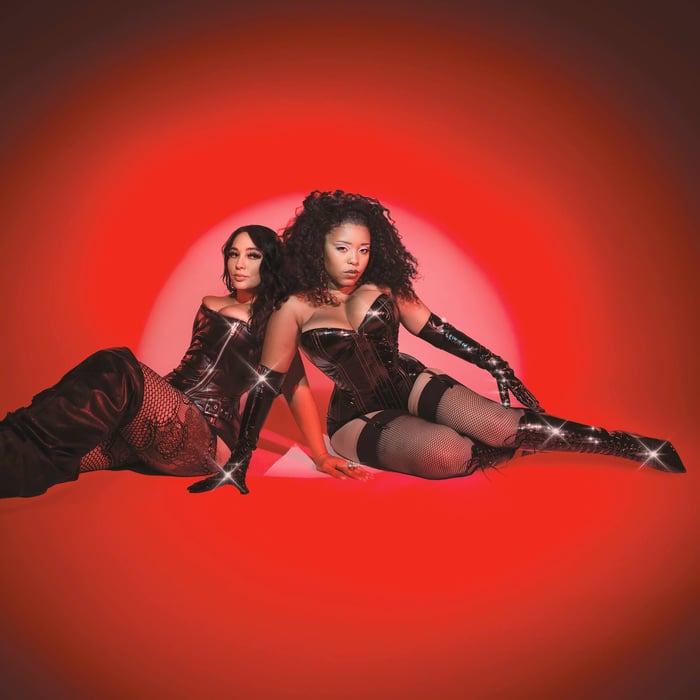
Critical Thot Review: sha ray & DJ Haram Turn Ego Into a Weapon


 See more Architeg Prints stories on Google.
Critical Thot Review: sha ray & DJ Haram Turn Ego Into a Weapon
Critical Thot isn’t “sexy rap.” It’s a possession ritual with 808s—watching attention become power, and then watching it cost something.
This album starts by telling you it’s not your friend
Most rap projects open with a flex, a welcome, a mood-board. Critical Thot opens like someone is getting inhabited. It’s trance-first: a voice slips into an unknown language, eyes rolling back, claiming it has no body and answers to nobody. Underneath that, there’s the heat-haze of an older name—still alive, still smoldering—until the whole mask snaps shut like a clasp.
That snap matters. It tells you the persona isn’t a cute aesthetic; it’s a tool you put on because the room is unsafe, the market is stupid, and attention is the only currency people consistently respect. sha ray performs that switch like she’s done it a thousand times and hated it every time.
DJ Haram’s presence is the other half of the threat. The beats don’t “support” sha ray so much as build a stage sturdy enough for her to kick holes through it. The record arrives like a fully formed character: belladonna of rap, princess with the Uzi—weaponized and weirdly calm about it.
And yeah, I thought the title was going to be cheeky. It isn’t. It’s clinical.
The men in these songs are contradictions, and that’s the point
Here’s what sha ray keeps circling: men treat her like she’s either inaudible or irresistible—sometimes in the same breath. On “Champagne and Bouquets,” she lays it out with that blunt clarity that feels like it’s been rehearsed in the mirror after too many nights out:
- they don’t listen when she talks
- they stare when she walks
Those two modes—deafness and obsession—create a gap, and sha ray monetizes the gap like it’s a job. When she drops the line about a “pussy tax,” she’s not flirting. She’s invoicing. Sex and luxury get bundled into one tight phrase, and the suitor never even realizes he’s being priced out.
What surprised me is how little romance exists here. Even when the subject is desire, the vibe is transactional in a way that feels historically accurate, not edgy. “Thot Daughter” doesn’t pretend the suitor wants her; he wants the idea of her, the bragging rights, the accessory. She shuts down his whole caddy fantasy with a clean refusal: he can’t have her, ever.
“Low End Skeeza” turns the same thought into an accusation: men only reach her through force. It’s an unsparing way to say it, and it’s not dressed up with metaphor to make it easier to swallow. This is one of those albums where the character is loud because silence didn’t work.
If you want “relatable relationship songs,” you’re going to feel personally ignored.
DJ Haram’s beats don’t chase sha ray—they make her hold the center
The smartest thing Haram does is give sha ray room without giving her comfort. These instrumentals create stability, sure, but it’s the stability of a platform in a fighting game: solid enough to stand on, built for combat.
When the songs go loud, sha ray is the obvious center. “Strictly” is the clearest example: the intro nods to Archangel and Haram, the bass hits feel like they could physically rearrange a room, and sha ray performs dominance like it’s a natural resource. The track doesn’t build tension so much as arrive already armed.
Then the other dynamic shows up: Haram drops the beat down into minimalism—samples, openness, negative space—and suddenly sha ray isn’t just commanding; she’s thinking out loud. The production steps back right when the ideas get complicated, like it knows the bars need air.
You can tell the two have co-produced before because the loudest songs don’t swallow her voice. A lot of “hard” rap production still treats the rapper like another percussion element. Here, the loudness is designed to frame her, not flatten her.
That said, I kept waiting for one more beat to go truly feral—just once—to match the album’s opening possession energy. Haram stays controlled. It works, but a small part of me wanted the floor to drop out.
“Elixir” is where the persona cracks and the human shows
Midway through “Elixir,” sha ray says something that tilts the whole album. It lands after flexes about purses and Mason—after that familiar rap-language of objects and status—and then she spits the line that makes all the previous bravado sound like armor:
She can’t even tell if they know she’s a person.
That’s the record’s real axis. All the pricing, all the allure, all the posturing is orbiting one question: do these men see her as human, or as a function? A fantasy? A transaction with legs?
On first listen, I treated the flexing like the point—like the album was mostly interested in domination. On second listen, it felt more like the flexing was a distraction tactic, something she throws up in the air so you don’t see the wound underneath. “Elixir” doesn’t beg for empathy, which is exactly why it hits.
And it quietly re-frames everything before it: the persona isn’t freedom. It’s a workaround.
The “witch” voice isn’t decoration—it’s the missing footnote
Right when you think Critical Thot is going to stay in rap-assertion mode, it inserts another voice explaining what a witch actually is. Not Halloween-core. Not aesthetic menace. The witch is the woman everybody decides to accuse—the one who gets handed the community’s idea of wickedness so men can feel clean, dominant, and placated.
This sample doesn’t feel random. It feels like the album finally says the quiet part out loud: the gaze isn’t just horny. It’s disciplinary.
Then there’s another borrowed narrative about the unspoken labor “Black women are well aware of that nobody really speaks about.” That line doesn’t function as a slogan here; it feels like the secret infrastructure under the persona. Like: this is what you have to know to understand why the mask exists.
“Boudoir” closes with a similar borrowed thread—two statements balancing fear of public expression against fear of staying inarticulate. That tension fits sha ray’s whole performance: she’s terrified of being pinned down, but she’s even more terrified of being muted. For all the things this guise declares, becoming quiet isn’t one of them.
If you came for club energy only, these talking passages might feel like interruptions. I wasn’t sure at first if they’d break the spell. Instead, they tighten it.
Swagger peaks on “Shole Ain’t,” then language starts slipping on purpose
“Shole Ain’t” is sha ray at maximum strut, riding a girly get-dumb 808 like she’s turning the dance floor into a courtroom. Her verse contains the project’s sharpest moment: she throws out a question about whether she looks like the type to play humble, and it lands harder than the padded hook around it. It’s not just confidence—it’s refusal. Refusal to shrink, refusal to be palatable, refusal to pretend.
But the album also lets her writing get messy. Sometimes her densest lines twist into contradiction or straight-up incoherence. And I don’t think that’s accidental, even if it occasionally blurs the impact. The part that lost me, here and there, was when the poetry got so perfumed it stopped meaning anything concrete. I like evocative writing, but a few passages drift so far into vibe that the song starts feeling like a scented candle with a gun.
Then “Hey Queen” pulls the opposite move. The poetic twist at its center—pleasure colliding with intuition, in a way that’s openly against ladylike behavior—comes off genuinely beautiful. It’s not “empowerment” in a poster sense. It’s closer to private knowledge, the kind you learn through repetition and bruises.
A reasonable listener could argue the record should’ve edited the abstract moments down. I get that. I also think the haze is part of the character: a person performing a persona until the edges smear.
The opening scene (“The Material”) is the album’s real thesis
Going back to the trancelike opener after hearing the full record changes what it means. That indecipherable language, the eyes rolling back, the older name decaying underneath—it’s not just drama. It’s an image of hollowing out. Like someone is being carved open so a public figure can move in and start collecting payment.
sha ray shows that hollow before she gives you a single boast. That sequencing isn’t an accident. It’s her saying: these struts were earned, and the cost was a person. The belladonna isn’t born glamorous; it’s forged from what got taken.
This is where Critical Thot gets bluntly honest: attention translates into power, sure—but it also demands a sacrifice. The album doesn’t ask you to pity that sacrifice. It just shows you the process and keeps walking.
Conclusion: the album sells you the mask, then shows you the bruises
Critical Thot is sha ray and DJ Haram making a persona that looks like pure dominance—then letting it flicker long enough for you to notice the machinery inside. The flexes are real, the threats are real, and the money talk is real, but the real drama is the question underneath: what happens when the world only recognizes you as an object worth staring at?
Our verdict: People who like rap that treats power like a messy survival skill will love this album—especially if you enjoy beats that hit hard without turning your brain off. If you want clean narratives, tidy hooks, and lyrics that always “make sense,” you’re going to call this confusing and then accidentally prove its point.
FAQ
- What is the core idea behind Critical Thot?
It turns “attention is power” into a weapon—and then admits that weapon comes with a cost to the person holding it. - Is DJ Haram’s production the main event or the backdrop?
Backdrop in the best way: the beats build a stable platform, then step back when sha ray’s ideas get sharper. - Which track best explains the album’s emotional center?
“Elixir,” because it pivots from flexing into the blunt worry about not being seen as a person. - Does the album ever overdo the poetry?
Yes. A few moments drift into perfume-language where the mood stays but the meaning gets foggy. - Who is this album not for?
Anyone who needs straightforward storytelling or hates spoken samples interrupting momentum.
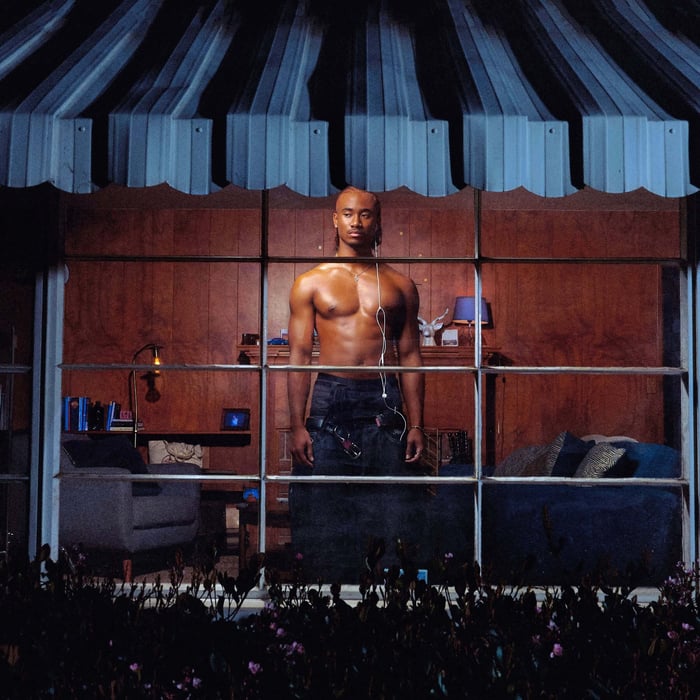
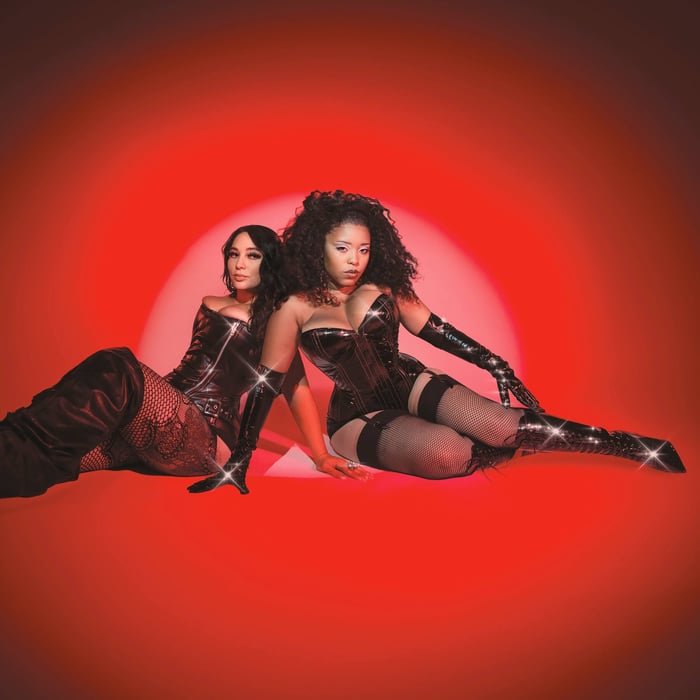
If this record’s cover is living in your head the way it did in mine, you can grab an album-cover poster vibe for your wall at our store: https://www.architeg-prints.com. It’s a calmer way to keep intense music in the room.
 | DISCOUNTGET 30% OFF*Use code on your next order:
|
* This post may contain affiliate links, meaning we earn a commission if you make a purchase through these links, at no additional cost to you.