Mork Monolitt Review: Black Metal Polished Until It Almost Smiles


 See more Architeg Prints stories on Google.
Mork Monolitt Review: Black Metal Polished Until It Almost Smiles
An opinionated take on Mork Monolitt, where tradition gets sharpened in the studio—and a little raw misery gets left behind.
Let’s be honest about what this album is trying to do
Some albums want to sound like they were recorded in a crypt. Mork Monolitt wants you to picture the crypt, but it also wants the torches placed for maximum dramatic lighting. That’s the real move here: not abandoning Norwegian black metal tradition, but framing it like a finished sculpture instead of a half-frozen confession.
And yeah—MORK have clearly gotten better with time. Not “better” as in sanitized, but better as in more controlled, more sure of which emotions they’re trying to weaponize.
A band aging like wine… but choosing a nicer glass
MORK have been around since 2004, and Monolitt lands like the work of a band that knows exactly which old rules are worth keeping. The album balances those ancient black metal instincts—melancholy, darkness, that evergreen “you’re not supposed to be comfortable here” vibe—with fresher ideas that keep it from feeling like cosplay.
The arguable part: I don’t think this is a “return to roots” album at all. It’s a continuation album. It’s MORK taking what already worked and tightening the grip, like they’re daring the scene to admit craft matters as much as frostbite.
The post-*Syv* confidence is real, and it changes the posture
Coming off Syv (2024) and the touring that followed—through the Far East and Australia—Monolitt doesn’t sound like a victory lap. It sounds like Thomas Eriksen refusing to sit still for even a second. This time he’s backed by Asgeir Mickelson on drums, plus guest vocalists, and the lineup choices don’t feel like “let’s add names.” They feel like a practical decision: if you’re going to make black metal that hits harder and reads clearer, you need players who can execute without smearing the intent.
Each track is cut from the same blackened stone, sure—but it doesn’t wander in circles. The album keeps pivoting between:
- crushing 90s sensibilities (the bone-structure)
- atmospheric darkness (the fog machine)
- flashes of MORK’s black ’n’ roll streak (the smirk in the corner)
A reasonable listener could argue it’s all one mood with different outfits. I don’t hear it that way. I hear Eriksen testing how many shapes he can carve out of the same bleak material.
The production: still a forest… just more carefully mapped
Here’s the most immediate shift: the production. The record is unmistakably MORK—moody, melancholic, rooted in tradition—but Monolitt carries itself like it’s been deliberately sculpted in a studio. It still gives off that “conjured deep in a freezing forest” feeling, except now the blizzard has a sound designer.
This is where my first impression got corrected. At first I thought the cleaner edge would kill the atmosphere. On second listen, I realized it doesn’t kill it—it redirects it. The bleakness isn’t gone, it’s just less feral.
That said, the trade-off is real, and it’s my one mild complaint: some of the rawer misery that defined earlier MORK releases feels slightly sanded down. Not erased—just… less dangerous. If you live for the feeling that the recording itself might collapse, you might miss that.
And I’ll admit I’m not totally sure whether that loss of bleakness is a flaw or just the cost of getting this precise. Depends what you want black metal to prove.
“Under Vekten Av Verden” opens the door the old way—on purpose
The opener, “Under Vekten Av Verden,” is MORK planting a flag in classic Norwegian black metal soil. Harmonious melodies roll in like they’re paying respect to the genre’s greats, but it doesn’t feel like a tribute act. It feels like a statement: we can still speak this language fluently, and we don’t need to sound messy to sound true.
Arguable take: the song isn’t trying to be the most memorable moment on the album—it’s trying to be the moral baseline. It’s the album telling you, “Relax, we know what we’re doing.” Whether that’s reassuring or slightly conservative depends on your tolerance for tradition.
“Ødelagt” is the album showing its actual teeth
Then “Ødelagt” comes in and complicates the story. This is where Monolitt starts flexing its more intricate side—one of the album’s most complex compositions, and it wears that complexity like armor.
You get roaring drums and soaring riffs, but the real trick is how the track drops into those lower, suffering passages—thick, oppressive, and frankly nasty in the best way. It’s the contrast that sells it. The song doesn’t just blast; it broods, then lunges.
Arguable take: “Ødelagt” is where the album becomes less about nostalgia and more about control. It’s black metal arranged like a pressure system—high winds, then sudden oppressive weight. And it’s exactly the kind of song that makes you understand why this band keeps holding attention in the modern scene.
“Jutul” doesn’t negotiate—it kicks the gate down
“Jutul” storms in immediately, like it’s allergic to patience. Speed, grit, intensity—no warm-up lap. The first seconds don’t “build atmosphere”; they take it.
This is also where that refined production pays off: the violence reads clearly. You can actually track the momentum instead of hearing it as one long blur. Some purists will argue that’s the wrong kind of clarity for black metal. I get the argument—I just don’t buy it here. The impact is still there; it’s just aimed.
When Monolitt gets unpredictable, it gets more human
“Torden” is the cleanest curveball—and it shouldn’t work (but it does)
“Torden” feels different from what surrounds it. The melodies lift upward. There’s an unusual cleanliness to it—almost like the song is letting light in through a crack it swore it would keep sealed.
And yet it still carries the weight and power you expect from MORK. It doesn’t suddenly become cheerful; it becomes strangely open. Arguable take: this track proves MORK aren’t just committed to darkness—they’re committed to drama, and drama sometimes needs contrast to stay sharp.
This was another moment where I kept waiting for the song to betray the album’s tone. It never does. It just changes the angle.
“Utryddelse” closes like a film ending that refuses to fade out
Album closer “Utryddelse” arrives with a cinematic introduction—one of those openings that makes you sit up like, “Okay, you’re going to finish this, not just stop.”
Then it releases cathartic guitars and attacking riffs, tying the record together with the kind of conclusion that doesn’t just wrap themes—it tightens them. The final riff is the real closer: brain-melting, lingering, the kind of phrase your mind replays after the music’s gone silent.
Arguable take: “Utryddelse” isn’t merely a strong ending—it’s the album’s way of proving the refined studio sculpting wasn’t a cosmetic choice. The closer sounds designed to haunt you, not just impress you.
Eriksen’s real strength is that he won’t let MORK become a parody of itself
What’s most impressive across Mork Monolitt is Eriksen’s relentless creativity. Over the past decade, the sound has evolved without losing the band’s identity—no awkward reinvention, no trendy detours that smell like panic. The signature qualities that make MORK compelling are still here, and they give Monolitt the same lasting pull as the earlier records.
Arguable take: the reason this works is because the album doesn’t chase “new.” It chases sharper—sharper writing, sharper execution, sharper pacing between brutality and atmosphere.
And there’s a funny seasonal contradiction baked in. This kind of record feels slightly wrong under looming summer sunshine. But when darker nights creep back in, Monolitt will feel perfectly at home—like it was always waiting for the world to match its temperature.
So where do I land on it?
If I’m being blunt, I’d put it at an 8/10 kind of listen—not because it’s flawless, but because it knows what it wants and mostly gets it. The places where it smooths off the bleak edges are the only spots that made me hesitate. Everything else feels deliberate, heavy, and surprisingly replayable for an album that clearly doesn’t care if you’re having “fun.”
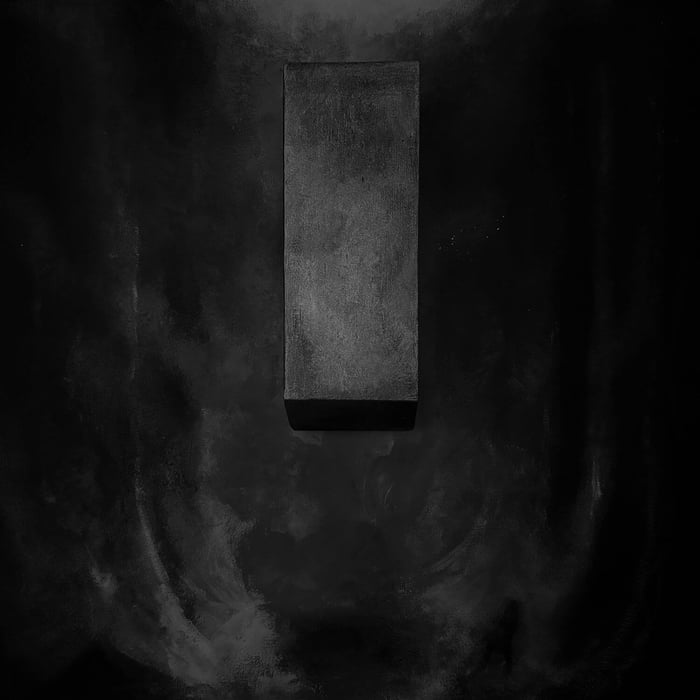
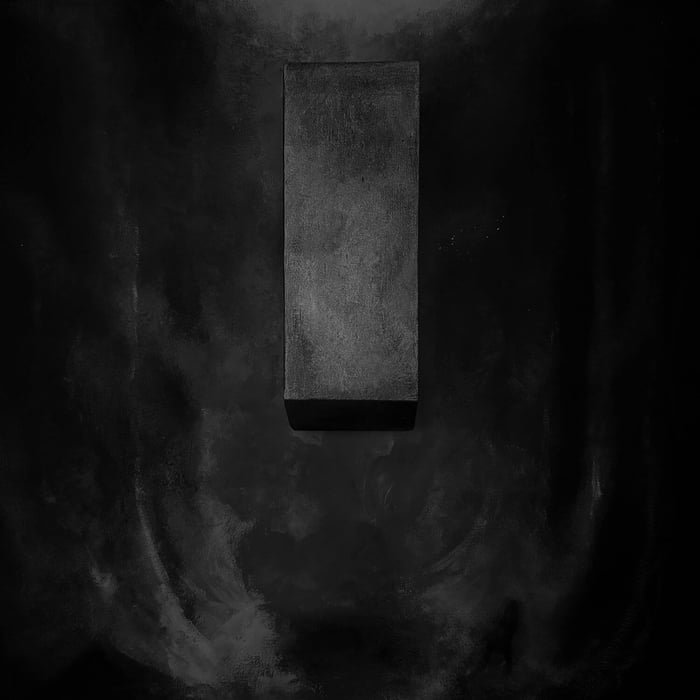
Monolitt is out now via Peaceville Records.
Conclusion
Monolitt is MORK tightening the screws: less raw desperation, more shaped menace, and a clearer sense of when to lunge and when to suffocate. It’s still black metal from the forest—just mapped with better tools.
Our verdict: People who like black metal that actually sounds intentional will love this—especially if you enjoy mood changes like “Torden” without feeling betrayed. If you need everything to sound half-ruined and barely contained, you’ll grumble about the polish and call it “too refined” while secretly replaying “Ødelagt” anyway.
FAQ
- What is the core vibe of Mork Monolitt?
It’s classic Norwegian black metal spirit with a more sculpted studio presence—still cold, just less messy. - Does Monolitt sound raw like earlier MORK releases?
Not as raw. The atmosphere is still there, but some of the earlier bleakness is traded for clarity and control. - Which tracks feel like the album’s key moments?
“Under Vekten Av Verden” sets the traditional foundation, “Ødelagt” shows the most complex writing, and “Utryddelse” seals the record with a lingering final riff. - Is there any surprise on the album or is it all straightforward blasting?
There’s surprise—especially “Torden,” which leans into cleaner, uplifting melodies without losing weight. - Who is involved on this release besides Thomas Eriksen?
Asgeir Mickelson handles drums, and there are guest vocalists contributing to the album’s scope.
If you’re the type who bonds with album artwork as much as riffs, you can always grab a favorite album cover poster for your wall at our store: https://www.architeg-prints.com/
 | DISCOUNTGET 30% OFF*Use code on your next order:
|
* This post may contain affiliate links, meaning we earn a commission if you make a purchase through these links, at no additional cost to you.