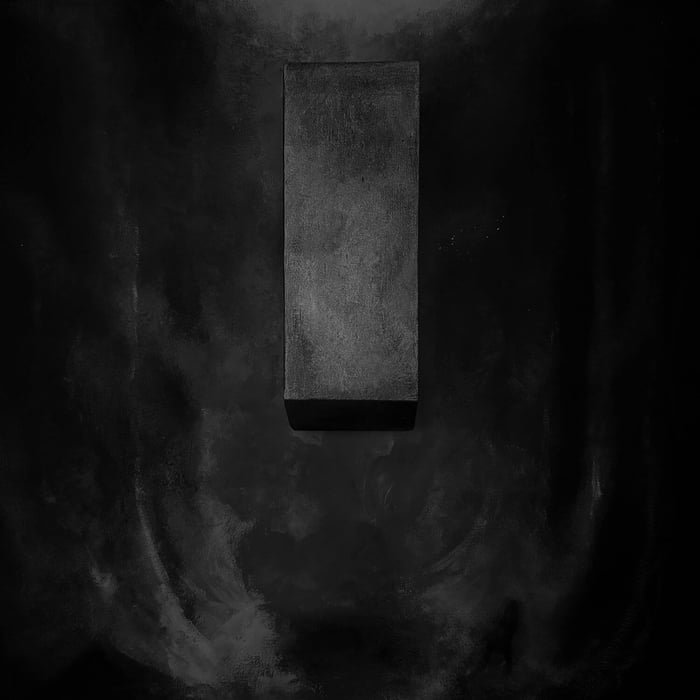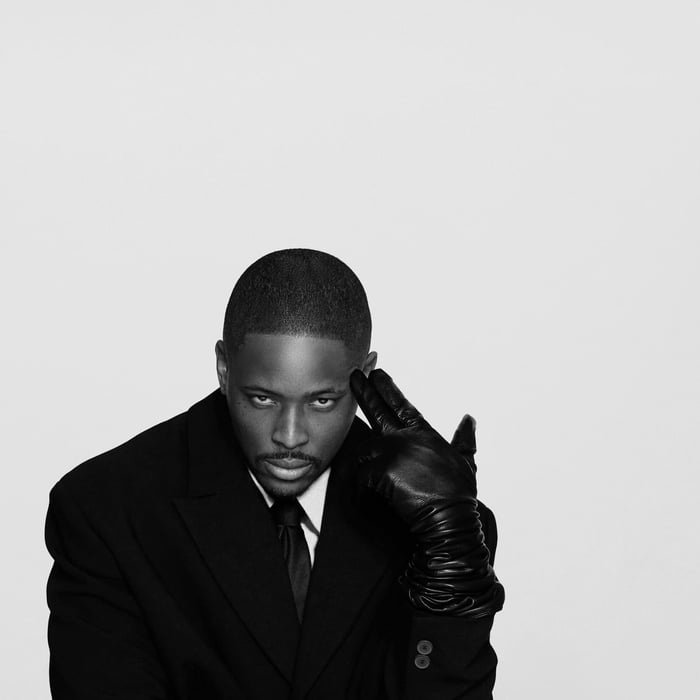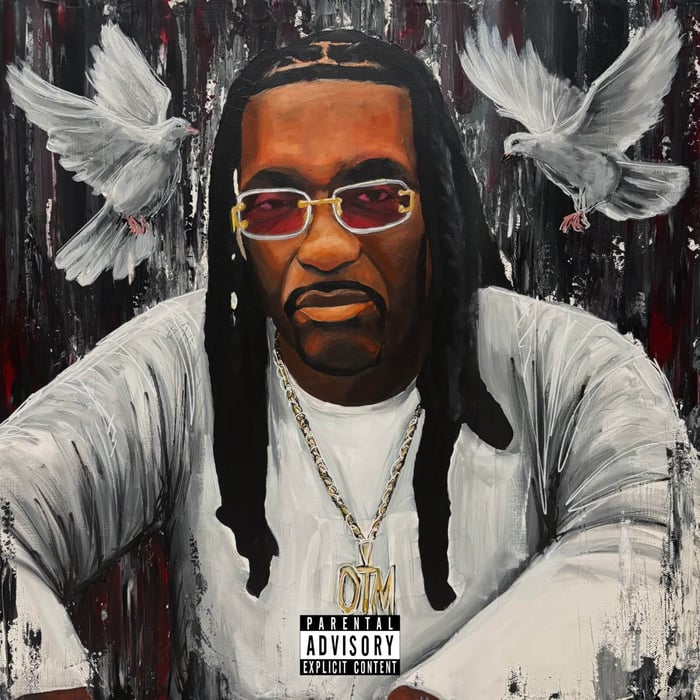
Hustlin Ain’t Album Review: Sha Hef Makes Guilt Sound Like a Flex


 See more Architeg Prints stories on Google.
Hustlin Ain’t Album Review: Sha Hef Makes Guilt Sound Like a Flex
Hustlin Ain’t isn’t a victory lap—it’s a man praying with one hand and counting money with the other, hoping nobody (including God) notices.
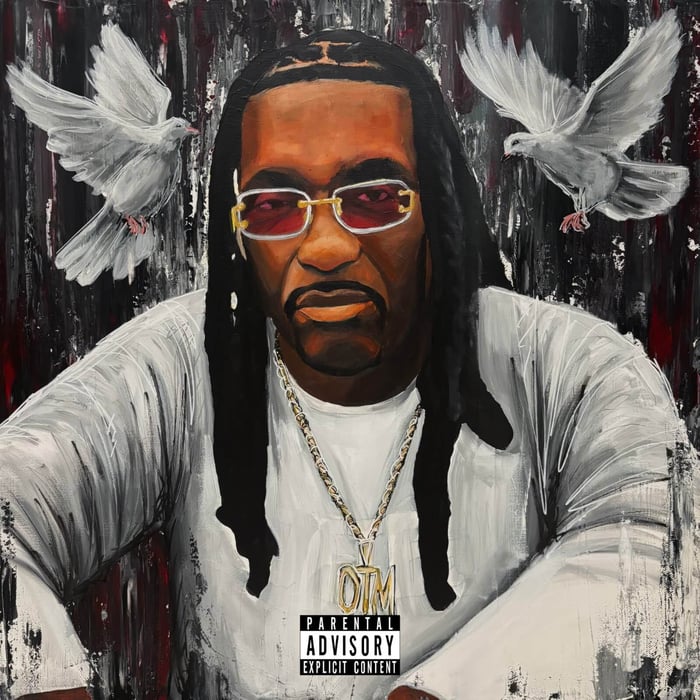
This record doesn’t “open up”—it interrogates you
Most rap albums want you to believe the artist is untouchable. Hustlin Ain’t does the opposite: it keeps touching the bruise to see if it still hurts.
Sha Hef comes back from five years inside with a brain that won’t shut up. Not in a “growth arc” way, either—more like someone who’s realized the rules might actually apply to him, and now he’s trying to argue his way out of spiritual consequences. The strange part is he doesn’t play it like a redemption story. He plays it like a courtroom cross-examination where the witness is his own conscience, and the judge might be listening.
And yeah, I expected the usual post-bid tough talk at first. But a few tracks in, it hit me: the tough talk is the cover charge for the real show, which is panic dressed as composure.
Prayer sits right next to the cage—and that’s the point
Here’s what Sha Hef keeps doing, almost compulsively: he puts prayer in the same frame as violence and survival, like they’re roommates who hate each other but can’t afford to move out.
On the title track, he flips a child’s bedtime prayer into a working-man’s talisman—“Now I lay me down to sleep / Pray the Lord that pole I keep”—and it lands because he doesn’t say it like a clever bar. He says it like a routine. Like something you mutter before you step outside, the way other people pat their pockets for keys.
Then he asks the question he can’t stop asking: is there a heaven for people who did what he did? Not “did I do wrong,” exactly—more “does any of this disqualify me permanently?” That’s the real anxiety underneath the hustler code. Choosing twelve jurors over six pallbearers isn’t just a street proverb here; it’s the logic of a man who’s already seen where both choices lead.
“The Pinnacle” comes in like a receipt. No dramatic fog machine—just the charge, flatly said: five years for gun possession and trafficking. And the heavier sentence isn’t even the time; it’s the betrayal. He spits about people leaving him for dead, and the line sticks because it’s not revenge fantasy. It’s resignation: he can’t pull the knife out of his back and hand it back like it’s no big deal. That’s not “forgive and forget.” That’s “I’m still bleeding, don’t rush me.”
“Adding Up” boils the whole bid down to “twenty-three and one,” and if you’ve ever heard someone say that, you know it’s not a lyric flourish. It’s a measurement of life shrinking.
A reasonable person could argue this album is “about prison.” I think that’s too neat. It’s about what prison does to time: it turns every brag into a way to kill minutes, and every prayer into a way to survive them.
He stays funny so the darkness doesn’t win
If Sha Hef wasn’t funny, this album would collapse under its own weight. The humor isn’t optional—it’s oxygen.
He’ll toss out a line like “I feel like Pat Mahomes,” and he means it as a slick metaphor for a quick, efficient hand-to-hand transaction—two people, one exchange, perfectly executed. It’s ridiculous and kind of brilliant because it shrinks a whole illegal economy into a sports reference without sounding like he’s trying to impress English class.
On “LIDS,” he jokes about “collecting all these hats” like he works at a hat store, except the punchline has a shadow: hats for heads, trophies disguised as retail banter. He builds whole verses out of that kind of turn—wordplay that doubles as confession.
“Adding Up” is where he really shows the craft. He stacks rhyme families—“-ation” on top of “-ation”—until it feels like he’s piling evidence on the table. Illustration to inspiration to vindication, just hammering the same sonic shape until it becomes a rhythm of obsession. Someone could say it’s show-offy. I hear it more as nervous energy: when your mind won’t stop, you start organizing chaos into patterns.
That said, the humor doesn’t always pay off. “Respectfully” is where the flex talk starts to wobble. The verse about lobster, shrimp, chartered flights—on paper it’s standard rap luxury language, but here it feels like he’s aiming punchlines at targets that already stopped moving. I kept waiting for it to reveal something sharper about him, and it mostly just… keeps going. Not a disaster, but it’s the one moment where the album sounds like it’s wearing someone else’s chain.
The production gives him space to confess without begging
With a rapper who crams this many ideas into a bar, the beats can’t be greedy. The producers here mostly understand that. They build sturdy floors, not chandeliers.
On “Rob Who Take What,” Sha Hef name-checks the moment like a ritual: “Frost sent me this beat, and then I went and cut the stove on.” He’s tying the act of rapping directly to cooking—music as manufacturing, beat as raw material, verse as product. The Harry Fraud tag (“La música de Harry Fraud”) shows up on multiple tracks—“Rob Who Take What,” “Gotti,” “Elephant Man”—and the sound does that Fraud thing: clean, confident loops that don’t crowd the vocal. Fraud isn’t trying to outshine Sha Hef; he’s giving him a lane and letting him speed.
The rest of the record is dominated by Grimm Doza, Nicholas Craven, and 183rd, and the common thread is restraint. Nobody fights him for the center. Even a line as packed as “Me, my double cup, and a zip the holy trinity” lands clearly because the production doesn’t smear it with extra noise.
You could argue these beats are too comfortable, too “expected” for this lane of rap. Maybe. But I think the comfort is deliberate: Sha Hef needs the ground stable because he’s already unstable in the head. The music isn’t there to create drama—the drama is already in the words.
The features don’t visit; they reveal different versions of him
The guest verses feel like people walking into the same room and reacting to Sha Hef’s atmosphere in totally different ways.
Ab-Soul shows up on “Elephant Man” sounding like he’s talking himself into cosmic order. He’s not just rapping; he’s philosophizing out loud—restoring order out of chaos, reframing the dealer as a kind of universal principle. There’s a line about being an inch away from selling “yola” until he “became yola,” and it’s wild because it treats transformation like myth. A listener could say it’s overwrought. I think it works because it matches the album’s underlying question: what do you become after you’ve done what you’ve done?
Jay Worthy on “Fireflies” does the opposite. He drags the story back to one corner, one memory. He reminisces about knowing Sha Hef before the bid—specific streets, specific prices—and then flips it to the present: owning a new house, steak dinners, no carryout. It’s the only moment where Sha Hef appears inside someone else’s nostalgia, and it does something Sha Hef can’t quite do for himself: it makes him human without him having to admit he wants that.
Then ANKHLEJOHN shows up on “Cocaine Choir” and takes the church imagery and runs it straight to the altar. The line about not bringing a U-Haul behind the hearse turns the trap-sermon idea literal—no metaphors left to hide behind. Where Sha Hef flirts with the trap-God angle, ANKHLEJOHN marries it in public.
If you think features are just playlist bait, this album disagrees. The guests aren’t decorations; they’re mirrors—each one reflecting a different excuse, a different regret, a different theology.
The album’s ugliest contradiction: women as props next to prayer
Here’s where the album gets uncomfortable in a way that doesn’t feel intentional. There are lines that get read as “bold” or “edgy,” but they’re really just templates for disposable women—use, discard, move on.
The “Fireflies” hook includes a line about telling a woman to open her mouth and not having time for abortions. Jay Worthy drops it right after a warning that dying over a woman will get you killed. That whiplash isn’t clever; it’s bleak. It treats women as both threat and tool, like they’re hazards on the road to money.
What surprised me is how little Sha Hef seems to notice the antagonism there. The same album that’s obsessively asking for heaven also turns a woman’s body into a punchline and moves on like nothing happened. On “Respectfully,” there’s a moment where a woman says she’ll do anything he wants, and he says he just wants cash—played like humor, like a cute little shrug. But it lands colder than it probably meant to.
You could argue this is just genre convention. I don’t buy that excuse. On an album this obsessed with moral accounting, those lines don’t feel like character—they feel like avoidance. And avoidance is kind of the whole disease here.
“Gotti” turns bragging into prison math
“Gotti” is where the album’s boasting suddenly reads differently. The hook—“Monday I’m all alone… and it’s a blue Monday”—doesn’t just set mood. It points out isolation. He’s the only one in the room. Then he kills time the only way he knows how: taking “five hundred blue strips” and counting them for no reason except to do it.
On the next listen, that detail stopped sounding like a flex and started sounding like a symptom. He’s got a cash counter that gets used a lot. He’s got money stuffed in a fridge because there’s nowhere else to put it. All that counting looks eerily like a man in a cell scratching days into a wall—except now the tally marks are bills.
And that’s the sneaky thesis of Hustlin Ain’t: the money was never the point. The point was keeping his hands occupied while he waits for some kind of verdict—street verdict, court verdict, divine verdict, take your pick.
If you think this album is pure victory music, I honestly think you’re missing the tremor underneath it. The swagger is just a way to stand still without falling over.
Favorite moments that actually tell you what the album is doing
Not a ranking—more like proof-of-life snapshots where the intent becomes obvious:
- “Hustlin Ain’t a Sin”: the prayer/weapon pairing isn’t a gimmick; it’s his daily operating system.
- “Cocaine Choir”: the church language stops being metaphor and starts being judgment day.
- “No Discussion”: the title alone feels like self-defense—like he’s tired of explaining the same survival logic to people who want a cleaner story.
Someone could disagree and say the album is just mood rap with crime talk. I hear a man trying to negotiate with God using the only vocabulary he’s practiced.
Sha Hef doesn’t sound like he’s asking to be forgiven. He sounds like he’s asking if forgiveness is even a real option for someone who kept praying while doing what he did.
Our verdict: People who like rap that feels like a late-night conscience spiral—where jokes and guilt share the same couch—will get what Hustlin Ain’t is doing. If you want “uplifting growth” or clean moral clarity, this album will annoy you on purpose. It’s not here to rehabilitate anybody; it’s here to keep the ledger open and stare at it until it blinks.
FAQ
- Is Hustlin Ain’t a Sin more reflective than Sha Hef’s earlier vibe?
Yes, but not in a tidy “I’ve changed” way. It’s reflective like someone replaying the same argument until they find a loophole. - Does the production ever overpower Sha Hef’s rapping?
Rarely. The beats mostly stay disciplined so his densely packed lines don’t get buried. - Which track shows the album’s core conflict best?
“Hustlin Ain’t a Sin” puts prayer and paranoia in the same breath, which is basically the whole record. - Do the features feel necessary or just added for shine?
Necessary. Ab-Soul, Jay Worthy, and ANKHLEJOHN each drag a different “meaning” out of Sha Hef, like three witnesses testifying about the same man. - What’s the biggest weak spot on the album?
When the luxury talk and certain lines about women lean on lazy habit instead of the sharper self-interrogation the album is capable of.
If you want a physical reminder of this album’s mood—money, faith, and tension all pressed into one image—consider grabbing a favorite album cover poster from our shop: https://www.architeg-prints.com
 | DISCOUNTGET 30% OFF*Use code on your next order:
|
* This post may contain affiliate links, meaning we earn a commission if you make a purchase through these links, at no additional cost to you.