Trapper’s Alley 3 Review: Boldy & Craven Make Misery Sound Casual


 See more Architeg Prints stories on Google.
Trapper’s Alley 3 Review: Boldy & Craven Make Misery Sound Casual
Trapper’s Alley turns street rap into a refrigerated confession booth—calm voice, sharp details, and a few jokes that almost shouldn’t land.
This album doesn’t “set a mood”—it traps you in one
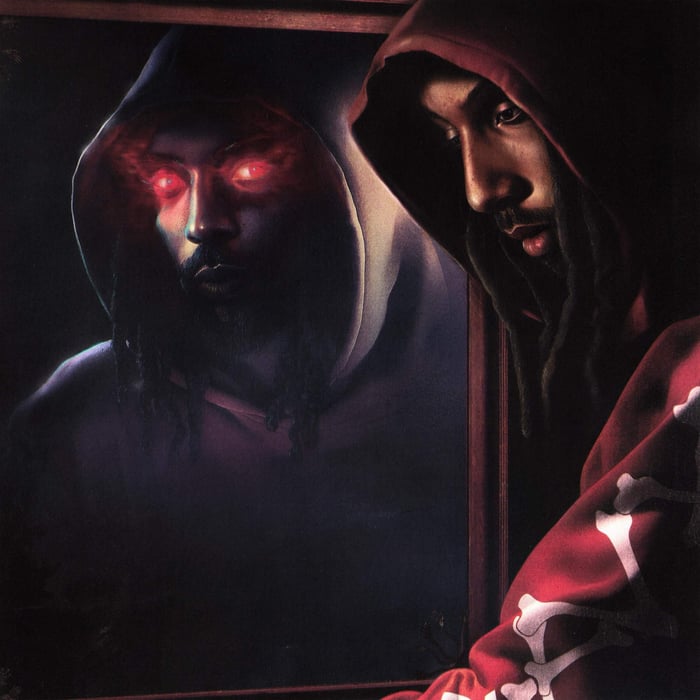
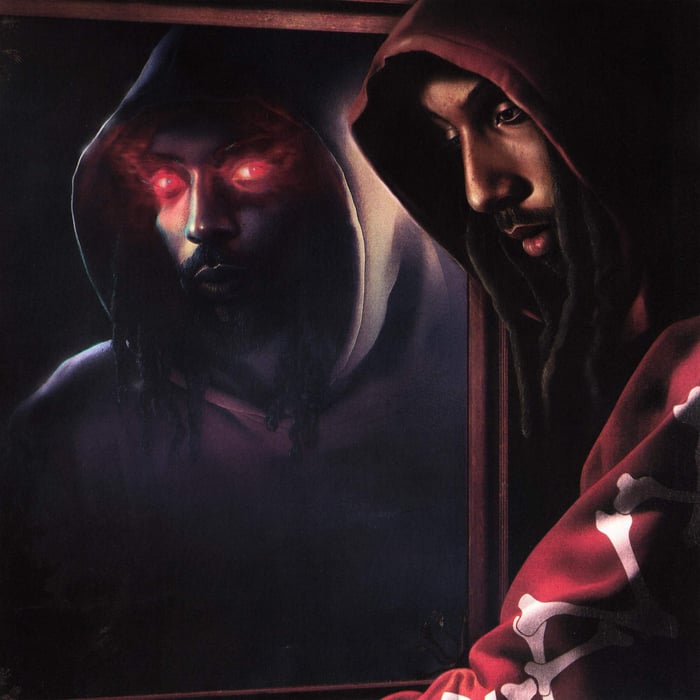
Three projects deep with the same producer is usually where rappers start coasting. You can hear the comfort: the same sample glow, the same respectable drum swing, the same “we’ve got chemistry” shrug. That’s not what happens here. On Trapper’s Alley 3, Boldy James and Nicholas Craven don’t sound cozy—they sound committed to making the room colder and pretending it’s normal.
Craven’s production doesn’t hold your hand. It’s loops that don’t evolve so much as hover, like a streetlight that never turns off. Boldy treats those beats less like open space and more like containment—like the music is a padded cell where he can store everything ugly without raising his voice. And the scariest part is how little effort he seems to spend sounding scary.
The record feels like winter in Wayne County where the sun drops early and the consequences show up faster than the weather report. That’s not a metaphor the album politely suggests. It’s what the sequencing and tone keep insisting on, track after track.
Craven’s “get out of the way” approach is the point—until it isn’t
Here’s the unflashy trick Craven pulls: he lays down a beat and refuses to decorate it. The samples flutter in and out with almost no interest in transformation. It’s a stubborn formula, and on this album that stubbornness reads like intent—like Craven is building a plain, hard surface so Boldy’s details can hit without echo.
I kept waiting for some switch-up—some moment where the production would crack open into color—and it mostly doesn’t. At first I thought that was going to make the whole thing blur together. On second listen, I realized the blur is part of the strategy: the world Boldy’s describing doesn’t offer cinematic transitions. It just… continues.
Still, I’ll say it: the sameness can flatten a few moments that should feel like they’re changing temperature. When the beat refuses to react, the listener has to do the emotional work alone. Sometimes that’s powerful. Sometimes it’s just a little numbing.
“Summer’s Eve” and “Mama Maxine” aren’t songs so much as evidence
Boldy has said bleak things before, but “Summer’s Eve” lands like a door closing. The line about having “murder on my mind” doesn’t come off as posturing—it plays like pain with nowhere to go. When he brings up his brother being killed and finding someone dead, he doesn’t perform grief. He documents it. That calm is the real horror: he delivers trauma like he’s reading it off a form he’s filled out too many times.
Then “Mama Maxine” pushes that darkness back a generation. The hook from 218Bojay doesn’t just “add emotion”—it carries the kind of weight that makes the rest of the album’s jokes feel risky. The writing is blunt about family legacy and what gets passed down. Boldy slips in a detail about his little brother getting shot down the hall from someone—eight houses from a door—and he says it with the detached steadiness of a coroner. No dramatic pause. No throat-catching emphasis. Just the information, delivered like the world already moved on.
An arguable take: these are the album’s real center. Everything else—flexing, pun runs, alter egos—feels like coping mechanisms orbiting these two tracks, not equals sitting beside them.
Boldy’s superpower is sounding bored while describing catastrophe
Craven gives him space, and Boldy uses it in a specific way: he never begs you to feel something. He just drops lines that land because they’re said like ordering lunch. On “Death & Taxes”, he tosses off something like “they thinking we the same… I’m not even human” with a casualness that turns the bar into a personality disorder. It’s funny for half a second—then it isn’t.
And on “My Last Try”, he frames love like a transaction you can’t exit. The line about not being able to walk away because he doesn’t have the heart reads like a love song if you squint, but it plays more like obligation, a deal you signed and now can’t get out of. That’s Boldy’s whole thing on this album: he’ll use familiar language, then reveal it’s actually about traps—romantic, legal, street-level, psychological.
If you want your rap heartfelt in the traditional sense—big crescendos, big confessions—this album will feel emotionally stingy. I’m not even fully sure Boldy wants you to feel close to him. He wants you to understand the shape of the cage.
“Hamburger Helper” is cartoon violence—and it almost floats away
“Hamburger Helper” is Boldy being Boldy: a parade of “Teddys” that turns into wordplay gymnastics. Teddy Bundy, Teddy Ruxpin, Teddy Riley—he builds a whole shelf of references, then pivots into that ridiculous Teletubbies flip (“sipping Barney with this Baby Bop…”), like preschool characters are getting counted like casualties.
It’s clever. It’s also weirdly light.
That’s the contradiction: when the album is giving you songs like “Summer’s Eve” and “Mama Maxine,” the pun-based verses start to feel like a different album leaking in—one where Boldy is entertaining himself to avoid saying something too raw. And yes, I enjoyed those “nuggets of wordplay.” But I didn’t always believe them. Next to the grief-heavy tracks, the cartoon menace can come off like a mask that fits a little too comfortably.
An arguable statement: the jokes don’t make the album darker; they make it safer—for him, not for you.
“Powerhouse” shows how punchlines can run out of oxygen
“Powerhouse” starts with a strong idea: pile puns about “power,” turn the word into a gimmick, then let Boldy and the guests stress-test it. Early on, it works because the lines are sharp and the phrasing has bite.
But eventually the track dissolves into sameness. Too many puns in a row start to feel like a screensaver—movement without progress. That’s one of the few spots where the album’s refusal to “develop” feels less like a choice and more like a limitation.
And then Boldy does something that almost saves it: he drops the cleverness for blunt brutality—“keep on dumpin’ ’til your top bustin’”—and calls it “singing war.” That’s not just violence; it’s violence described like routine labor. The track’s hook even toys with the implications of physical beatings, then shrugs them off with the same levity as the punchlines. That shrug is the point, I think, but it’s also the part that lost me for a minute. There’s a thin line between numbness as truth and numbness as a crutch.
The guests bring color Boldy refuses to use
On “Beautiful Snow,” Chip$ sets the table with a hook that’s gritty and specific—half a brick, flickery cable—and then Boldy walks in like the temperature just dropped five degrees. Boldy’s verse stretches the cocaine/snow metaphor until it turns into something weirdly delicate: a souvenir snow globe. That’s the kind of image he’s good at—taking a street shorthand and twisting it into an object you can hold, shake, and stare at.
Then there’s Lethalias Grain on “Powerhouse”, turning in the most energetic guest moment on the record. The Michael Jackson flips—moonwalk imagery, glitter jacket details, even the “stick like a Quidditch team” line—hit with a vividness Boldy refuses to reach for. It’s not that Boldy can’t paint like that. It’s that he chooses grayscale. The guests show up with neon and remind you grayscale is a decision.
An arguable take: the features don’t out-rap Boldy—they out-*animate* him. And he lets them, because he’s not trying to win a performance contest. He’s trying to stay ice-calm.
Alter egos everywhere… because the real guy is harder to look at
Boldy stacks personas like he’s wearing layers for the weather: big creature like the kraken, Mr. 227, Mr. Price of Tea, Creature Gang. It’s almost comedic—like he’s naming action figures—but it’s also defensive. Each name is a way to speak at a distance.
On “Don’t Tell Me,” that distance becomes a rule: an inflexible anti-snitch pact spelled out plainly. No nuance, no moral debate, just a line in the sand. Boldy doesn’t dress it up—he makes it sound like basic hygiene. That’s the scary part. The code isn’t dramatic; it’s routine.
Then “False Accusations” makes the mask feel porous. He runs through charges—some justified, some exaggerated—everything from felon-in-possession to cheating to bodies he says he didn’t catch. The effect isn’t “look how hard I am.” It’s more like being stuck in a cell while your face cycles through the evening news, and you can’t tell which version of you the world has decided is real.
I’m not totally certain whether Boldy wants sympathy here. It doesn’t sound like he’s asking for it. It sounds like he’s listing what’s already been assigned to him.
“Grinding My Gears” is where the jokes finally crack
By the time “Grinding My Gears” hits, something changes: the persona hesitates. For the first time, the punchlines don’t arrive like a reflex. There’s a pause in the delivery that feels like the mask slipping because it’s tired.
And what’s underneath is bleak—an admission that crime wasn’t treated like some dream lifestyle, more like a track he got stuck on. He talks about lost days, forgotten prayers, and the unanswered question of why he’s still breathing while others aren’t. The line about his father promising he’d have to “face the music one day, but not today” lands like the only honest comfort he’s allowing himself: postponement as survival.
An arguable statement: this is the album’s most revealing track not because it’s the most detailed, but because it’s the least protected. When the wordplay fades, the record suddenly feels less like a “trapper” series entry and more like a man stalling out the inevitable.
Where this leaves Trapper’s Alley
If you come to Trapper’s Alley 3 looking for triumph, you’re going to get something closer to endurance. It’s an album that keeps its pulse low even when the content is lethal. Craven’s beats act like fluorescent lights—cold, steady, unflattering. Boldy’s voice is the calm narrator of his own worst footage.
And yeah, a few of the pun-heavy stretches go down easy and then evaporate, especially next to the generational trauma of “Mama Maxine.” But maybe that’s the honest contradiction: sometimes the jokes are what people use to keep the room from collapsing.
Favorite tracks: “Summer’s Eve,” “Mama Maxine,” “Grinding My Gears”
Trapper’s Alley doesn’t try to win you over. It tries to prove it can stay standing while everything around it falls apart, and it mostly succeeds by refusing to raise its voice.
Our verdict: This album will actually hit for listeners who like rap that sounds emotionally refrigerated—minimal beats, maximal consequences, zero performative crying. If you need big hooks, dynamic production arcs, or a main character who acts like he’s in pain, you’ll think Trapper’s Alley is sleepwalking. It is, but that’s kind of the problem it’s describing.
FAQ
- What is the core vibe of Trapper’s Alley 3?
Cold loops, calm delivery, and bars that treat violence and loss like routine paperwork. - Does Nicholas Craven switch up the production a lot here?
Not really. The steadiness feels intentional, but it can blur a few tracks if you want bigger changes. - Which songs carry the heaviest emotional weight?
“Summer’s Eve” and “Mama Maxine” feel like the record’s real emotional spine. - Are the punchline-heavy tracks worth it?
Yes, but they can feel lighter than the grief-focused songs. That contrast seems deliberate, even when it’s uneven. - Where should I start if I’m new to this album?
Start with “Mama Maxine,” then “Grinding My Gears,” then circle back to the more jokey cuts once you’ve got the temperature.
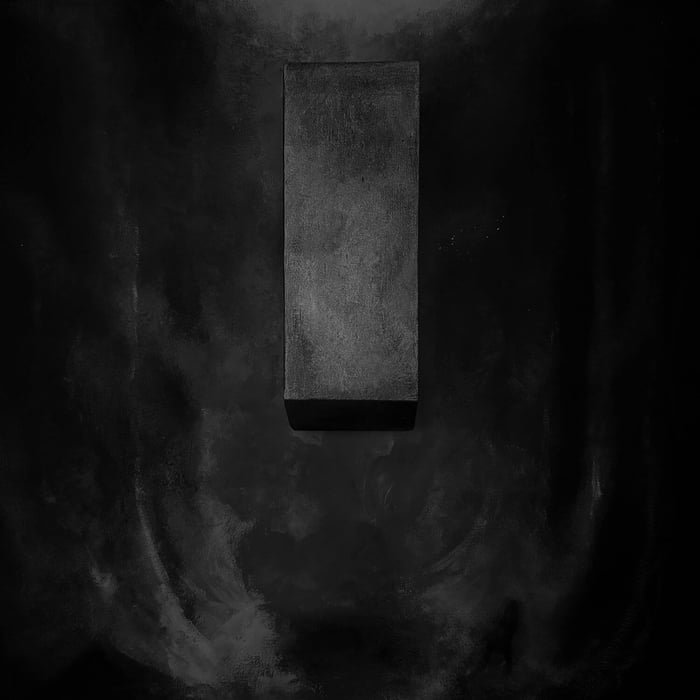
If this record’s bleak little universe stuck with you, a good album-cover poster is basically the only way to make that cold look intentional on your wall. You can grab one you actually want to live with at our store.
 | DISCOUNTGET 30% OFF*Use code on your next order:
|
* This post may contain affiliate links, meaning we earn a commission if you make a purchase through these links, at no additional cost to you.