Exploring Birdsong’s Every House We Built Is Pop-Prog With a Hidden Knife


 See more Architeg Prints stories on Google.
Exploring Birdsong’s Every House We Built Is Pop-Prog With a Hidden Knife
Exploring Birdsong turns soft synth-pop into a haunted mansion—Every House We Built makes you dance, then checks your pulse.
A record that acts friendly… until it doesn’t
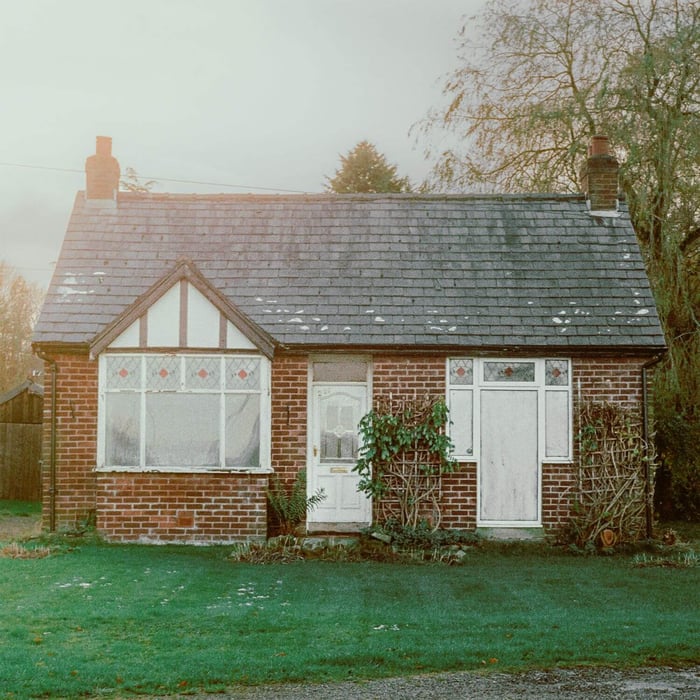
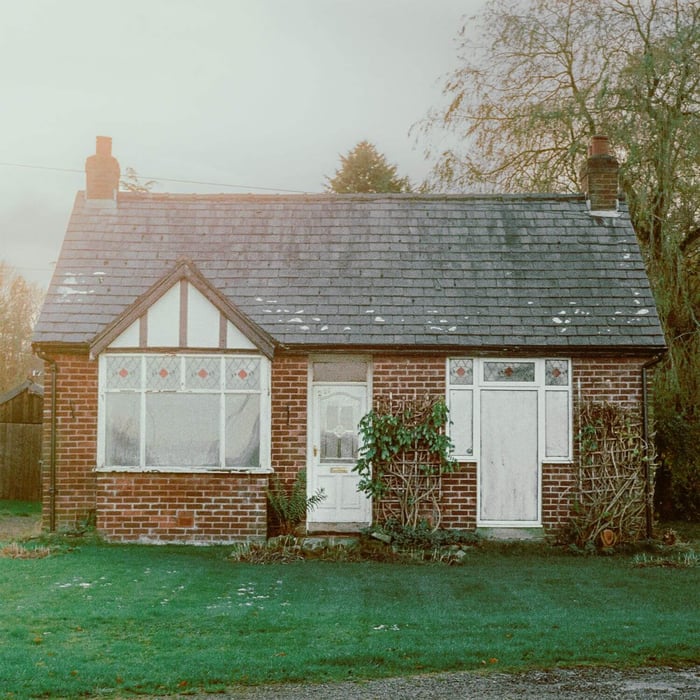
Some albums try to impress you. This one quietly rearranges your mood while you’re still deciding whether you even like the first track. Exploring Birdsong built Every House We Built like a welcoming place with good lighting—then they start showing you the rooms they don’t mention in the listing.
I went in expecting “cinematic,” because that’s the obvious adjective here, but what I heard was tighter and braver than that: pop structures carrying prog emotions, hooks doing the heavy lifting, and a constant sense that the band is baiting you with comfort so they can get away with something darker later.
“Archipelago” opens the door and leaves it unlocked
The first trick happens immediately. “Archipelago” starts with Lynsey Ward sounding haunting in a way that isn’t just “pretty sad singing”—it’s the kind of vocal that makes the air in your room feel different. Under her, the trio stacks padding synth, bright keys, and drums that actually hit, and it creates this warmth that feels deliberate, like they’re trying to earn your trust.
And it works. Too well. I honestly didn’t expect the opener to feel this instantly replayable—my first impression was that it might be an “intro track” that you respect more than you love, but I had to walk that back fast. It’s not setting the stage; it’s already the show.
The bolder point: the album doesn’t “build” from nothing. It begins mid-swell, like you’ve walked into a film ten minutes late and somehow it’s better that way.
Then “42” and “Romanticise” go glossy on purpose
The shift into “42” and “Romanticise” is where Every House We Built shows its real agenda: make the beats shiny enough that you’ll swallow the paranoia without noticing.
“42” feels insular—like the song is keeping you company while also watching you. The synthiness is catchy in that clean, almost glossy way, but it’s paired with a nervous internal pressure. That contrast reads as intentional: sweetness with a flinch.
Then “Romanticise” comes in and, bluntly, it’s engineered to make you beam. The synth pop sheen is so polished it could blind you for a second—until the drums start showing off.
Matt Harrison’s drumming makes “Romanticise” feel alive
Matt Harrison doesn’t just keep time on “Romanticise.” He sprinkles character into the track—little turns and accents that make the whole thing feel fuller than it technically needs to be. It’s tasteful in the way that only counts if you’re listening closely, which is kind of the point: this band rewards attention without demanding it.
There’s also something kind of ridiculous about how the track comes off—like if Imogen Heap decided to write a jazzercise anthem and then got really confident in the bridge. I mean that as a compliment, even if it sounds like a dare. The breakdown is audacious enough that, for a moment, I wondered if it would torpedo the song’s charm. It doesn’t. It punches a hole in the gloss and lets the song breathe.
“Spy In The House Of Love” pulls a weird instrument and wins
After that, the album could’ve coasted on synth gloss and strong choruses. Instead it chooses the stranger move: “Spy In The House Of Love” opens with what I can only describe as a bagpipey intro—an odd, reedy, ceremonial color that shouldn’t sit next to prog-pop lushness.
But it does. And not in a novelty way. It’s more like the band is daring you to accept an “unusual” timbre as normal, then watching you do it.
The parallel that kept hitting me was an alternate timeline where Phil Collins or Kate Bush decided to make a bittersweet progressive rock classic that you could still dance to in your kitchen. That’s the thing: it’s dramatic, yes, but it’s also shamelessly singable—dance-like-no-one’s-watching music that still has a brain.
Arguable claim: this track proves the band’s “cinematic” label is almost too polite—this is theatre-pop with prog muscle, and it likes being seen.
“I_You” makes the shiny parts hurt on contact
If “Spy In The House Of Love” is the theatrical high, “I_You” is the emotional sleight of hand. The instrumentation comes off sweet and bright—glittery with nostalgia—while the lyrics land with that specific kind of honesty that doesn’t ask permission.
That contrast is the magic trick: the music smiles while the words admit what the smile is covering. It’s not “sad song with sad chords.” It’s the opposite. It’s heartbreak delivered in a costume that initially feels safe.
Arguable claim: this is where Every House We Built starts to show its real theme—not love, not loss, but the way people decorate pain so they can live with it.
The album’s “house” metaphor isn’t cute—it’s structural
Halfway through, the record starts behaving like its own title. Up to this point, most of the “rooms” feel bright—places you can sit in comfortably. Even the bluer moments have that bittersweet safety, like sadness that won’t follow you home.
Then you catch details: the cracks in the plaster, wallpaper peeling back. The band doesn’t announce the tonal shift with a big scary intro. It just quietly stops reassuring you.
That’s the power move. And it’s also where I felt a sliver of uncertainty—part of me kept waiting for the album to fully commit to either pop immediacy or prog sprawl. It keeps straddling the line, and while that tension is often the point, it can also feel like the band enjoys the balancing act a little too much.
Arguable claim: the album’s emotional architecture is more important than its individual hooks—and that’s why the later songs hit harder.
“Footprints” vs. “The Warning” — longing in two different climates
“Footprints” and “The Warning” feel like companion pieces, but they’re lit differently.
- “Footprints” carries grief in a wistful, pondering way—like staring at something you can’t return to, but you’re still trying to be gentle with yourself about it.
- “The Warning” takes longing and drags it through a harsher space: haunting, frail strings moving up and down while the rhythm section punches from underneath.
The emotional backdrops are different, but the intent feels shared: longing isn’t romantic here. It’s a condition. Something you inhabit, not something you write poems about.
Mild criticism, while we’re here: the album’s love for texture can occasionally crowd the simplest emotional moments. Sometimes I wanted one fewer layer so the ache could stand there unaccompanied. Not a dealbreaker—more like noticing the band refuses to leave anything bare.
Arguable claim: “The Warning” is the album’s first truly unsettling moment, and it earns it by not overselling it.
“Arrhythmia” turns heartbeat metaphor into actual friction
“Arrhythmia” plays with heartbeats and relationships, and it’s not subtle about it—thankfully. The standout here is Jonny Knight, whose work lives in a satisfying contradiction: guttural energy against sublime melodic lines.
It feels plush and soft and spikey and grungy at the same time, like comfort with grit in its teeth. The song doesn’t just describe imbalance; it sounds imbalanced in a controlled way, which is the only time that metaphor stuff actually matters.
Arguable claim: this track is where the band stops sounding like they’re writing “songs” and starts sounding like they’re building pressure systems.
“You Like It Best When It Hurts” is the basement room
Deep in the manor—yes, that’s what this album becomes—“You Like It Best When It Hurts” sits like a room where something bad happened and nobody’s airing it out. The beauty is aggressive; it cuts while still tasting good. And that breakdown? It’s deliciously mean, like the band finally letting the teeth show they’ve been hiding behind the synth shimmer.
If you’re into the dramatic nostalgia of ’80s bands like Depeche Mode and also like modern progressive weight (the VOLA comparison makes sense in spirit), this is the track that’s going to make you obnoxious about the album. It’s the moment you text someone, “Okay, never mind, this is serious.”
Arguable claim: this song is the album’s most honest moment because it stops trying to be liked.
“Cartography” proves tenderness can hit just as hard
Right after that kind of bite, “Cartography” lands with a softer edge—but it doesn’t land softer emotionally. The gentle strings, rising vocals, and pulsing keys tighten and loosen like a controlled panic: not a tantrum, a plea.
This is where the band shows they know the difference between “quiet” and “small.” The track stays tender, but it doesn’t shrink. It just changes how it applies pressure.
Arguable claim: “Cartography” is more devastating than the heavier track before it, because it refuses catharsis until the last possible second.
The title track is the seed—and it actually earns being the centerpiece
“Every House We Built” (the title track) feels like the record’s pinnacle, and not in the cliché “title track is important” way. It genuinely reads like the idea that everything else grew out of.
The melody is subtle at first—little tinkling phrases—while percussion keeps building underneath, as if the song is stacking emotional bricks in real time. It’s a lament for losing something that used to feel solid, and the slow push into the crescendo is cathartic without turning into melodrama.
Then the cut into “Meadowlands” is seamless enough to feel like a single breath—one of those transitions that makes you respect the band’s restraint. Ending on uplift after that kind of lament is a choice, and it’s a brave one. They don’t wallow. They don’t wrap it up with a neat bow either. They just let the light back in.
Arguable claim: the album’s best “hook” isn’t a chorus—it’s the transition from the title track into “Meadowlands.”
So what is Exploring Birdsong really doing here?
This trio—Lynsey Ward, Jonny Knight, and Matt Harrison—plays like a unit with shared instincts. The care is obvious, but it’s not precious. The album is lush and complicated, sure, but it’s also fun in a way that feels slightly suspicious, like they’re using accessibility as camouflage.
And it’s an easy listen right up until it’s not—right up until you realize you’ve been nodding along to songs that are quietly dismantling your emotional furniture.
If you want:
- a good time with shiny synths and big choruses,
- a good cry that sneaks up mid-bridge,
- melodies that stick without feeling cheap,
Exploring Birdsong loaded Every House We Built with all of it. I’m still not fully sure whether the album wants to comfort me or test me—and honestly, that ambiguity might be the whole design.
Release details (because timing matters)
Every House We Built is set for release on June 26 via Long Branch Records.
Conclusion
Every House We Built sells itself like a bright, cinematic pop-prog debut, then reveals a more specific ambition: to make catchiness carry complicated feelings without warning labels. It’s inviting, messy, and occasionally too decorated for its own good—and that’s exactly why it lingers.
Our verdict: People who like their pop smart, their prog emotional, and their choruses slightly weaponized will love this album. If you need music to pick one mood and stay there—if you hear a bagpipey intro and immediately start writing an angry comment in your head—this is not your house.
FAQ
- What’s the core vibe of Exploring Birdsong on Every House We Built?
Glossy synth-pop surfaces with prog-minded structure, where the bright moments keep cracking to reveal something bruised underneath. - Which track best represents the album’s “pretty but unsettling” balance?
“42” is a strong example: catchy and shiny, yet it carries that inward, paranoid tension. - Where does the album get the heaviest emotionally?
“You Like It Best When It Hurts” feels like the basement—beautiful, aggressive, and not interested in being polite. - Is this an easy listen or a demanding one?
Both. It’s melodically friendly, but the deeper cuts and tonal shifts reward attention—and occasionally insist on it. - What’s a small weakness on the record?
Sometimes the band loves texture so much that a moment that could be stark gets a little crowded—lushness as a habit.
If the album’s “house” idea stuck with you, a poster of your favorite album cover is a surprisingly good way to keep that mood on the wall. If you feel like it, you can grab one at our store: https://www.architeg-prints.com
 | DISCOUNTGET 30% OFF*Use code on your next order:
|
* This post may contain affiliate links, meaning we earn a commission if you make a purchase through these links, at no additional cost to you.