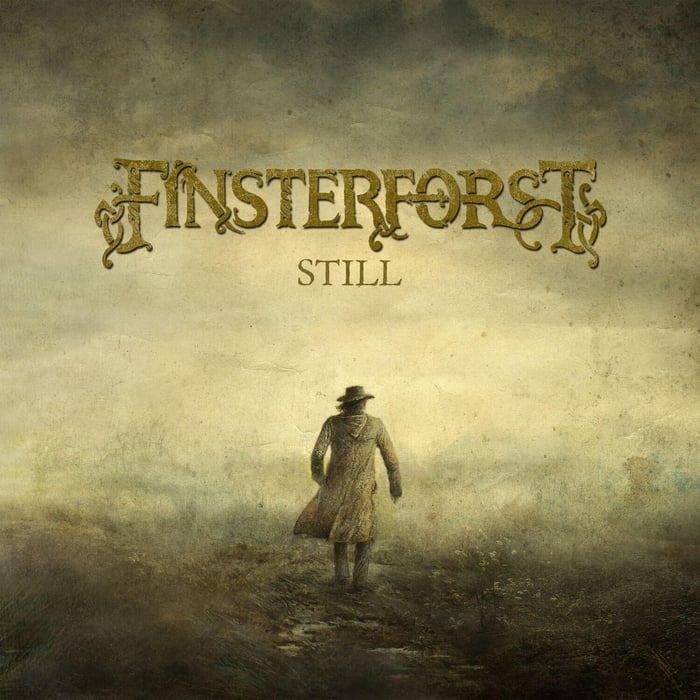
Finsterforst Still Review: Black Forest Metal That Eats Pink Floyd


 See more Architeg Prints stories on Google.
Finsterforst Still Review: Black Forest Metal That Eats Pink Floyd
Finsterforst Still turns “black forest metal” into a full-body theme park ride—then casually stomps through Pink Floyd like it’s theirs.
The first thing this album does is refuse to sit still
You hit play and immediately realize Finsterforst Still isn’t here to “blend genres” in the polite way bands say on press releases. It’s here to stack too many moving parts—folk, black metal, industrial churn, orchestral haze—and then dare you to call it messy. Weirdly, it usually isn’t.
Finsterforst have been at this for over twenty years, and you can hear the long-game confidence: they’ve stopped trying to prove they’re unique and started acting like uniqueness is their home address. That’s the main vibe of Still: not experimentation for its own sake, but a band settling into its own scale—bigger, denser, more immersive.
And yeah, I’m calling it immersive because that’s what it feels like: you don’t “check out tracks,” you get swallowed by them.
“Folk metal” is technically true—and still basically wrong
Calling them folk metal is like calling a thunderstorm “weather.” Sure. But it dodges the point.
Yes, they’ve got a seven-person lineup, and yes, there’s an accordion in the mix. But Still doesn’t present folk elements like cute accessories. The album keeps pivoting toward these wide orchestral passages, crushing guitar weight, and industrial-style rhythms that hit with a blunt, modern stomp. The “folk” part doesn’t run the show—it’s more like an accent that keeps showing up in different rooms of the same huge building.
If anything, the album’s real identity is its layering. It’s a tapestry of extreme metal where traditional-rooted sounds are present, but constantly being overruled by something heavier, colder, or more mechanical. The arguable take: the accordion isn’t there to make things warm—it’s there to make things uncanny.
At first, I thought all those elements would fight each other. On second listen, I realized the fighting is the point—and Finsterforst are good at directing the violence.
Obduktion: a seven-year comeback that doesn’t ask permission
The opener, “Obduktion,” doesn’t behave like a typical “welcome back” track. It’s not short, it’s not eager to hook you, and it doesn’t do the streaming-era thing where the chorus shows up wearing a name tag.
Instead, it swirls in—evocative, bleak, and oddly empowering at the same time, like standing on a ridge in brutal wind and deciding you’re fine with it. This is their first album in seven years, and the track feels like them saying:
we’re not returning; we’re continuing.
It also clearly picks up from the sound of Zerfall, but the shift is obvious: the production feels grander, the ideas feel bolder, and the execution hits harder. Not just “cleaner” or “heavier”—more complete. Like they finally found the correct size of canvas for what they’ve been trying to paint for two decades.
Here’s an arguable claim I’m comfortable making: “Obduktion” doesn’t try to win you over—it tries to outlast your attention span. If you’re the kind of listener who needs instant payoff, you’ll call it bloated. If you like music that slowly locks the doors behind you, you’ll call it satisfying.
I’ll admit there was a moment early on where I wasn’t sure if the song was building toward something or just enjoying its own fog. It does build—eventually—but Finsterforst make you wait on purpose.
Herbstwanderung: industrial swagger that shouldn’t work (but does)
The album’s pivot into “Herbstwanderung” is where Still really shows its teeth. The rhythm comes in with this bold, industrial swagger—a dominant, almost marching pulse that makes it hard not to move with it. It’s not “dance” exactly. It’s more like your body agreeing to be dragged forward.
What makes it land is the way the track messes with dynamics. It can be forceful and then suddenly step into introspection without losing momentum. That contrast is what sets up the payoff: when the track rises into its final crescendo, it hits harder because you’ve been given that brief inward fold.
An arguable take: Finsterforst are at their best when they act like rhythm is the lead instrument. The riffs matter, the atmospheres matter, but the stride of the song is what carries the emotional weight.
If I’m nitpicking—and I am, a little—the album’s obsession with grandeur sometimes makes subtle moments feel like they’re wearing heavy boots indoors. Not enough to ruin anything, but enough that I caught myself wishing for one section to stay quieter a few seconds longer before the next huge wave rolled in.
The album’s real trick: making “wrong” ingredients sound inevitable
What Still keeps doing is weaving a story out of combinations that shouldn’t sit together. Not in a gimmicky way—more like the band has decided the rules are fake and is now calmly walking through them.
Folk roots are there, but they’re constantly reframed by:
- orchestral immersion that feels cinematic rather than decorative
- black metal harshness used as texture and threat
- industrial rhythms that impose a modern, authoritarian pulse
- guitar weight that doesn’t just chug—it crushes
The arguable claim: this album isn’t genre fusion; it’s genre assimilation. Finsterforst don’t “blend” styles so much as absorb them into their own idea of black forest metal.
And that matters, because it keeps the album from feeling like a playlist of influences. It feels like one big environment—lush, oppressive, occasionally triumphant.
Yes, they covered “Another Brick in the Wall Pt. II,” and no, it’s not a joke
The most suspicious moment on paper is their cover of Pink Floyd’s “Another Brick In The Wall Pt. II.” On first glance, it reads like a novelty move—especially when the core of Finsterforst’s sound is all expansive brutality and immersive heaviness.
But when it lands, it lands for a very specific reason: they don’t treat it like a museum piece. They take it, tailor it, and turn it into something sinister, dark, and heavyweight. It gives the impression the band genuinely enjoyed the act of reshaping it—like someone rebuilding a familiar house but insisting on adding underground rooms.
Here’s where my first impression changed. I expected the cover to feel like a detour—fun but unnecessary. After sitting with the album, it feels more like a mission statement:
we can drag a beloved rock classic into our forest and it will still make sense.
An arguable take: the cover works because they’re not reverent about it. Reverence would’ve killed it. They commit to their own atmosphere and let the original melody become just another tool.
Leere: the long-form proof they can actually pull this off
Then there’s “Leere,” the epic extended composition that basically dares you to stay present. This is where the band’s “not afraid of length” philosophy either becomes hypnotic or exhausting, depending on your tolerance for slow-building musical architecture.
For me, it mostly ensnares the imagination the way it seems designed to—like walking deeper into a place where the trees get closer and the light gets less negotiable. And it’s important that Still can host something like “Leere” and a transformed take on a famous rock track without feeling split-personality.
The arguable claim: “Leere” is where the album proves it’s not just big—it’s controlled. Lots of bands can sound grand. Fewer can sustain that grandness without turning it into self-indulgent sprawl.
Do I think every moment is necessary? I’m not 100% sure. There are stretches where the album’s confidence borders on “we know you’ll sit through this.” But the key thing is: it doesn’t collapse into purposeless noodling. Even when it’s luxuriating, it’s still steering.
This is the most “complete” Finsterforst have sounded
By the time Still is done, it feels like Finsterforst have finally encased everything they’ve been building for two decades. You can hear the roots of their sound, but you can also hear how they’ve sharpened their identity by pulling in other elements and forcing them to serve the same immersive vision.
The album presents them at a unified best—not because it’s simple, but because all the complexity points the same direction. It’s full of grandiose opulence and musical storytelling, but it doesn’t devolve into aimless self-celebration. It feels intentional: every note aiming at atmosphere, every song carrying meaning inside that atmosphere.
If I had to put a number on how effectively it achieves what it’s clearly trying to do, I’d land around an 8/10—not because it’s “almost perfect,” but because it’s ambitious enough to occasionally overreach, and smart enough to make the overreach feel like part of the personality.
Release note that matters if you’re actually going to listen
Still is out now via AOP Records. And yes, this is one of those albums where the label note matters less than your willingness to sit inside long tracks and let the environment form around you.
FAQ
- Is Finsterforst Still actually folk metal?
It’s folk metal the way a cathedral is “a building.” The folk pieces are real, but the album’s main event is layered extreme metal with orchestral scale and industrial rhythm. - What’s the standout track moment for first-time listeners?
“Herbstwanderung” is hard to ignore because its industrial swagger pulls you along even when the song turns inward. - Does the album feel connected to Zerfall?
Yes—Still feels like it continues from Zerfall, but with grander production, bolder ideas, and tighter execution. - Is the Pink Floyd cover a gimmick?
It doesn’t play like a joke. It’s reshaped into something darker and heavier, and it ends up sounding surprisingly “native” to the album’s world. - Who should avoid this album?
Anyone who needs short, punchy songs or quick payoffs. Still is built for patience and immersion, not convenience.
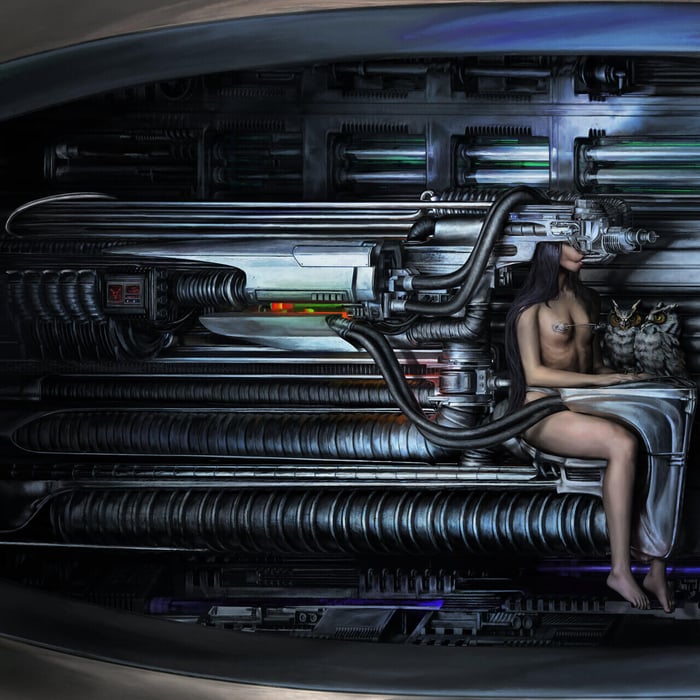
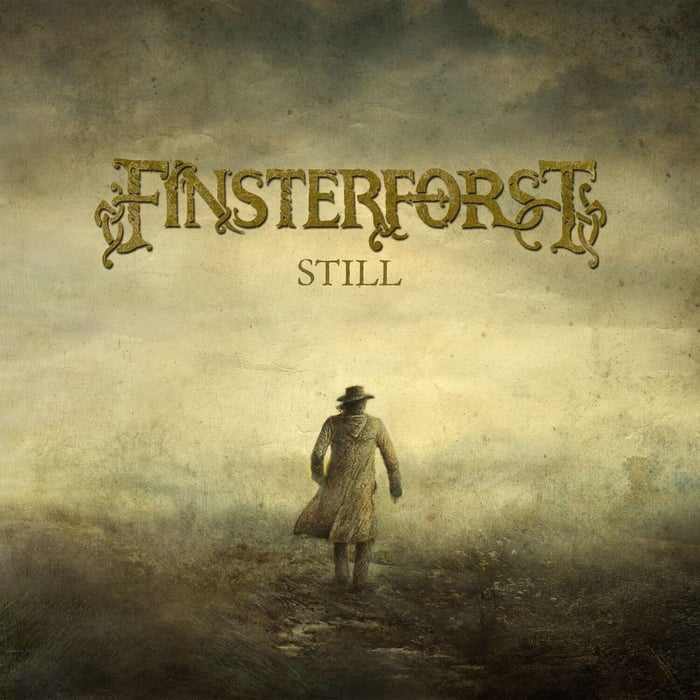
If the album artwork stuck in your head the way the choruses and crescendos do, you can grab a favorite album cover poster over at https://www.architeg-prints.com. It’s a nice way to let the “black forest metal” vibe haunt your wall instead of just your headphones.
 | DISCOUNTGET 30% OFF*Use code on your next order:
|
* This post may contain affiliate links, meaning we earn a commission if you make a purchase through these links, at no additional cost to you.