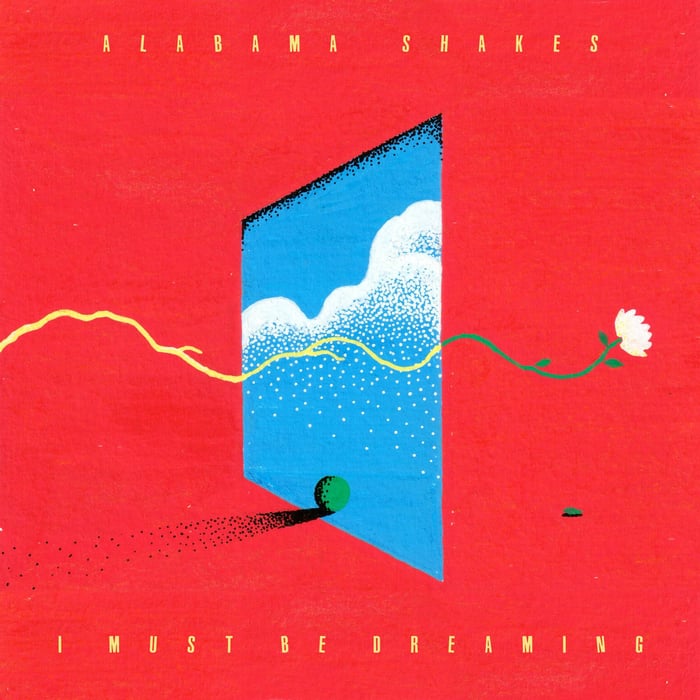
I Must Be Dreaming Album Review: Alabama Shakes’ “Third Eight” Fight


 See more Architeg Prints stories on Google.
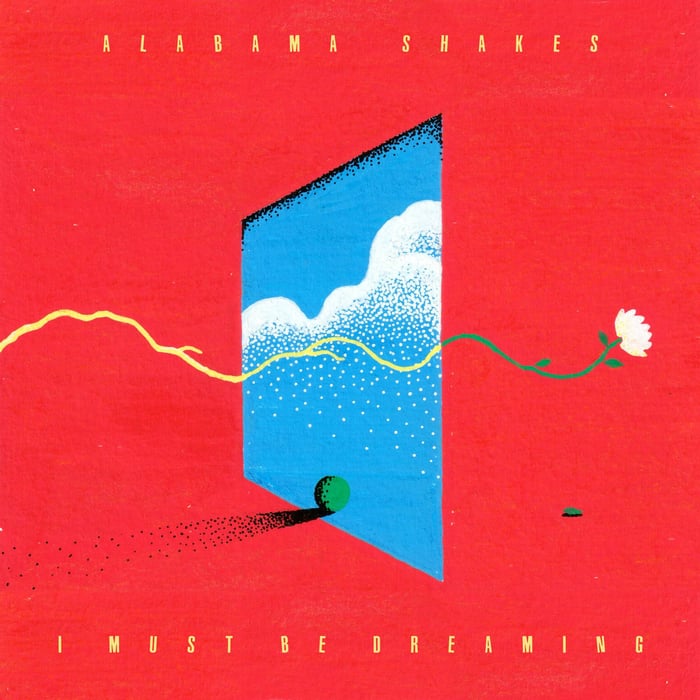
Album Review: I Must Be Dreaming by Alabama Shakes
I Must Be Dreaming isn’t a comeback record—it’s a record about who owns your hours, and it sounds like Alabama Shakes trying to take them back in public.
This album isn’t “about feelings”—it’s about time theft
Most albums want your attention. I Must Be Dreaming wants your schedule.
Listening to it, I kept thinking about that old labor chant—eight hours for work, eight hours for rest, and eight hours for whatever you will—and how the last part is always the one that gets bargained down, quietly, like it’s optional. The scandal was never the workday. The scandal was the idea that a third of your life belongs to you outright—your evenings, your unbought self.
And yeah, it’s strange to say a rock-and-soul record is basically arguing about the “third eight,” but that’s what I hear: Brittany Howard out front, sounding like she’s tallying hours, receipts, and emotional overtime. Eleven years between Alabama Shakes albums doesn’t feel like a fun gap here. It feels like the point. The world on the other side of that gap is the same paycheck paying more rent, and this record acts like it knows exactly who benefits when your time gets squeezed.
An arguable take: this isn’t nostalgia; it’s a labor ledger wearing a guitar strap.
The “dream” got swapped in when the hours disappeared
The record keeps circling one nasty trade: you hand over the day now, and you get the payoff later. That’s the twentieth-century bargain in a nutshell—surrender time, wait for the pension, the kid’s college, the someday-life.
There’s even a ghost of a bigger political frame hovering around the songs, the kind where cities and systems profit by grinding down the people at the bottom. I’m not saying the album is a lecture—Howard’s too smart to write pamphlets—but it does keep returning to one blunt engine: someone is always running on someone else’s hours.
At first I thought the album title—I Must Be Dreaming—was going to mean escapism, like a soft-focus break from everything. On second listen, it hit me as the opposite: “dreaming” as the consolation prize you get handed when real time is gone. If you can’t have your evenings, you can at least have a fantasy about them.
An arguable take: the album’s real villain isn’t heartbreak—it’s the calendar.
“I Feel Hope Coming” opens like a price tag, not a prayer
The first real jolt for me is “I Feel Hope Coming,” because it doesn’t float in on inspiration. It arrives carrying weight—like hope costs something, like you don’t get to claim it until you admit how tired you are.
Howard lists the way the arrangement treats the people propping it up, and she doesn’t dress it up:
“To beat us down”
“Make us crazy”
“Make us evil”
“Call us lazy”
That last one stings because it’s the laziest accusation in the book—blame the exhausted for being exhausted. Then she pushes it further into wages and control: being made to work, being paid, being dangled money like a leash. The line about being paid “not to work” lands like a cruel little twist of discipline—pay used as permission, not as compensation.
And the threat turns personal fast. There’s a moment where the “they” of the song isn’t abstract anymore; it’s invasive. Taking her home. Turning it upside down. Numbing her heart. The bridge answers with the kind of defiance that isn’t cinematic—it’s stubborn. Feet planted. Whatever’s coming, let it come. No man can make her run.
I’m not totally sure if the song is aiming more at bosses or at politicians—or if it’s deliberately blurring them because it thinks the difference is mostly branding. Either way, it’s the same claim underneath: stop stealing my hours.
An arguable take: the hook works because it sounds earned, not because it’s catchy.
“American Dream” is the album’s best joke—and it hates the joke
“American Dream” plays like someone singing an ad back at the advertiser with a straight face.
The setup is already there: she thought we wanted the same things. That’s such a casual line, but it’s basically the whole con. The big TV in the verse is the emblem—desire outsourced, wants preloaded. The fever in the song feels low-grade and low-wage at once: not dramatic enough to be called a crisis, just constant enough to ruin your sleep.
Then she drops the line that’s both the funniest and the bleakest thing on the record: “It’s enough to make you wanna lie awake and sleep.” It’s a perfect contradiction—exhaustion so deep it loops back into insomnia.
What I love is that she doesn’t let the cleverness stay cute. By the last verse, the joke is gone, and the “awake” part stops being accidental. She’s awake on purpose, like someone realizing the dream is just fluorescent lighting and a monthly payment.
Mild criticism, though: I wish the song trusted its own tension a little more in the middle. There’s a stretch where I kept waiting for the instrumental bite to turn sharper—to make the satire feel physically dangerous. It stays controlled. Maybe that’s intentional, but it flirted with sounding too polite for what it’s saying.
An arguable take: the song’s restraint is either maturity—or a missed chance to really snarl.
“Waist Deep” is where the anger finally behaves like gravity
If “American Dream” is insomnia with a grin, “Waist Deep” is what happens when all that sleep debt becomes personality.
Howard frames herself in these plain, almost childlike terms—an angry kid wanting a mother to calm them down, always in trouble, always in it up to the waist. The detail that sticks with me is the sense that she had to earn words while life handed them out for nothing. That’s not just about hardship; it’s about unfair distribution—some people get softness for free, other people pay for it every day.
And then the song lands on the line that makes the whole thing click: all that anger has to go somewhere, and when people can’t take anymore, it rolls downhill.
“It rolls down here to me.”
That’s the moment the song turns from personal confession into a map. Anger moves like water. It pools at the bottom. It finds whoever stands lowest. The last image—her out in the creek—doesn’t sound like nature therapy. It sounds like being stuck in the runoff.
An arguable take: “Waist Deep” is more precise than the “big statement” tracks because it shows the mechanism, not the slogan.
The album keeps dragging the daydream back to the kitchen table
After all the big systemic pressure, the record does something that’s almost rude in its simplicity: it makes the answer domestic.
Howard’s voice keeps pulling the “dream” down out of the air and asking who’s actually holding the dreamer’s hours. And the answer isn’t some grand revolution. It’s more time. That’s it. More time—and the sick joke is that time keeps speeding up on her anyway.
There’s an honesty I didn’t expect: she admits to wasting the time she had. Not in a self-help way, not as a confession designed to be inspirational—more like the blunt guilt of someone who knows what an evening costs now. She’s been holding on with her hands to everyone. That image feels claustrophobic, like love can become another kind of shift if you’re the one doing the holding.
An arguable take: this album doesn’t romanticize love; it audits it.
“Time” says the quiet part out loud: love is an hours claim
“Time” is where the album states its case with almost embarrassing clarity: when you have someone you love, all you want is time.
That line could’ve walked right behind those old eight-hour banners. It’s basically the third eight rewritten with a lover’s name in it. And what matters is that she doesn’t frame it as luxury. She frames it as the bare minimum: an evening, a person across from you, and the right to not be interrupted by the world’s hunger.
I’ll admit, my first impression was that “Time” might be too simple—like it was going to dissolve into greeting-card sentiment. But sitting with it, the simplicity started to feel like the point. When everything is complicated by scarcity, saying “all you want is time” is a radical statement because it refuses to negotiate.
An arguable take: the song’s power is that it barely tries to impress you.
“Easy” is the record’s sweetest flex—and it’s about not being ruined
“Easy” sketches the kind of night she’s asking for: lived-in ease, mornings that don’t hurt, waking up and staying up, coming home and staying in love. It’s not fantasy as in “perfect life.” It’s fantasy as in “life without constant friction.”
The partner in this song isn’t a muse; they’re relief. They make both ends of the day lighter. That’s such a telling standard—love measured by whether it reduces the weight of time.
And the joy here is almost suspiciously quiet. It’s picked at, it slips through fingers, it sits in the hollows of her hands. She keeps turning it over because she doesn’t fully trust it yet. The love endures because, for once, it won’t ruin her. That’s the real romantic line of the album: not “you complete me,” but “you don’t destroy me.”
The track carries promises—promises of hours, of who gets her evenings from here on. If the rest of the record is about time being stolen, “Easy” is about time being protected.
An arguable take: “Easy” is the album’s real climax because it’s the only place the fight actually pays off.
Where I land on it (and what I’m still not sure about)
I’m putting I Must Be Dreaming in the “great” pile, mostly because it commits to its obsession: time as the real currency, love as a negotiation over hours, and the American “dream” as a slick substitute for actual possession of your life.
Still, I’m not entirely sure the album always balances its scales. Sometimes the writing is so locked onto the message of hours and ownership that I wanted one more left turn—a moment where the songs let the body lead instead of the argument. That said, Howard’s singing keeps the whole thing human. Even when the lyrics get pointed, her voice sounds like someone who’s lived inside the deal, not someone describing it from a safe distance.
Favorite track(s): “Easy,” “Waist Deep,” “American Dream.”
Conclusion
The trick of I Must Be Dreaming is that it dresses up as rock and soul, then spends the whole runtime asking a brutally unglamorous question: who gets your evenings, really—and what did you have to trade to keep even one of them?
Our verdict: People who’ve ever watched their “free time” get auctioned off in tiny pieces will love this album’s nerve (and its tenderness). If you want Alabama Shakes to just kick down doors and never mention the clock, you’re going to get impatient—this record keeps checking its watch like it’s building a case.
FAQ
- What is the core idea behind I Must Be Dreaming?
It keeps coming back to time—who owns it, who takes it, and how love and survival both get negotiated in hours. - Which songs hit the hardest on first listen?
“I Feel Hope Coming” punches early, “American Dream” hooks with bitter humor, and “Waist Deep” lands like accumulated gravity. - Is “American Dream” meant to be sarcastic?
It sounds like it starts as sarcasm and then drops the act—like the song gets tired of being clever and decides to be awake instead. - What’s the most romantic moment on the album?
“Easy,” because it frames love as not being ruined, and as having your evenings protected rather than consumed. - Does the album feel like a comeback after 11 years?
It doesn’t sound like it’s trying to “return.” It sounds like it’s trying to account for where the time went—and what it costs now.
If you want something physical to match this album’s obsession with time and memory, a favorite album-cover poster on your wall kind of makes sense. You can browse options at our store: https://www.architeg-prints.com
 | DISCOUNTGET 30% OFF*Use code on your next order:
|
* This post may contain affiliate links, meaning we earn a commission if you make a purchase through these links, at no additional cost to you.